

saffron-clad men
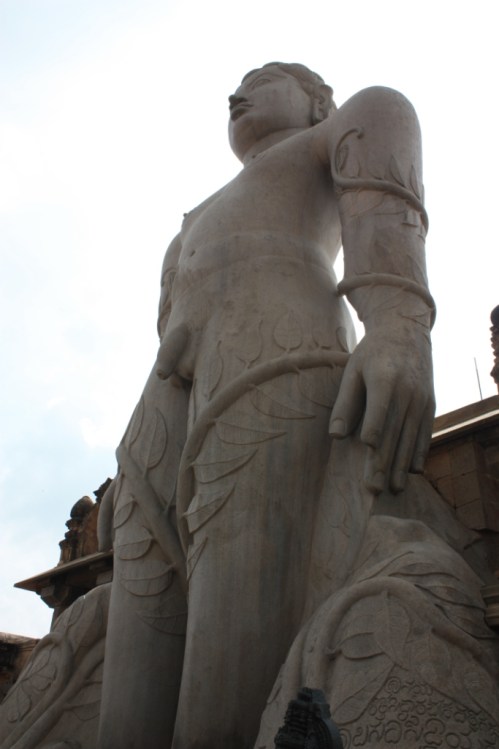
wash the Bahubali’s feet;
its eyes forward
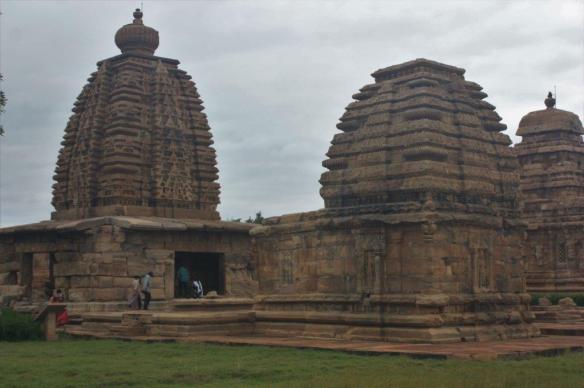
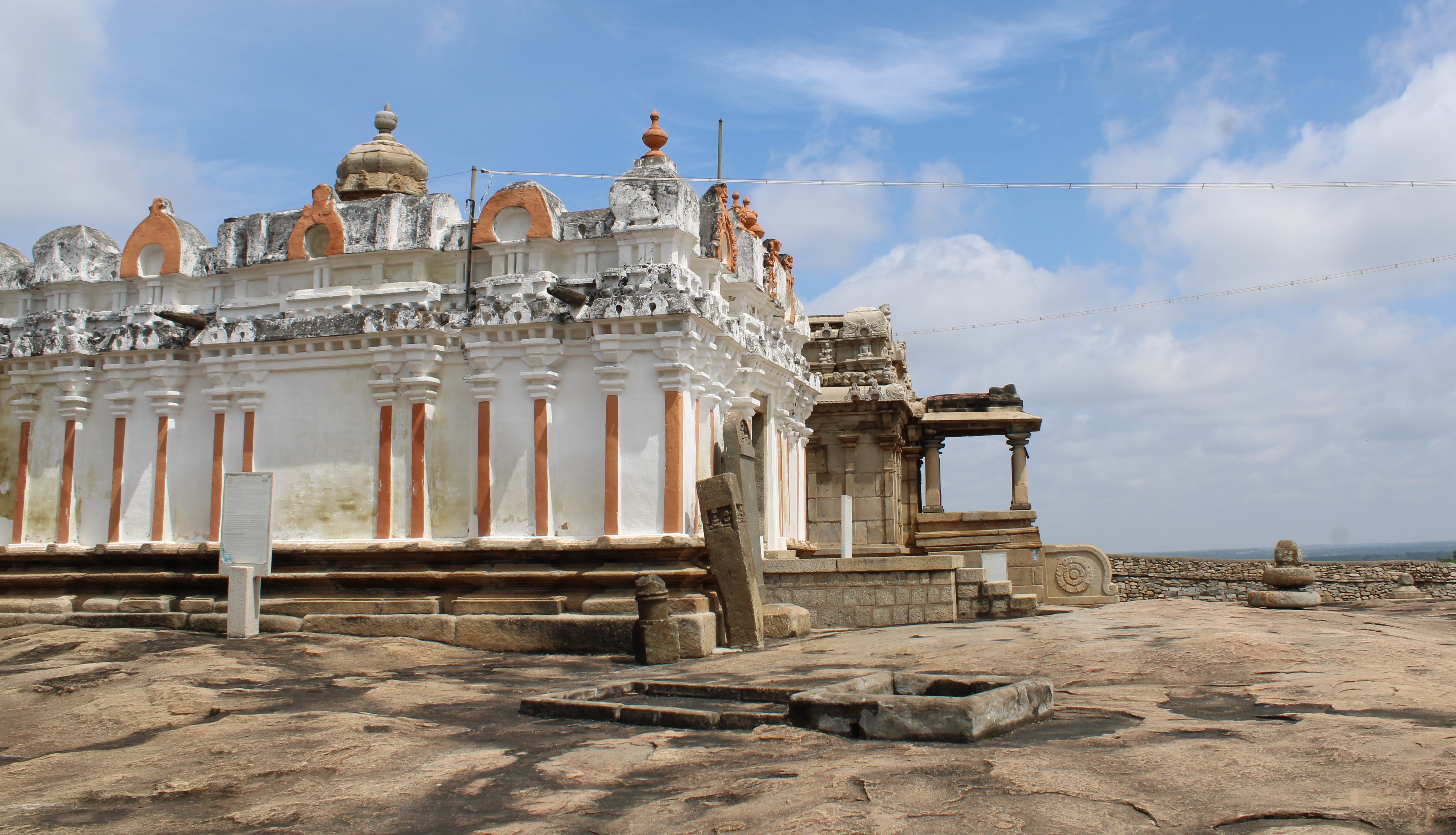
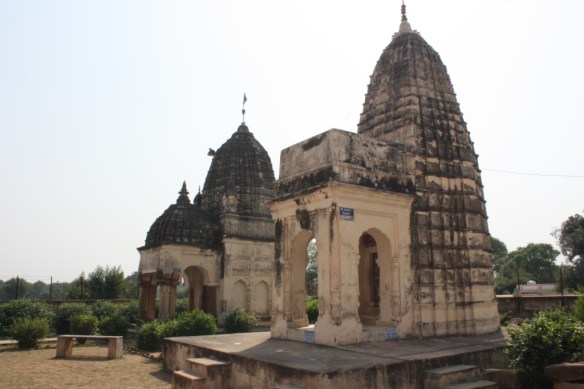
Taken in November of 2020 at the Pattadakal Temple Group
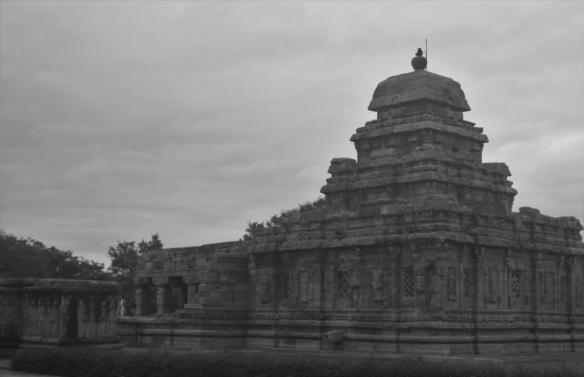
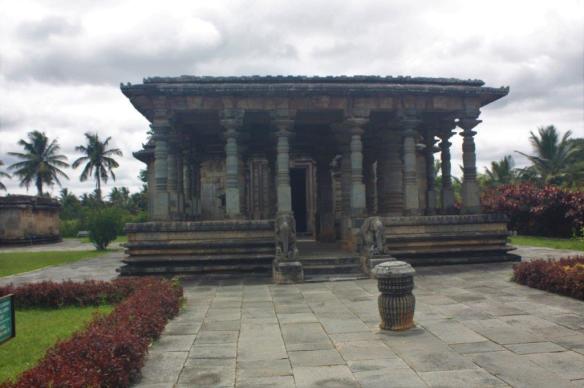
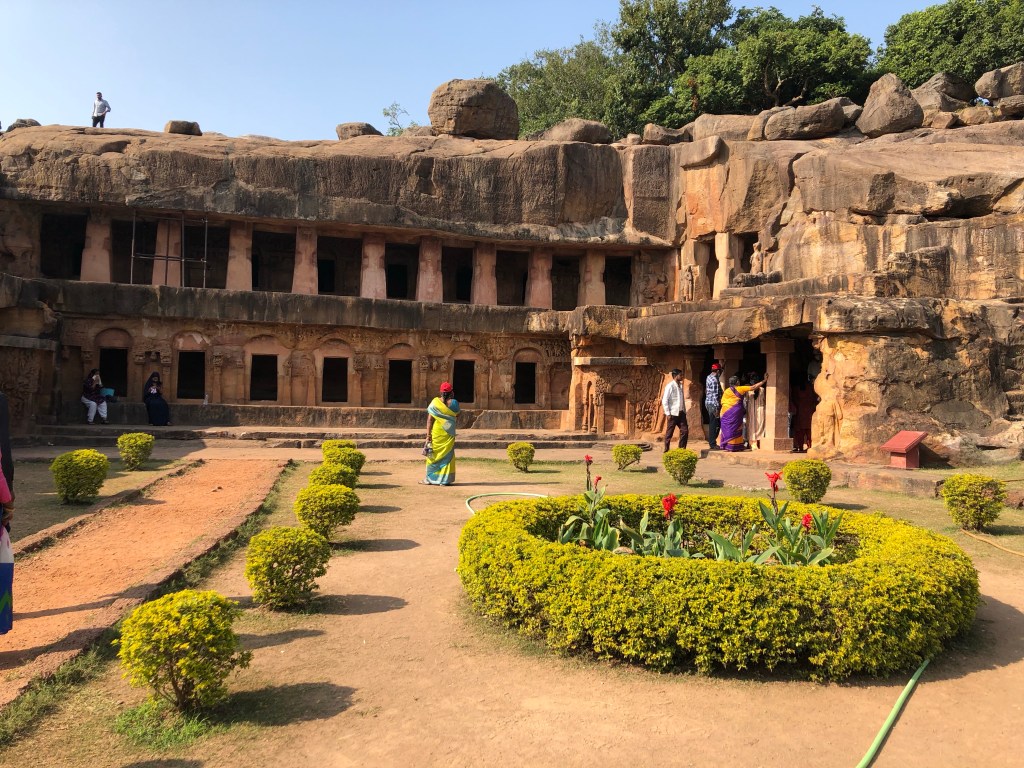
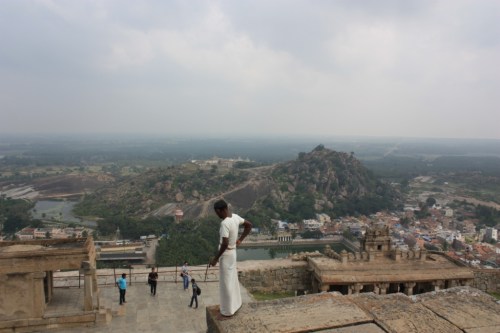
Taken on October 4, 2020 at the Jain Basadi Temple Complex.

 An Introduction to Indian Philosophy by Satischandra Chatterjee
My rating: 4 of 5 stars
India has spawned a number of philosophical systems over the centuries. Chatterjee and Datta provide an overview of Indian philosophy by comparing and contrasting nine major schools of Indian philosophy—the six orthodox schools plus three well-known heterodox schools. The dividing line between orthodox and unorthodox hinges upon whether a philosophy accepts the Vedas as sources of authority.
After an introductory chapter that lays out the concepts that will be needed throughout the remainder of the book as well as providing brief sketches of nine philosophical schools, the remainder of the book is a one chapter per school examination of metaphysics, ethics, theology, epistemology, etc. The authors first consider the heterodox schools: i.e. Carvaka (a materialist /atheist approach), Jain (one of the major Indian religions), and Buddhist. After examining the heterodox approaches, Chatterjee and Datta take on the orthodox schools in the following order: Nyaya, Vaisesika, Sankhya, Yoga (which you may not have realized was a philosophical system), Mimamsa, and Vedanta.
There are a number of questions that recur as the authors compare these schools to each other. A major point of consideration is presence or absence of belief in a god, and—for those systems that believe in a God or gods—what is the role of said deity. It might seem that all the orthodox systems would be theistic, but this isn’t the case (e.g. Sankhya.) Another key question is how one can know something, i.e. what is acceptable authority—can one only trust one’s own senses or can one trust everything but one’s own senses? Then there is the matter of ethics and how each system regards ethical behavior. Of course, there are some elements that are unique to a given system, and so it’s not entirely a matter of comparison and contrast.
There are no graphics in the book and the ancillary material is limited to footnotes, a select bibliography, and prefaces to the various editions of the book. Note: I read the 2007 / 7th Edition of the book.
I won’t say this book isn’t dry. It’s a philosophy textbook, after all. However, it does provide a solid overview of the topic and seems to take great efforts to be unbiased (to the extent of sometimes not challenging philosophical ideas that are patently unsound in favor of reporting what advocates of the tradition propose.)
I’d recommend this book for anyone who’s looking for an overview of Indian philosophy.







 Tiger Riding for Beginners