BOOKS: “The Flowers of Evil” by Charles Baudelaire

Les Fleurs du MalLes Fleurs du Mal by Charles Baudelaire
My rating: 5 of 5 stars

Amazon.in Page

I read the 1909 Cyril Scott translation of Baudelaire’s poetry collection. It consists of 54 poems, including “Condemned Women” but not including others of the six poems that were banned in early editions and which only came to be included in later editions. (I did look up and read a couple translations each for the six poems — because censorship can’t be allowed to prevail. Not surprisingly, they are calm by today’s standards. It should be noted that Baudelaire played in symbolism, and so his poems – while ahead of their time in subject matter – didn’t tend toward explicit vulgarity in the first place.)

The Scott translation is all in rhymed verse, the largest share of it presented as sonnets — though there are some longer pieces (longer, but not long. It’s a quick read.) “The Broken Bell” and “Spleen” were highlights for me, but the whole collection is intriguing, evocative, and readable.

I enjoyed this collection tremendously, even with such an old translation. The hedonism, eroticism, and macabre of Baudelaire’s work creates an intense tone.

I’d highly recommend this collection for all poetry readers.


View all my reviews

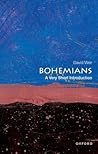
BOOKS: Bohemians: A Very Short Introduction by David Weir

Bohemians: A Very Short Introduction (VERY SHORT INTRODUCTIONS)Bohemians: A Very Short Introduction by David Weir
My rating: 5 of 5 stars

Amazon.in Page

This book examines the brief life of the Bohemian artistic lifestyle, exploring how it came about, what it looked like in its heyday, what led to its demise, and by what / whom it was replaced (e.g. the Beats.) It is an intriguing examination of the subject. I will say, there were points that I felt the book had become lost in the weeds, but at other points I found it fascinating. I concluded that my own calculus was to find it interesting when it discussed the lives and works of artists who are still deemed to have relevance and influence today (e.g. Baudelaire, Picasso, and Whitman,) and not so much when it was elaborating on artists and works that have fallen into obscurity among the general populace (e.g. Henry Murger’s Scenes of Bohemian Life.) So, that may be more a reflection on me than on the book.

The author touches upon the fictional influences that inspired Bohemianism, the places where the lifestyle thrived (e.g. Paris and New York,) the philosophy and – particularly – the political philosophy of the Bohemians (e.g. often Anarchists or – at least – anti-government.) One of the topics that most interested me is how the successor artistic communities differed from the Bohemians.

If you’re interested in who the Bohemians were and how they differ from other artistic communities (before and after,) this book is well worth the brief read required.

View all my reviews

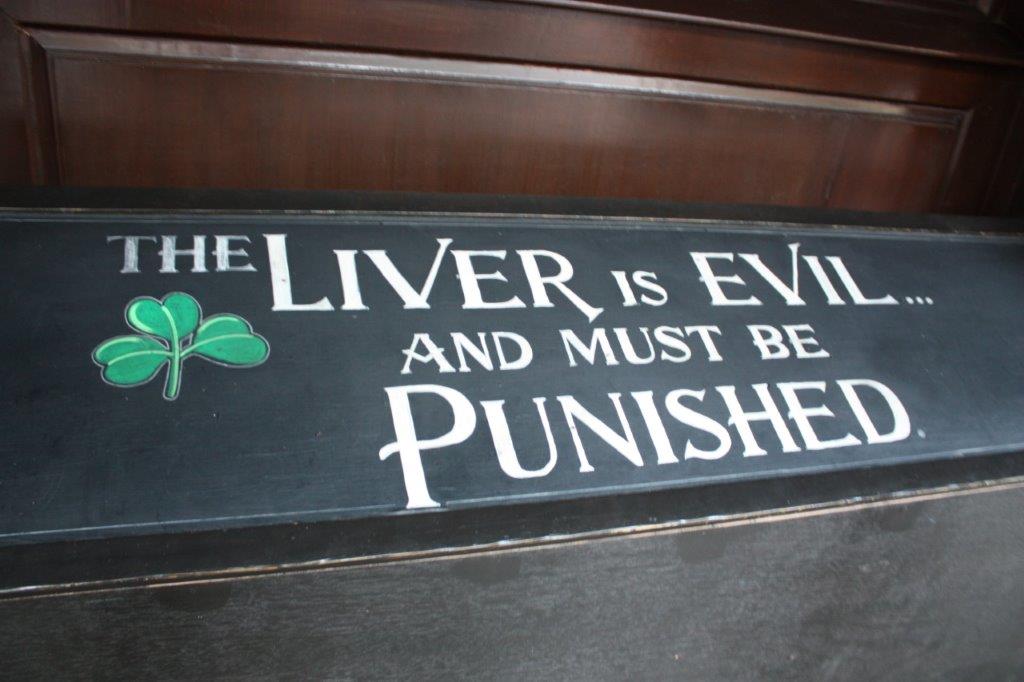
Be Drunken by Charles Baudelaire [w/ Audio]

Be always drunken. Nothing else matters: that is the only question. If you would not feel the horrible burden of Time weighing on your shoulders and crushing you to the earth, be drunken continually.

Drunken with what? With wine, with poetry, or with virtue, as you will. But be drunken.

And if sometimes, on the stairs of a palace, or on the green side of a ditch, or in the dreary solitude of your own room, you should awaken and the drunkenness be half or wholly slipped away from you, ask of the wind, or of the wave, or of the star, or of the bird, or of the clock, or whatever flies, or sighs, or rocks, or sings, or speaks, ask what hour it is; and the wind, wave, star, bird, clock will answer you: “It is the hour to be drunken! Be drunken, if you would not be martyred slaves of Time, be drunken continually! With wine, with poetry, or with virtue, as you will.”

NOTE: This is the Arthur Symons translation from the 1913 Elkin Mathews edition of Baudelaire’s Poems in Prose. Available via Project Gutenberg at: https://www.gutenberg.org/cache/epub/50489/pg50489-images.html#XI