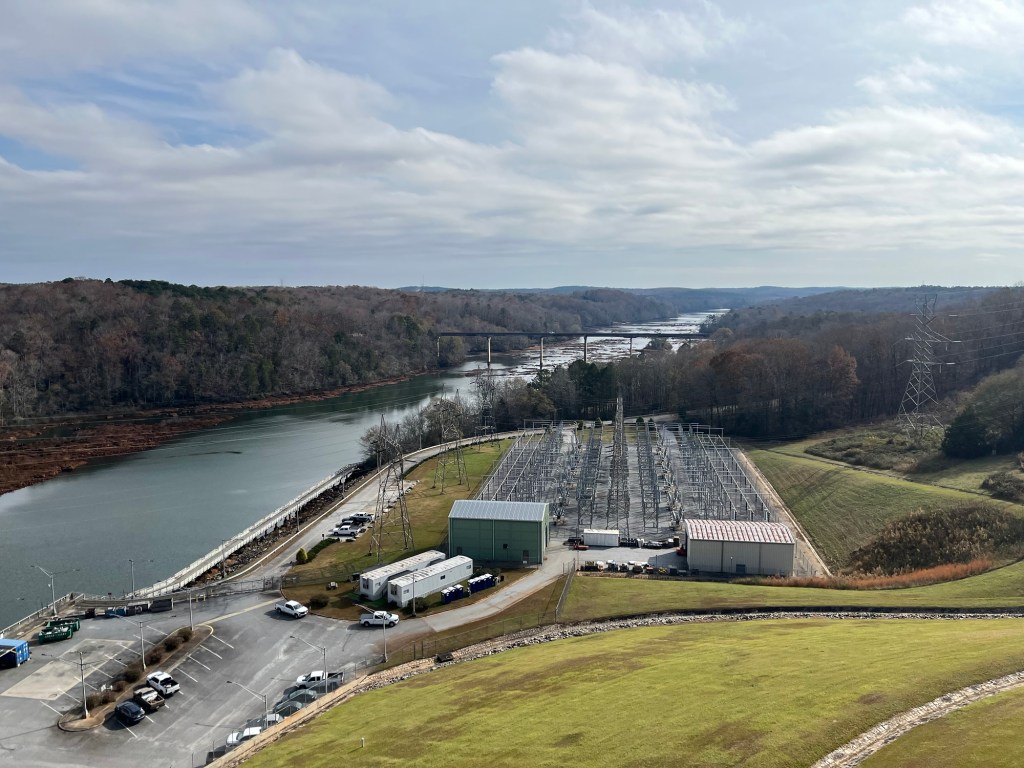
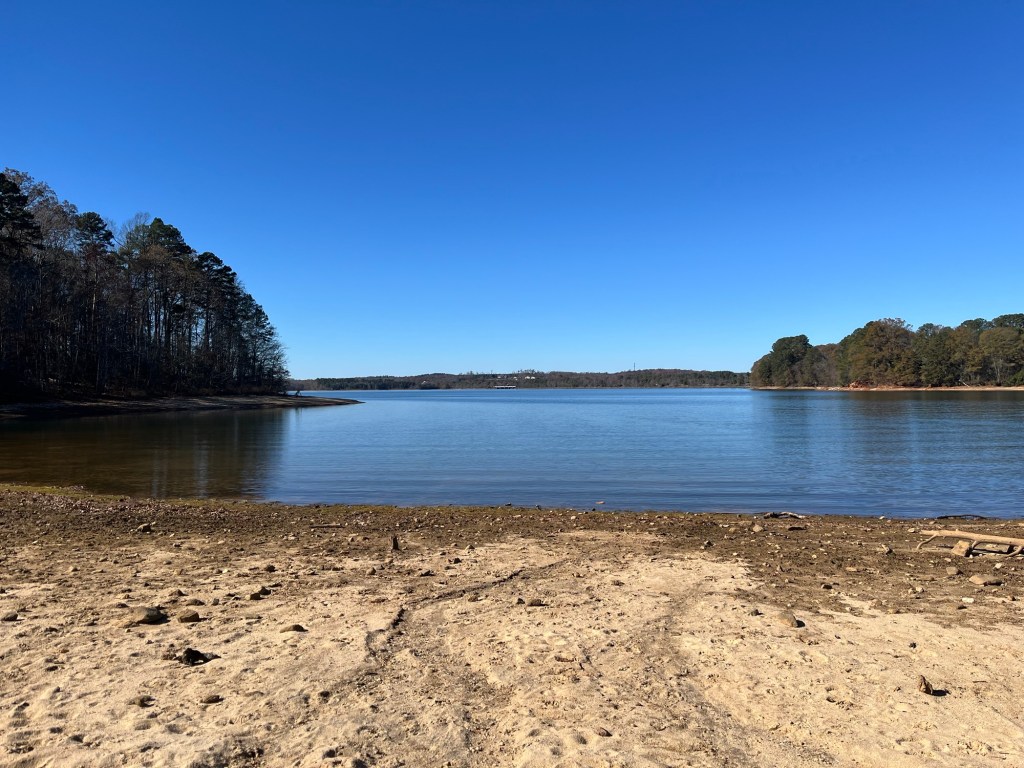
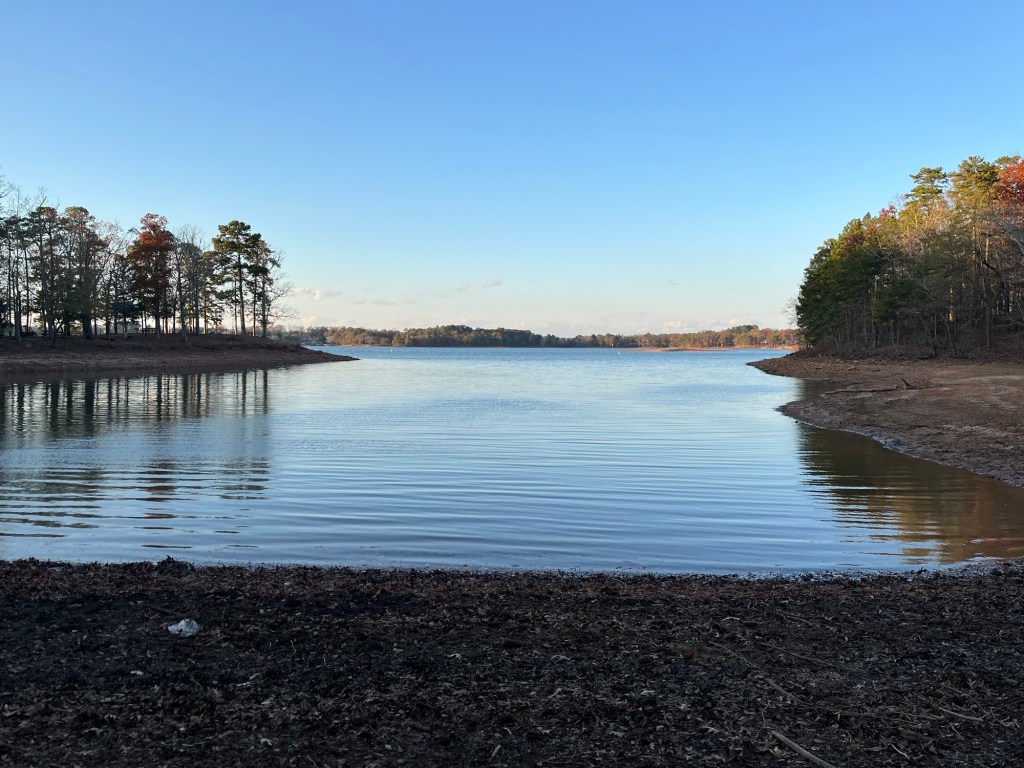
DAILY PHOTO: Savannah River at Hartwell Dam Posted on November 24, 2025 by B Gourley Reply Share on Facebook, Twitter, Email, etc. Print (Opens in new window) Print Share on WhatsApp (Opens in new window) WhatsApp MoreShare on TumblrTweet Share on Reddit (Opens in new window) Reddit Email a link to a friend (Opens in new window) Email Like Loading...
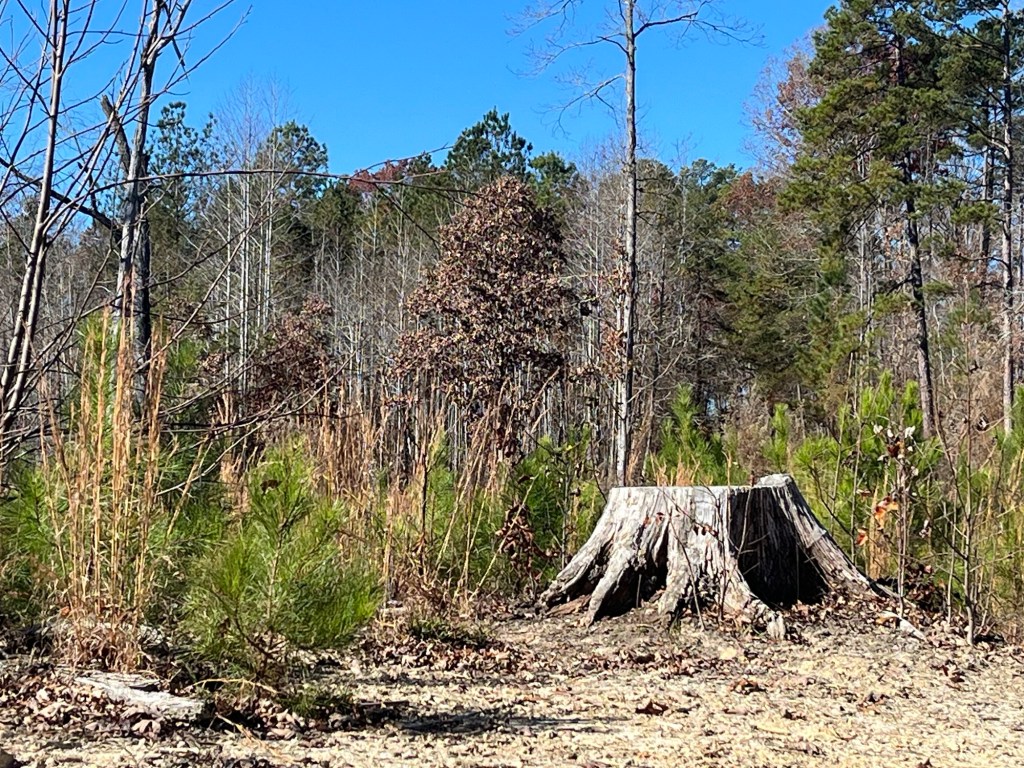
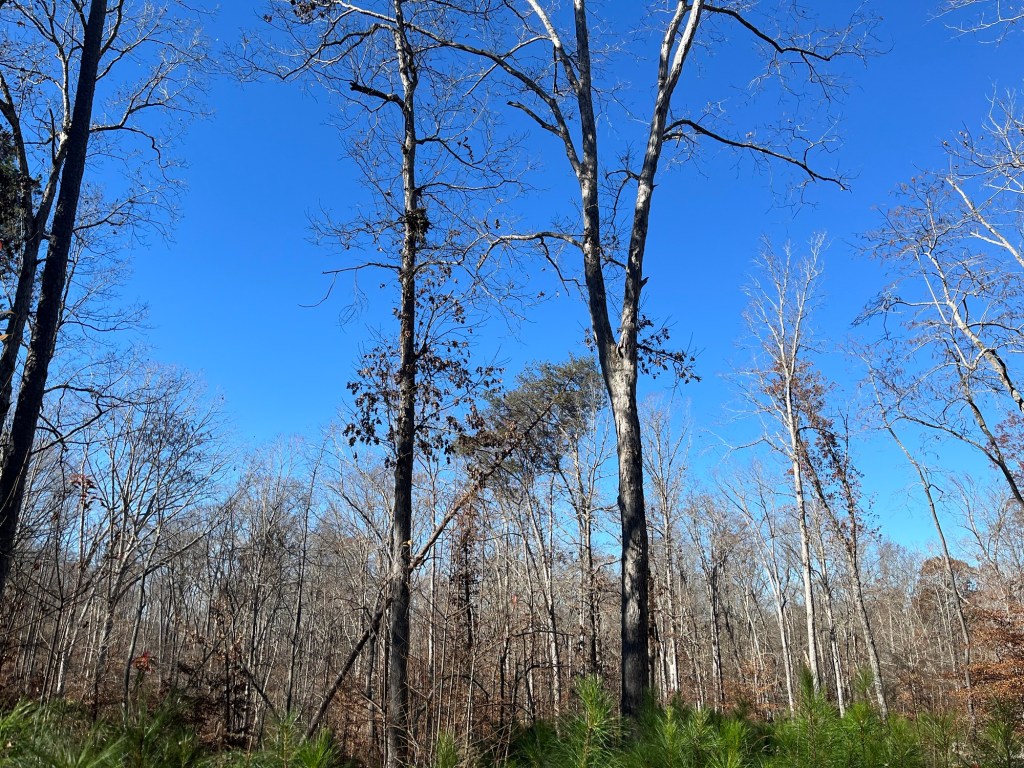
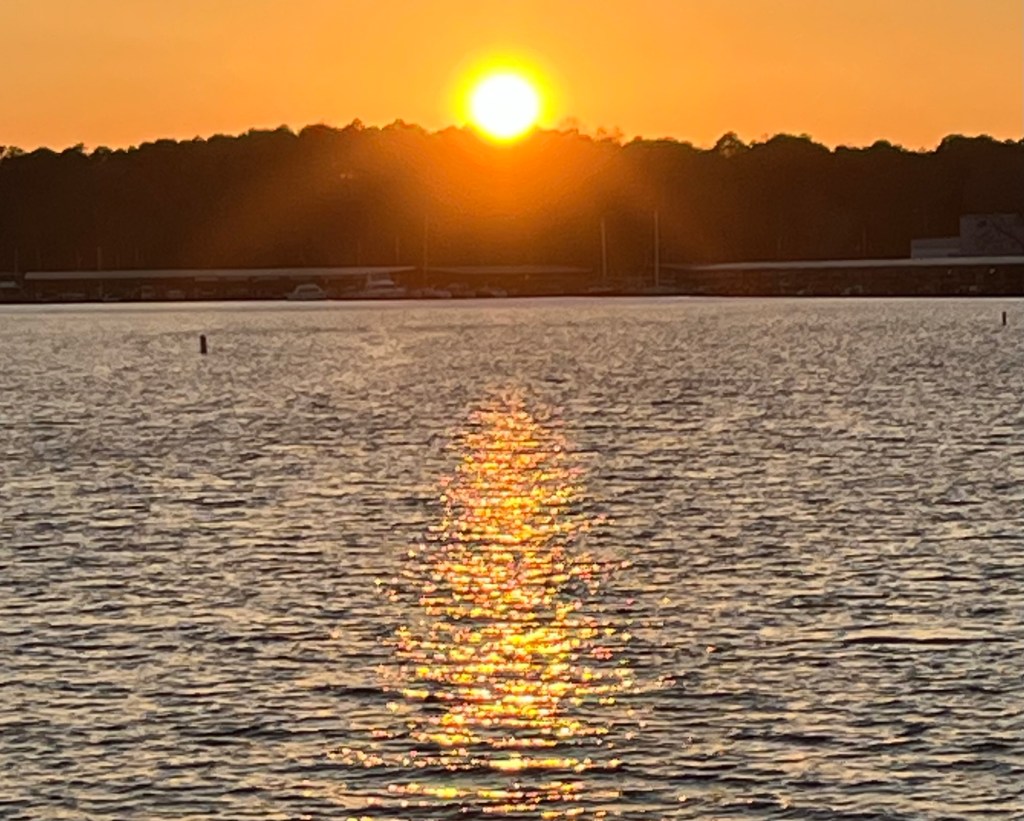
DAILY PHOTO: Scenes from Butch Kennedy Trail Posted on November 23, 2025 by B Gourley Reply Share on Facebook, Twitter, Email, etc. Print (Opens in new window) Print Share on WhatsApp (Opens in new window) WhatsApp MoreShare on TumblrTweet Share on Reddit (Opens in new window) Reddit Email a link to a friend (Opens in new window) Email Like Loading...
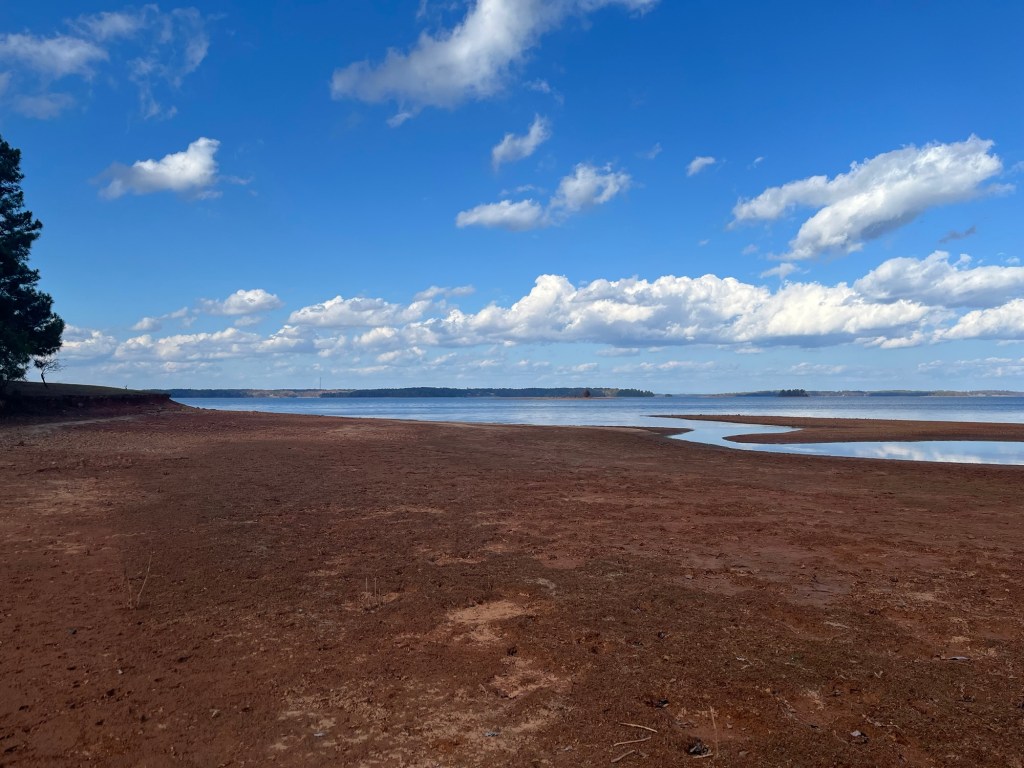
DAILY PHOTO: Lake Hartwell Posted on November 22, 2025 by B Gourley Reply Share on Facebook, Twitter, Email, etc. Print (Opens in new window) Print Share on WhatsApp (Opens in new window) WhatsApp MoreShare on TumblrTweet Share on Reddit (Opens in new window) Reddit Email a link to a friend (Opens in new window) Email Like Loading...
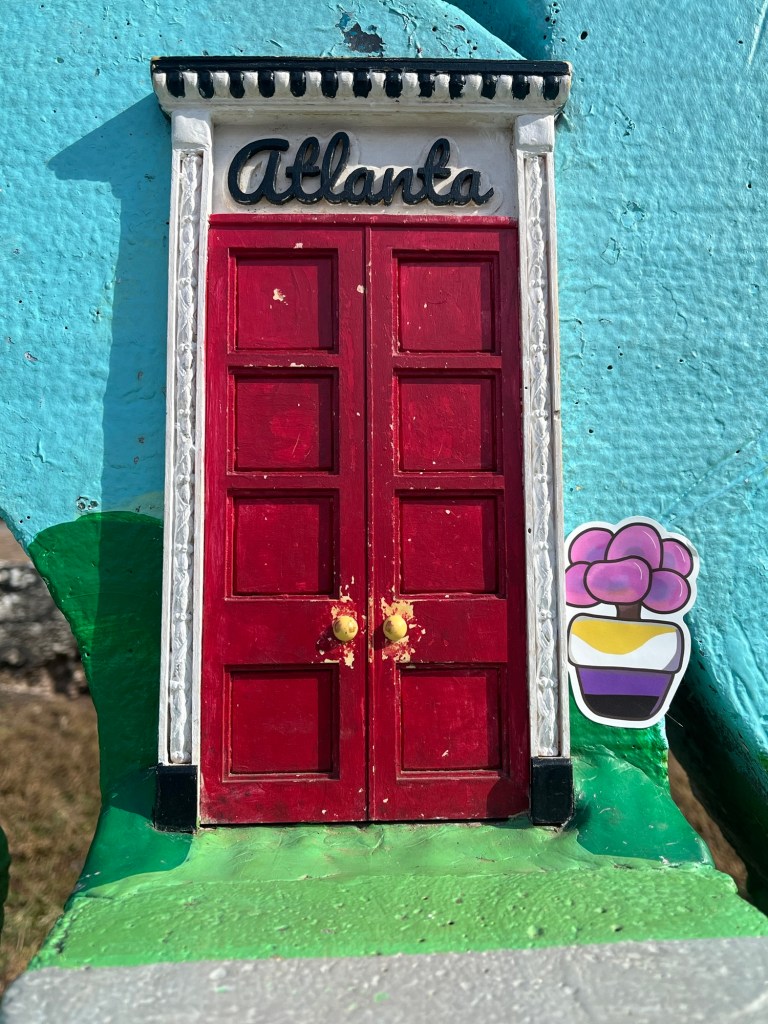
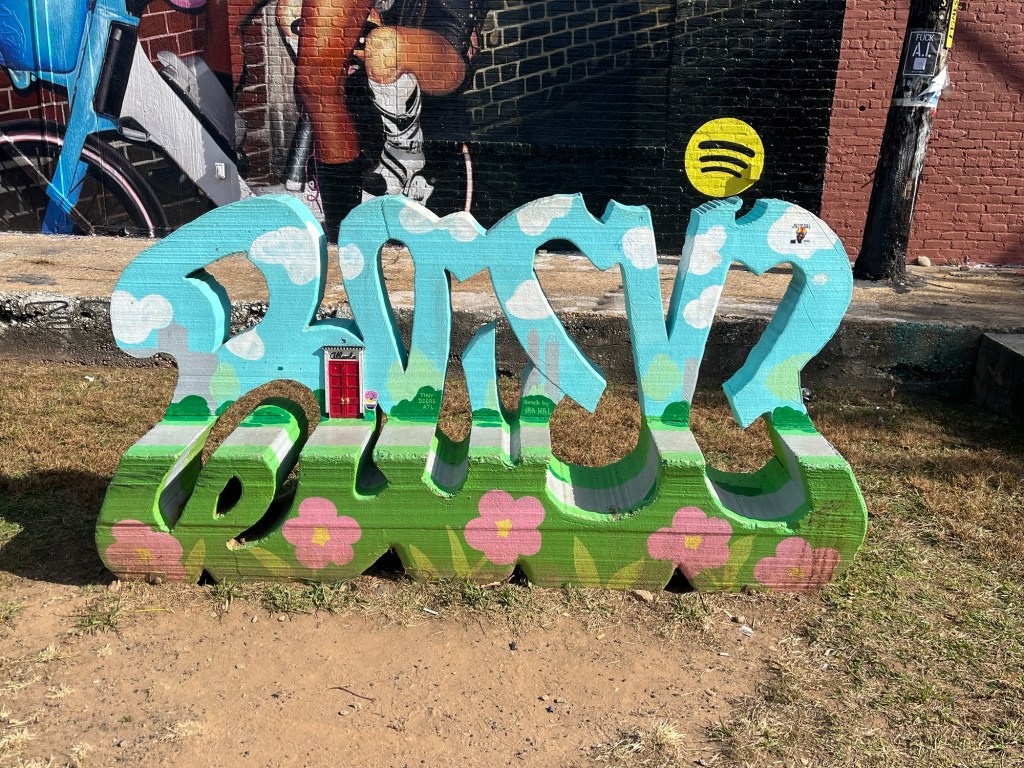
DAILY PHOTO: Tiny Door, Atlanta Beltline Posted on November 21, 2025 by B Gourley Reply Share on Facebook, Twitter, Email, etc. Print (Opens in new window) Print Share on WhatsApp (Opens in new window) WhatsApp MoreShare on TumblrTweet Share on Reddit (Opens in new window) Reddit Email a link to a friend (Opens in new window) Email Like Loading...
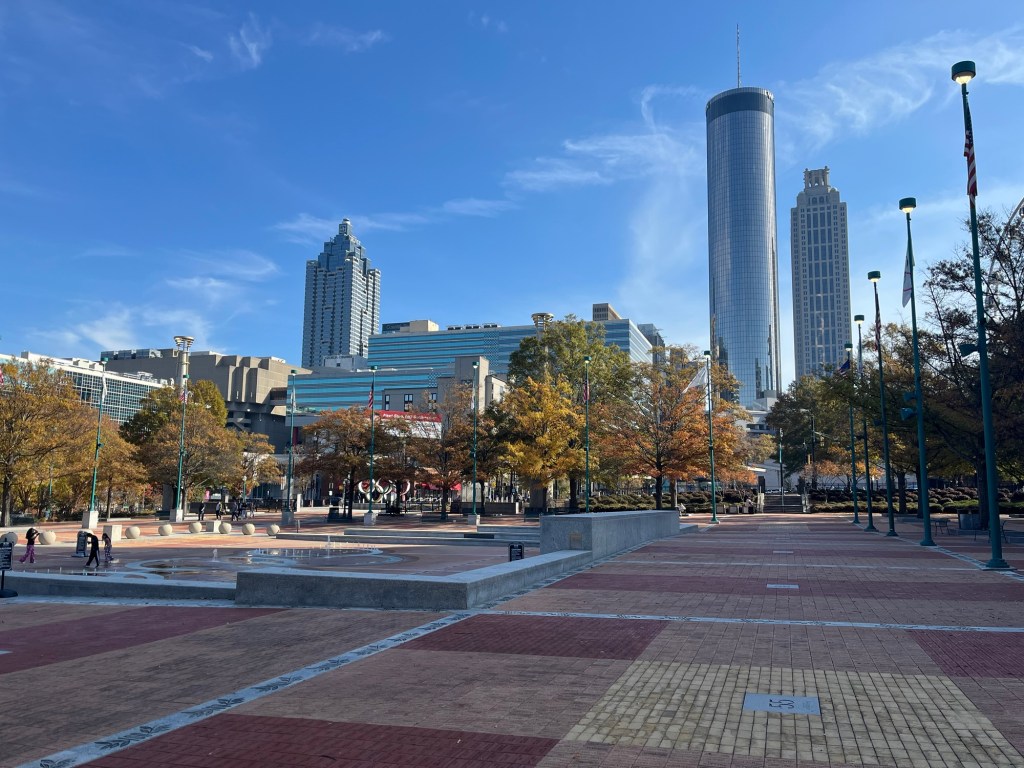
DAILY PHOTO: Centennial Olympic Park Posted on November 20, 2025 by B Gourley Reply Share on Facebook, Twitter, Email, etc. Print (Opens in new window) Print Share on WhatsApp (Opens in new window) WhatsApp MoreShare on TumblrTweet Share on Reddit (Opens in new window) Reddit Email a link to a friend (Opens in new window) Email Like Loading...
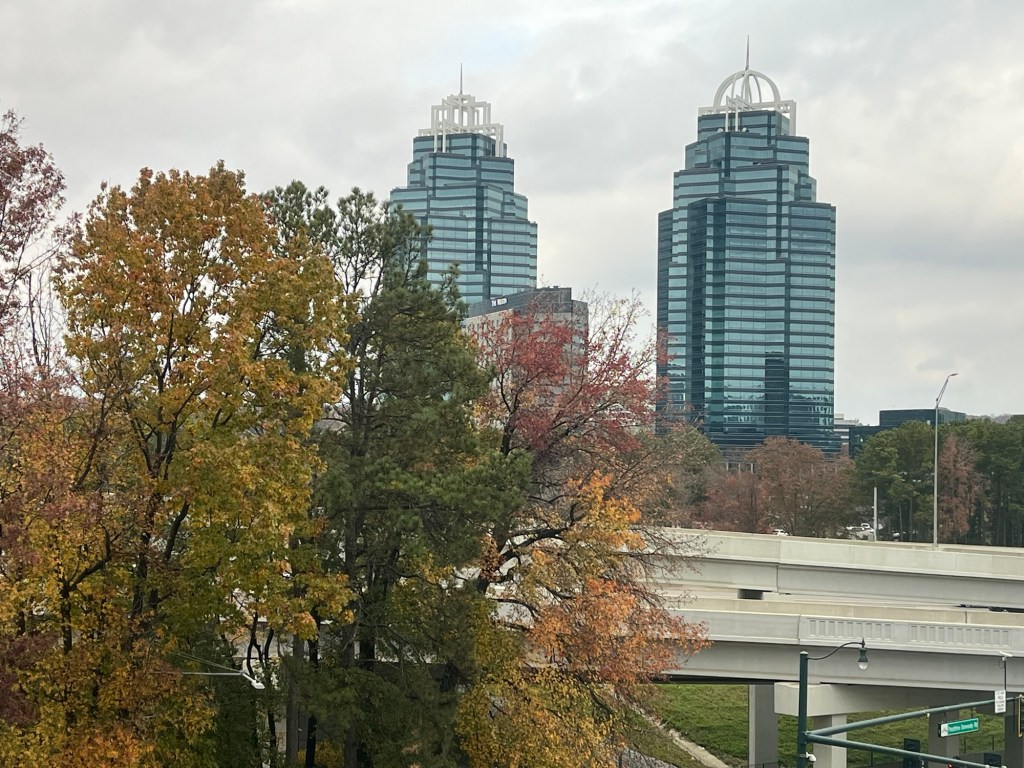
DAILY PHOTO: King & Queen of Sandy Springs Posted on November 19, 2025 by B Gourley 2 Share on Facebook, Twitter, Email, etc. Print (Opens in new window) Print Share on WhatsApp (Opens in new window) WhatsApp MoreShare on TumblrTweet Share on Reddit (Opens in new window) Reddit Email a link to a friend (Opens in new window) Email Like Loading...
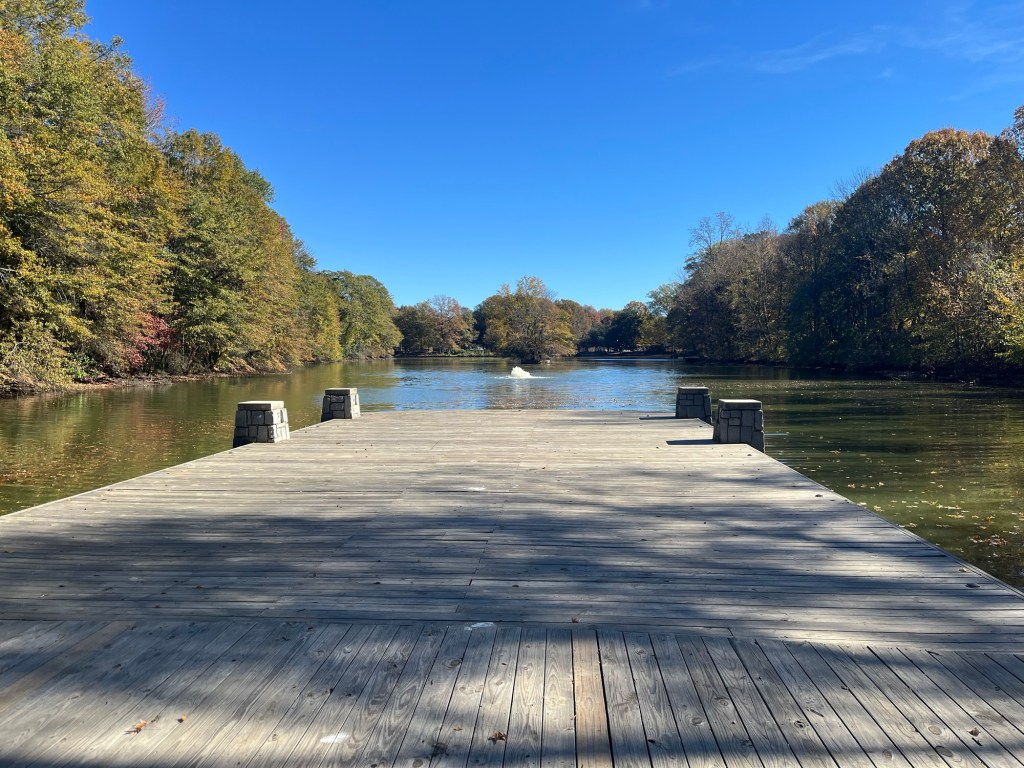
DAILY PHOTO: Clara Meer Dock Posted on November 17, 2025 by B Gourley Reply Share on Facebook, Twitter, Email, etc. Print (Opens in new window) Print Share on WhatsApp (Opens in new window) WhatsApp MoreShare on TumblrTweet Share on Reddit (Opens in new window) Reddit Email a link to a friend (Opens in new window) Email Like Loading...
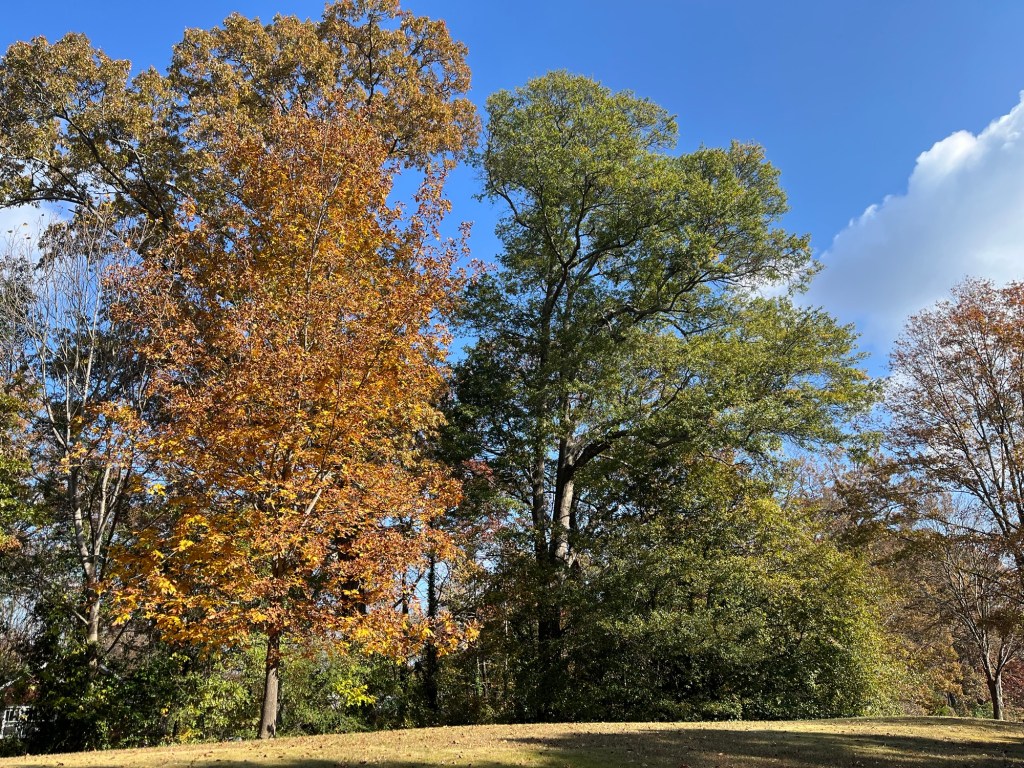
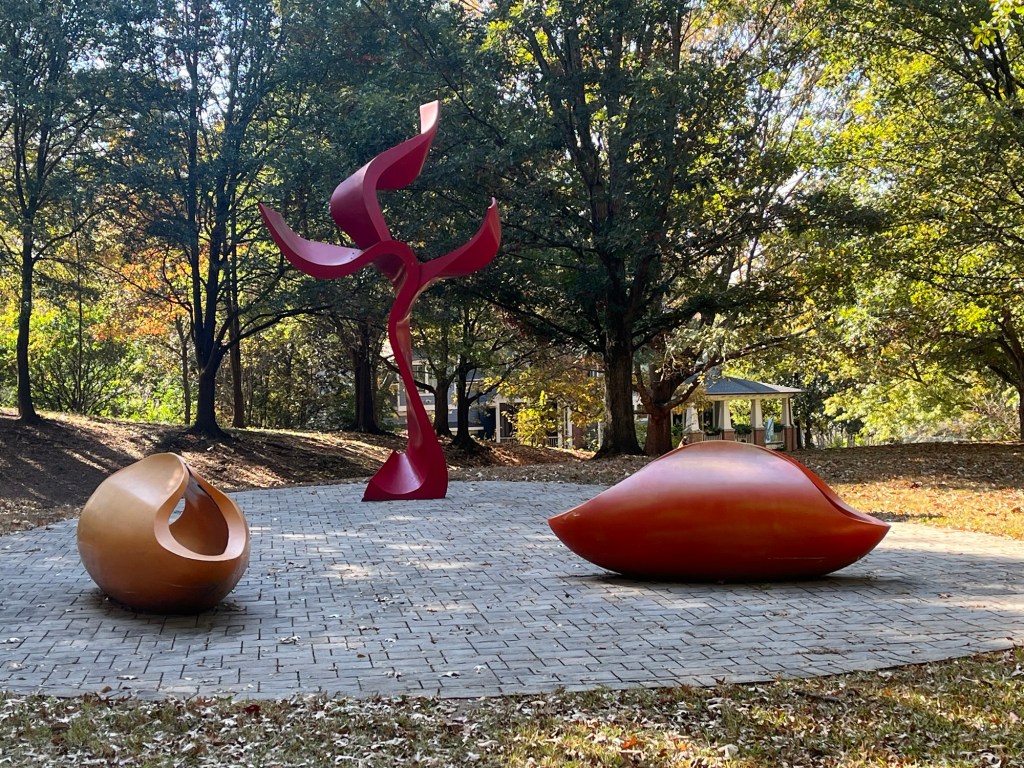
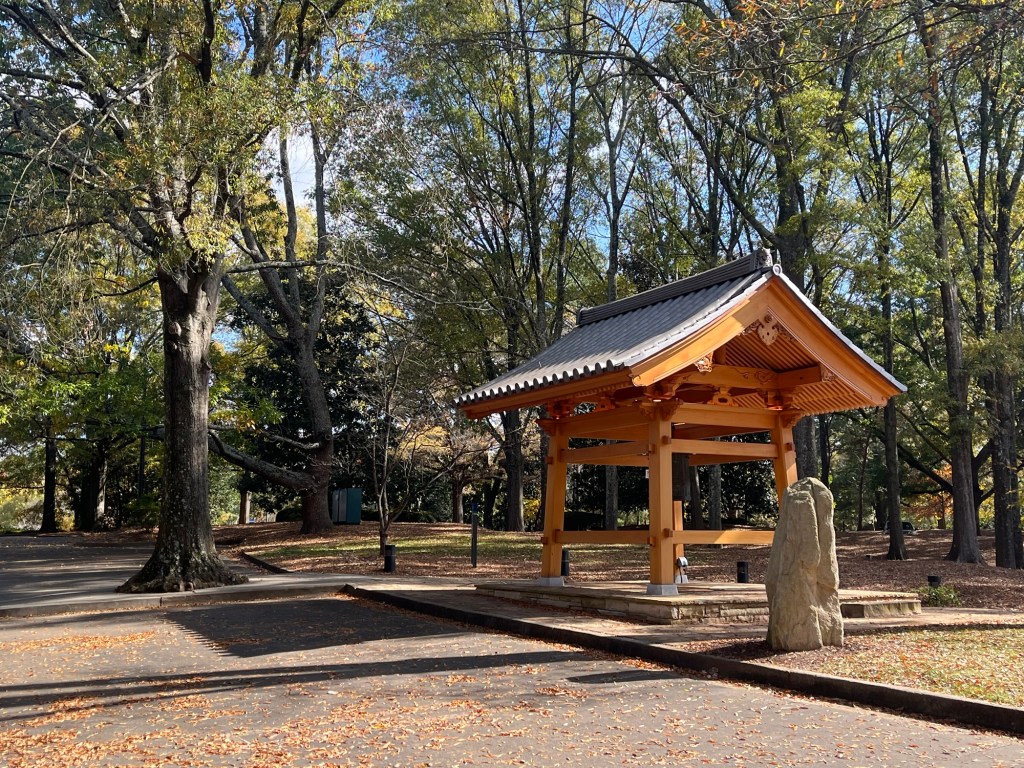
DAILY PHOTO: Scenes from Freedom Park, Atlanta Posted on November 16, 2025 by B Gourley Reply Autumn Foliage; Freedom Park World Tree and Seedpods Sculpture Peace Bell at Carter Center Share on Facebook, Twitter, Email, etc. Print (Opens in new window) Print Share on WhatsApp (Opens in new window) WhatsApp MoreShare on TumblrTweet Share on Reddit (Opens in new window) Reddit Email a link to a friend (Opens in new window) Email Like Loading...
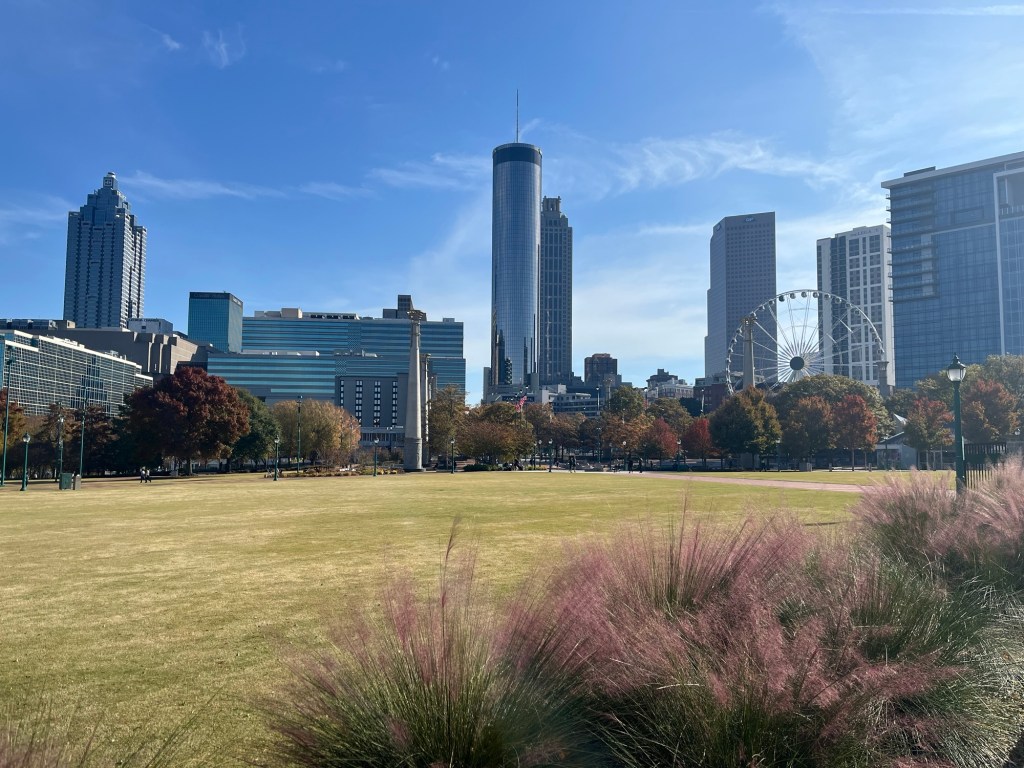
DAILY PHOTO: Centennial Olympic Park, Atlanta Posted on November 15, 2025 by B Gourley Reply Share on Facebook, Twitter, Email, etc. Print (Opens in new window) Print Share on WhatsApp (Opens in new window) WhatsApp MoreShare on TumblrTweet Share on Reddit (Opens in new window) Reddit Email a link to a friend (Opens in new window) Email Like Loading...
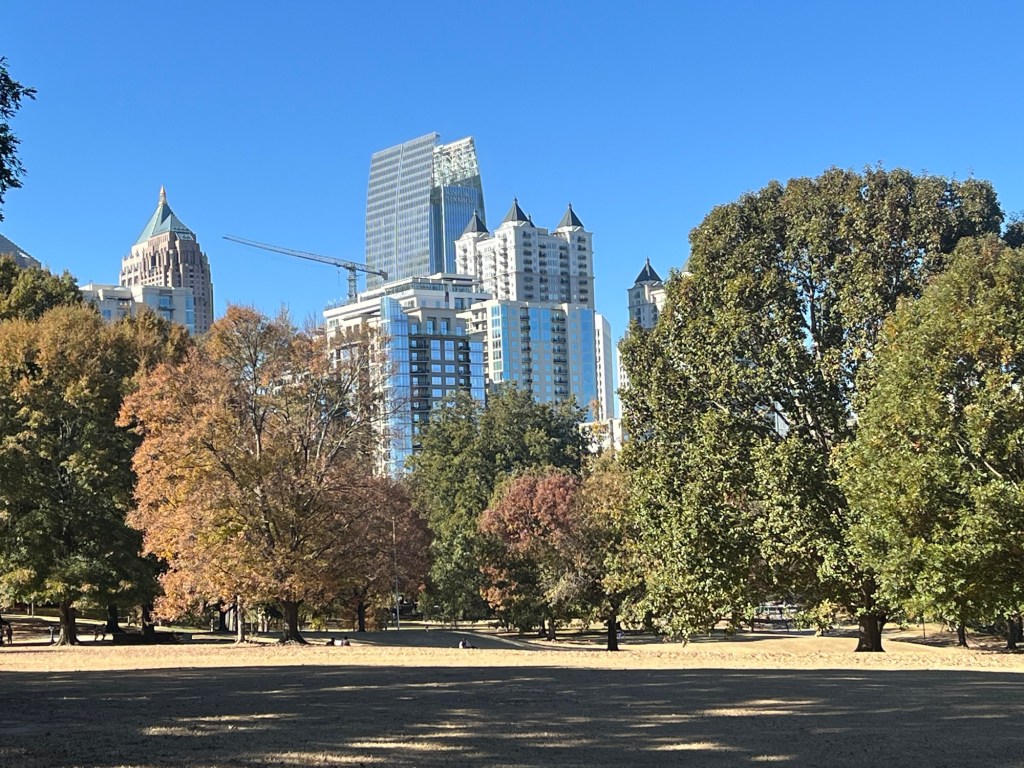
DAILY PHOTO: Trees & Towers, Piedmont Park Posted on November 14, 2025 by B Gourley Reply Share on Facebook, Twitter, Email, etc. Print (Opens in new window) Print Share on WhatsApp (Opens in new window) WhatsApp MoreShare on TumblrTweet Share on Reddit (Opens in new window) Reddit Email a link to a friend (Opens in new window) Email Like Loading...