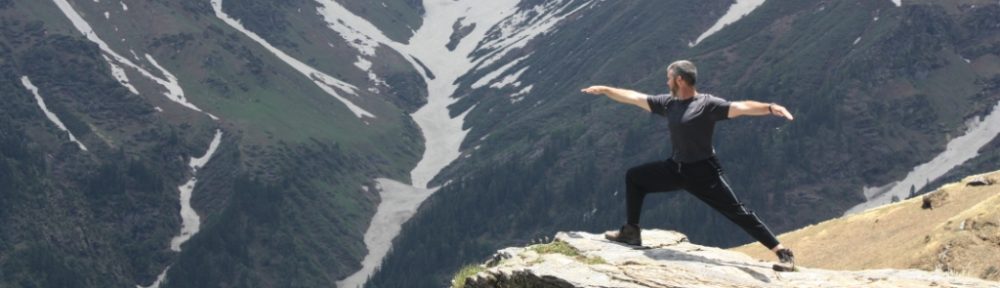
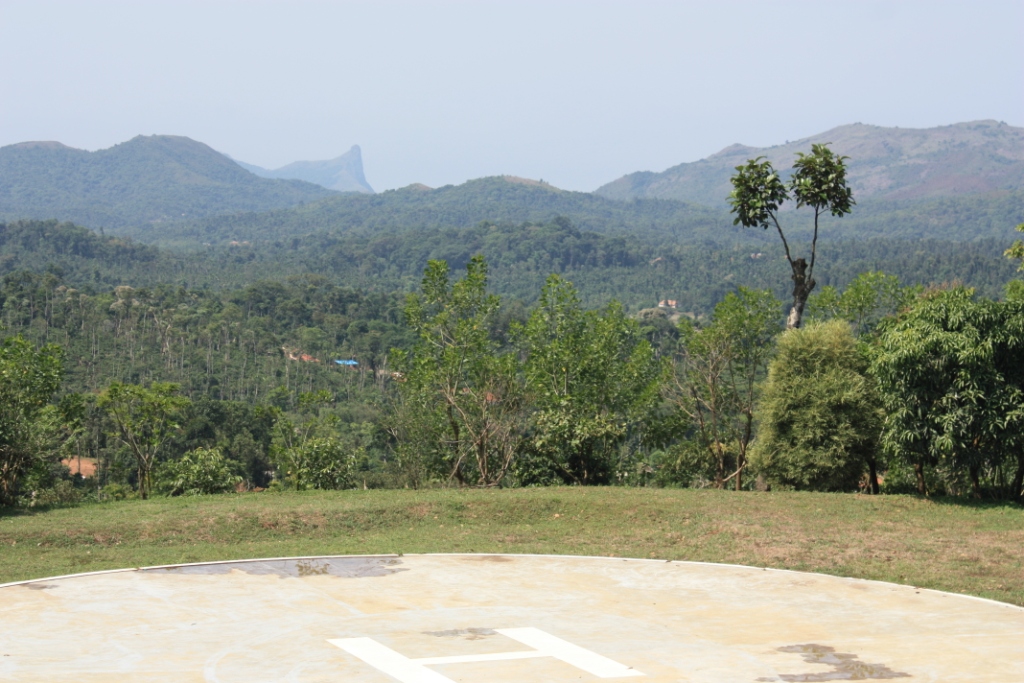
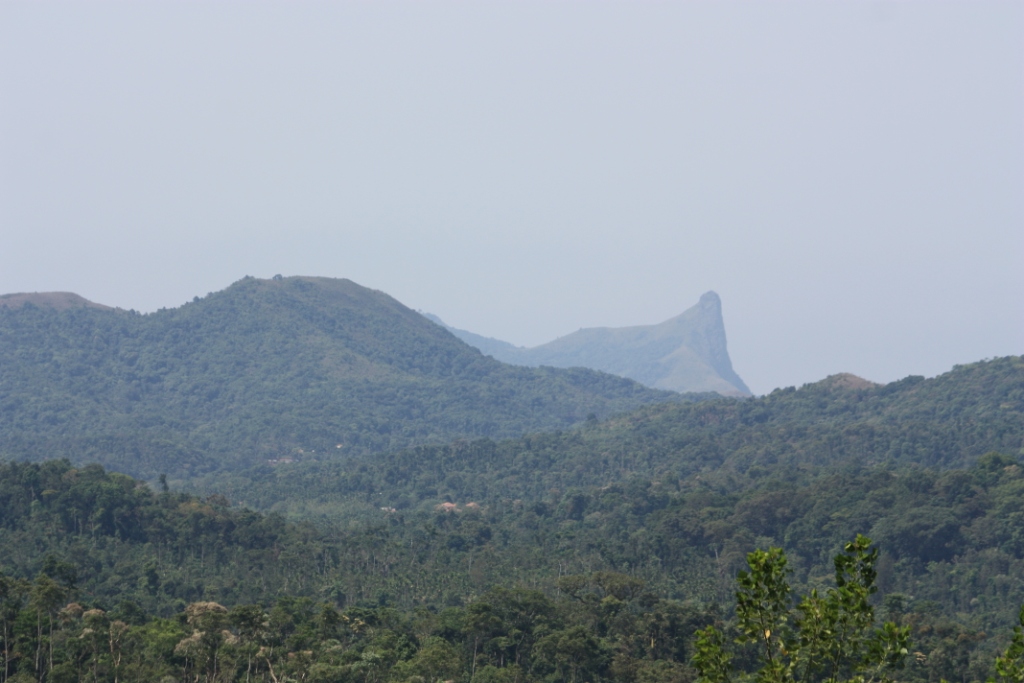
DAILY PHOTO: Overlooking Achutaraya

Taken in March of 2014 in Hampi

Taken in March of 2014 in Hampi

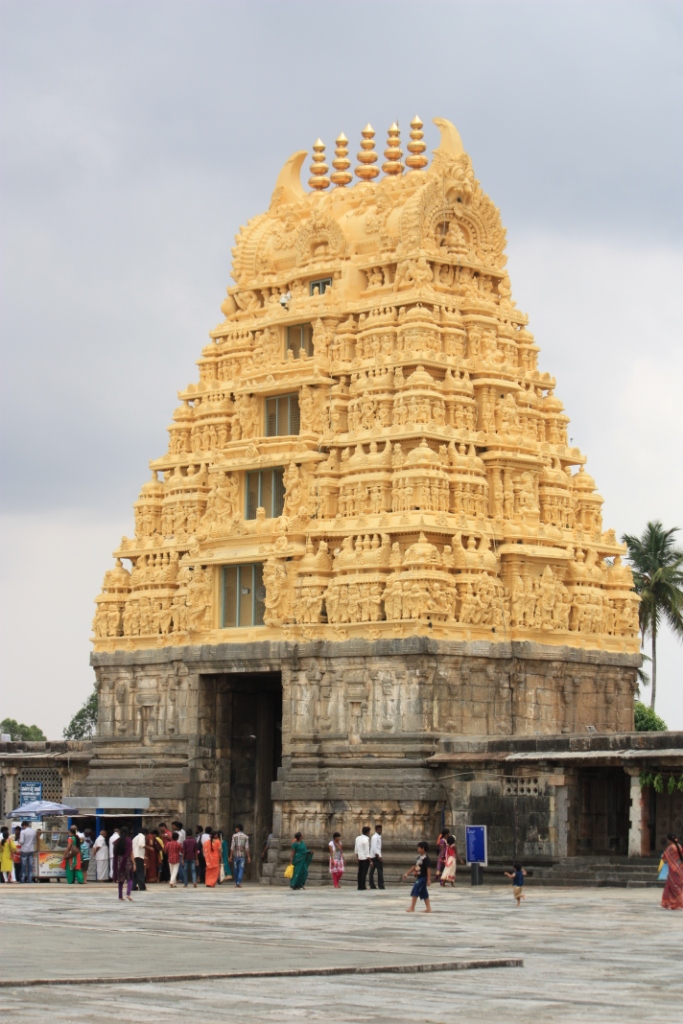
DAILY PHOTO: Temple Excavation

Taken in July of 2014 in South Karnataka

Taken in July of 2014 in South Karnataka

DAILY PHOTO: Octagonal Room of Pillars

Taken in November of 2013 at Agra Fort

Taken in November of 2013 at Agra Fort

This photo was taken at Agra Fort, and I believe was in the Jehangiri Mahal.

DAILY PHOTO: Indo-Islamic Lattice Window

Taken in November of 2013 at Fatehpur Sikri.

Taken in November of 2013 at Fatehpur Sikri.

This elaborate lattice is carved out of white marble. It’s part of the Tomb of Salim Chishti, a Sufi saint, and is located on the grounds of the Jama Masjid (Mosque) at Fatehpur Sikri.

DAILY PHOTO: Rainy Day Playground

Taken in March of 2014 in Munnar

Taken in March of 2014 in Munnar

It was a damp and dreary day, but colorful nonetheless.

DAILY PHOTO: Romaneenart Park Gate

IMG_2095

Taken in Bangkok (Chinatown) in September of 2014.

DAILY PHOTO: Wat Arun

Taken in September of 2014 in Bangkok

Taken in September of 2014 in Bangkok

DAILY PHOTO: Swami Vivekananda in CMH Park

Taken on October 25, 2014 in CMH Park, Indiranagar, Bangalore.

Taken on October 25, 2014 in CMH Park, Indiranagar, Bangalore

Swami Vivekananda is one of India’s most famous yogis, though he lived only to the age of 39 and died about 112 years ago. Considering his short life, he was quite prolific and wrote a number of important texts on yoga. He was also instrumental in introducing yoga to the Western world. He was the chief disciple of Ramakrishna, and founded the Ramakrishna Maths and Missions. His name and image are ubiquitous throughout India.

DAILY PHOTO: Pure Veg Elephant

Taken October 3, 2014 in Mysore.

Taken October 3, 2014 in Mysore.

I took this at the Dasara Flower and Garden Show in Mysore. The elephants were mostly constructed of peppers.

BOOK REVIEW: The Essential Guide to Being Hungarian Ed. by Istvan Bori

The Essential Guide to Being Hungarian: 50 Facts and Facets of NationhoodThe Essential Guide to Being Hungarian: 50 Facts and Facets of Nationhood by ISTVAN BORI

My rating: 4 of 5 stars

Amazon page

This book is a collection of 50 short essays on various topics (origins, history, arts, sciences, products, and entertainment) as they relate to Hungary and Hungarian-ness. There isn’t a great deal of depth to most of the essays, and so this isn’t the book for someone who is well-acquainted with Hungary and Hungarians and wants a deep level understanding. However, it would be a very useful and easily digested resource for travelers visiting Hungary who want insight into this smallish nation with its very long history. For those familiar with Hungary, this nation has a national character that is quite unique and which is characterized by intelligence, solitariness, and a certain variety of gloominess.

Hungary has had a much larger impact on the world than either its size would suggest, or than most of the world recognizes. Famously, the Manhattan Project, which produced the first atomic bomb, wouldn’t have achieved success in such a rapid timeframe—if at all–if it weren’t for a slate of Hungarian-educated scientists including Edward Teller, Leo Szilard, Eugene Wigner, and Jon Von Neumann. Few of his peers would have disputed the statement that Von Neumann was the smartest person on the planet during his day. Challenging explosives calculations that made the atomic bomb possible are just part of a legacy that also included being the father of game theory–an approach to strategic interactions that is in widespread use in Economics and the social sciences today.

There are some areas in which Hungary has certain niche. For example, while Hungary might not be thought of as an athletics powerhouse, generally speaking, the Hungarians dominate in the sport of water polo and are frequently strong contenders in some swimming events.

This book’s chapters are roughly organized, but not formally grouped, into alike topics. For example, foods, beverages, spices, and desserts are all one after the other. Various history topics are presented together, and the same is true of the arts. Some of the chapters are on much more concrete topics than others. For example, there are chapters on “Fate” and “Soul” up front that are more conceptual than the average chapters. As I indicated, this is a collection of essays by various authors, and that means that there’s not a solitary tone and approach throughout the book. However, there was a single chief editor, and so the chapters aren’t distractingly disparate either.

I believe the book was unfortunately named. “The Essential Guide to Being Hungarian” makes it sound as if this would be a perfect gift for the children of emigrants, i.e. people who’ve visited the country and spent time around Hungarians, but who want to learn more about their native culture. It probably doesn’t give enough depth and new information for such people. For example, the chapters on cuisine talk about pogácsa and gulyas (i.e. goulash), and don’t delve into the exotic, but rather stick with the everyday cuisine with which any visitor to Hungary will already be familiar. On the other hand, tourists and travelers for whom this book might be ideal could be led astray, thinking the book is offering them more depth than they want, need, or can reasonably digest. That being said, there are chapters on niche subjects such as “contemporary writers” or “folk dancing” from which even a veteran visitor to Hungary might pick up something new.

I’d recommend this book–particularly for those who haven’t yet spent a great deal of time in Hungary or who work or interact with Hungarians and want more insight into their nature. Each essay is short and easily digested.

View all my reviews