Scorn not the Sonnet; Critic, you have frowned,
  Mindless of its just honours; with this key
  Shakespeare unlocked his heart; the melody
  Of this small lute gave ease to Petrarch's wound;
 A thousand times this pipe did Tasso sound;
  With it Camöens soothed an exile's grief;
  The Sonnet glittered a gay myrtle leaf
  Amid the cypress with which Dante crowned
 His visionary brow: a glow-worm lamp,
  It cheered mild Spenser, called from Faery-land
  To struggle through dark ways, and, when a damp
  Fell round the path of Milton, in his hand
 The thing became a trumpet; whence he blew
 Soul-animating strains -- alas, too few!
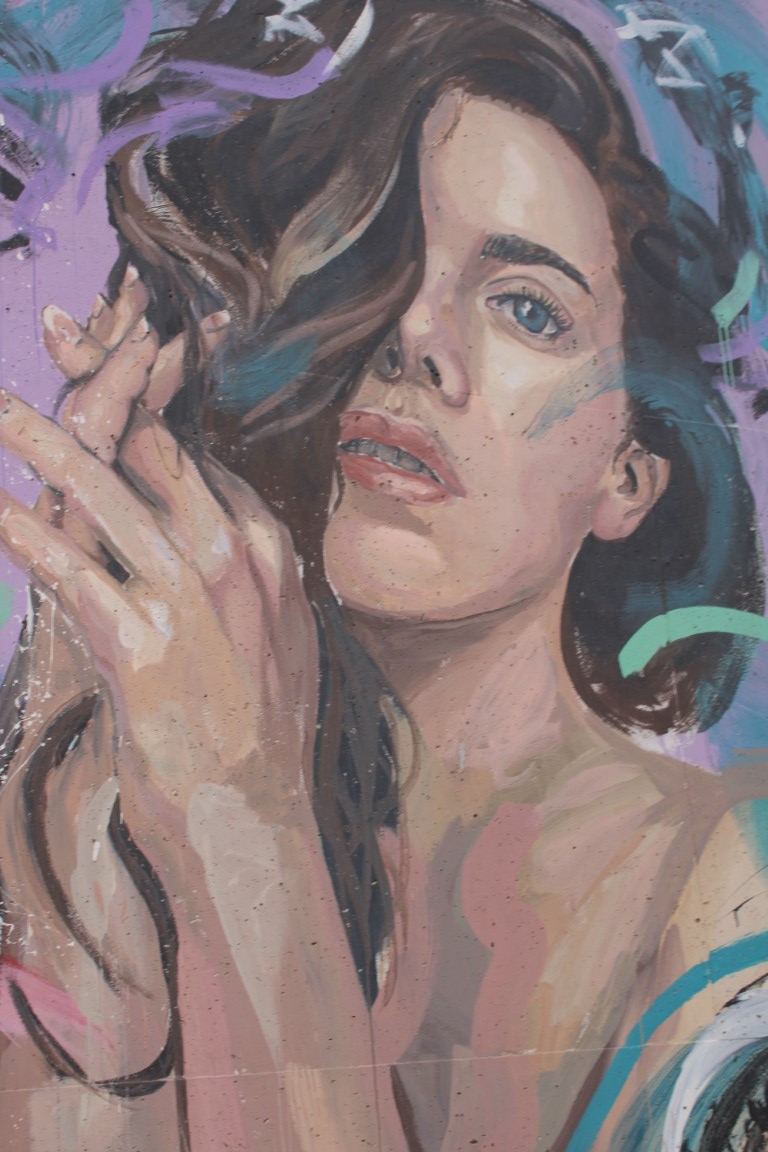
Mine eye hath play'd the painter and hath stell'd
  Thy beauty's form in table of my heart;
  My body is the frame wherein 'tis held,
  And perspective it is best the painter's art.
 For through the painter must you see his skill
  To find where your true image pictur'd lies,
  Which in my bosom's shop is hanging still,
  That hath his windows glazed with thine eyes.
 Now see what good turns eyes for eyes have done:
  Mine eyes have drawn thy shape, and thine for me
  Are windows to my breast, wherethrough the sun
  Delights to peep, to gaze therein on thee.
    Yet eyes this cunning want to grace their art;
    They draw but what they see, know not the heart.
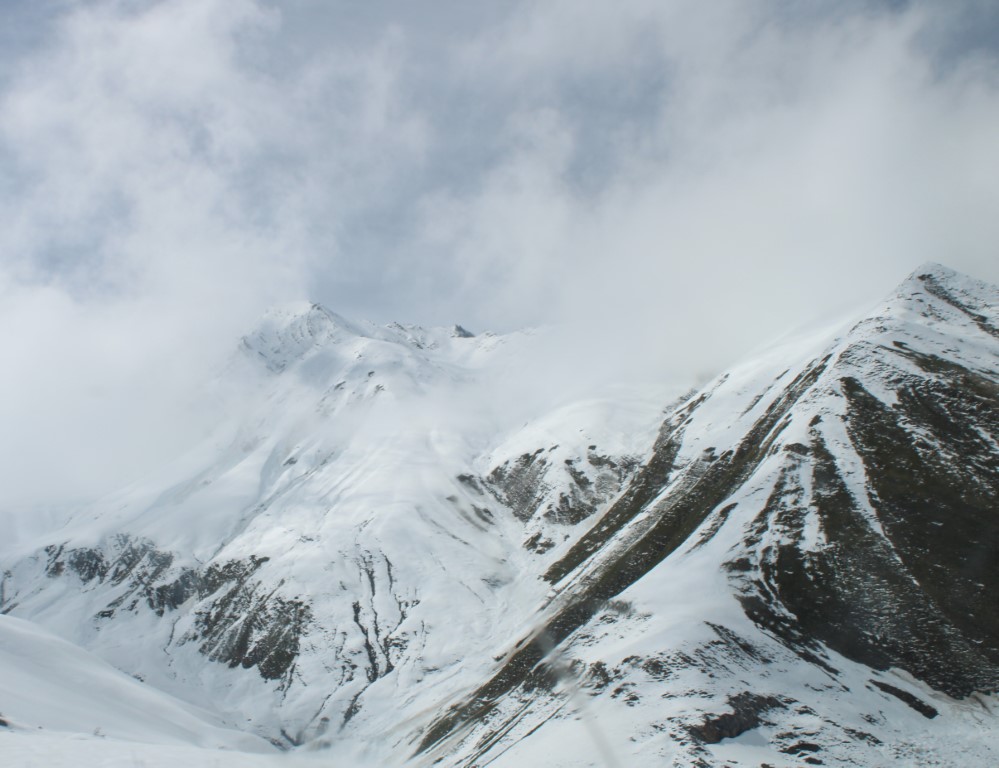
No hawk hangs over in this air:
 The urgent snow is everywhere.
 The wing adroiter than a sail
 Must lean away from such a gale,
Abandoning its straight intent,
 Or else expose tough ligament
 And tender flesh to what before
 Meant dampened feathers, nothing more.

Forceless upon our backs there fall
 Infrequent flakes hexagonal,
 Devised in many a curious style
 To charm our safety for a while,
   Where close to earth like mice we go
   Under the horizontal snow.
When my love swears that she is made of truth,
 I do believe her, though I know she lies,
 That she might think me some untutored youth,
 Unlearned in the world's false subtleties.
Thus vainly thinking that she thinks me young,
 Although she knows my days are past the best,
 Simply I credit her false-speaking tongue:
 On both sides thus is simple truth suppressed.
But wherefore says she not she is unjust?
 And wherefore say not I that I am old?
 Oh, love's best habit is in seeming trust,
 And age in love loves not to have years told.
   Therefore I lie with her and she with me,
   And in our faults by lies we flattered be.
Love is not all: it is not meat nor drink
 Nor slumber nor a roof against the rain;
 Nor yet a floating spar to men that sink
 And rise and sink and rise and sink again;
Love can not fill the thickened lung with breath,
 Nor clean the blood, nor set the fractured bone;
 Yet many a man is making friends with death
 Even as I speak, for lack of love alone.
It well may be that in a difficult hour,
 Pinned down by pain and moaning for release,
 Or nagged by want past resolution's power,
 I might be driven to sell your love for peace,
Or trade the memory of this night for food.
 It well may be. I do not think I would.
To me, fair friend, you never can be old,
   For as you were when first your eye I eyed,
   Such seems your beauty still. Three winters cold
   Have from the forests shook three summer's pride,
 Three beauteous springs to yellow autumn turned
   In process of the seasons have I seen,
   Three April perfumes in three hot Junes burned,
   Since first I saw you fresh, which yet are green.
 Ah, yet doth beauty, like a dial-hand,
   Steal from his figure, and no pace perceived;
   So your sweet hue, which methinks still doth stand,
   Hath motion, and mine eye may be deceived:
 For fear of which, hear this, thou age unbred:
   Ere you were born was beauty's summer dead.
In the long, sleepless watches of the night,
 A gentle face -- the face of one long dead --
 Looks at me from the wall, where round its head
 The night-lamp casts a halo of pale light.
Here in this room she died; and soul more white
 Never through martyrdom of fire was led
 To its repose; nor can in books be read
 The legend of a life more benedight.
There is a mountain in the distant West
 That, sun-defying, in its deep ravines
 Displays a cross of snow upon its side.
Such is the cross I wear upon my breast
 These eighteen years, through all the changing scenes
 And seasons, changeless since the day she died.
Let me not to the marriage of true minds
 Admit impediments; love is not love
 Which alters when it alteration finds,
 Or bends with the remover to remove.
O no, it is an ever-fixed mark
 That looks on tempests and is never shaken;
 It is the star to every wand'ring bark
 Whose worth's unknown, although his height be taken.
Love's not time's fool, though rosy lips and cheeks
 Within his bending sickle's compass come.
 Love alters not with his brief hours and weeks,
 But bears it out even to the edge of doom:
  If this be error and upon me proved,
  I never writ, nor no man ever loved.
My mistress' eyes are nothing like the sun;
 Coral is far more red than her lips' red;
 If snow be white, why then her breasts are dun;
 If hairs be wires, black wires grow on her head.
I have seen roses damasked, red and white,
 But no such roses see I in her cheeks;
 And in some perfumes there is more delight
 Than in the breath that from my mistress reeks.
I love to hear her speak, yet well I know
 That music hath a far more pleasing sound;
 I grant I never saw a goddess go;
 My mistress, when she walks, treads on the ground.
   And yet, by heaven, I think my love as rare
   As any she belied with false compare.











 Tiger Riding for Beginners