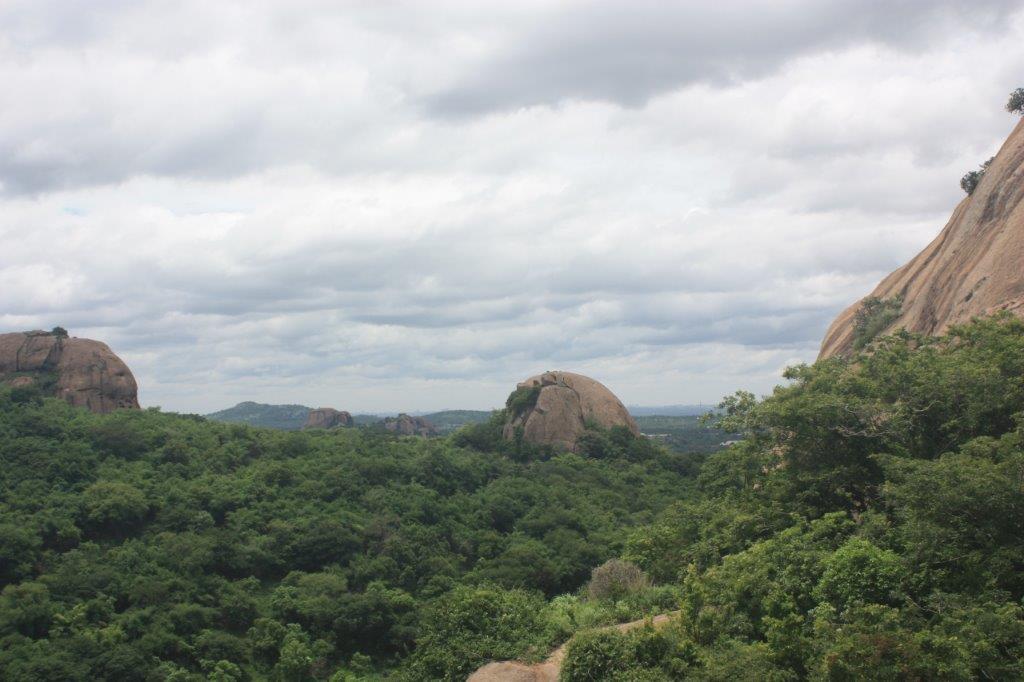
DAILY PHOTO: Granite Lumps Under Monsoon Skies, Ramanagara

Image

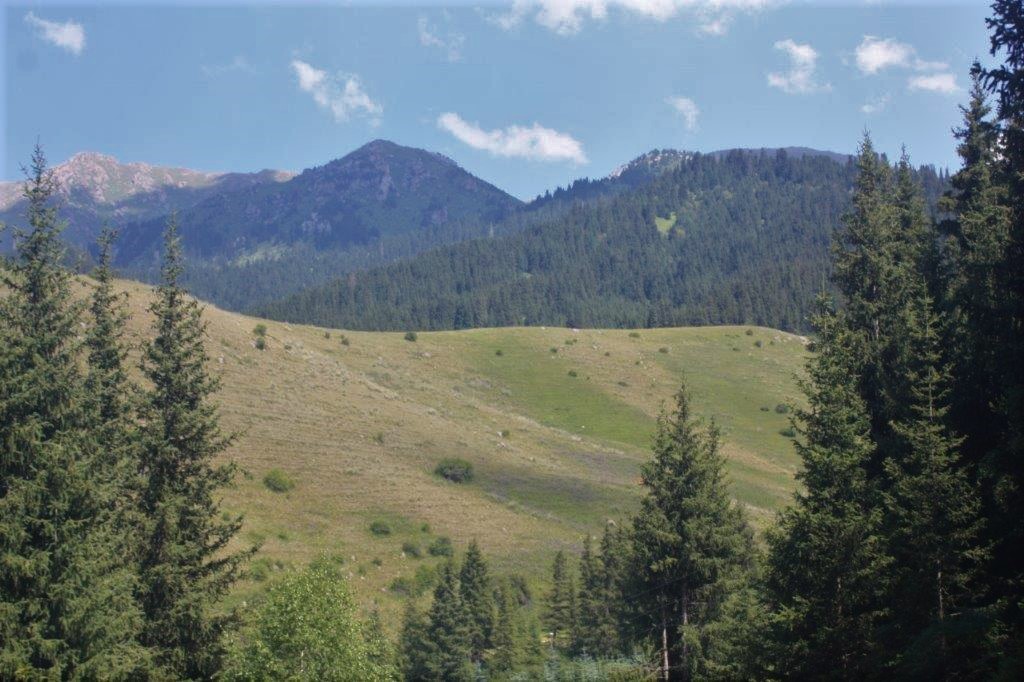
DAILY PHOTO: In Karakol National Park

Image

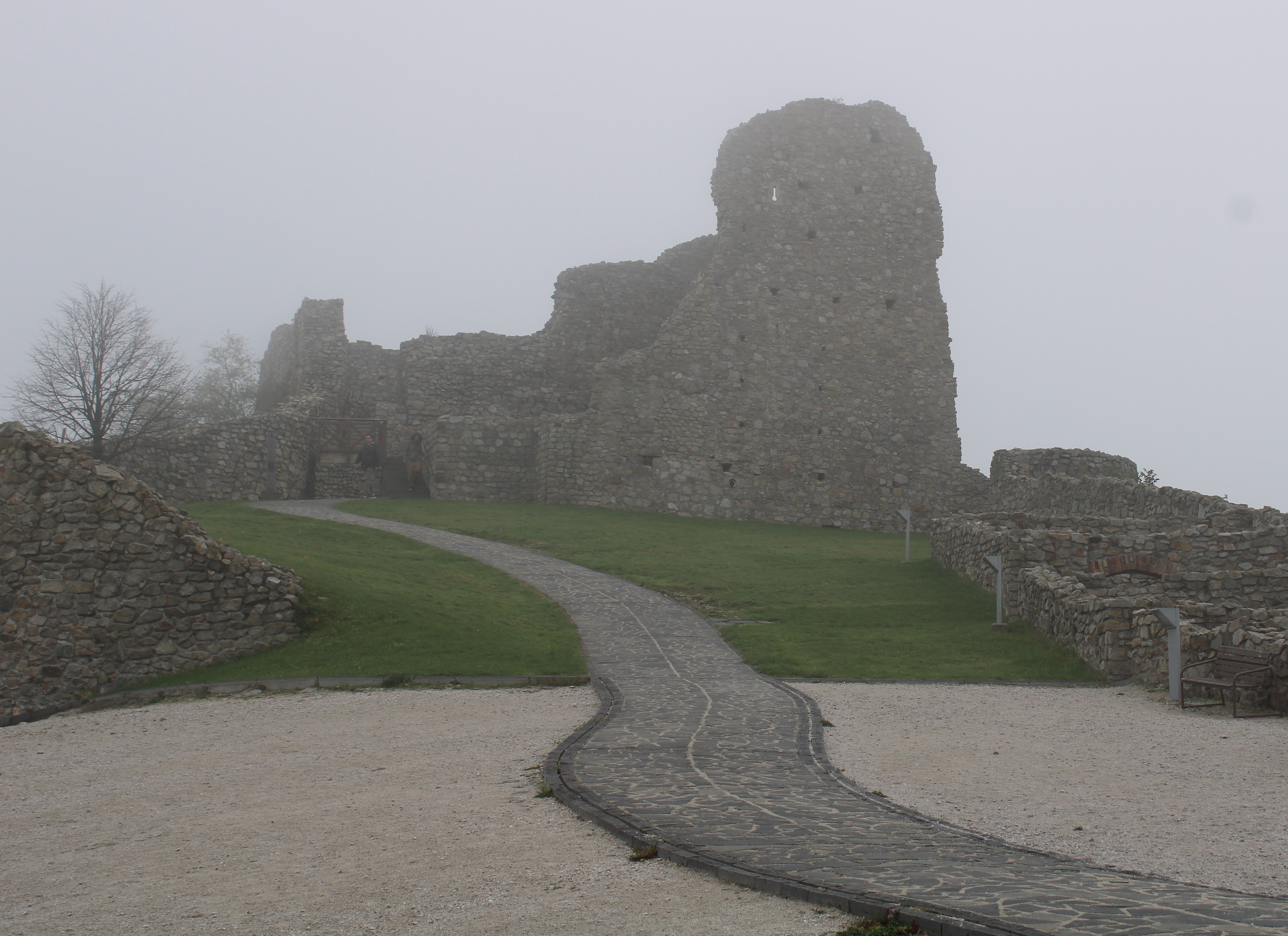
DAILY PHOTO: Scenes from a Foggy Day at Devin Castle

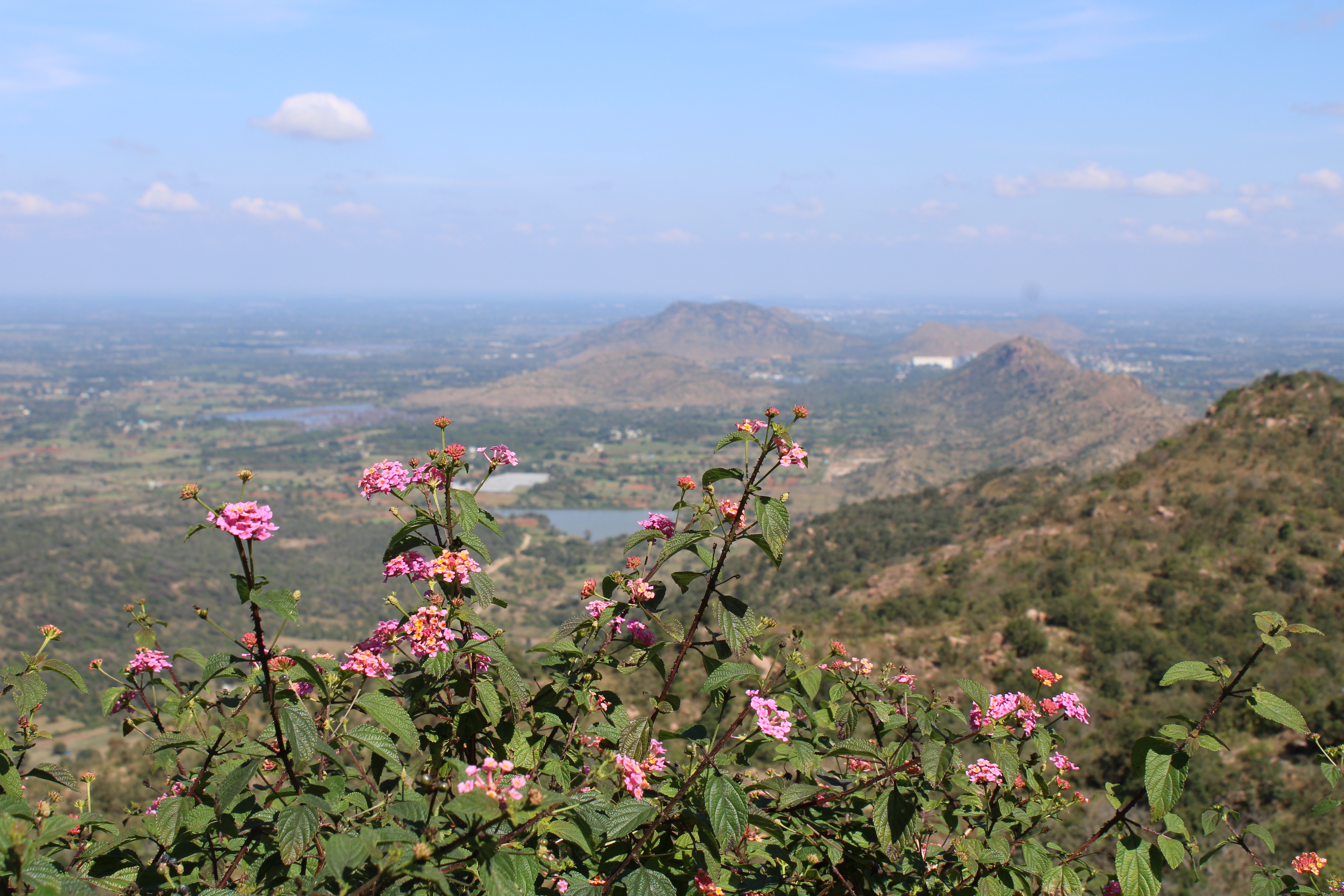
DAILY PHOTO: Flowers & Hills, Makalidurga

Image

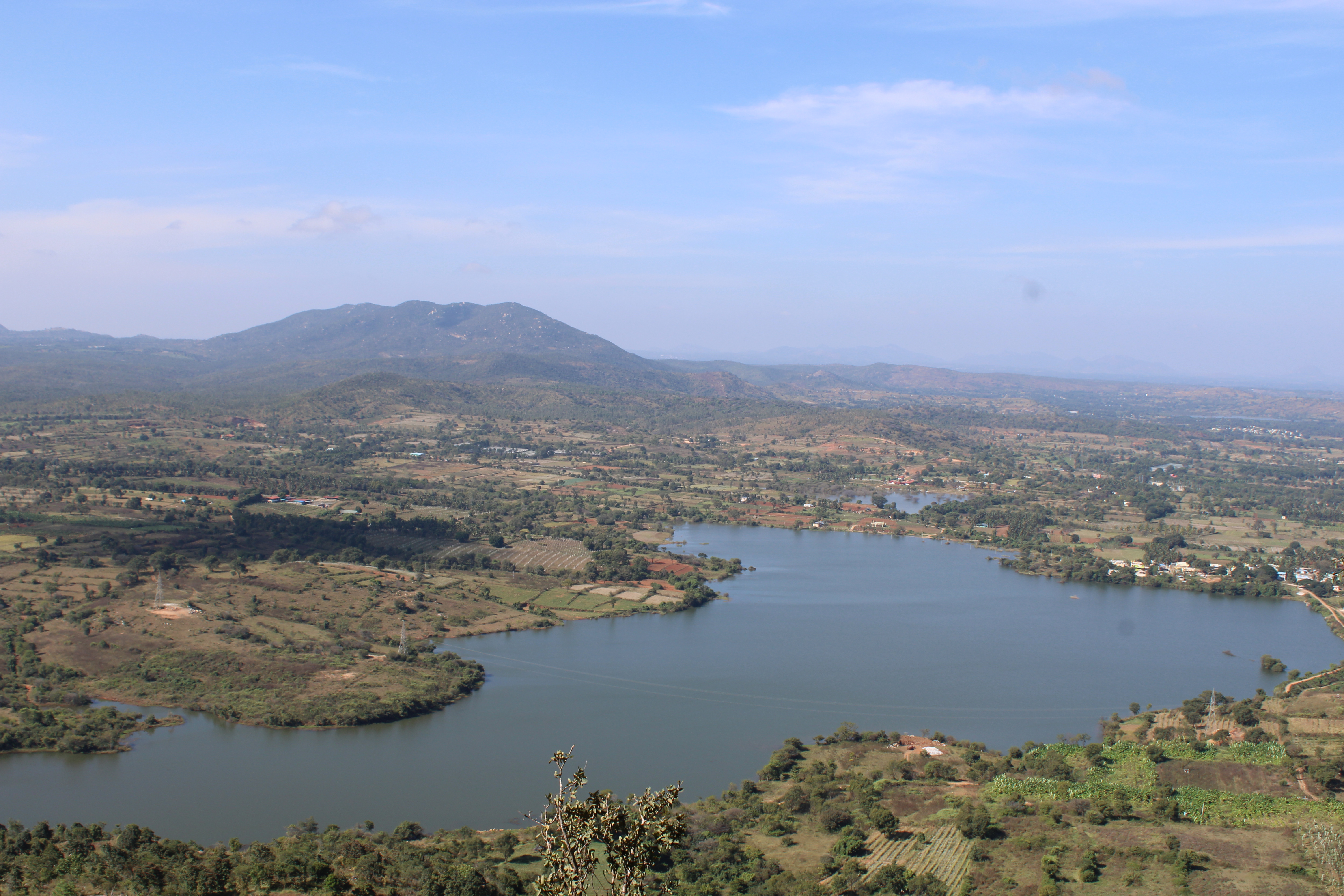
DAILY PHOTO: Gundamagere Lake from Makalidurga Hill

Image

DAILY PHOTO: Makalidurga Cliffside

Taken on December 3, 2022 in Karnataka, India

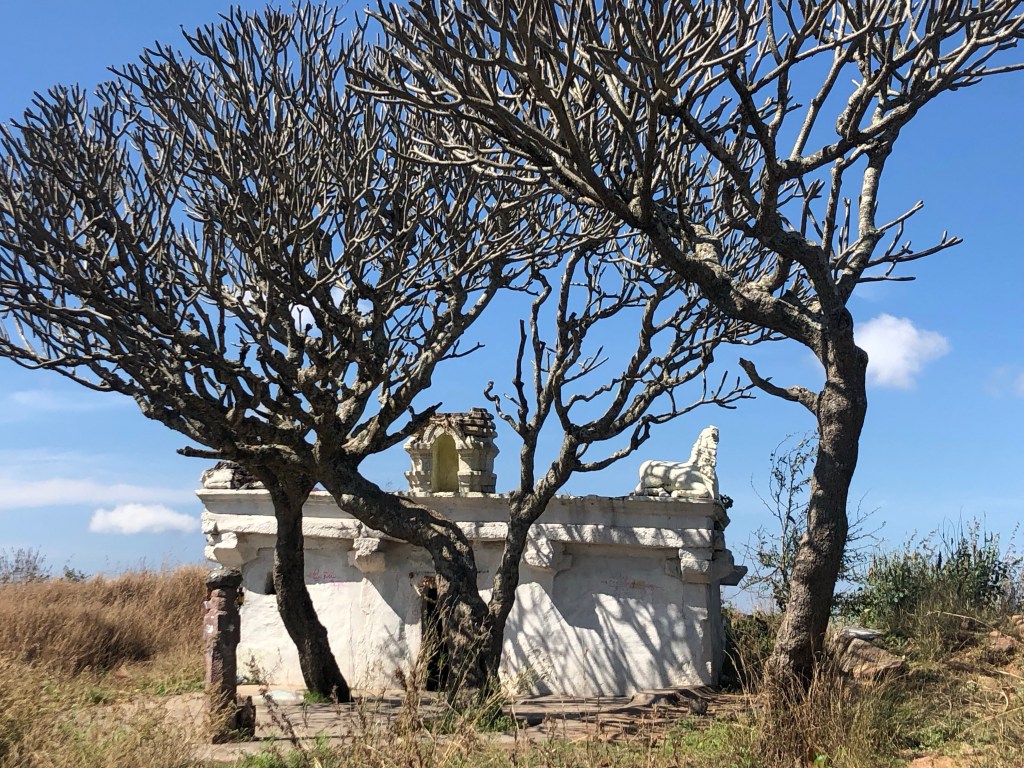
DAILY PHOTO: Makalidurga

Taken on December 3, 2022 at Makalidurga

I’ve Never Been Lost in the Woods [Sonnet]

I've never been lost in the woods,
though I've been lost so many times.
I've been lost in my neighborhood,
and I've been lost within my mind. 

You say the trees look all the same.
I say that's some speciesist shit.
No. I don't know the trees by name,
but that doesn't matter a whit.

I've never been lost in the woods:
lost means wishing to be elsewhere.
Lost is all about "woulds" and "coulds."
But I'm not lost if I don't care:

don't care I don't know this exact spot,
'cause I know precisely where I'm not!

Autumn Afternoon [Haiku]

autumn afternoon.
the sun penetrates deeply,
feeding the grass

BOOK REVIEW: How to Read the Wilderness by the Nature Study Guild

How to Read the Wilderness: An Illustrated Guide to the Natural Wonders of North AmericaHow to Read the Wilderness: An Illustrated Guide to the Natural Wonders of North America by Nature Study Guild
My rating: 4 of 5 stars

Amazon.in Page

Release Date: November 22, 2022

This illustrated guide is designed to help readers learn some of the most prolific trees, plants, animals, birds, coastal life forms, and night sky constellations of North America. For plant [and in some cases animal] identification, the book uses a handy flowchart method that asks questions, sending the reader to an appropriate marker depending upon the answer. For wildlife identification, it uses descriptions of not only the animal, but skeletal remains, scat, and tracks. It also gives alternate names and asterisms for constellations.

The pros of this book include: 1.) it focuses on the most common elements and doesn’t get bogged down trying to be all-inclusive; 2.) it uses a flow charts, diagrams, and drawings successfully to do much of the heavy lifting.

The downsides of the book are: 1.) it seems be much more Western US-centric, and often treats everything East of the Rockies as a single zone (not to mention minimal discussion of Canada or Mexico – so maybe it should be thought of more as a US guide;) 2.) in trying to be text-minimal, it occasionally states things in a way that lacks clarity.

If you want to get a basic understanding of the elements of nature for the United States, this book is worth investigating. It’s young reader friendly, but not exclusively so.


View all my reviews