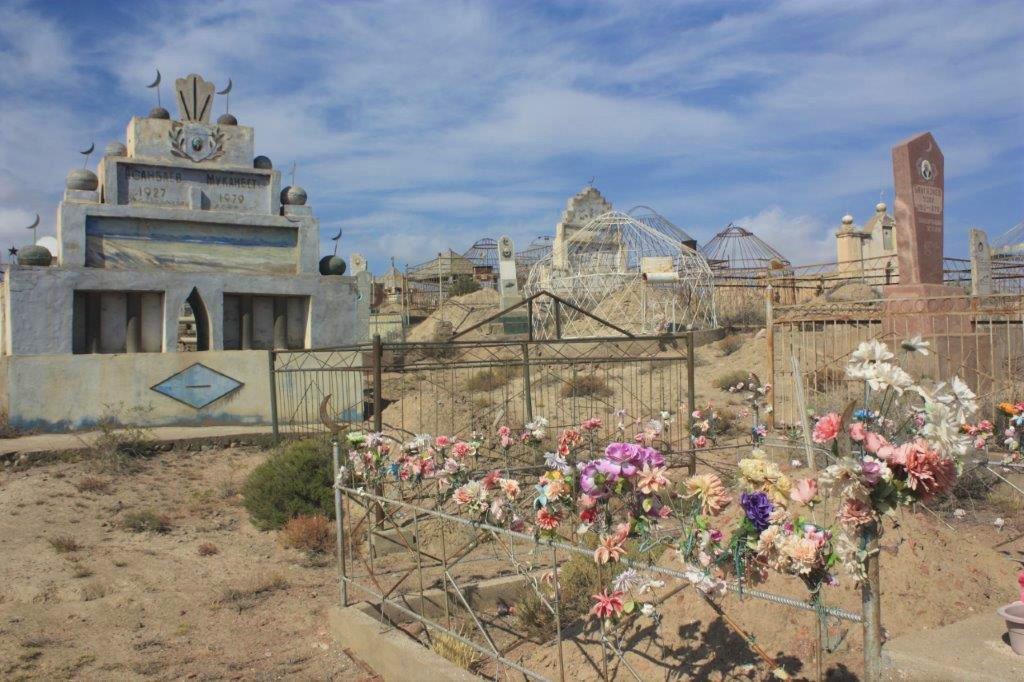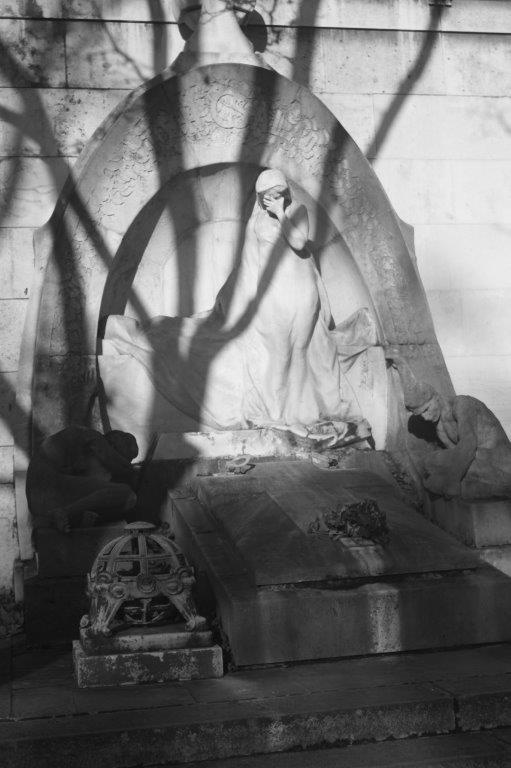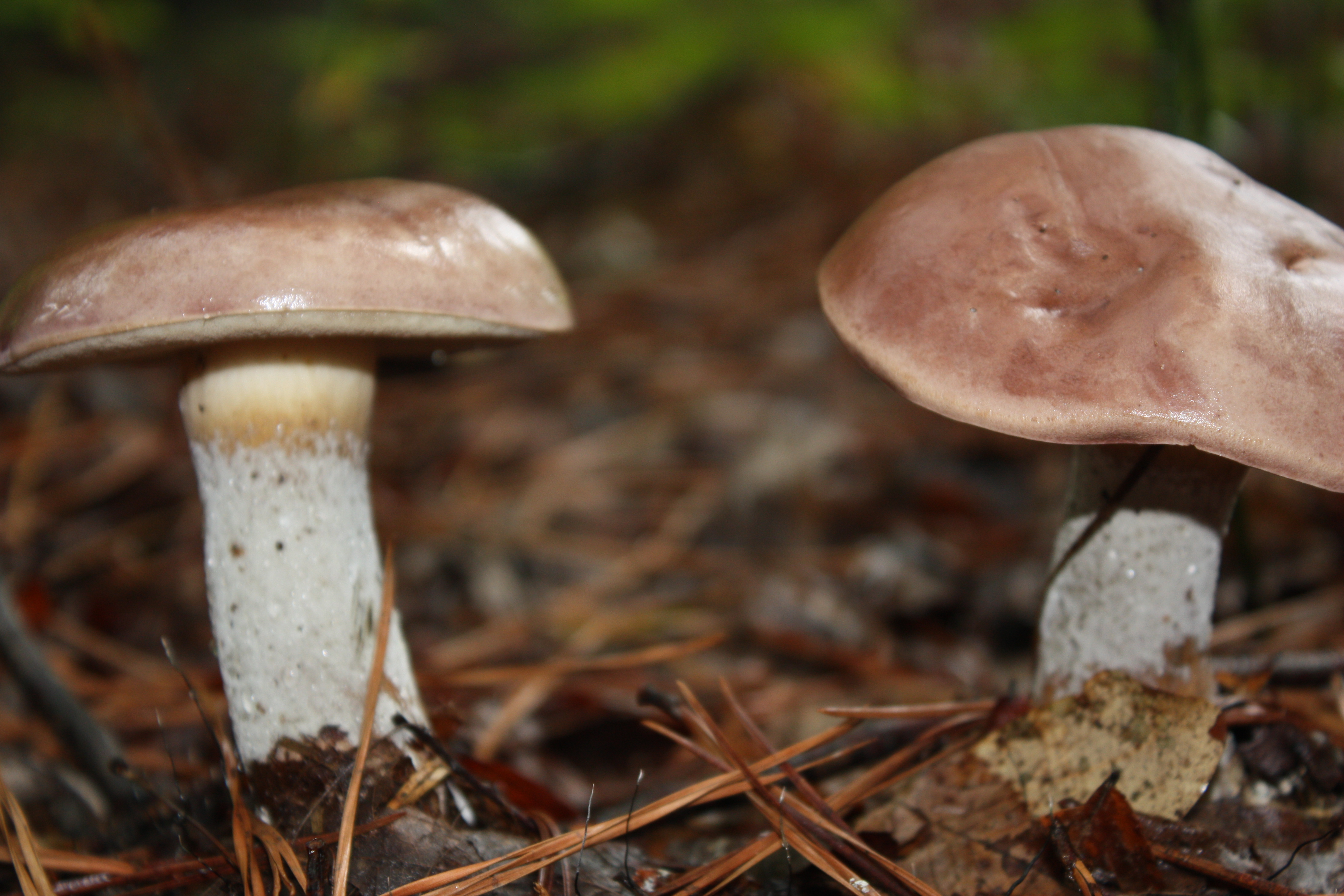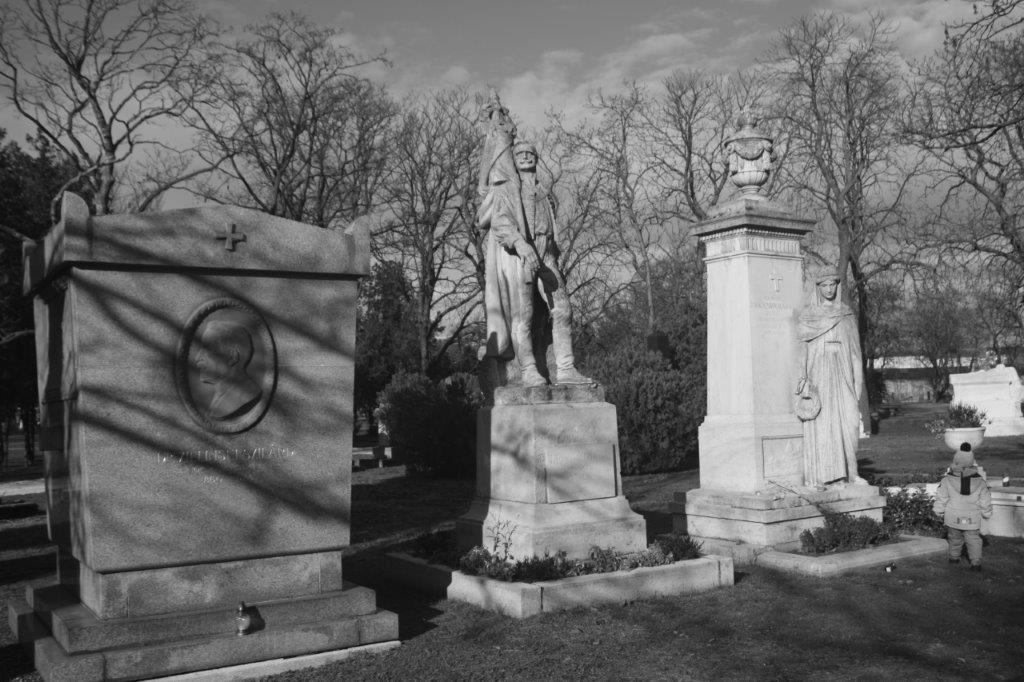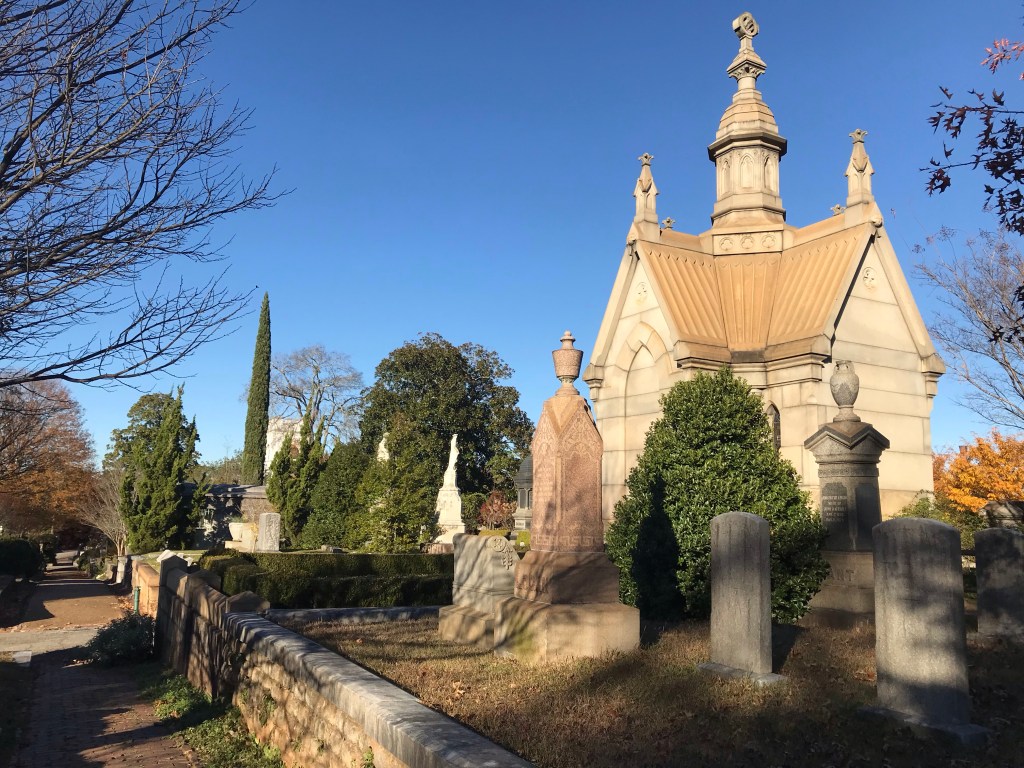
In death, I'm a recyclable, my gut biome will gnaw its way out of me like Ripley's Alien - if on a microscopic scale. Agents of the Destroyer will turn my tissues into food bits to feed some other animal. Yes, I am inescapably animal - inescapably in transformation from living to not... This may seem morose, but is it? He who can imagine a dog cracking open his bones to eat away all the marrow -- without an inner cringe, or wince -- is a person who knows freedom.
Category Archives: Death
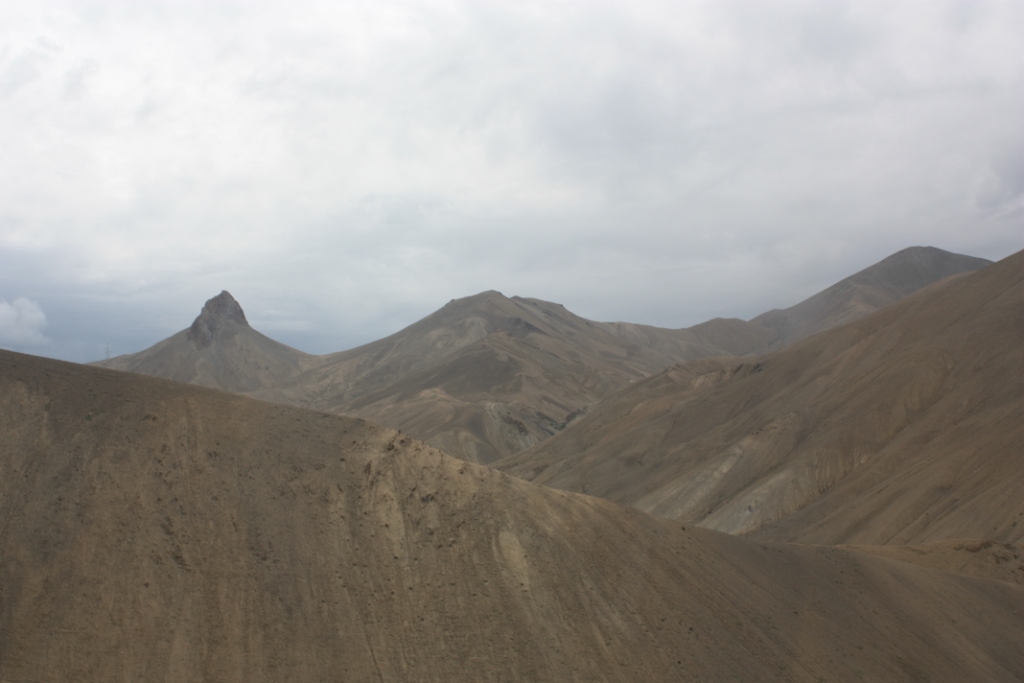
Sky Burial [Tanka]
POEM: We Are The Dead
There are those who hold marked places, and those whose place is in the sky. Most have long forgotten faces, and a few never said goodbye. There are those who rose in thick smoke, from fires whose flames were fanned by hand and cautiously, carefully stoked while, to the last coal, they were manned. There are those whose stones grew mossy - keepers now buried at their side. And those with headstones so glossy who've only just finished their ride. And all will vanish in due time, there's only the fortunes to say whose tales will be told at bedtimes, and who will vanish to smoke gray.
POEM: Funeral Suit
Worn one more time than the number of funerals you attend,
that black suit hangs forgotten — yet dreaded.
It hangs dusty in a closet,
or musty in a bag;
and you’re most listless when it has
a crisp dry cleaning tag.
In good years, it never crosses your path — or your mind.
In bad years, it’s needed repeatedly.
There will be a year in which someone will pull it out for you —
carefully smoothing its lapels —
the year you move beyond bad years.
POEM: Wandering Off to Die
And when the darkness looms
we wander on our way
deep into the forest
and from the path we stray.
A lonely way to go?
I’m not sure I agree.
No lonelier than a bed
far from the nearest tree.
Not blocked from the agents
of Death or of Decay —
perhaps, we feel the Web
more than the fear of prey
as we stagger that last mile.
POEM: Saved by the Breath [a Rondeau]
My mind curls up into a Breath
to wait out wild and weary thoughts
about who catches and who’s caught
and what is scarier than Death.
A toothless youth whacked-out on Meth —
all roads to hope come but to naught.
My mind curls up into a Breath
to wait out wild and weary thoughts
of men who went the way, Macbeth —
costly made, and yet cheaply bought —
iron-forged, but ambition wrought —
a shapeless agony of Death.
My mind curls up into a Breath.
POEM: Buzz – Buzz
POEM: Death & Nature
Don’t bother to bury or burn my body —
just let my bones bleach white.
Throw me in a hole in the jungle —
food for wild dogs, worms, and germs.
Nature’s truth —
a truth painful only to humans —
is that in life we are all consumers,
and in death we are all food.
In nature’s view,
big brains put us no closer to the feet of gods
than does the ancient memory of trees,
the octa-ambidexterity of an octopus,
or the network optimization of fungal mycelia.
We are all both consumer & food.
BOOK REVIEW: How To Make a Zombie by Frank Swain
How to Make a Zombie: The Real Life (and Death) Science of Reanimation and Mind Control by Frank Swain
My rating: 5 of 5 stars
The title of this book might lead you to believe that it’s either frivolous or that it’s an examination of a successful sci-fi subgenre. In fact, the book presents some serious (if disturbing, and often unsuccessful) science on two concepts that are disparate except by way of analogy of the Zombie – the brain-obsessed walking undead popularized in film and fiction. Those two ideas are: 1.) how definitive of a state is death, can people be brought back from it, and – if so – under what conditions and at what costs? 2.) is it possible to completely usurp an individual’s will, and – if so – by what means?
The book consists of seven chapters that are topically organized. The first chapter introduces the idea of Zombies, discussing early reporting on them from interested parties visiting the cane fields of the Caribbean. But it also delves into the idea of how drugs and freezing might create temporary death (or the appearance of death) from which individuals can be [partially or fully] successfully roused.
Chapter two explores the history of research about how to bring a deceased person back from the dead. Squeamish readers should be forewarned there is discussion of such things as partial dogs (i.e. the head end) being temporarily revived. The book touches on various ideas related to resuscitation. There is a discussion of one researcher’s study of katsu, techniques used in judo and jujutsu to revive an individual who has lost consciousness [or worse.] Near Death Experiences [NDE] and Out-of-Body [OoB] are also covered. These strange phenomena reported by revived individuals are too common to ignore, but — while they are often presented as evidence of an afterlife and /or the divine, there’s little reason to believe that they aren’t perfectly natural phenomena. [e.g. Neuroscientists are able to induce an OoB with a carefully placed electrode.]
Chapter three shifts gears from the question of death and resuscitation to the one of mind control. While the bulk of the chapter is devoted to pharmaceutical approaches to mind control, it also examines mind control by other means – e.g. authority as an agent of mind control as seen in the famous Milgram experiments, as well as hypnosis. Most of the drug related sections deal with psychedelics (and their naturally occurring precursors.) Swain describes the CIA’s varied shenanigans with LSD in MK-Ultra, Operation Midnight Climax, and the Frank Olsen death. [Long story short, you can’t control someone’s mind with psychedelics, but you can still achieve some despicable ends.]
Chapter four continues the exploration of mind control, but focuses on more invasive approaches — from lobotomies to electro-stimulation. Of course, even as these procedures got more sophisticated, they could still only reliably make vegetables.
If you think the history of lobotomies from chapter four was as scary as it can get, I’ve got news for you. Chapters five and [particularly] six are the ones that I found both the most fascinating and by far the most terrifying. These chapters, together, uncover how mind control is achieved in the natural world by parasitic creatures. Clearly, if there is any risk of successfully taking over a human will, it will not be with doses of Acid or icepicks stuck in the brain, it will be from figuring out how some of nature’s parasitic masters of mind control do it and copying from their playbooks.
Chapter five discusses wasps and fungi that successful take over their [fortunately non-human] hosts. I wasn’t familiar with how many mind-controlling wasps there are, but I had heard of the fungus, Ophiocordyceps unilateralis. Said fungus infects an ant, steers it up into a tree, forces it to secure itself by locking in its mandibles onto a branch, and then the fruiting body blooms out of the ant’s frickin’ scull. It’s chapter six, however, where things really get creepy. There’s an extended discussion of rabies, but the wildest part was a discussion of Toxoplasma gondi. T. gondi likes to infect cats, but if it can’t find a cat, it’ll infect a rodent and selectively (not only turn off the rat’s fear of cats but also) make the rat attracted to cats. What’s fascinating is that all of the rat’s other usual fears remain intact (bright lights, sharp noises, etc.)
The last chapter is on the various intriguing things that happen after a person dies — from cannibalism to organ harvesting. I think the most interesting discussion to me, however, was one about keeping a brain-dead accident victim alive long enough that her baby could live to term within her. (There was also an intriguing – if unnerving – case of a mother who wanted her deceased son’s sperm harvested.)
The book’s only graphics are black and white photos at the head of each chapter, but it is footnoted and has a chapter-by-chapter bibliography.
I found this book riveting. I learned a lot from it. The cases are presented in amusing and enthralling ways. If you are interested in the questions of what it means to be dead and how safe your free will is, this is an engrossing look at those subjects. I highly recommend it.
POEM: Corpse in Snow
When she saw a corpse in the snow,
fringed by a clear melt line,
she knew he’d lain there quite a while,
taking his time to die.
What’d you suppose he’d been thinking,
as breath clouds shrank to naught?
Did he wonder if death was better
when it was a fight you fought?
Maybe he was past such concerns,
and in his final hours,
he conjured into his mind a
field of spring wildflowers.
Maybe he’d moved beyond caring,
and just lie, feeling cold,
tuning into the clouds above
watching their shapes unfold.
No one could ever know such things,
so why did she so care?
That someone should, occurred to her,
was only right and fair.