BOOKS: “Sweet Hunter” by Teresa of Avila; Trans. by Dana Delibovi

Sweet Hunter: The Complete Poems of St. Teresa of Ávila (Bilingual Edition)Sweet Hunter: The Complete Poems of St. Teresa of Ávila by St. Teresa
My rating: 4 of 5 stars

Publisher Website

This is a bilingual collection of the poems of Teresa of Avila, one of history’s most influential Christian mystics, newly translated by Dana Delibovi. The collection contains about thirty poems, some ecstatic and some philosophic, in both English the original Spanish.

The book also offers an overall introduction and commentaries on each of the five sections by which the poems are grouped. This provides the reader, particularly a neophyte to the history and theology that inform these poems — such as myself — with background useful to better experiencing the poems. I do enjoy bilingual editions even when they are in a source language that I don’t read because they do allow some insight into rhyme, metering, and other considerations of sound. One can observe to what degree the translator emulates form, even if one remains ignorant of the degree to which meaning is captured.

I enjoyed this collection. If you are interested in the poetry of Christian mystics, I’d recommend you give it a read.

View all my reviews

DAILY PHOTO: Central Methodist Church of Mussoorie by Night

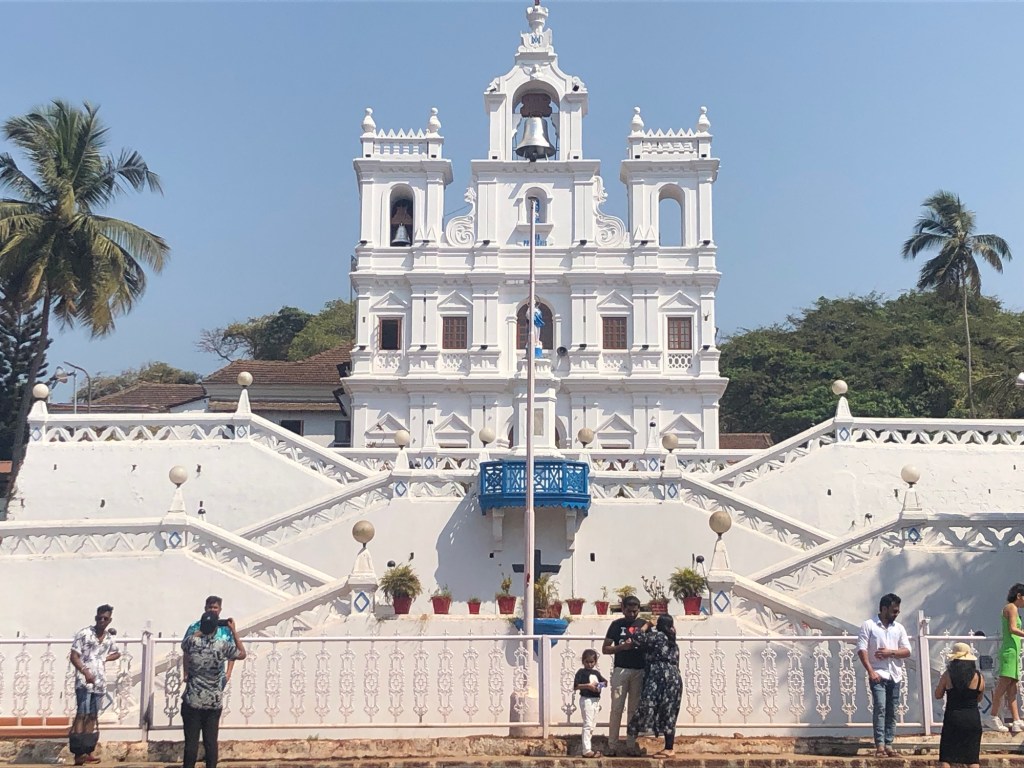
DAILY PHOTO: St. Andrew’s Church, Vasco da Gama

Image

DAILY PHOTO: A Few Views of Sevanavank

DAILY PHOTO: Noravank Monastery

Image

DAILY PHOTO: Jvari Monastery

Image

BOOKS: “Christianity: A Very Short Introduction” by Linda Woodhead

Christianity: A Very Short IntroductionChristianity: A Very Short Introduction by Linda Woodhead
My rating: 5 of 5 stars

Publisher’s Page OUP

The central idea of this book is that (despite all the complexity of schisms, sects, and subsects) the various entities that call themselves Christian can be put into one of three categories: church, biblical, or mystical. These groups reflect where the adherents see the ultimate source of authority. Church Christians, exemplified by Roman Catholics, view the hierarchy of clergy as the ultimate authority. Biblical Christians, e.g. Baptists, see the Bible as the highest authority. Finally, mystics see the individual’s relationship with (or connection to or oneness with) God to be what matters.

Bookending elaboration upon those three forms of Christianity, there is an opening that discusses early development of the Christian religion and the dividing lines that characterized it (e.g. whether Jesus was man, god, or a bit of both,) and there is a closing chapter about modern Christianity that explores various modern movements, such as: liberal Christianity, Evangelicalism, Fundamentalism, and charismatic Christianity.

If you’re interested in understanding the various permutations of Christianity (past and present,) and how they developed and differentiated themselves, this is a fine introduction to the subject.

View all my reviews

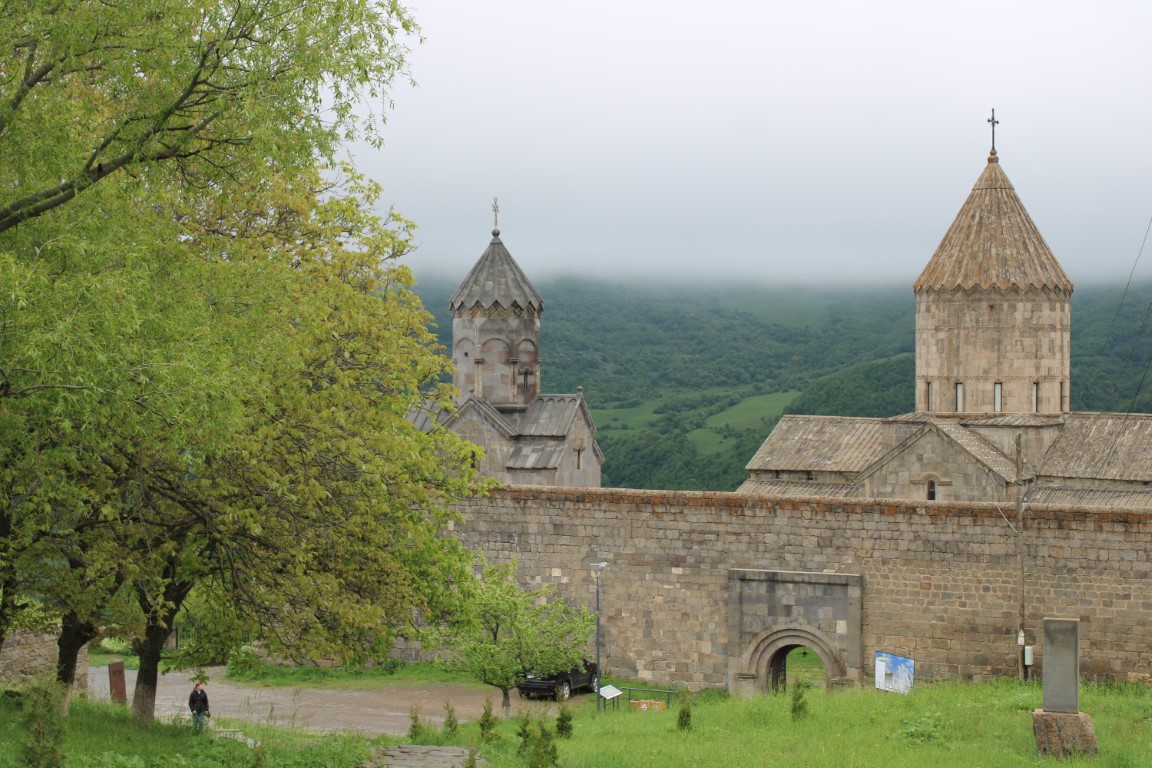
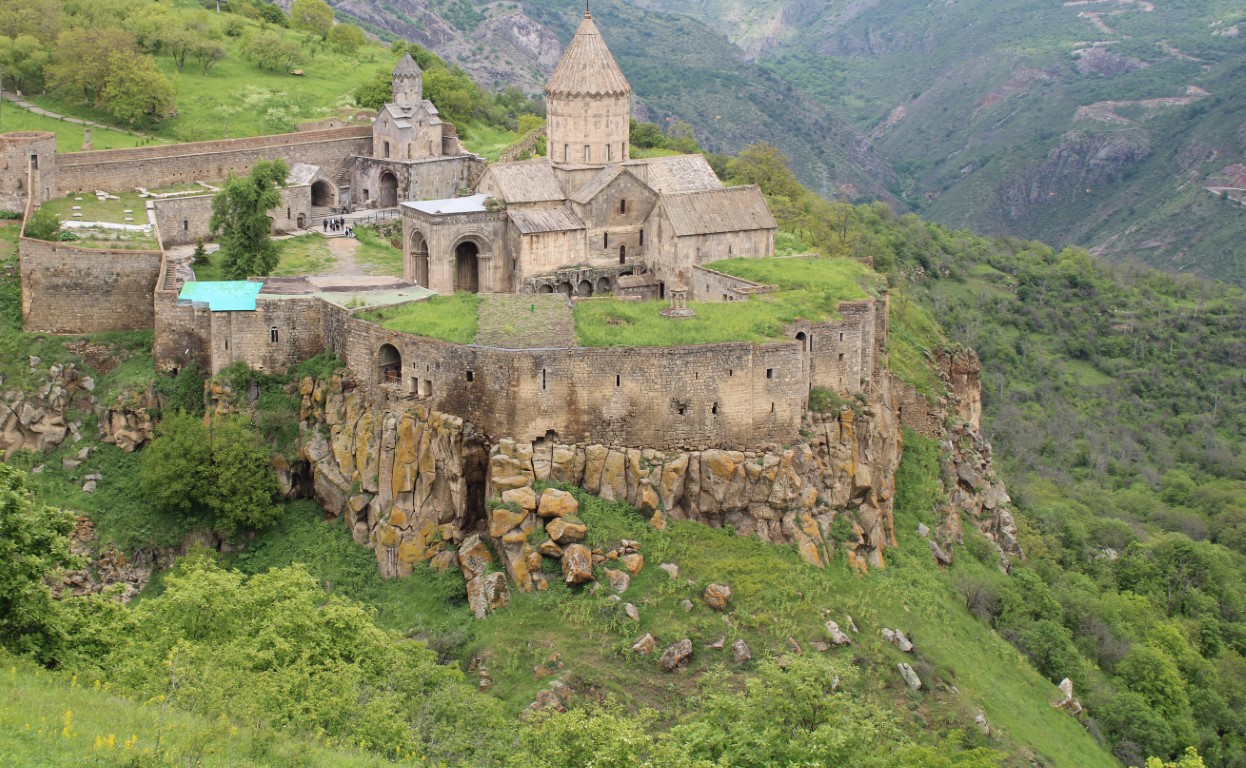
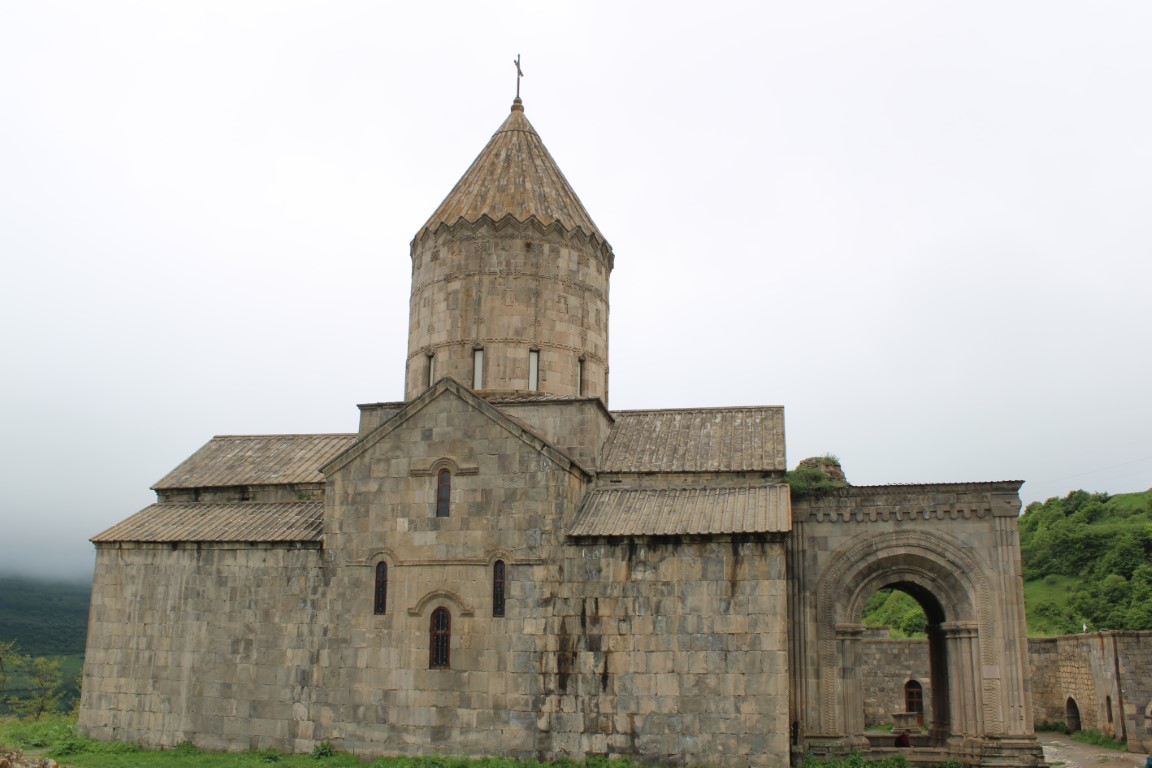
DAILY PHOTO: Tatev Monastery

DAILY PHOTO: Saint Paul’s Cathedral, Kolkata

Image

DAILY PHOTO: Blessed Maria Gabriella – East Parish