What is your substance, whereof are you made,
  That millions of strange shadows on you tend?
  Since every one hath, every one, one shade,
  And you, but one, can every shadow lend.
 Describe Adonis, and the counterfeit
  Is poorly imitated after you;
  On Helen's cheek all art of beauty set,
  And you in Grecian tires are painted new.
 Speak of the spring and foison of the year:
  The one doth shadow of your beauty show,
  The other as your bounty doth appear;
  And you in every blessèd shape we know.
    In all external grace you have some part,
    But you like none, none you, for constant heart.
Look in thy glass and tell the face thou viewst,
 Now is the time that face should form another,
 Whose fresh repair if now thou not renewest,
 Thou dost beguile the world, unbless some mother.
 For where is she so fair whose uneared womb
 Disdains the tillage of thy husbandry?
 Or who is he so fond will be the tomb
 Of his self-love, to stop posterity?
 Thou art thy mother's glass, and she in thee
 Calls back the lovely April of her prime;
 So thou through windows of thine age shalt see,
 Despite of wrinkles, this thy golden time.
   But if thou live rememb'rd not to be,
   Die single, and thine image dies with thee.
That time of year thou mayest in me behold
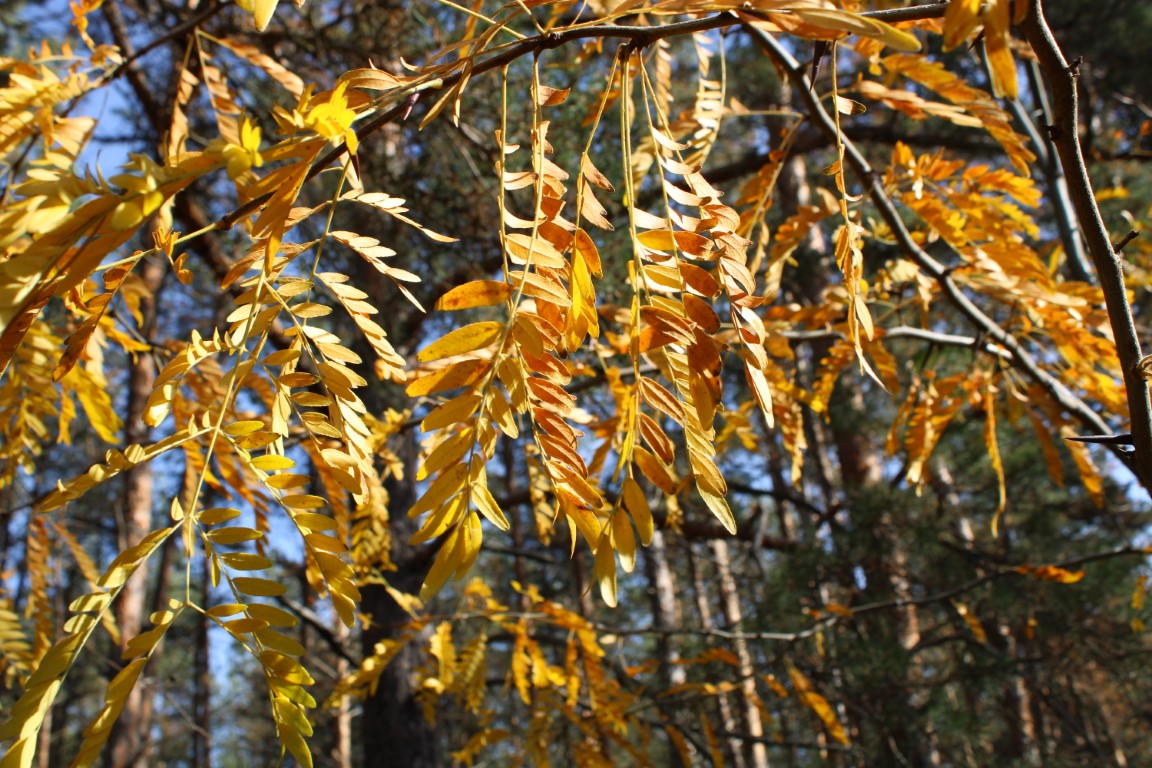
  When yellow leaves, or none, or few, do hang
  Upon those boughs which shake against the cold,
  Bare ruined choirs, where late the sweet birds sang.
 In me though seest the twilight of such day
  As after sunset fadeth in the west,
  Which by and by black night doth take away,
  Death's second self, that seals up all in rest.
 In me thou seest the glowing of such fire
  That on the ashes of his youth doth lie,
  As the death-bed whereon it must expire,
  Consumed with that which it was nourished by.
     This thou perceiv'st, which makes thy love more strong,
     To love that well, which thou must leave ere long.
Mine eye hath play'd the painter and hath stell'd
  Thy beauty's form in table of my heart;
  My body is the frame wherein 'tis held,
  And perspective it is best the painter's art.
 For through the painter must you see his skill
  To find where your true image pictur'd lies,
  Which in my bosom's shop is hanging still,
  That hath his windows glazed with thine eyes.
 Now see what good turns eyes for eyes have done:
  Mine eyes have drawn thy shape, and thine for me
  Are windows to my breast, wherethrough the sun
  Delights to peep, to gaze therein on thee.
    Yet eyes this cunning want to grace their art;
    They draw but what they see, know not the heart.
When my love swears that she is made of truth,
 I do believe her, though I know she lies,
 That she might think me some untutored youth,
 Unlearned in the world's false subtleties.
Thus vainly thinking that she thinks me young,
 Although she knows my days are past the best,
 Simply I credit her false-speaking tongue:
 On both sides thus is simple truth suppressed.
But wherefore says she not she is unjust?
 And wherefore say not I that I am old?
 Oh, love's best habit is in seeming trust,
 And age in love loves not to have years told.
   Therefore I lie with her and she with me,
   And in our faults by lies we flattered be.
To me, fair friend, you never can be old,
   For as you were when first your eye I eyed,
   Such seems your beauty still. Three winters cold
   Have from the forests shook three summer's pride,
 Three beauteous springs to yellow autumn turned
   In process of the seasons have I seen,
   Three April perfumes in three hot Junes burned,
   Since first I saw you fresh, which yet are green.
 Ah, yet doth beauty, like a dial-hand,
   Steal from his figure, and no pace perceived;
   So your sweet hue, which methinks still doth stand,
   Hath motion, and mine eye may be deceived:
 For fear of which, hear this, thou age unbred:
   Ere you were born was beauty's summer dead.
Let me not to the marriage of true minds
 Admit impediments; love is not love
 Which alters when it alteration finds,
 Or bends with the remover to remove.
O no, it is an ever-fixed mark
 That looks on tempests and is never shaken;
 It is the star to every wand'ring bark
 Whose worth's unknown, although his height be taken.
Love's not time's fool, though rosy lips and cheeks
 Within his bending sickle's compass come.
 Love alters not with his brief hours and weeks,
 But bears it out even to the edge of doom:
  If this be error and upon me proved,
  I never writ, nor no man ever loved.
My mistress' eyes are nothing like the sun;
 Coral is far more red than her lips' red;
 If snow be white, why then her breasts are dun;
 If hairs be wires, black wires grow on her head.
I have seen roses damasked, red and white,
 But no such roses see I in her cheeks;
 And in some perfumes there is more delight
 Than in the breath that from my mistress reeks.
I love to hear her speak, yet well I know
 That music hath a far more pleasing sound;
 I grant I never saw a goddess go;
 My mistress, when she walks, treads on the ground.
   And yet, by heaven, I think my love as rare
   As any she belied with false compare.
Be not afeard: the isle is full of noises,
 Sound and sweet airs, that give delight, and hurt not.
 Sometimes a thousand twangling instruments
 Will hum about mine ears; and sometimes voices,
 That, if I then had wak'd after long sleep,
 Will make me sleep again: and then, in dreaming,
 The clouds methought would open and show riches
 Ready to drop upon me; that, when I wak'd
 I cried to dream again.
NOTE: In The Tempest, Act III: Scene 2, Caliban speaks these words to Stephano and Trinculo.
To be, or not to be, that is the question:
 Whether 'tis nobler in the mind to suffer
 The slings and arrows of outrageous fortune,
 Or to take arms against a sea of troubles
 And by opposing end them. To die -- to sleep,
 No more; and by a sleep to say we end
 The heart-ache and the thousand natural shocks
 That flesh is heir to: 'tis a consummation
 Devoutly to be wish'd. To die, to sleep;
 To sleep, perchance to dream -- ay, there's the rub:
 For in that sleep of death what dreams may come,
 When we have shuffled off this mortal coil,
 Must give us pause - there's the respect
 That makes calamity of so long life.
 For who would bear the whips and scorns of time,
 Th' oppressor's wrong, the proud man contumely,
 The pangs of dispriz'd love, the law's delay,
 The insolence of office, and the spurns
 That patient merit of th' unworthy takes,
 When he himself might his quietus make
 With a bare bodkin? Who would fardels bare,
 To grunt and sweat under a weary life,
 But that the dread of something after death,
 The undiscover'd country, from whose bourn
 No traveller returns, puzzles the will,
 And makes us rather bear those ills we have
 Than fly to others that we know not of?
 Thus conscience doth make cowards of us all,
 And thus the native hue of resolution
 Is sicklied o'er with the pale cast of thought,
 And enterprises of great pith and moment
 With this regard their currents turn awry
 And lose the name of action.











 Tiger Riding for Beginners