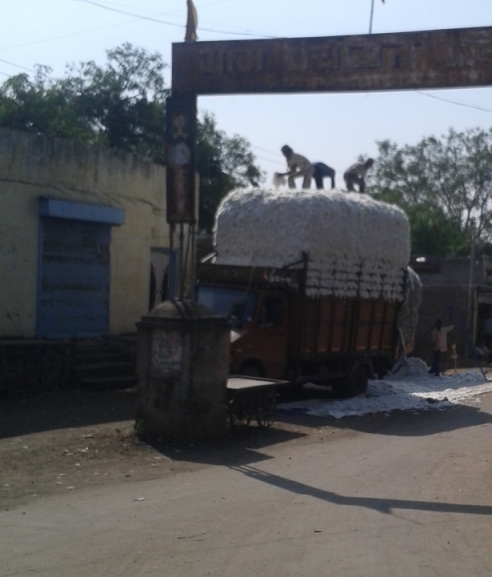
Taken in November of 2014 in Fardapur, India
In India:
Q: “How high can you load that truck?”
A: “How high is the sky?”


Taken in November of 2014 in Fardapur, India
In India:
Q: “How high can you load that truck?”
A: “How high is the sky?”

Taken in October of 2015 in Khajuraho

This is a parade procession that we passed as we were walking out to a couple of the Eastern Group of Temples at Khajuraho.
It was pretty typical, a tractor with a squawky loudspeaker playing music at about 100db beyond the speaker’s rating, pulling a trailer with a figure. There was color throwing and garlands. The works.

Taken in October of 2015 in Varanasi
Manikarnika is the main ghat for cremation on the Ganges in the city of Varanasi. It’s noted by its vast stacks of firewood and steady flame. In Hindu mythology, it’s said to be where Mata Sati’s ear ring fell when Shiva was carrying her to the Himalayas and it’s an important Hindu site for reasons beyond the burial rights conducted there.
[When the caste system was legal] one of India’s wealthiest untouchables ran operations at the ghat. Untouchables being the only caste considered suitable to do this work, but it being a lucrative operation.
Travelers beware, sadly, this area attracts con-artists as well as mourners.

Taken in October of 2013 at Bannerghatta
Ordinarily, when you see someone slack-jawed, they look like an idiot, but something about this guy allowed him to pull it off. Therefore, I gave him a break and did not chastise him for letting his mouth hang open like a moron. But next time…

Children’s Day at Cubbon Park in Bangalore
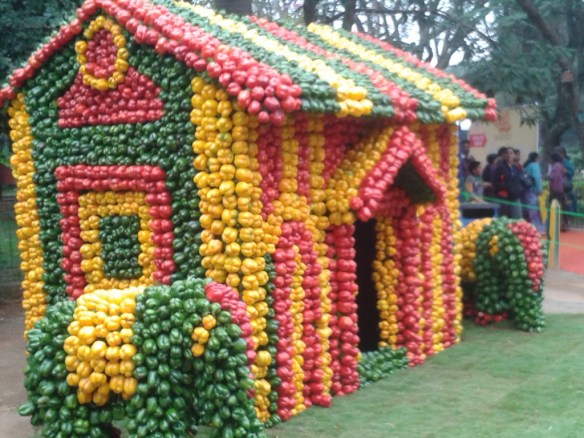
Taken on November 15, 2015 in Cubbon Park
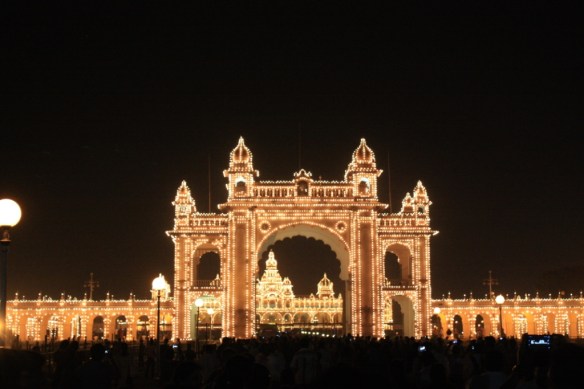
Taken in October of 2014 in Mysore
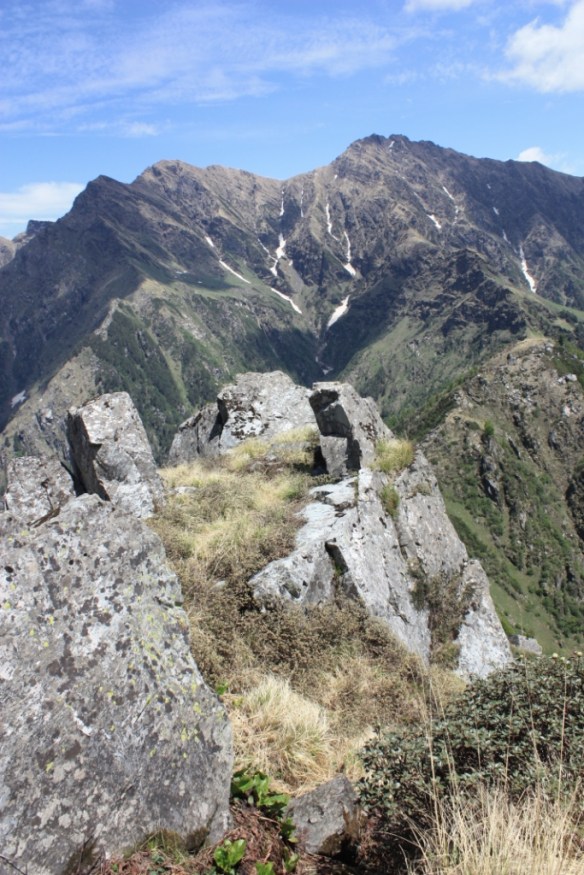
Taken in July of 2015 in Great Himalayan National Park (GHNP) in Kullu District
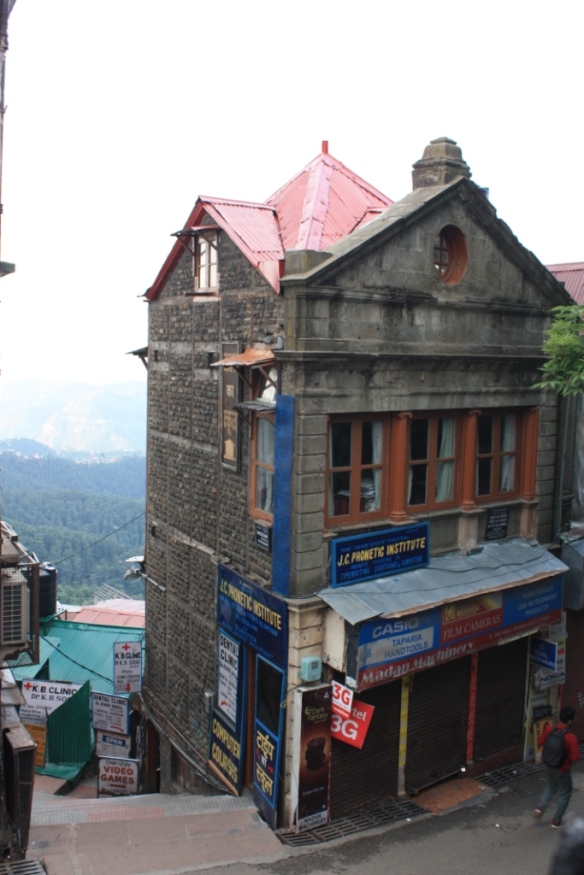
Taken in July of 2015 in Shimla


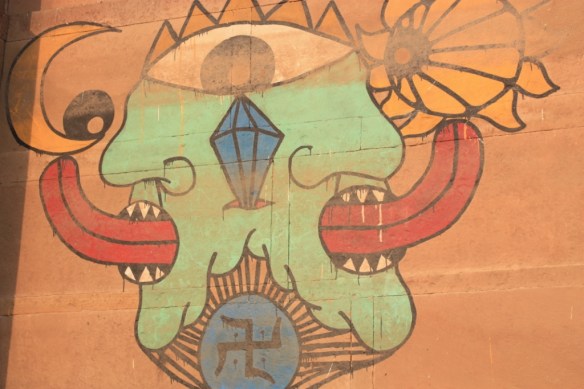
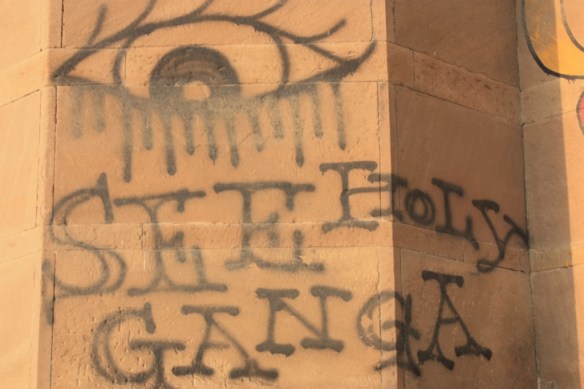

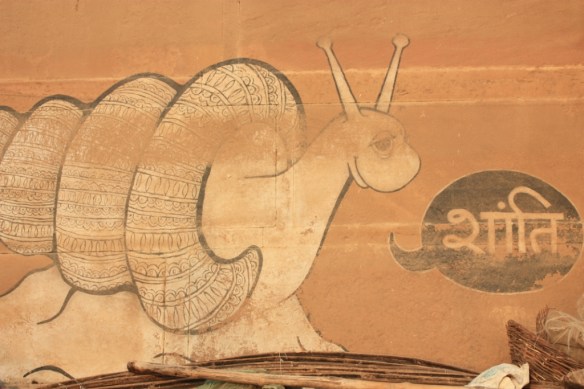



 Tiger Riding for Beginners