
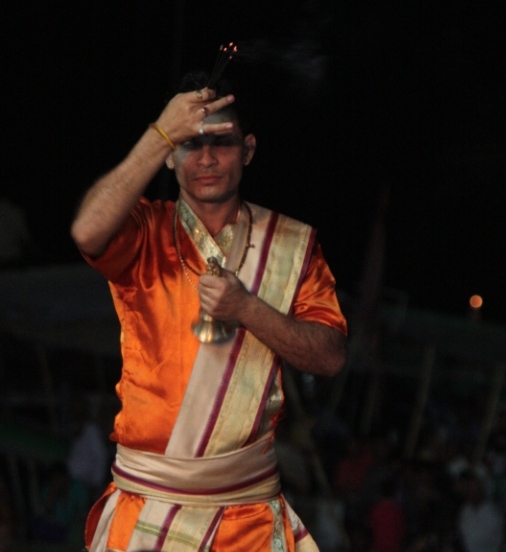
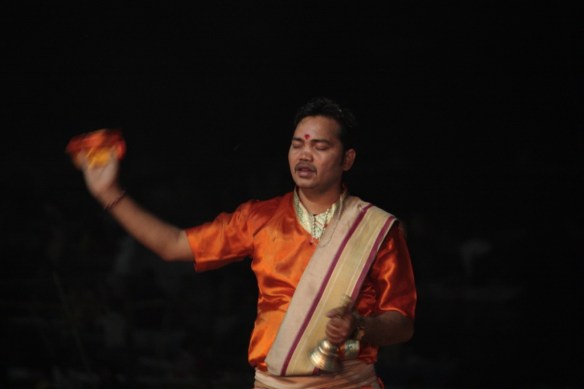
Taken in December of 2016 at Shivohum Temple in Bangalore

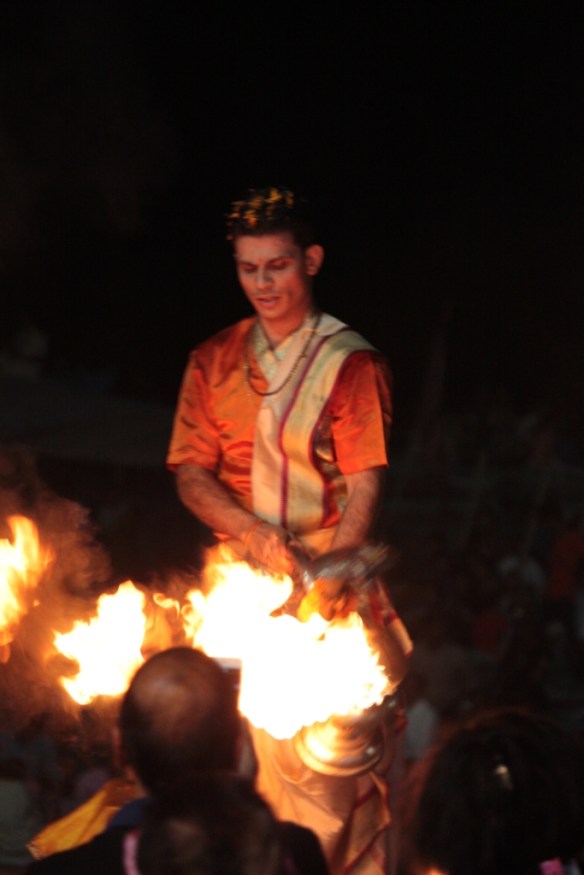
Taken in December of 2016 at Shivohum Temple in Bangalore
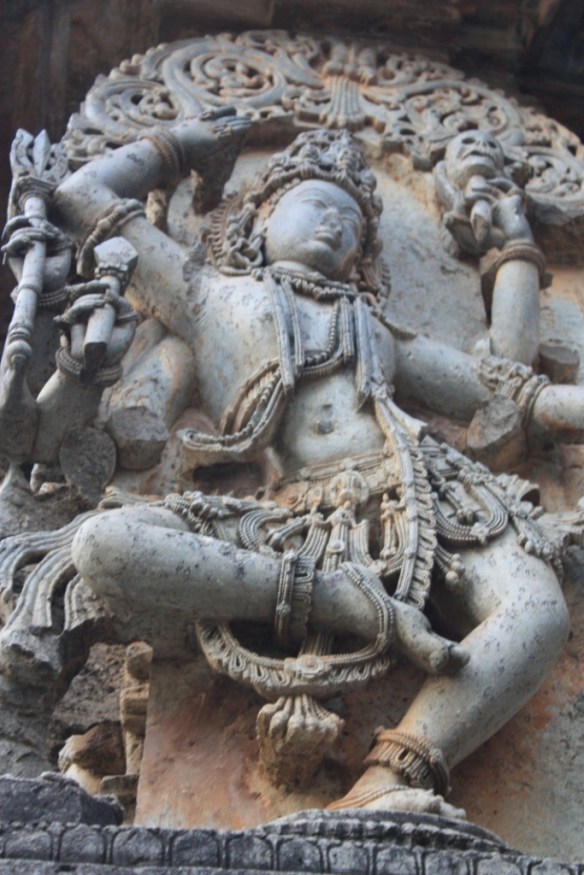
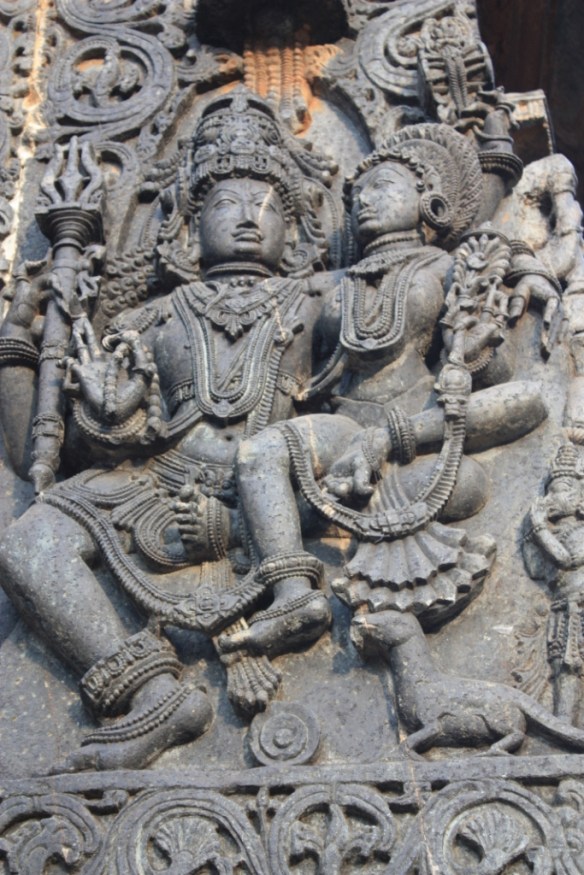
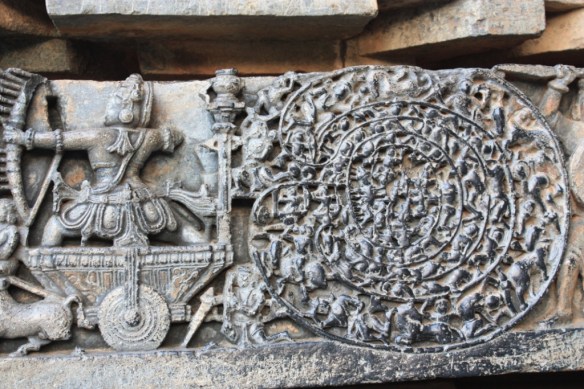
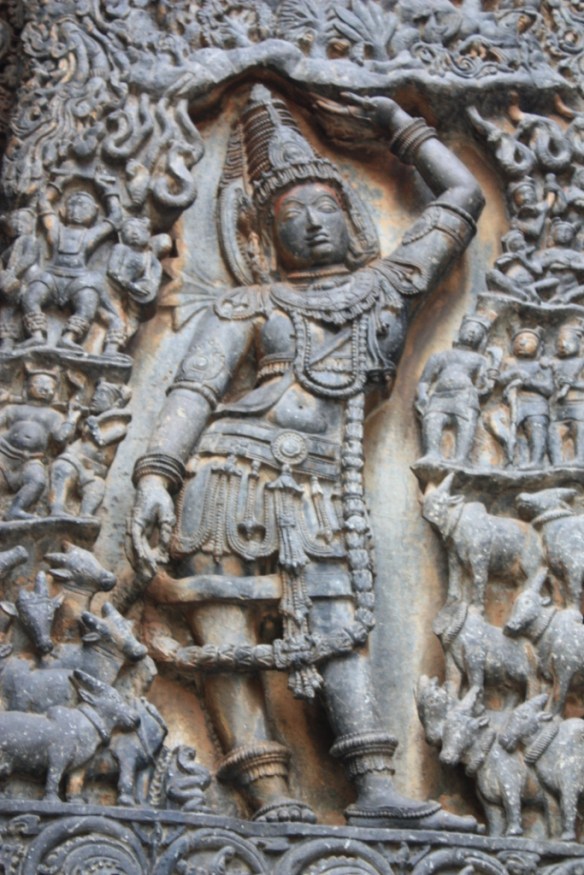
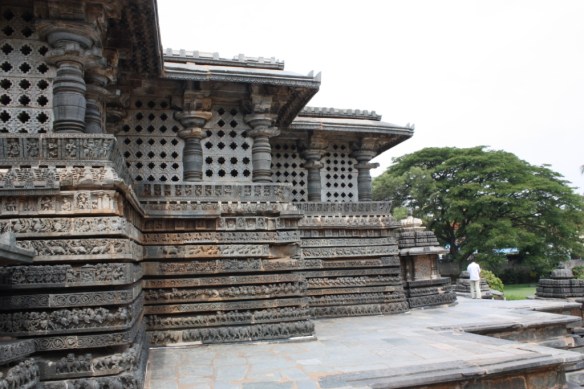
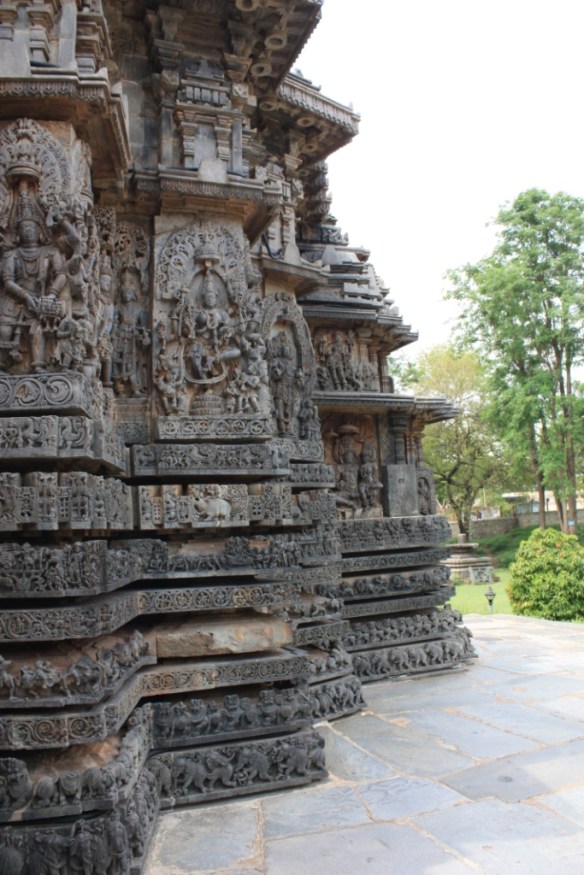
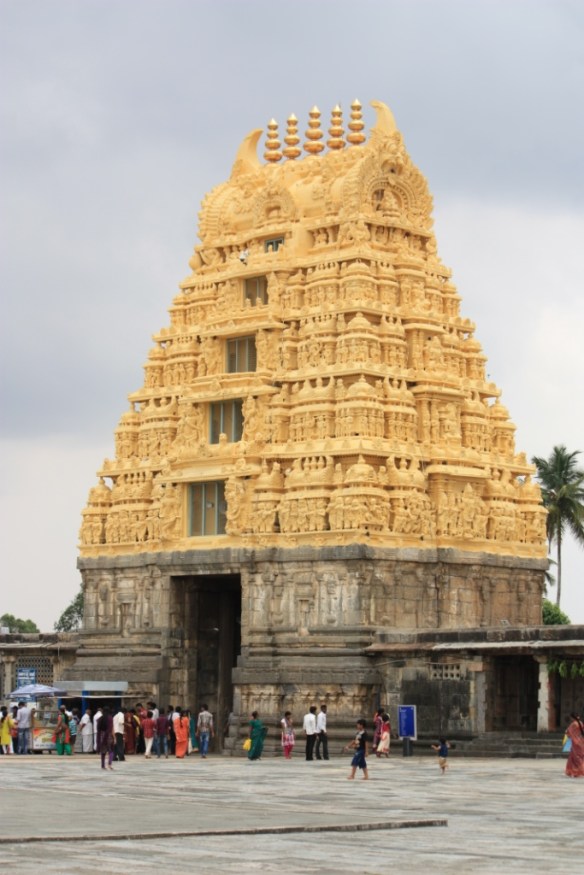
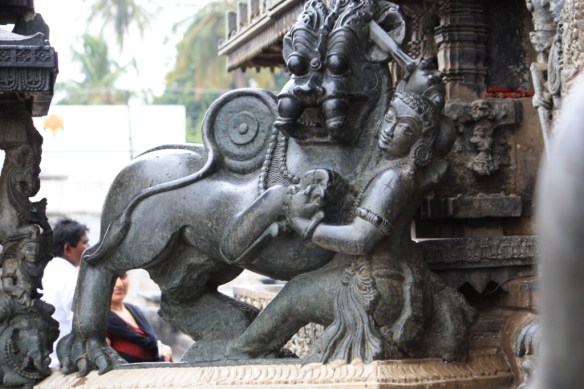
Taken in November of 2013 at Hoysaleshwara Temple in Halebidu
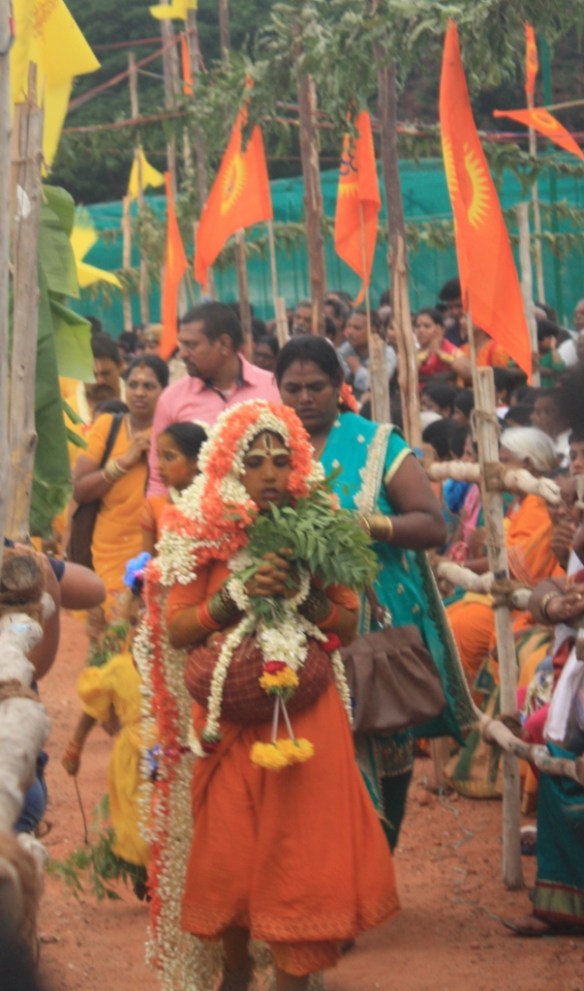
Taken on June 11, 2017 in Bangalore
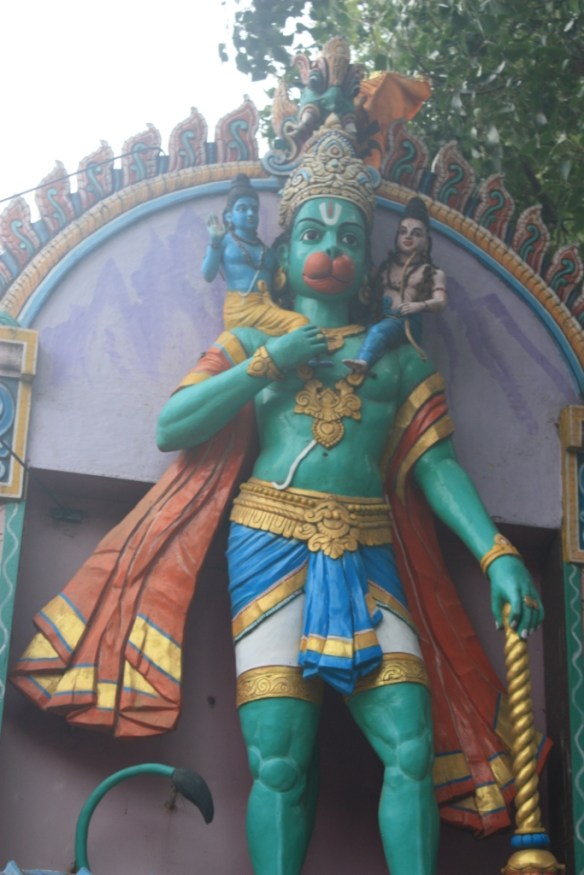
Hanuman of the Sri Drowpathy Amman Temple
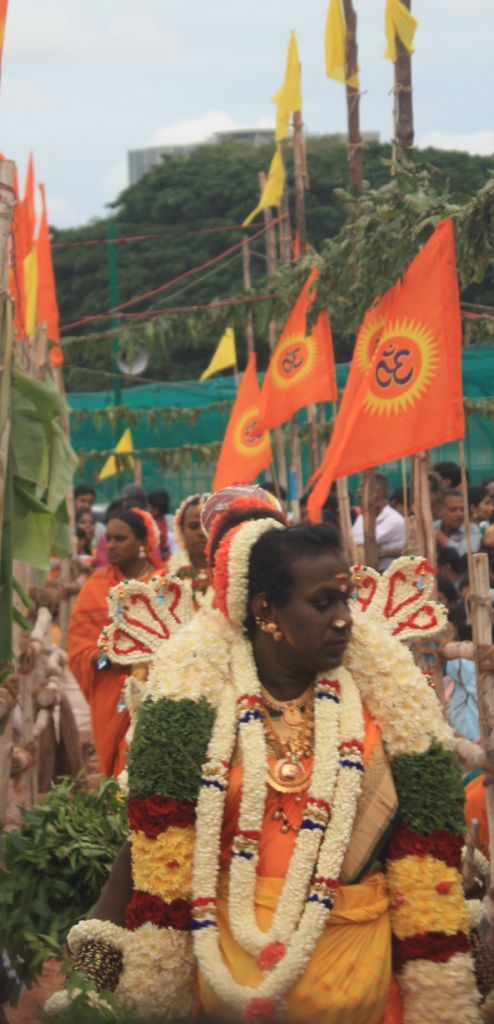
Devotees circumambulating the fire pit enclosure
 Jnana Sankalini Tantra by P. Prajnananda
My rating: 3 of 5 stars
Tantra is in a class with quantum physics as a topic that everybody likes to talk about but no one seems to understand. But the situation is worse because everybody can have an opinion about what Tantra is and who’s to say one is correct and another is not. Therefore, there are many conceptions of Tantra floating around out there. Unfortunately, I can’t say that this book will clear up the topic, though it does offer a great deal of information in a readable package.
In the West, Tantra is mostly about having longer and more satisfying orgasms during sex. In India, that is seen a great oversimplification, but there’s an entirely different muddling of the topic. If there were pro-Tantra and anti-Tantra parties, the topic could remain clear despite differing views on the validity of the approach. Everybody might agree about what Tantra is, but veer apart as they say why they like it or loath it. However, there’s another faction, and that’s the mainstream religious personalities who want to selectively utilize bits and pieces of Tantra that they find useful, while suggesting other parts of it are all just a misunderstanding. And, again unfortunately, that is where this book stands.
As my criticism may not make sense otherwise, I’ll try to explain something I was taught about Tantra. As it was described to me, Tantra (the yogic version, Buddhist Tantra may vary entirely) was—at least, in part–a practice of engaging in endeavors that might be considered distractions on the path to overcome them. Whereas, mainstream religion says, “x is bad, never do x,” Tantra says “x can be a distraction, and so I should engage in x in a mindful way so that it no longer controls me.” This is where the focus on sex comes in. It’s not that Tantrics were perverts; they just believed they could achieve some manner of transcendence through its practice.
My primary complaint is that this book selectively takes what it likes and strains credulity by suggesting the material it dislikes is all a misunderstanding of a selective code. So there is this idea of the five principles (panchatattvas or panchamakara) and they are five practices of Tantrics consisting of consumption of: alcohol, meat, fish, roasted/fried foods, as well as sexual activity. Now, most of these are objectionable to the modern Hindu, but the author says that these were all just code for a practice of breathing with one’s tongue pressed to a certain spot on the roof of one’s mouth. Why was kechari mudra so super-secret that one had to call it sex or fish-eating? (And why would one use a code consisting of activities one finds severely objectionable?) I don’t know, the reader is just left to believe that it makes sense.
Now, should I conclude that the entire work is in code? For example, when it says that finding a good teacher and following them is important, might they really be saying that I should “Find a river otter to take to Disneyland?” No. Because only the parts that the author and his sect finds contrary are encoded, everything else is to be taken literally.
Now, the offending section is only a small part of the book, and the topic of yogic Tantra. However, the degree to which it strains credulity makes it difficult to believe anything else the books says.
The book is in two parts. The first part is an introduction to jnana sankalini tantra (JST), and the second part is the 110 verses of the JST—said to be a dialogue between Shiva and Parvathi on Tantra—with analyses by the author.
I believe that this book contains a lot of interesting ideas, but, being a neophyte to the subject but with a degree of expertise in detecting faulty logic and religious dogma, I didn’t feel I could trust the book entirely.
If you are a mainstream Hindu who wants a palatable description of Tantra that doesn’t offend your sensibilities, this is probably a great book for you. If not, I don’t think you’ll have any better idea of Tantra is than when you started.
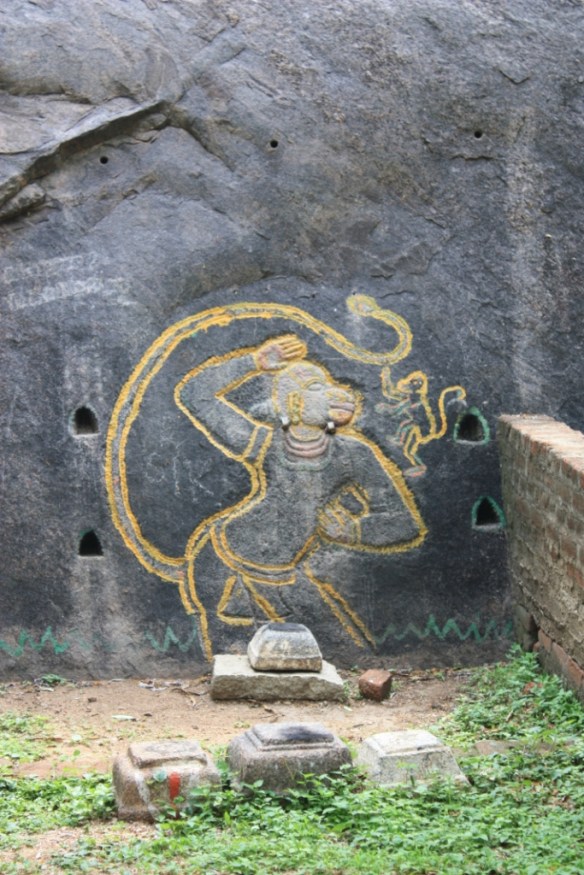
Taken at Ramanagara in May of 2014
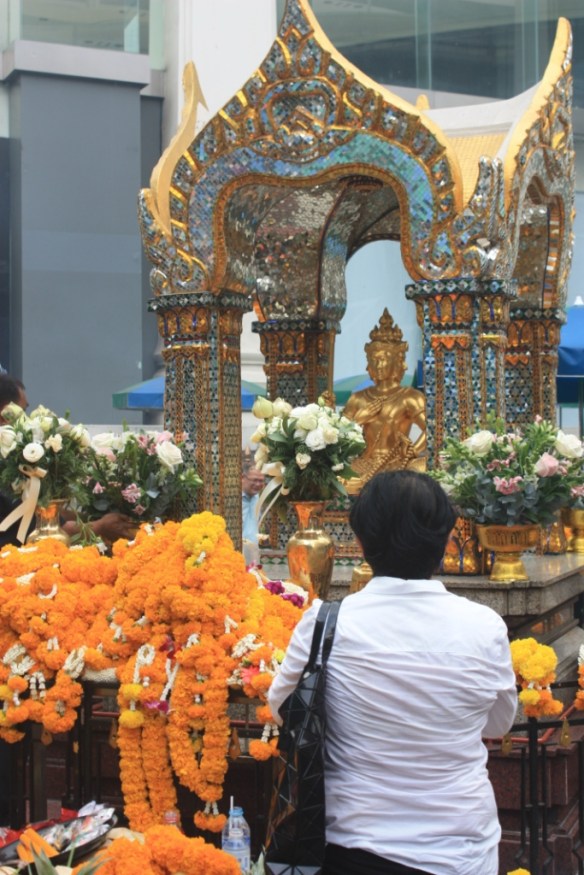
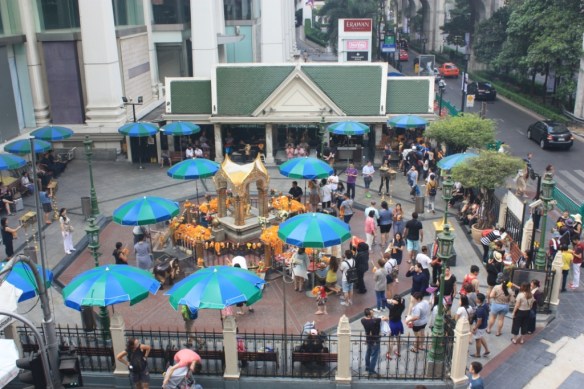
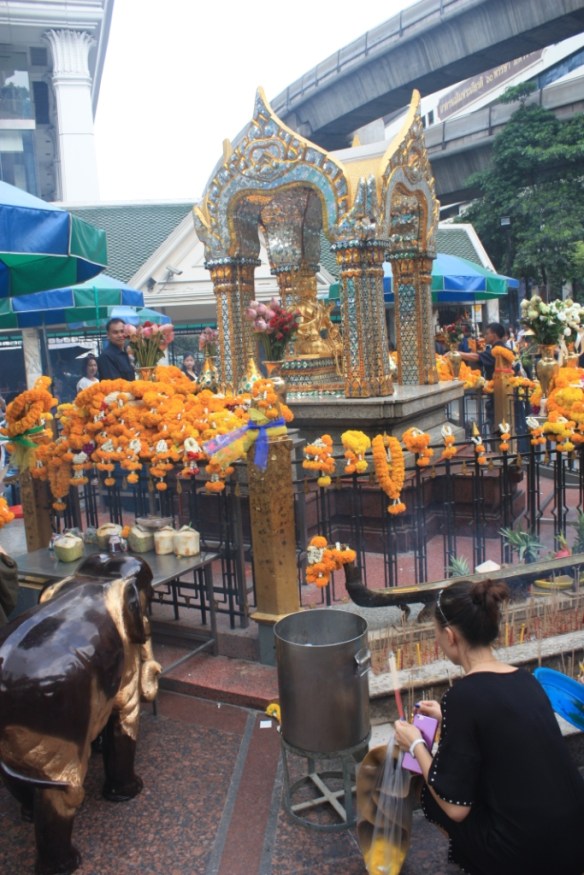
Taken March 9, 2017 in Bangkok
This Hindu shrine to Brahma is located at a prominent intersection in downtown Bangkok.
Those who don’t know it as a religious site may be aware of it from the bombing that occurred there in August of 2015. 20 were killed and more than 120 were injured.

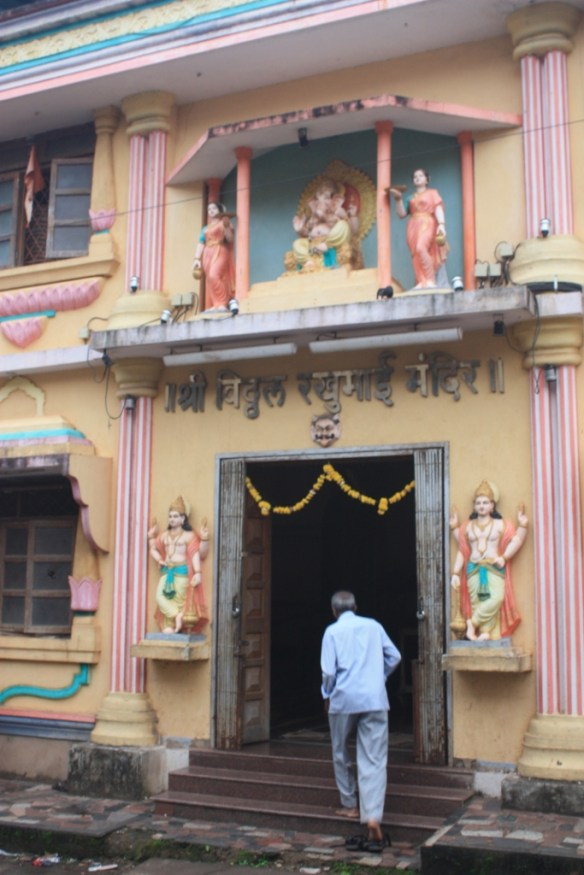
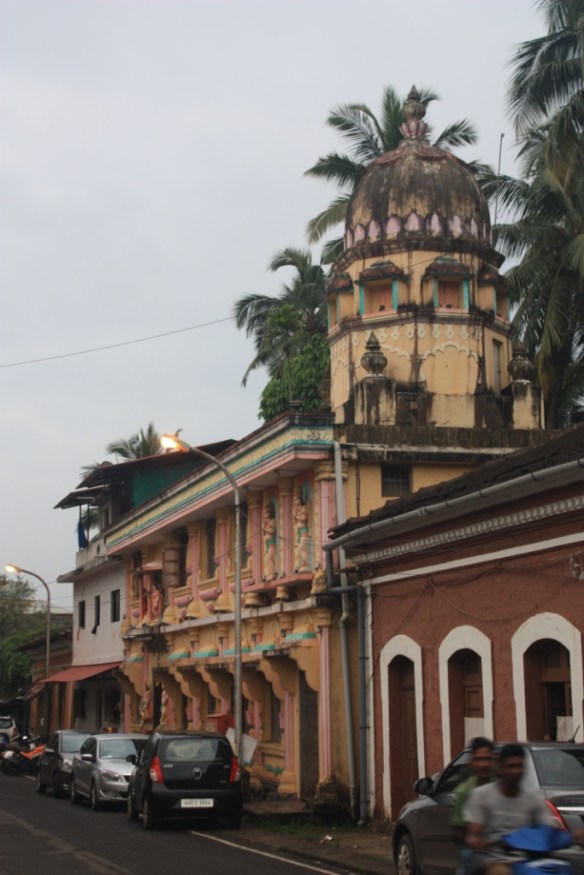
Taken in October of 2016 in Panjim (Panaji)
Hindu temples are ubiquitous throughout India, but in Goa they tend to be overshadowed by massive Christian churches and cathedrals. (Despite the fact that Christians only make up about a quarter of the Goan population while Hindus make up about 2/3rds.) This was one of the more prominent Hindu temples we saw. It’s located in Old Quarter.


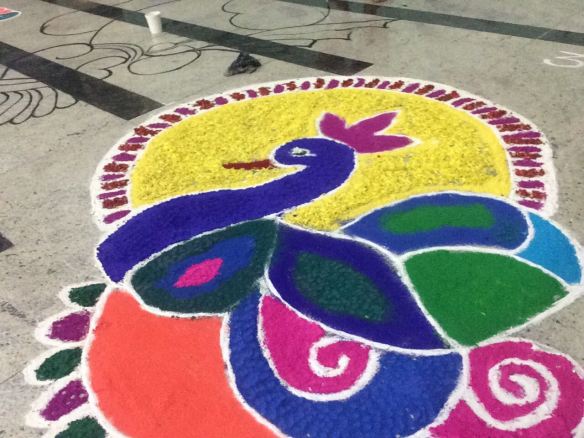





 Tiger Riding for Beginners