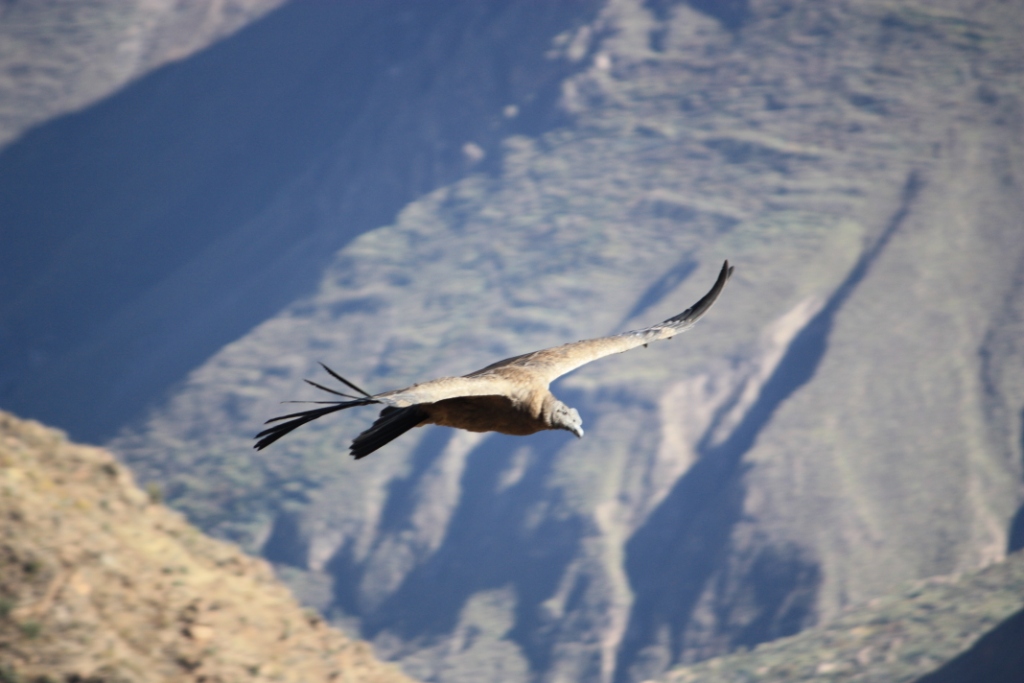
Taken in July of 2010 at Colca Canyon, Peru

Taken in July of 2010 at Colca Canyon, Peru
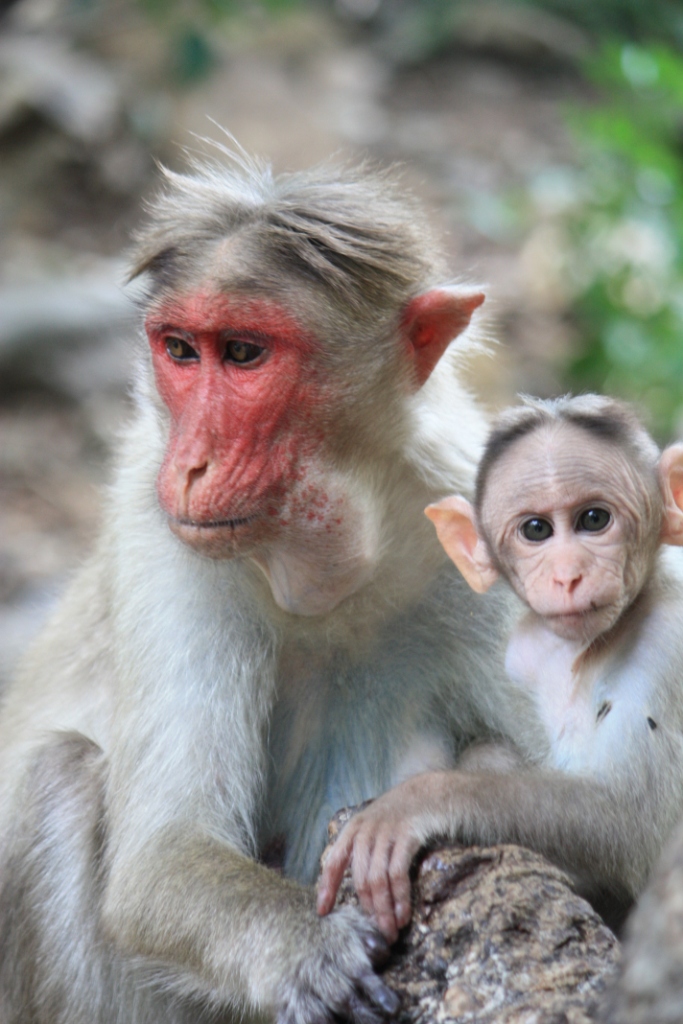
Taken in the July of 2014 near Chamarajanagar.

Taken in Hampi in November of 2013.
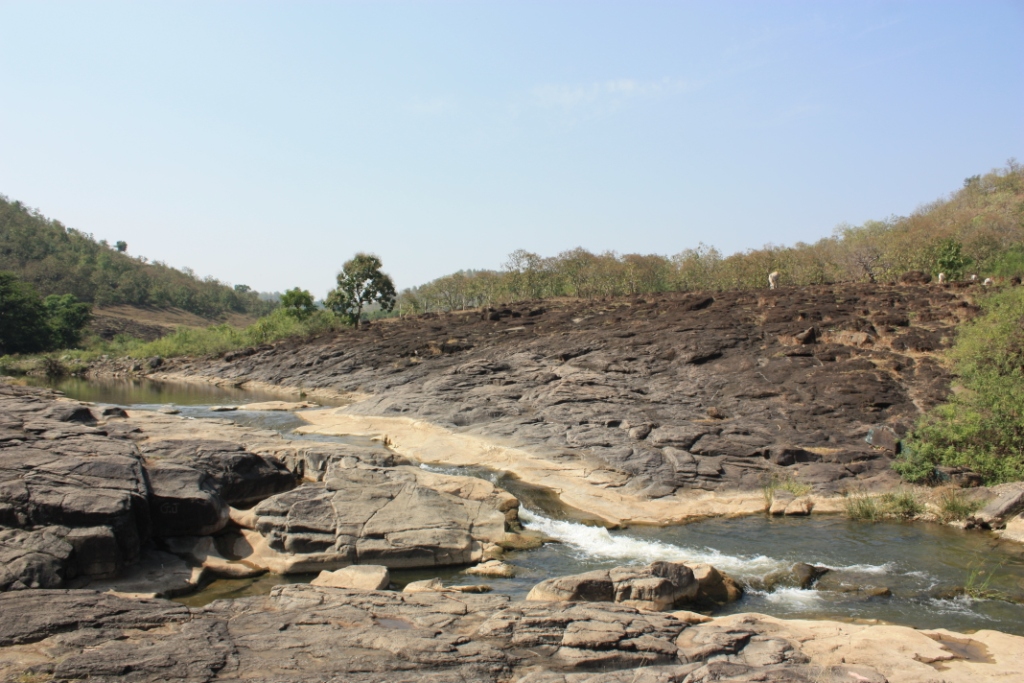
Taken November 19, 2014
These are the falls just down the Waghur river from the Ajanta Caves. This is above the falls.
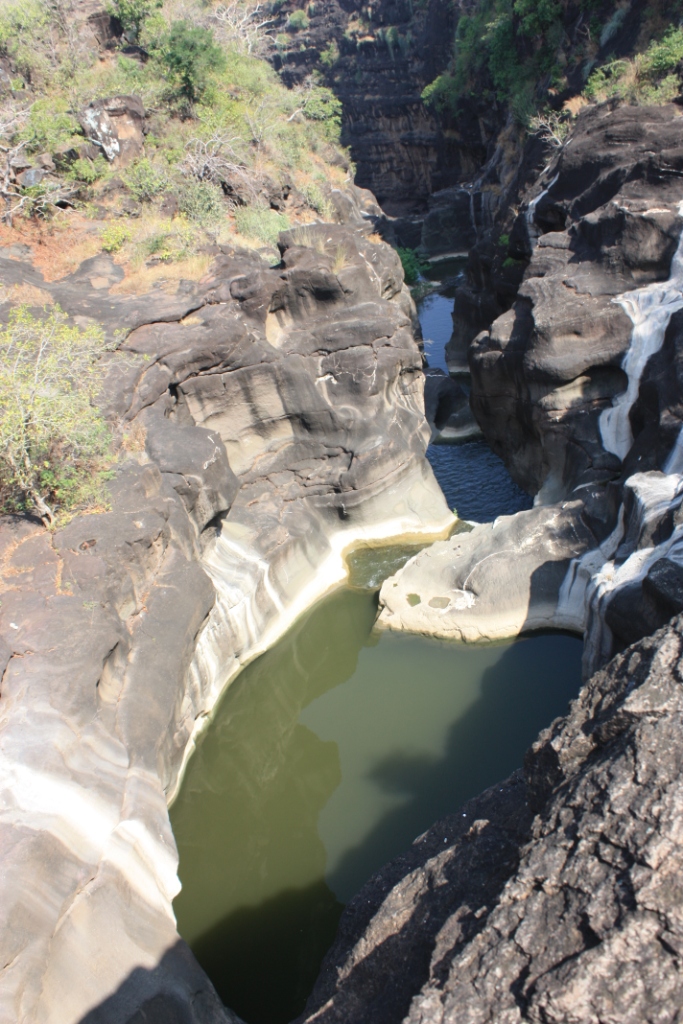
This is looking down the toward the falls. Water collects in a series of natural cisterns, each filling and spilling into the next.
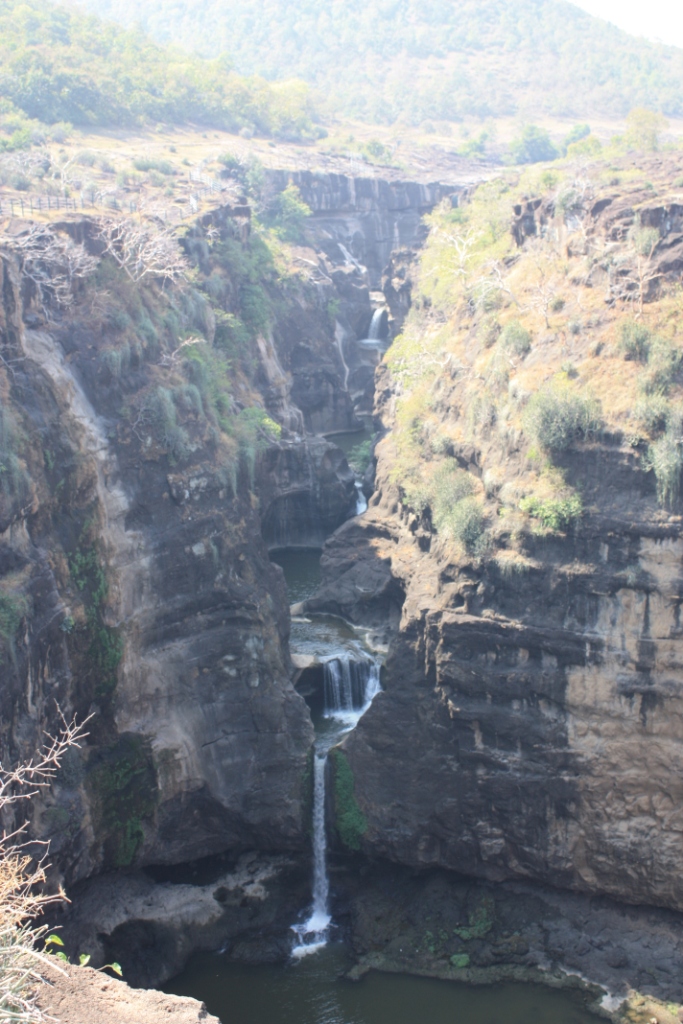 This is the waterfall from across the river.
 The Elephant Whisperer by Lawrence Anthony
My rating: 5 of 5 stars
This is the story of Thula Thula, a wildlife preserve in South Africa, and the herd of elephants that came to live there. It’s one of the most gripping nonfiction works that I’ve read in some time. Even if it was just the story of Anthony Lawrence’s interactions with a herd of wild elephants that he took on at first reluctantly and then became powerfully connected to, it would have made a worthwhile read. However, there is so much more to keep one flipping pages. There’s the internecine and tribal warfare among the Zulus that at one point results in a contract being taken out on Lawrence’s life. There are the tales–sometimes happy and sometimes tragic—of the other animals that share Thula Thula with the elephants, including: crocs, rhino, cape buffalo, snakes, and—of course—the humans and their pet dogs. And, sadly, there’s a constant war going on against poachers that occasionally results in a firefight.
That said, the stars of this book are undeniably the herd of wild elephants. The author is told these pachyderms are unruly and are to come into the possession of a big game hunter to be shot if he doesn’t take them. There are no elephants in the area of Thula Thula, and taking them on is a big risk. The neighbors are opposed because if the elephants get out they could cause untold damage—even if not maliciously. Furthermore, these elephants have had bad experiences with humans; the only adult bull had recently been killed—making them all the more hostile. These elephants have a history of escape, and when a herd of elephants wants to escape, it’s hard to keep them in. They are five or more tons of raw power. In fact, the herd does escape once early in the book, and a major drama unfolds as a result. There’s pressure on Lawrence to get rid of at least the matriarch and another female, Frankie, who is almost the same size as the matriarch and is even more aggressive. Eventually, he gets the herd to calm down through patience and an attempt to understand them.
However, even as the herd becomes calmer and actually friendly toward Lawrence, there are always new challenges popping up. They add an adolescent who comes in alone, its entire family having been killed off. This history makes the new addition skittish, angry toward humans, and dangerously aggressive. Furthermore, the adolescent bull transitions into adulthood and is increasingly pushed away from the herd, but without a male role model. By the book’s end, there is even a new generation being brought into the fold.
I won’t tell you this book is all rosy. There are a number of really sad sub-stories within the overall tale of the elephants of Thula Thula. I won’t get into details because these chapter or two long narrative arcs are among the most edge-of-the-seat reading in the book. That said, the overall story is one of triumph. A herd that was on the verge of being eliminated is not only saved, but eventually grows in size due to new births—though, sadly, not without some losses. It’s about successful coexistence and preservation of these species.
A lot of the book is about communication, both the stomach-grumbling elephantine intraspecies communication and the interspecies communication between the author and the elephants. It turns out that elephants can communicate with others across great distances, most notably by stomach rumbles that largely take place at a frequency outside human capacity.
There’s also humor. There are times when all one can do is to accept that elephants will be elephants and gardens will be trampled and swimming pools will become watering holes. There’s no maliciousness. It’s just that five and six ton animals leave their mark wherever they go. They are intelligent but unsubtle creatures.
I’d highly recommend this book to just about anyone. Even if you normally only read commercial fiction, I think that you’ll still find enough tension and intrigue throughout this book to keep you reading. If you’re an animal lover you’ll be engrossed from start to finish even without the poachers, death threats, and, tribal wars. If you’re one of those pathetic old men who think you need rhino horn powder to get it up or need a pair of carved tusks to show your wealth, you should be forced to read the book while an elephant holds its foot over your head.

Taken on July 6, 2014 in Munnar.

Taken on July 6, 2014 in Munnar.
 98.6 Degrees: The Art of Keeping Your Ass Alive by Cody Lundin
My rating: 4 of 5 stars
If you’ve seen the Discovery Channel show Dual Survival, you’re familiar with Cody Lundin. He’s the one who looks like a hippie and is always barefoot. 98.6 is a book designed to prepare readers for a wilderness survival situation. To be clear, this book isn’t about going out for a six-week trek. It’s about going out for a day hike and finding your foot stuck in a bear trap or having your jeep washed away in flashflood. It’s about how to stay alive for as much as a few days while search and rescue teams are looking for you (and how to make sure they do look for you.)
As the title suggests, Lundin focuses on the issue of maintaining the body’s core temperature as the key to short-term survival, and special attention is given to the subjects of hypo- and hyperthermia. Besides dressing appropriately, maintaining core temperature involves requirements such as hydration that may not seem relevant at first blush. The heart of the message is that one has to plan for the worst even on apparently mundane treks or drives into the backwoods. Lundin hammers home the importance of letting others know where one is going and by when one will return. However, the bulk of the space is devoted to suggestions about what to pack in your survival kit.
Lundin takes a light-hearted tone while talking about the dire nature of survival in the wild. Many of the graphics are quirky, caricaturesque line drawings (there are also photos–mostly towards the rear of the book in the discussion of gear and kits.) His writing style is conversational—which is to say that he writes like he talks. While this may induce rage in English teachers, I find it’s only problematic if it leads to misunderstandings. (i.e. In conversation there are fewer opportunities for misunderstanding because there is non-verbal communication and the potential for feedback.) Having said that, I can’t recall any cases in which meaning was unclear, so either Lundin is conscientious about this issue, or his editor did a good job of maintaining his style without losing clarity. The conversational tone involves a lot of analogies and metaphors that are sometimes humorous but sometimes over-the-top.
Lundin’s advice runs toward the pragmatic and the frugal. Survival gadgetry and gear is a huge industry, and Lundin’s guide helps a budget-weary amateur outdoorsman know where it’s worth spending a little extra and where it’s likely to be a waste of money. (In some cases, spending more money will leave one worse off in more areas than the pocket-book.)
Despite his folksy tone, it’s clear that Lundin is no stranger to science. One thing that one will get in his guide that’s uncommon in others is scientific explanations–in lay terms–of why some methods or equipment will or won’t work. This ranges from the physics of space blankets to the psychology of fear to the chemistry of nutrition.
Another strength of this guide is that it gives due attention to the crucial nature of the mind in survival. There are a few early chapters devoted to this. Many guides might give a paragraph to the subject before plowing into survival methods. The problem is that some people may die overwhelmed and unable to keep all that knowledge straight. Tips about keeping one’s head seem worth the space.
In addition to the use of humor and anecdotes, there is a clear attempt to make the information memorable. Lundin uses mnemonic devices to help people ingrain information, and frequently recaps important points. He also has a “Cliff Notes” version at the back of the book that condenses his message down into a few pages.
If you like to spend time outdoors, I’d recommend you pick up this book. Of course, reading a book is not going to keep you alive, you have to practice with the gear you assemble, but the book is an important first step.







 Tiger Riding for Beginners