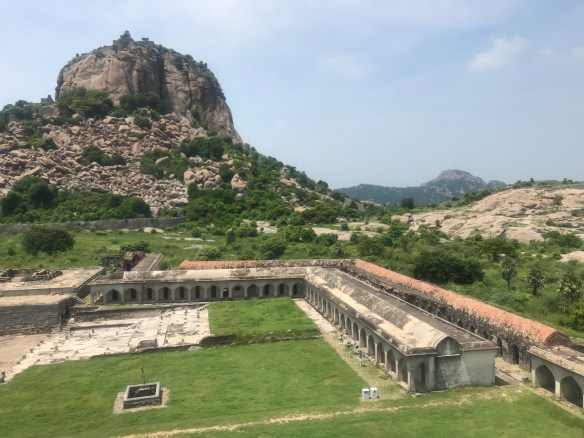
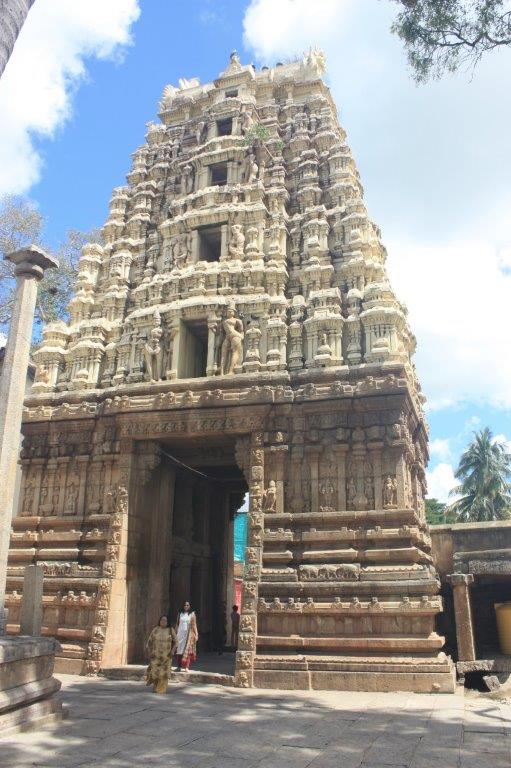
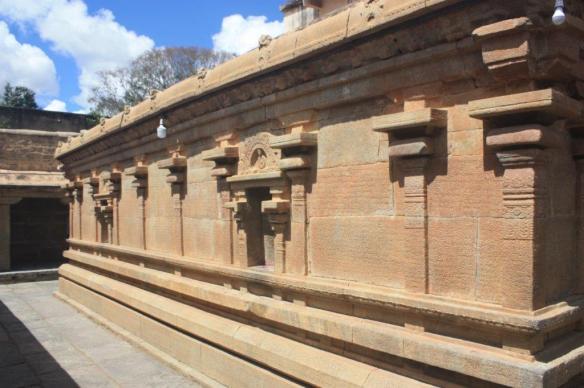
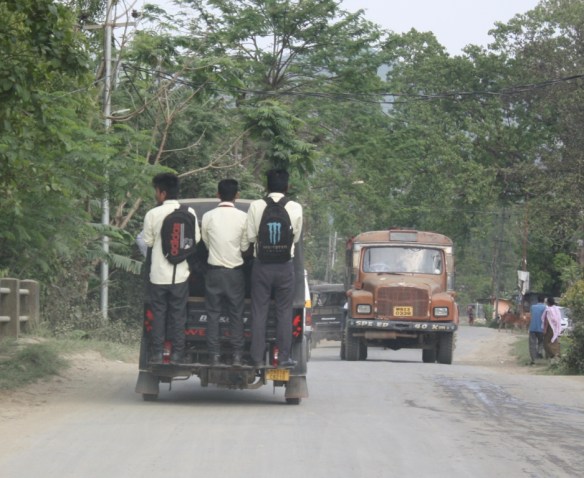
DAILY PHOTO: Kalyana Mahal [Marriage Hall], Gingee Fort

Taken on October 9, 2019 at Gingee Fort in Tamil Nadu

DAILY PHOTO: Old Lighthouse, Pondicherry

Taken on October 5, 2019 in Pondicherry.

DAILY PHOTO: Gingee Fort Grounds from Three Elevations

Taken on October 8, 2019 (Dussehra) at Gingee Fort.

DAILY PHOTO: St. Mary’s Minor Basilica

Taken on September 29, 2019 in Bangalore.

B941B8A2-BE9C-4838-B8BF-0E733859682E


DAILY PHOTO: Ganga Mahal Ghat, Varanasi

Taken in October of 2015 in Varanasi (Benares)

DAILY PHOTO: Wall on a Mountain, Savandurga

Taken at Savandurga in March of 2015

DAILY PHOTO: Rocky Tops, GHNP

Taken in June of 2015 in Great Himalayan National Park

DAILY PHOTO: Radhanagar Beach

Taken in December of 2018 on Havelock Island (Swaraj Dweep)

DAILY PHOTO: Udaipur Solar Observatory

Taken in November of 2018 in Udaipur

BOOK REVIEW: Panchatantra [trans. / ed. by Arthur W. Ryder]

PanchatantraPanchatantra by Arthur W. Ryder
My rating: 4 of 5 stars

Amazon page


“Panchatantra” is “Aesop’s Fables” meets Machiavelli’s “The Prince,” but with an Indian flavor. [I realize that the Panchatantra is much older than “The Prince” (though not as old as Aesop’s Fables — at least not when comparing written editions) but I’d argue it’s still a useful tagline for general readers who aren’t particularly acquainted with Indian literature.] Like Aesop’s Fables, anthropomorphized animals make up the bulk of the cast in this set of stories within a story. Like “The Prince,” a lot of the the advice offers insight into how to lead (as opposed to just how to lead a moral life.) The topics addressed include: building sound alliances, avoiding deception, and making decisions regarding war and peace.

As the Sanskrit title — Panchatantra [“Five Treatises”] — suggests, this work is arranged into five books. Of the over eighty fables of the original, more than fifty are collected in this edition. [I suspect this was done to eliminate or consolidate stories that were essentially the same.] The first book is “The Loss of Friends” and it focuses on how alliances are broken up by enemies. The second is “The Winning of Friends” and it gives particular attention to alliance building. The third book is “On Crows and Owls,” and it’s about how to decide whether to go to war, choose peace, or seek some alternative. The penultimate book is “Loss of Gains” and it discusses ways in which people forfeit (or have stolen from them) what they have gained. The last book is “Ill-Considered Action,” and it advises against being hasty. The stories are skillfully written and translated, and they are thought-provoking. That said, they can be a tad hackneyed and simplistic as well. For example, a large number of these tales convey the same simple lesson that one should take advice from individuals who are wise and virtuous, and that lesson’s inverse (that one should ignore those who are foolish and / or immoral.)

I’d highly recommend giving the Panchatantra a read. It both conveys wisdom and offers good stories. It’s true that the stories can become a bit repetitive and also frequently have less than profound morals, but overall, it’s a smart and entertaining collection of fables.

View all my reviews