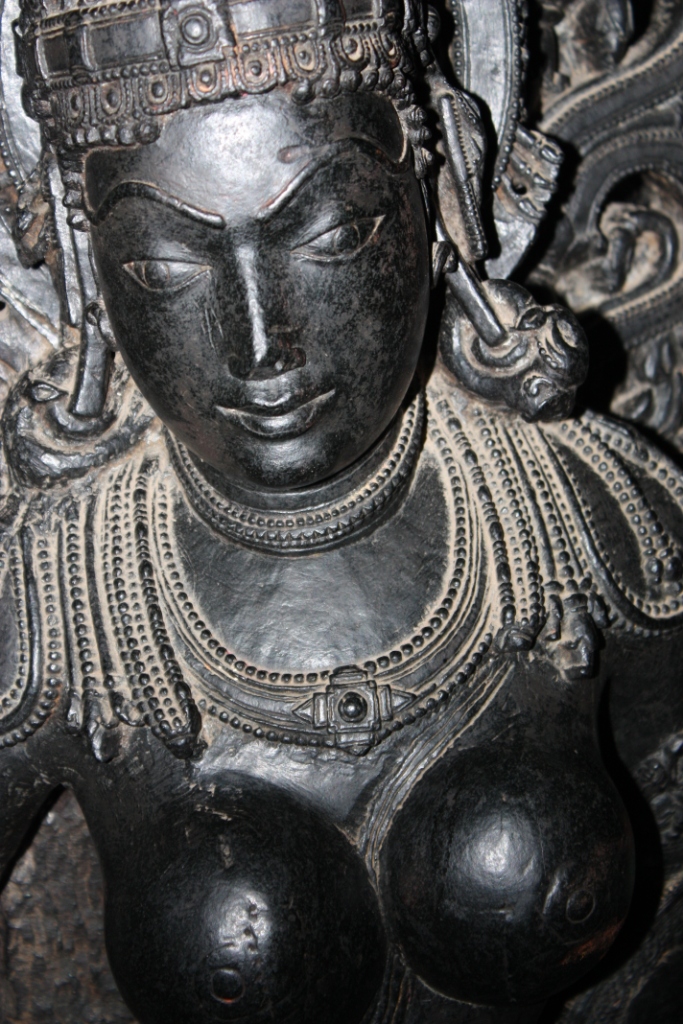
DAILY PHOTO: Temple Dancer

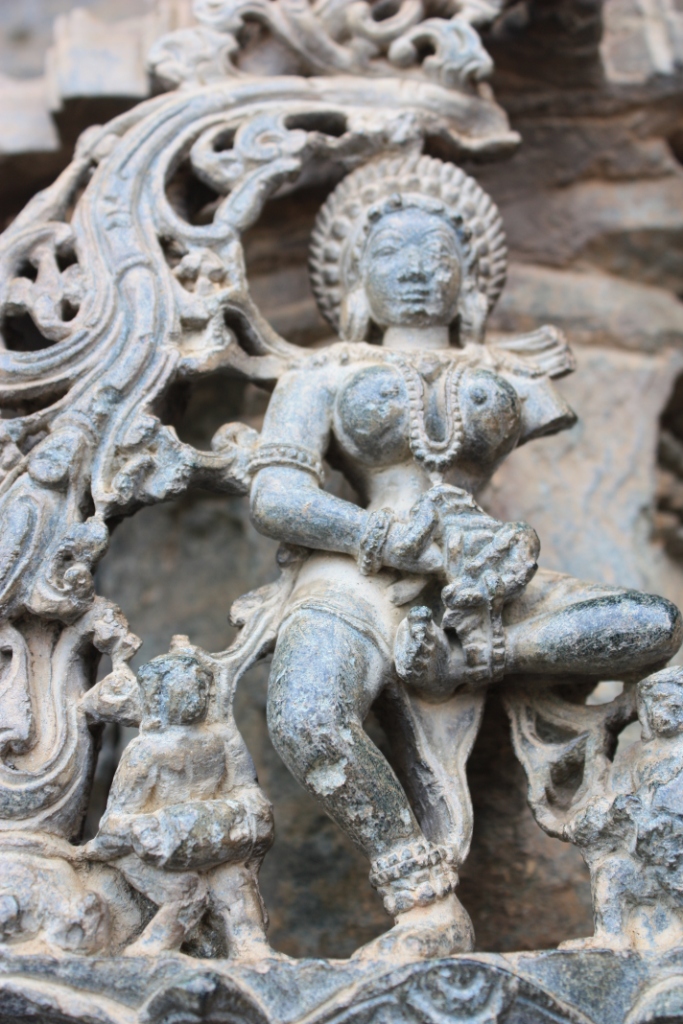
Taken November 23, 2013 in Belur, India

Taken November 23, 2013 in Belur, India

This may be my last Daily Photo post for almost a  month. If I do get any in, they’ll be sporadic. However, upon my return I will have lots of new posting fodder from Malaysia and Thailand.

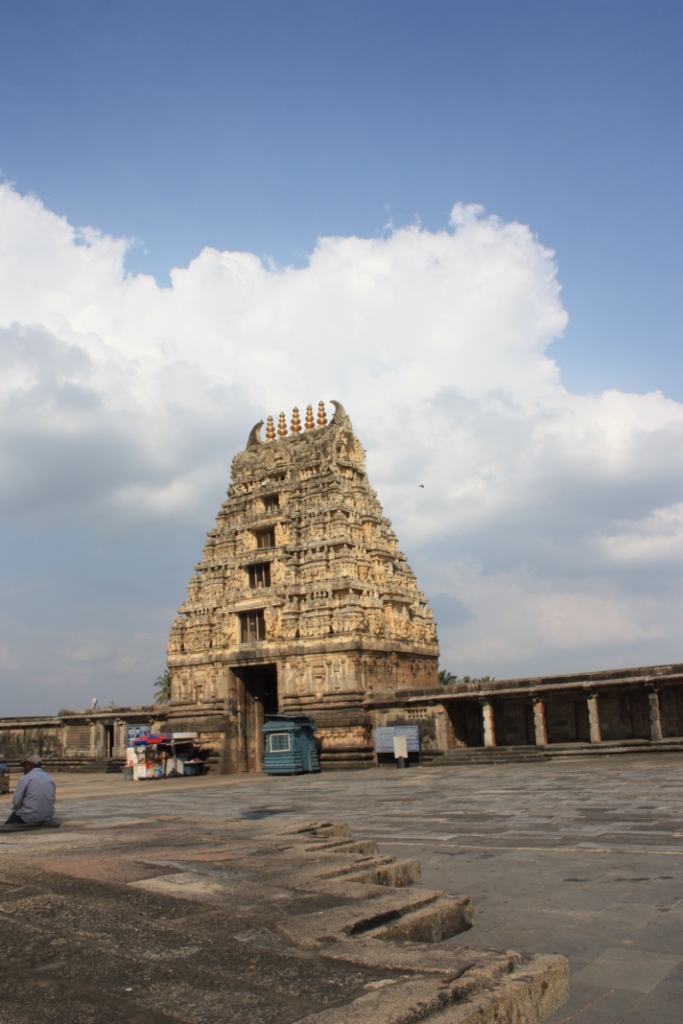
DAILY PHOTO: Temple Gate at Chennakeshava

Taken November 23, 2013 at Belur.

Taken November 23, 2013 at Belur.

This is the gate into the Chennakeshava temple in Belur. In the foreground is the base of a pillar that served to hold the temple lantern that let all find the temple in the darkness. (Fun fact: the pillar isn’t secured to the base. That is, it’s held in place by gravity.) The base is the same multi-sided shape as the temple mounts.

Below is a pic of the lantern pillar (it’s not as askew as it appears in the pic.) (Fun fact #2: if you type askew into Google’s browser it will twist the page askew.)

IMG_1433

DAILY PHOTO: Red-faced

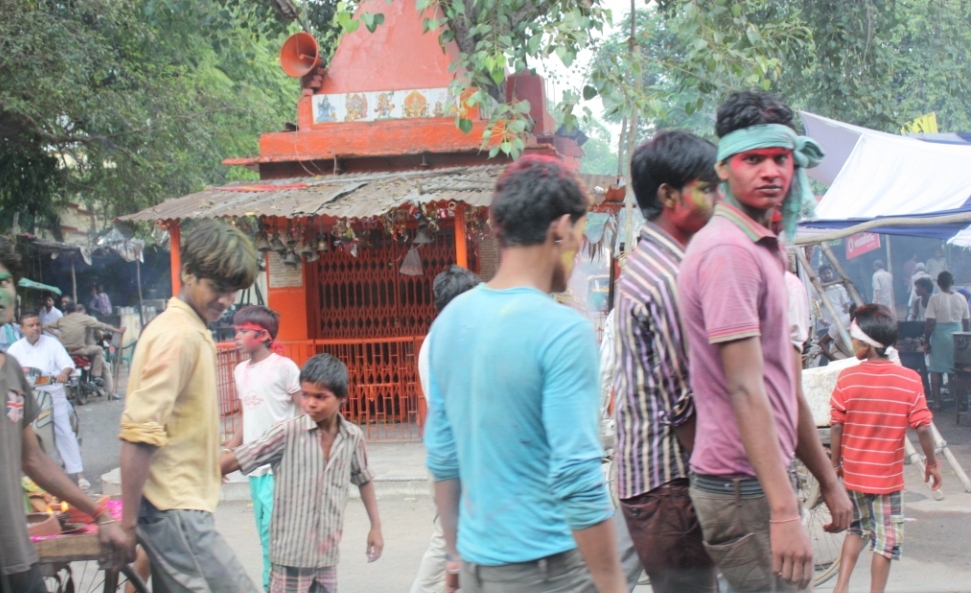
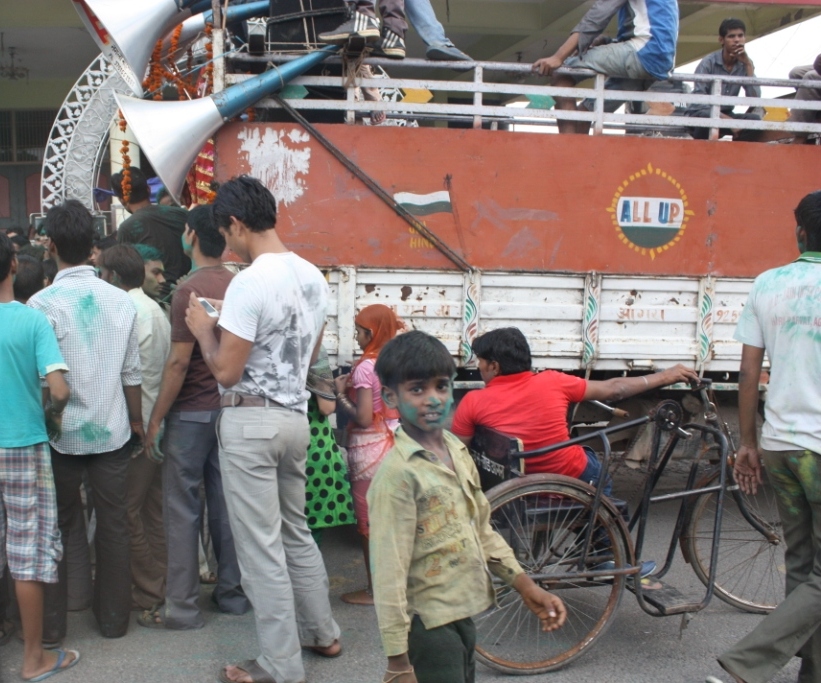
Taken on October 12, 2013 in Agra

Taken on October 12, 2013 in Agra.

This photo was taken during Dussehra (Vijayadashami) celebrations in Agra. There were many street parades that day.

Dussehra is a Hindu festival that celebrates the victory of Lord Suraj over Ravana and also marks the victory of the Goddess Durga over the Mahishasur demons.

AgraCity13

DAILY PHOTO: Orange and Old

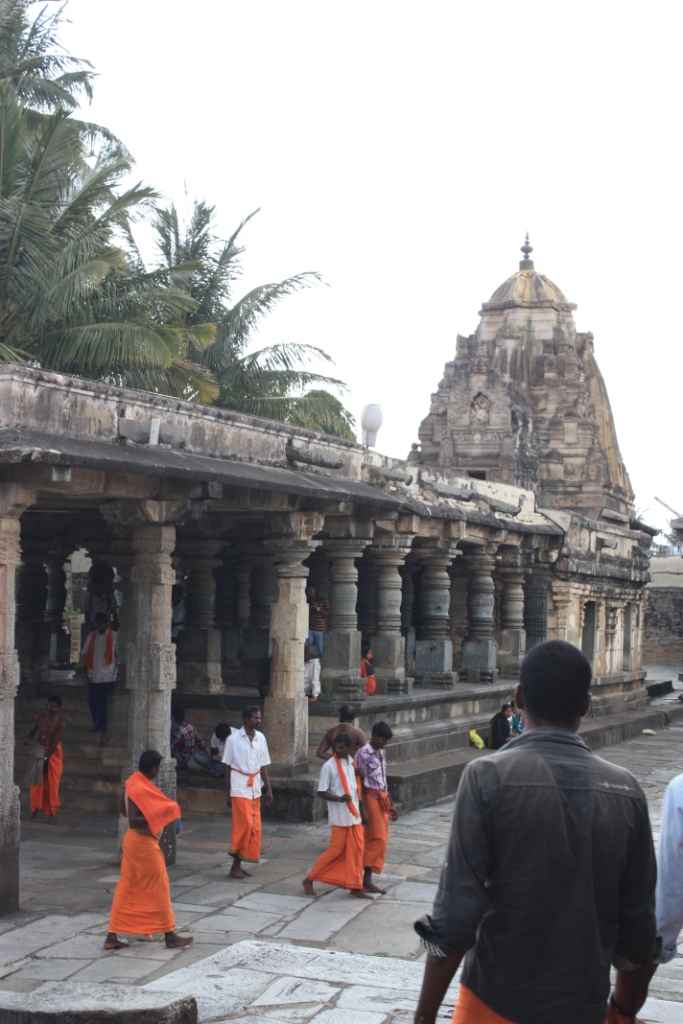
Taken November 23, 2013 at Belur

Taken November 23, 2013 at Belur

In Cambodia, one can buy these paintings that are monochromatic with the exception of the vibrant saffron of monks’ robes. These artworks are commonly found around Siem Reap and have backgrounds such as the Bayon, Ta Prohm, or Angkor Wat. While this photo was taken in Belur, India at the Chennakeshava temple, it reminds me of an impromptu version of such paintings. All dull earth-tones, except the Hindu adherents moving about in their bright colors.

Apparently, the significance of the color orange is shared by Hindus and Buddhists. Krishna is usually portrayed in orange or yellow, and in Buddhism orange is considered the color of illumination.

DAILY PHOTO: Shiva Dancing in an Elephantine Demon

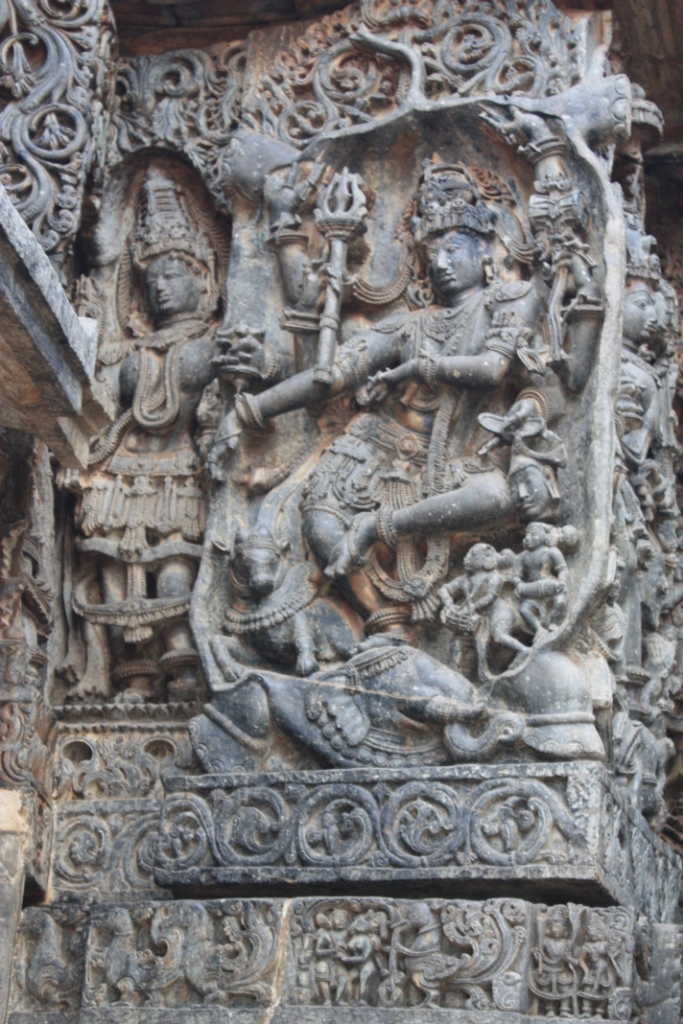
Taken November 23, 2013 at Halebidu.

Taken November 23, 2013 at Halebidu.

This frieze is located at Hoysaleshwara temple in Halebidu. Hoysaleshwara is dedicated to Shiva, and was finished in 1121AD–though many believe it was not actually finished. It’s one of the largest temples to Shiva in southern India and is actually a double temple–the inside being split between the king’s temple and the queen’s temple.

This is a depiction of Shiva dancing inside a vanquished elephant. It may seem mean to kill an elephant and dance inside it, but this particular elephant was a demon or possessed by a demon. Of course, the question remains as to why one would dance inside a slain enemy. I guess it’s a little like dancing on your enemy’s grave, but a lot stinkier and messier. It’s just weird no matter how you slice it. 

DAILY PHOTO: Chennakeshava Temple at Belur

Taken November 23, 2013 at Belur.

Taken November 23, 2013 at Belur.

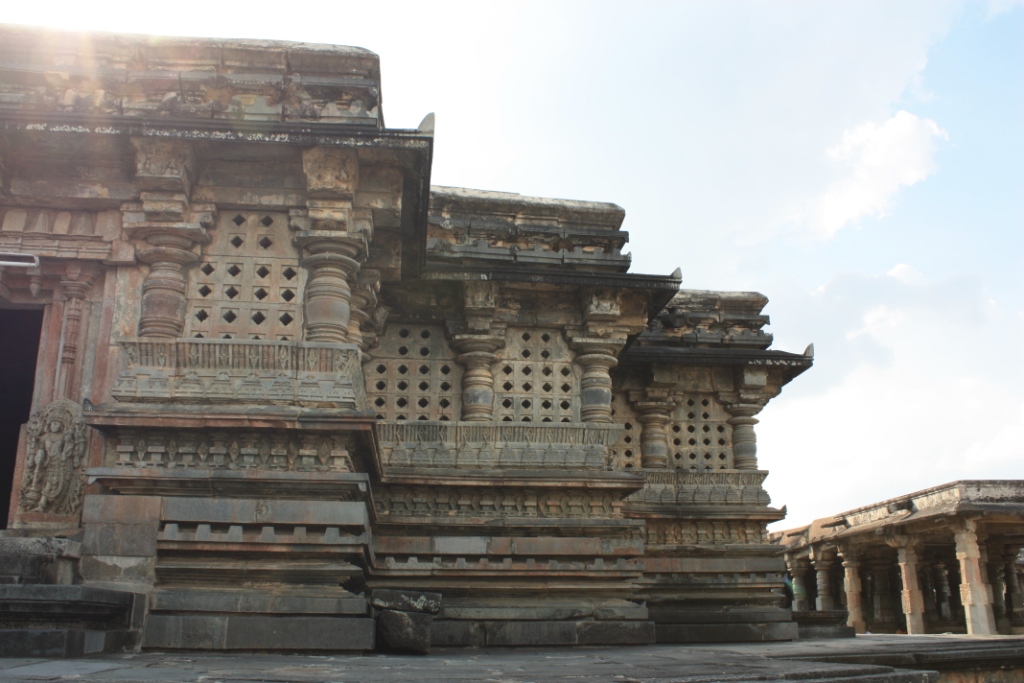
Chennakeshava temple at Belur is a Hoysala era temple to Vishnu–the deity of the Hindu trilogy responsible for processes of sustenance and evolution (as opposed to creation or destruction, which are the bailiwicks of Brahma and Shiva, respectively.)

This temple and its sister temple at Halebidu, Hoysaleshwara temple, are probably the most ornate structures I’ve seen anywhere in the world. They are covered with soapstone carvings arranged in several tiers. For example, the bottom layer is a series of elephants, each one unique. There is a layer that tells tales from the Mahabharata in pictures.

Soapstone is soft and easily worked when quarried, but it becomes hard enough to survive everything but looters as it’s exposed to the elements. You’ll note the “windows” carved in the rock to allow in light and breezes.

Close up

Close up


DAILY PHOTO: Hanuman

Taken November 2, 2013 at Hampi.

Taken November 2, 2013 at Hampi.

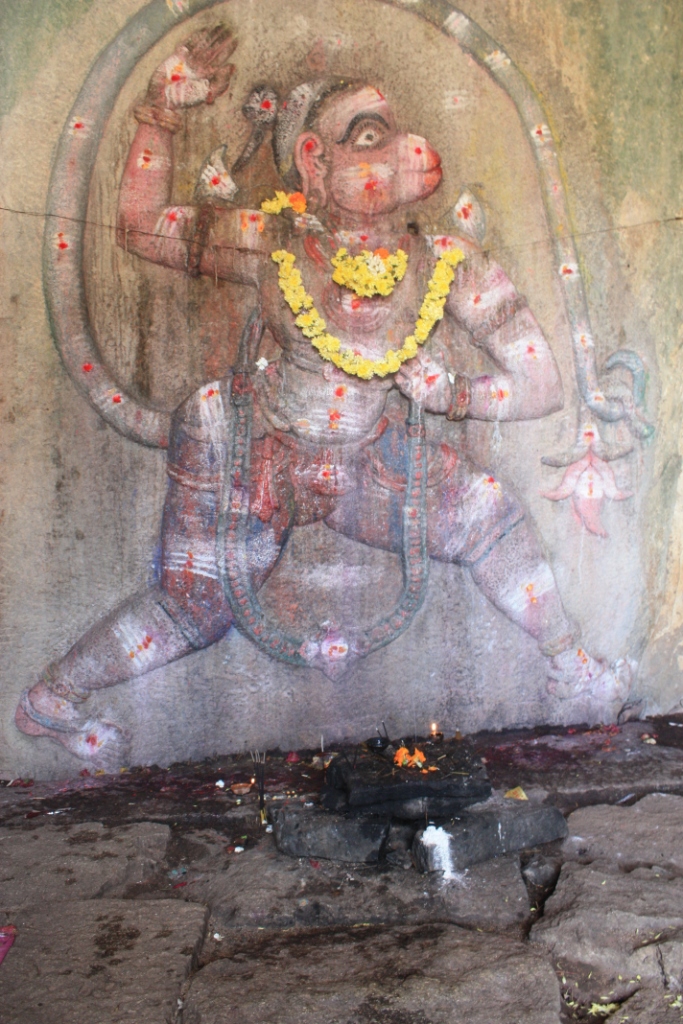
Among the many devotees of this Hindu deity are wrestlers, who admire the monkey-god for his reputed strength. In Rama’s war against Ravana, he was said to have picked up a mountain and carried it a great distance, which is pretty strong.

He’s not whimsical and mischievous like Sun Wukong, the Taoist monkey-king (who also has god-like powers), but some believe that Sun Wukong’s myth was partially influenced by Hanuman’s myth. (Of course, the more irreverent and anti-authoritarian Taoists had a different take than the caste-conscious Hindus. (Whimsicality and mischievousness are considered more virtuous among the former than the latter.)

This Hanuman temple is a small, stone-block affair abutting a giant boulder on the trail from Hampi Bazaar to Achyutaraya temple. As you can see, it still has local devotees.

DAILY PHOTO: Tiny Temple and Wind-blown Trees

Taken November 3, 2013 at Hampi.

Taken November 3, 2013 at Hampi.

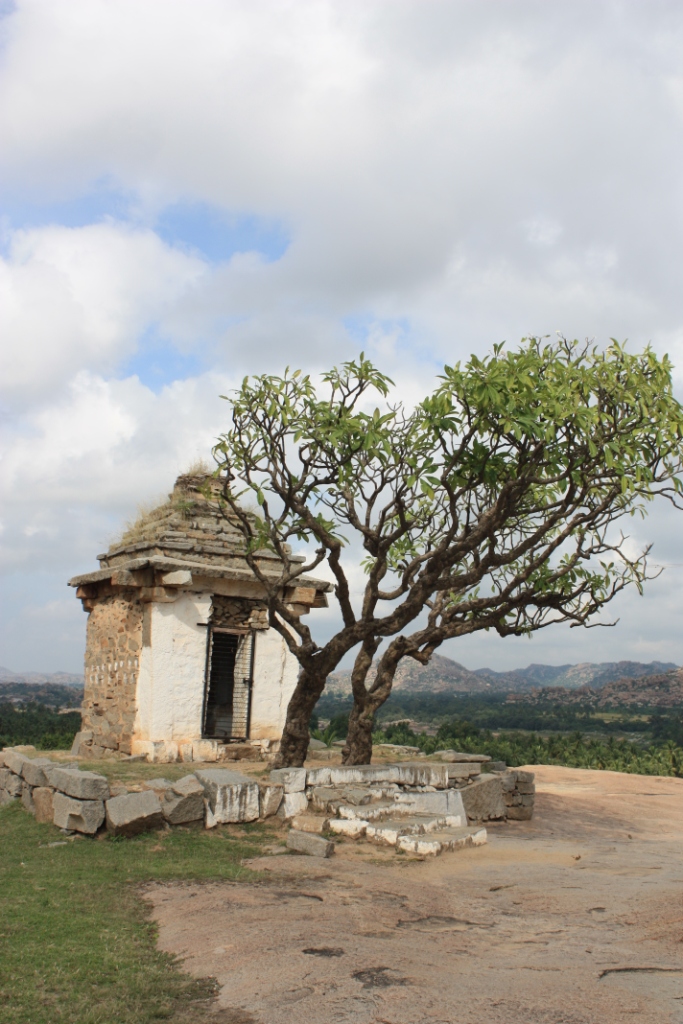
These trees, raising like hands out of fresh, graveyard soil in front of this tiny temple really captured my imagination. It would probably be a better picture in low light, when the creepiness of the scene could really root around in your brain–but I took what I could get.  There were a couple of places around Hampi that I thought would make the perfect setting for horror, and this was one. Another was the banyan tree that had many-colored satchets of rock tied to hang from the tree’s drooping roots.

This picture is taken on top of the hill that overlooks Virupaksha temple, not far from the Ganesh temple.

DAILY PHOTO: Black Marble Pillars of Hazara Rama Temple

Taken November 2, 2013 at Hampi.

Taken November 2, 2013 at Hampi.

There’s a good chance that Hazara Rama temple isn’t even mentioned in your guidebook. It’s on the loop that includes the Queen’s Bath, the Mahanavami Dibba, the Lotus temple, and the Elephant Stables, but it would be easy to dismiss as lesser ruins if you’re traveling by yourself. This would be a mistake. This small temple has some of the most impressive friezes and carvings at Hampi. This was the King’s own personal temple.

The centerpiece of the temple are four black marble pillars. While black marble can be seen commonly enough at sites in other parts of India (e.g. Agra), it’s a rare building material here. In fact, these pillars were the only use of black marble that I remember seeing at Hampi.  The marble holds the carved images better than the sedimentary stone that is most common at Hampi.

Experts say the most prized sight at Hazara Rama are the friezes of Vishnu as Buddha, which are apparently quite rare.

Out front.

Out front.