Taken on August 23, 2018 in the Chicago suburb of Wilmette.


Taken on August 23, 2018 in the Chicago suburb of Wilmette.
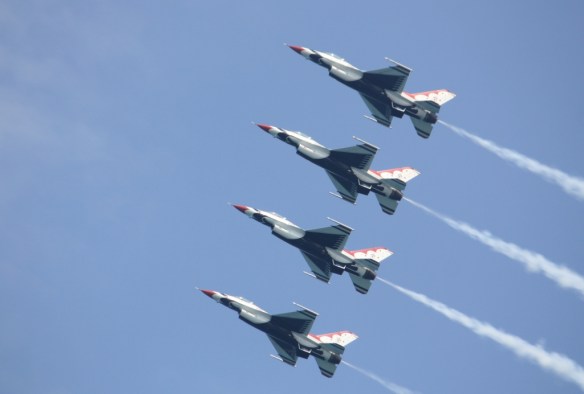
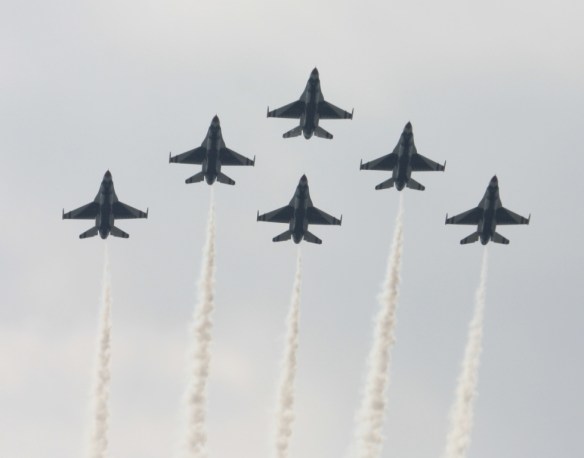

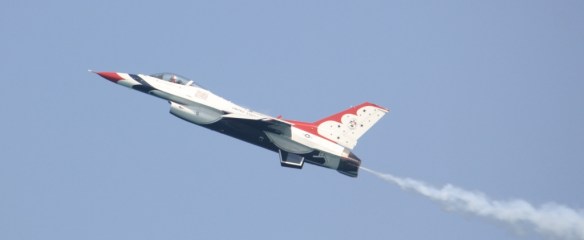
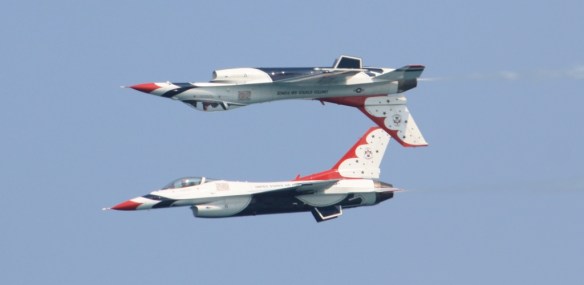
Taken on August 19, 2018 in Chicago at the 60th Air & Water Show.
 Chicago Poems by Carl Sandburg
My rating: 5 of 5 stars
This collection put Sandburg on the map as a literary figure. It opens with one of his most famous poems “Chicago” (i.e. “HOG Butcher for the World, Tool Maker, Stacker of Wheat…”) and – as the title suggests – the windy city is a recurring theme throughout the collection, and not just within the first of seven parts of the volume, which is eponymously named. Sandburg takes on the gritty and the glorious of Chicago. The collection includes about 140 poems of various lengths and styles.
The first part of this collection is by far the largest, consisting of about fifty poems, most of which are free verse or prose poems of short to intermediate length (a few lines to few pages per poem.) In addition to one of the most famous of Sandburg’s poems, “Chicago,” which opens the collection, there are a number of lesser known personal favorites in this part including: “Fish Crier,” “Happiness,” “Mag,” and “Mamie.”
The second part is called “Handfuls,” and – as the name suggests – it features short poems. This section begins with another of Sandburg’s most famous poems, “Fog” (i.e. The fog comes on little cat feet.”) The third part is entitled “War Poems” and it gathers together a few poems written during the First World War. My favorite is probably “Statistics” which takes an expectedly grim view of the nature of modern warfare with a bit of gallows humor. The other sections of the book are: “The Road and the End,” “Fogs and Fires,” “Shadows,” and “Other Poems (1900 – 1910.)”
Those who are familiar with Chicago will recognize the frequent references to streets and neighborhoods, but one needn’t be a Chicagoan to benefit from reading this collection. At times, the collection presents an edge of angry protest as Sandburg rails against Chicago as a place that grew opulently wealthy in the making of the modern world, but in which so many struggle to survive. However, it’s not all grim. Sandburg also dotes admiringly on the magnificence of the city. In fact, the theme presented in “Chicago” – a defense of the mixed nature of the city – can be seen exploded across the collection.
I enjoyed reading these poems. Sandburg uses both sound and imagery to evoke emotion. While he writes without rhyme and often without meter, he doesn’t abandon the sound quality (one need read no further than “Chicago” to hear this.) I’d recommend this book for all poetry readers.
Taken on August 17, 2018 in Chicago. This park is named for my favorite 18th century German naturalist. I recommend Andrea Wulf’s The Invention of Nature.


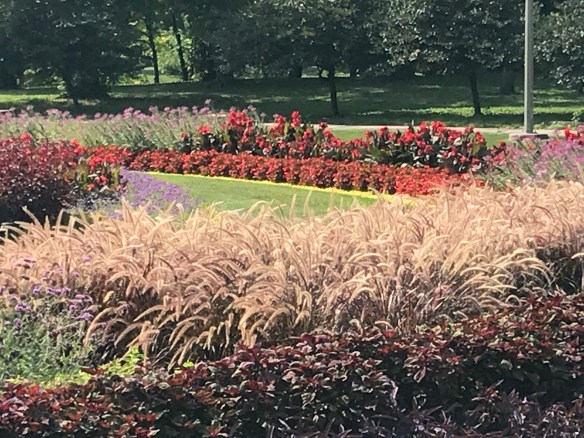
Taken on August 16, 2018 in Chicago.
Fun Fact: This park was to be called Central Park until President James Garfield was assassinated. (Not so fun a fact for Garfield, but he did get a park named after him. Not the most illustrious of parks, but then again he wasn’t the most illustrious of Presidents. Ironically, Garfield Park has a very nice sculpture of Lincoln, a much more highly lauded President with a vastly more impressive Chicago Park.


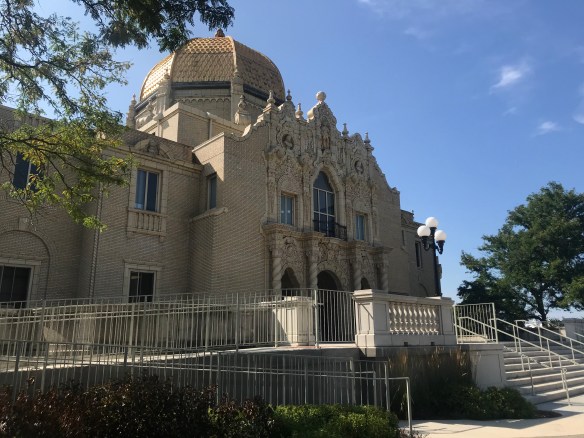

Taken on August 14, 2018 at the Museum of Science and Industry
Taken on August 15, 2018 in The Garden of the Phoenix in Jackson Park, Chicago.
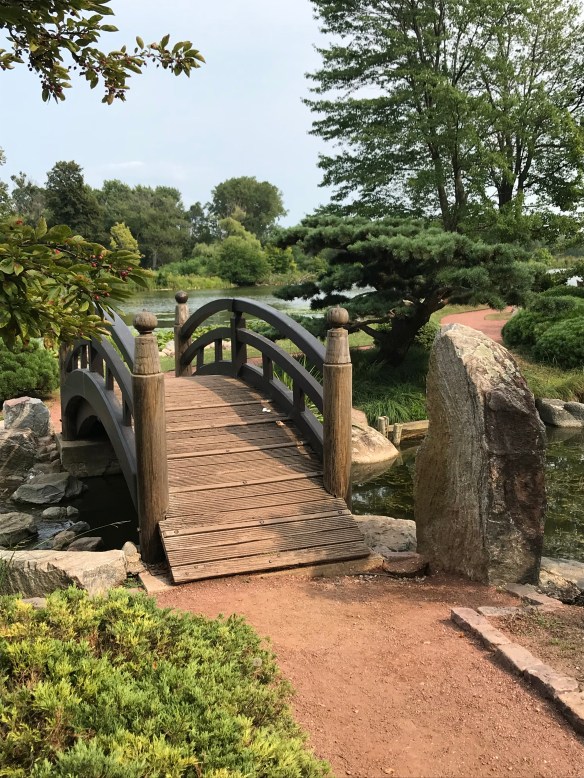


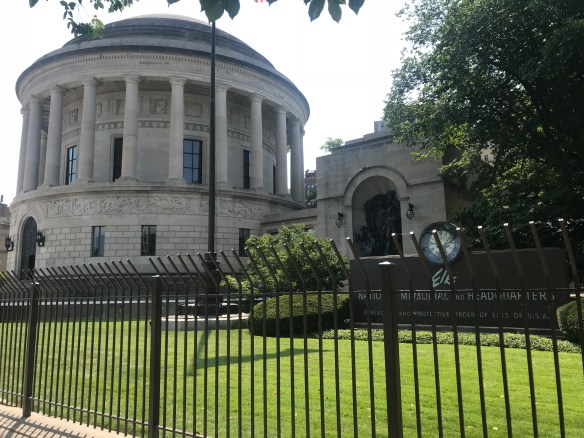

 Tiger Riding for Beginners