Unknown's avatar

About B Gourley

Bernie Gourley is a writer living in Bangalore, India. His poetry collection, Poems of the Introverted Yogi is now available on Amazon. He teaches yoga, with a specialization in pranayama, and holds a RYT500 certification. For most of his adult life, he practiced martial arts, including: Kobudo, Muay Thai, Kalaripayattu, and Taiji. He is a world traveler, having visited more than 40 countries around the globe.
6 Reasons This Site Isn’t Numeric Lists

1.) Math was never my strong suit.

2.) I believe the transitive property is a conspiracy from the people who brought us the “moon-landing” and the “second law of thermodynamics.”

3.) I have a mild case of attention deficit disorder.

3.) I have a mild case of attention deficit disorder.

4.) Mom said, “If the people who use numeric lists jumped off a bridge, would you?”

5.) Vague David Letterman threat, “I didn’t get rich letting people steal my shit.” 

6.) Apparently, seven ate nine, making top 10 lists a mathematic impossibility.

Angkor Photos, Part 4

This is the fourth and final installment of pictures from my October 2012 visit to Angkor in Cambodia.

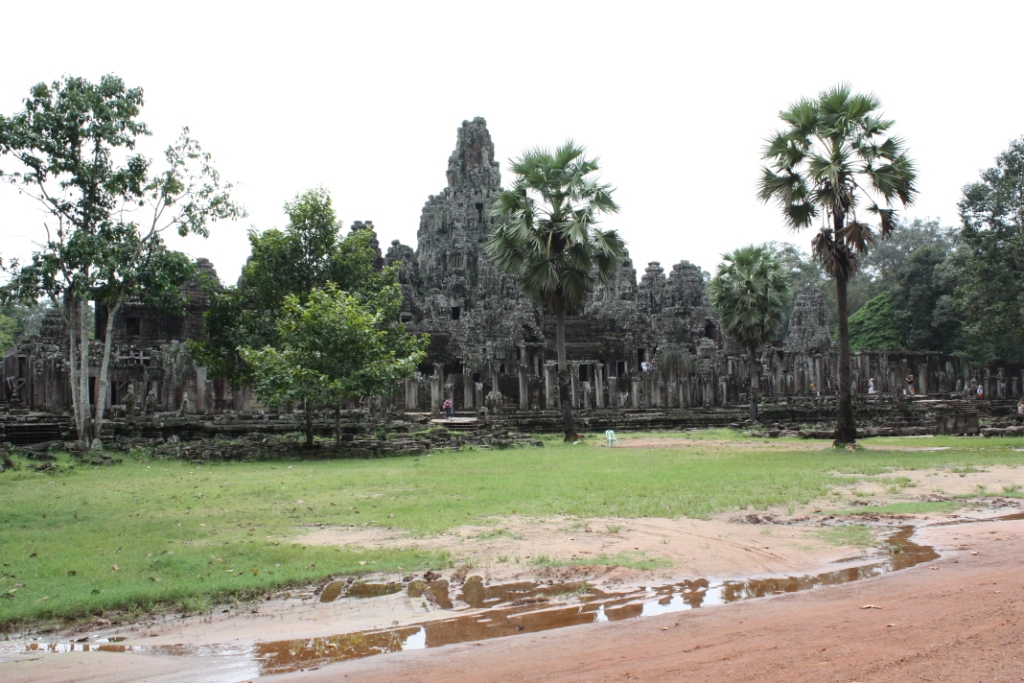
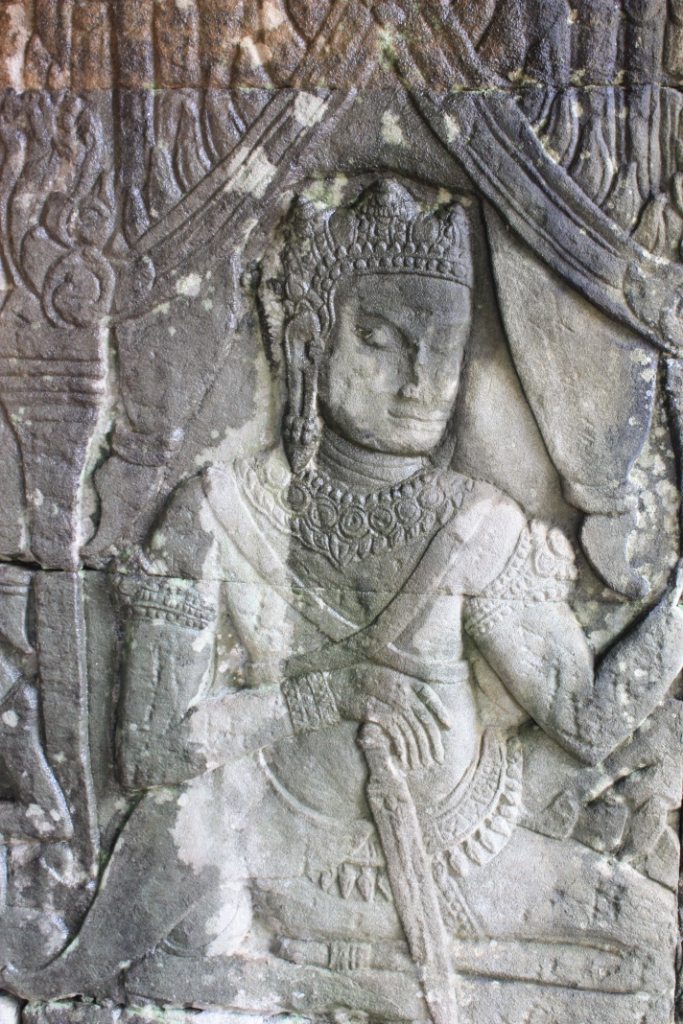
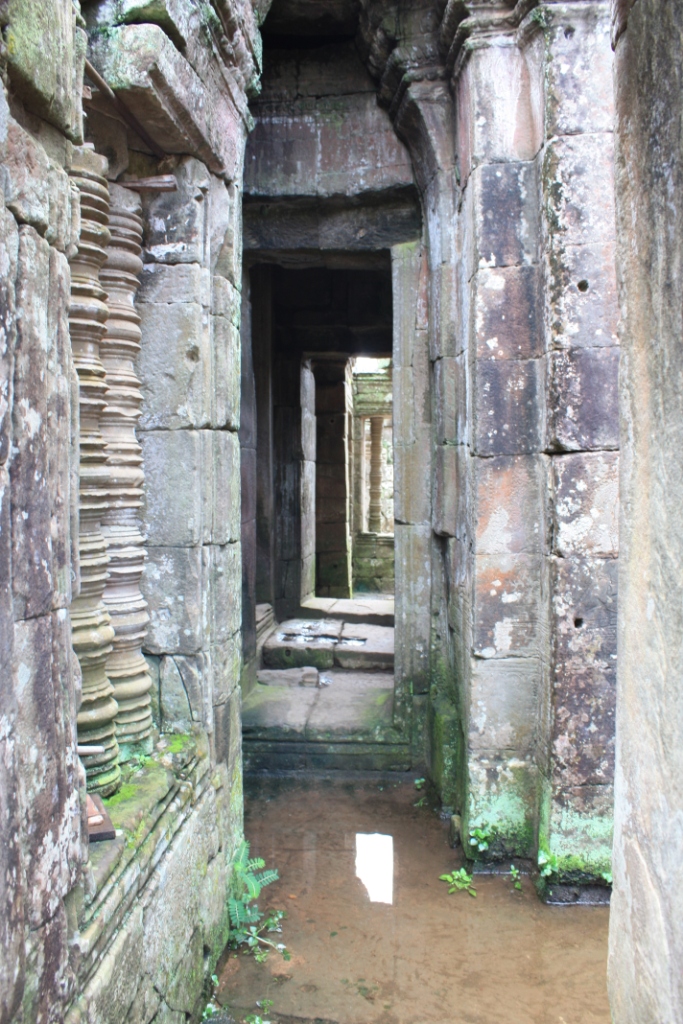
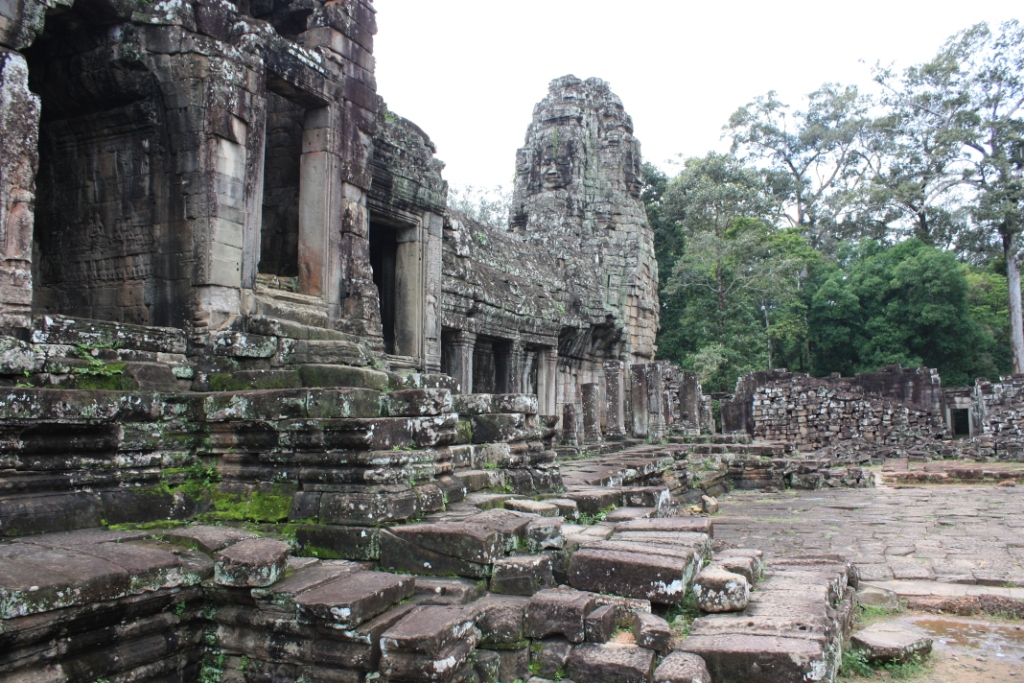
These are all from the Bayon, a large temple in Angkor Thom. Unlike many of the sites that were originally Hindu and were later modified to meet the needs of Buddhist successors, this was built as a Mahayana temple — though later Hindu and Theravada Buddhist leaders made changes.

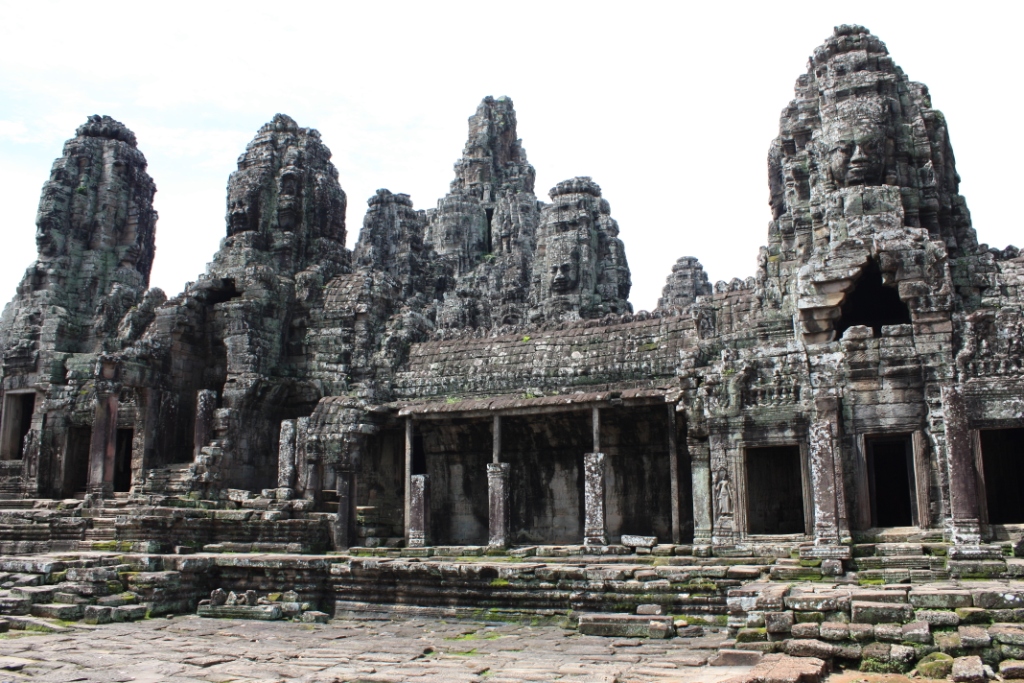
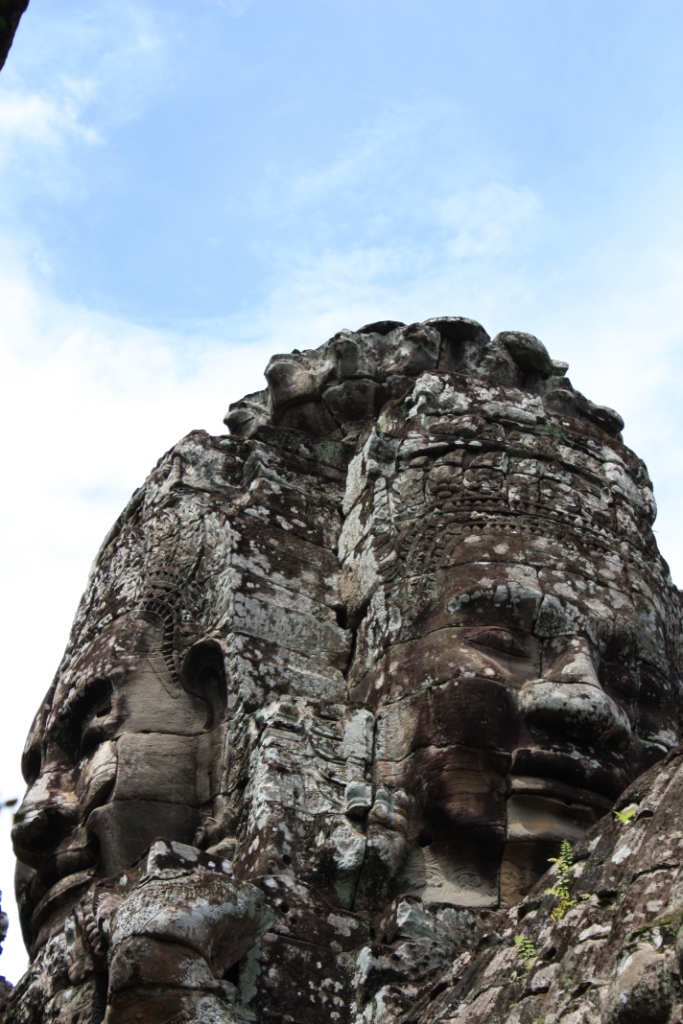
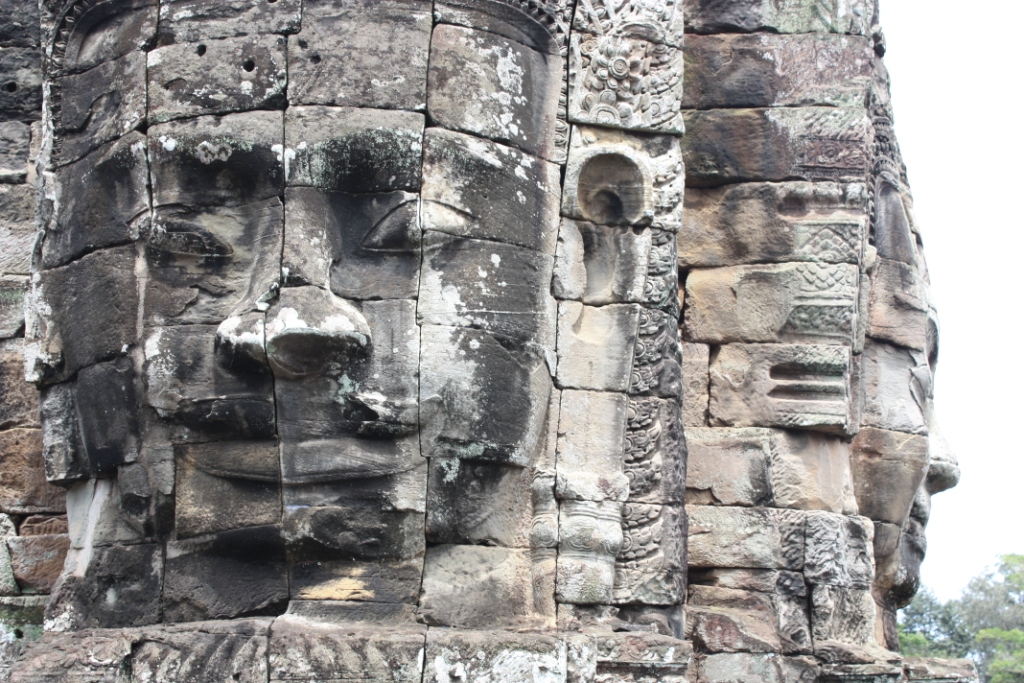
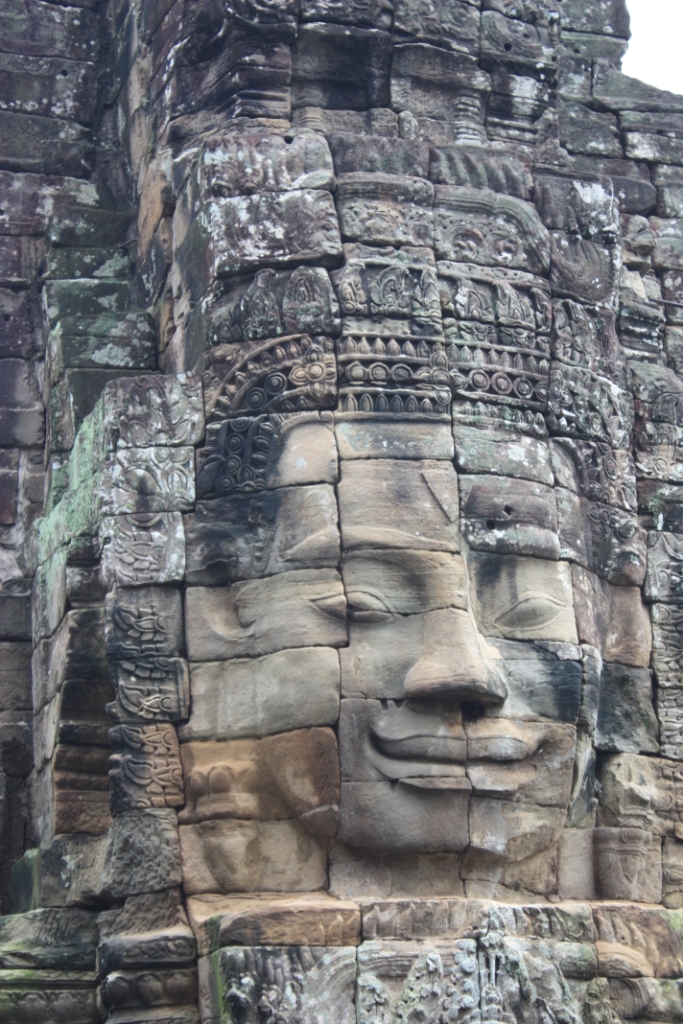
The Bayon is sometimes called the temple of a thousand faces. The reason will be clear.

The site is circled by the road through Angkor Thom.

The site is circled by the road through Angkor Thom.

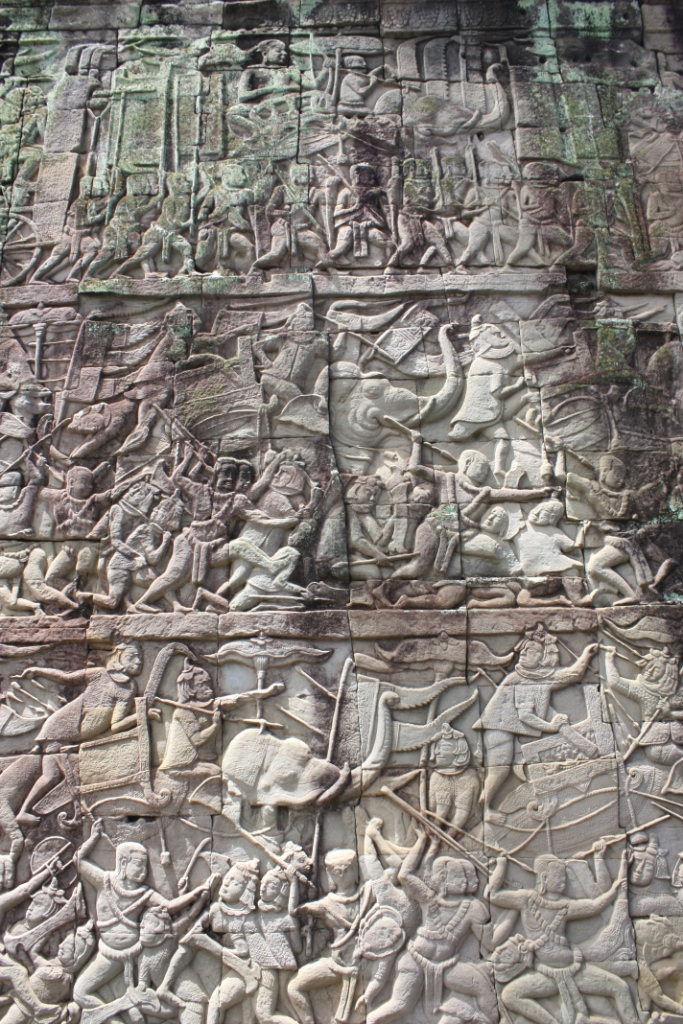
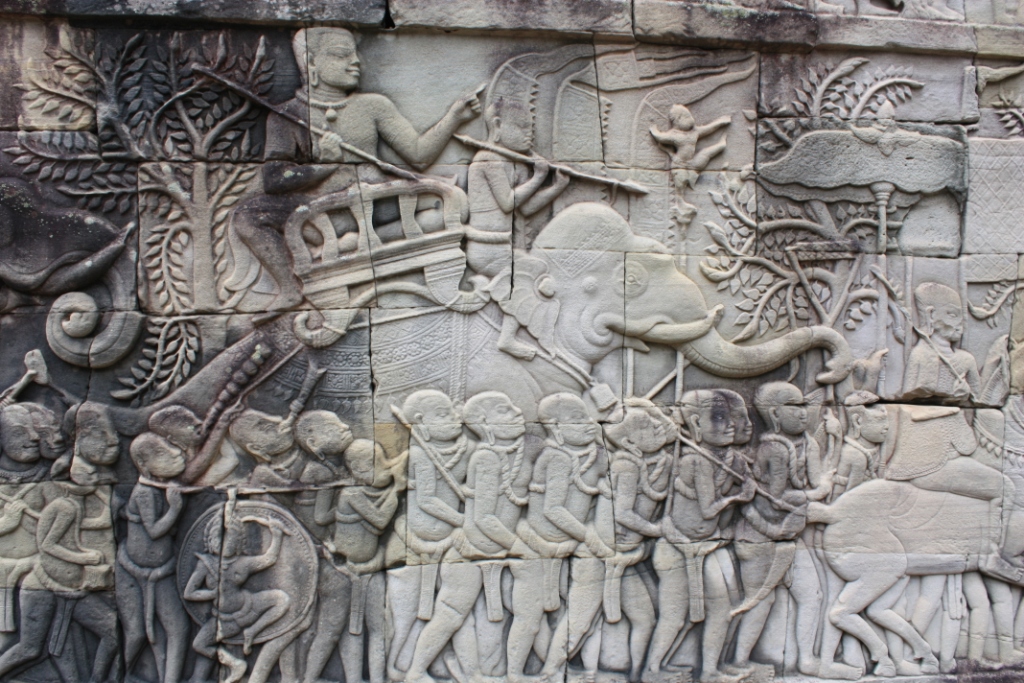
A three-tiered bas relief depicts battles with the Champa.

A three-tiered bas relief depicts battles with the Champa.

Northside facade

Northside facade

Wall carving

Wall carving

Janus-faced spire

Janus-faced spire

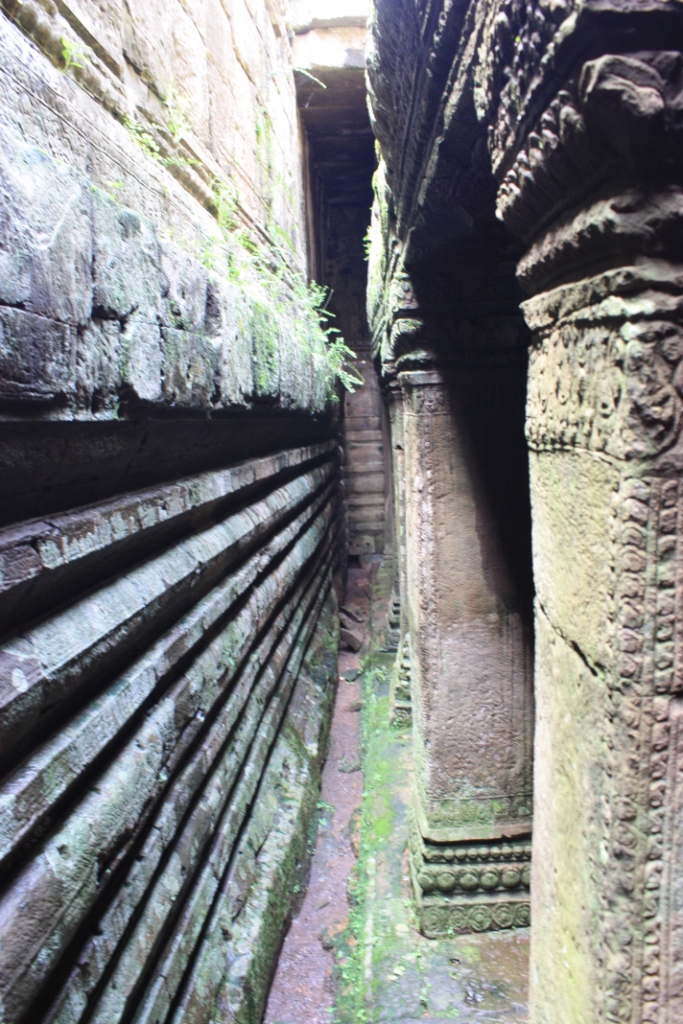
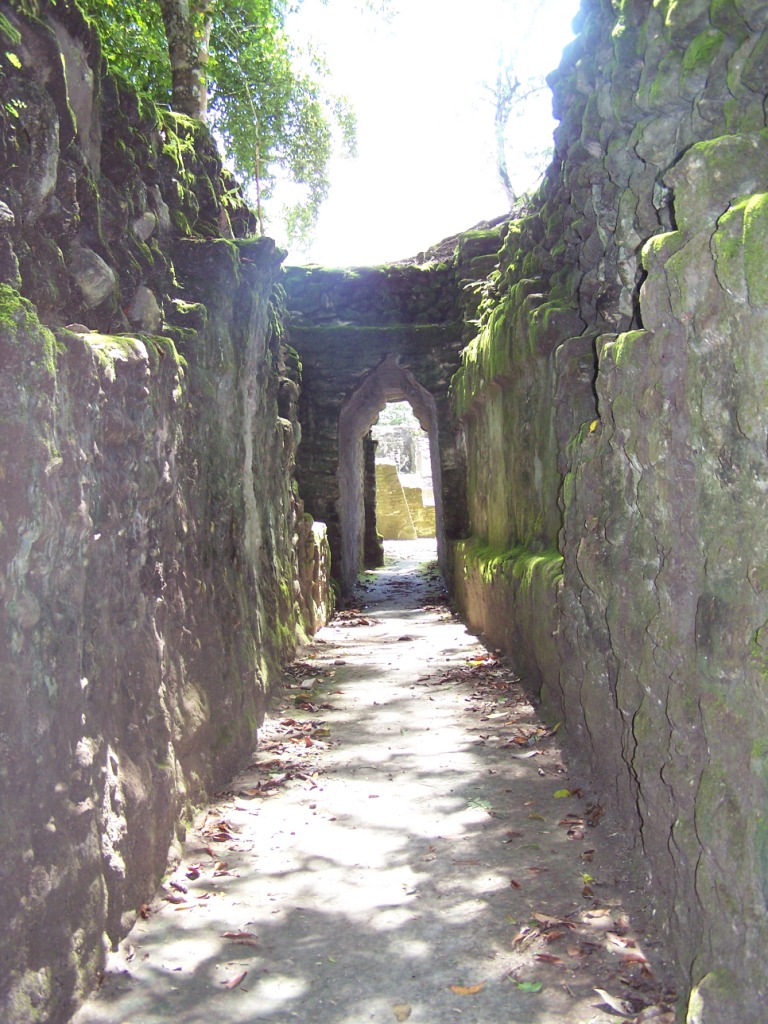
One can see what looks like old foundations that were built over.

One can see what looks like old foundations that were built over.

more faces

more faces

Water standing in the lower level of the temple.

Water standing in the lower level of the temple.

Another face, one can see the size of the blocks from which the sculptures were formed.

Another face, one can see the size of the blocks from which the sculptures were formed.

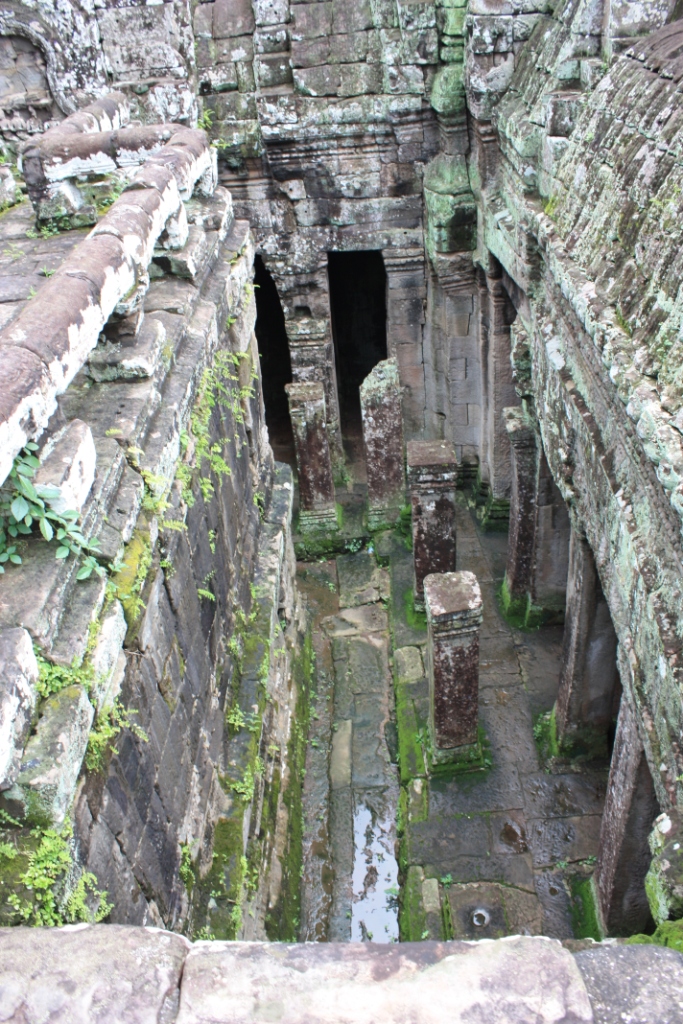
Looking down at the substructure from above

Looking down at the substructure from above

The south facade

The south facade

More bas relief.

More bas relief.


Where in the World Photo Game #2

The answer to the WitW Photo Game #1 (Chez Bernard Café) was Ulan Bator, Mongolia.

Here’s one for those interested in archaeology.

Where was I?

Where was I?

Angkor Photos, Part 3

This is the third installment of photos from Angkor that I took in October 2012. Unlike the previous two installments, each of which included photos from multiple sites, all of these photos come from the Angkor Wat. (While most people think of the entirety of the ancient city as Angkor Wat, in reality Angkor Wat is just a portion (granted a big and important portion) of what was the city of Angkor. “Wat” means temple, and this was the main (though by no means the only) temple in the ancient Khmeri capital.

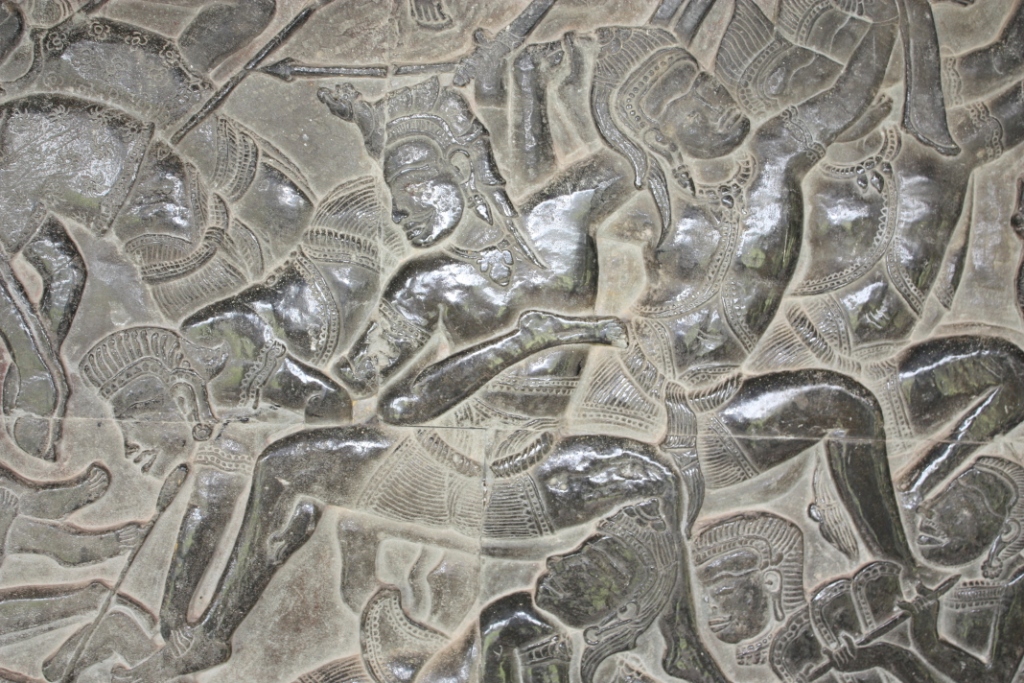
This is part of a massive bas relief  battle scene

This is part of a massive bas relief battle scene

You can see where someone gouged out a cube of the wall (lower right.)

You can see where someone gouged out a cube of the wall (lower right.)

One of the courtyards of the main temple building

One of the courtyards of the main temple building

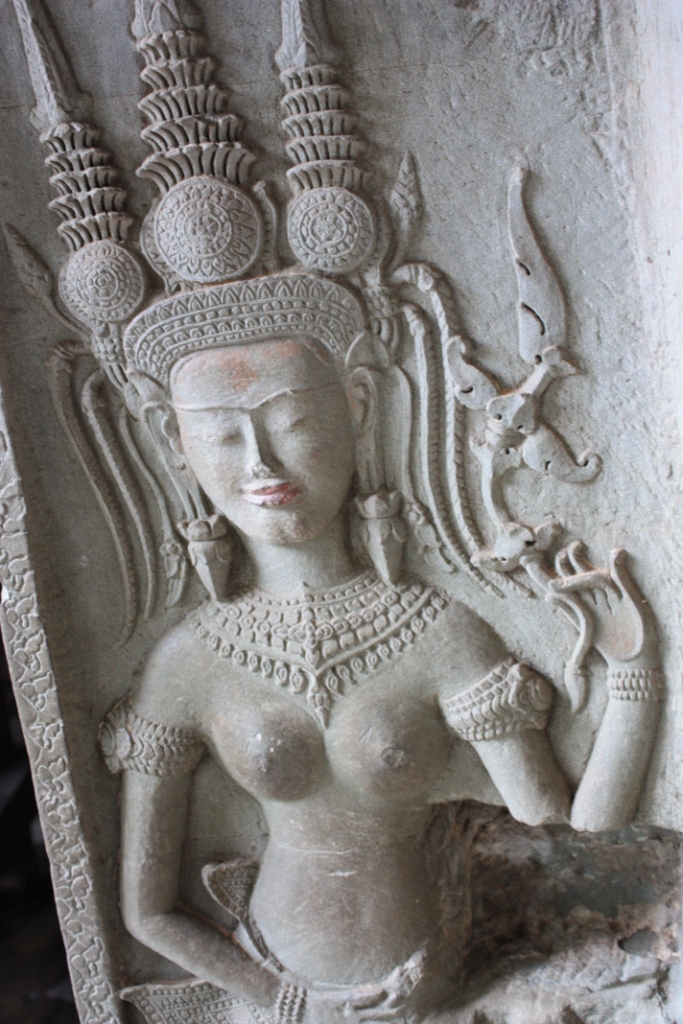
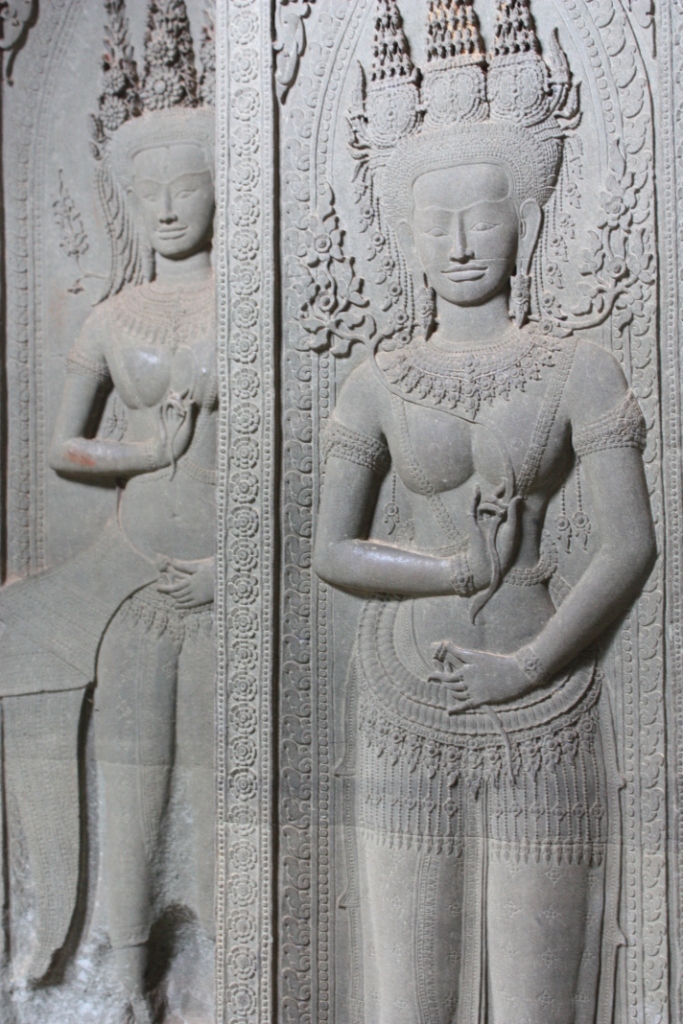
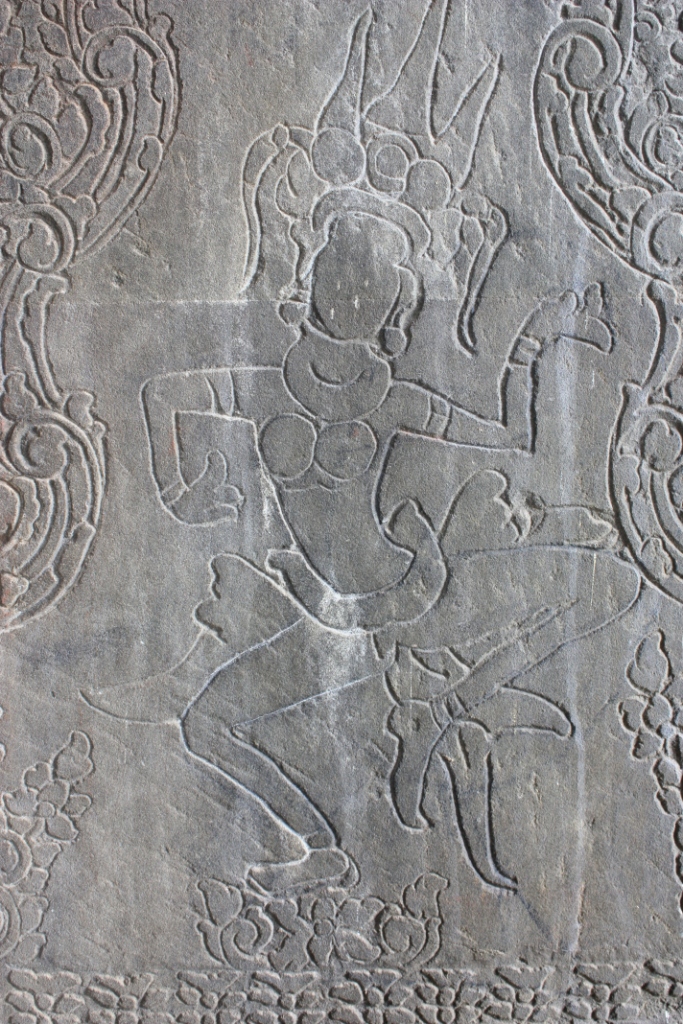
There are hundreds of these bodaciously ta-ta'd maidens on the site.

There are hundreds of these on the site.


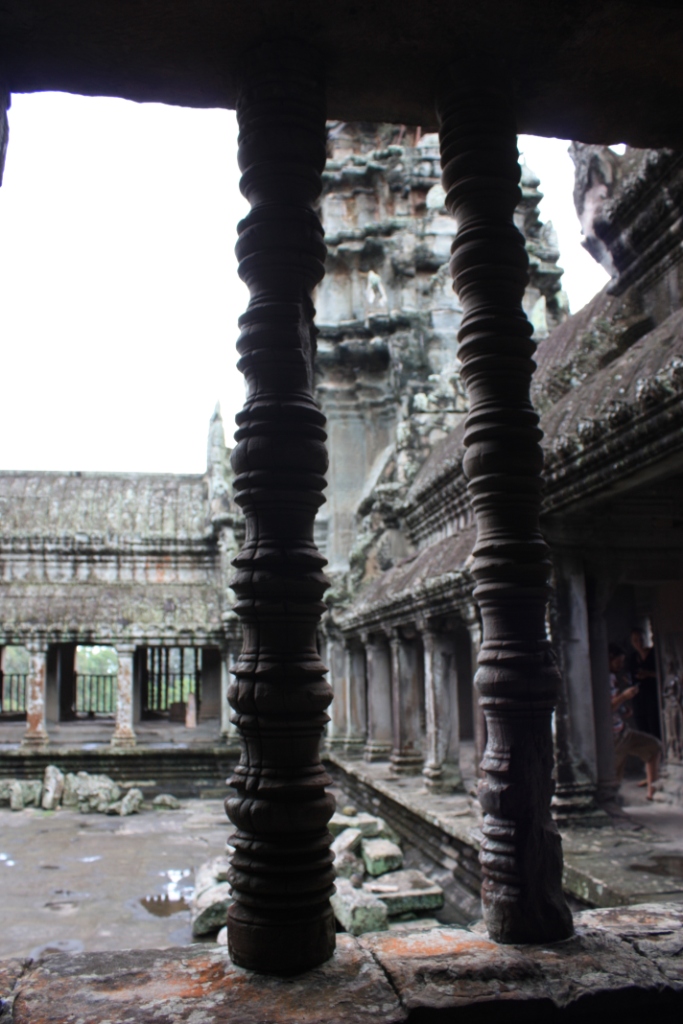
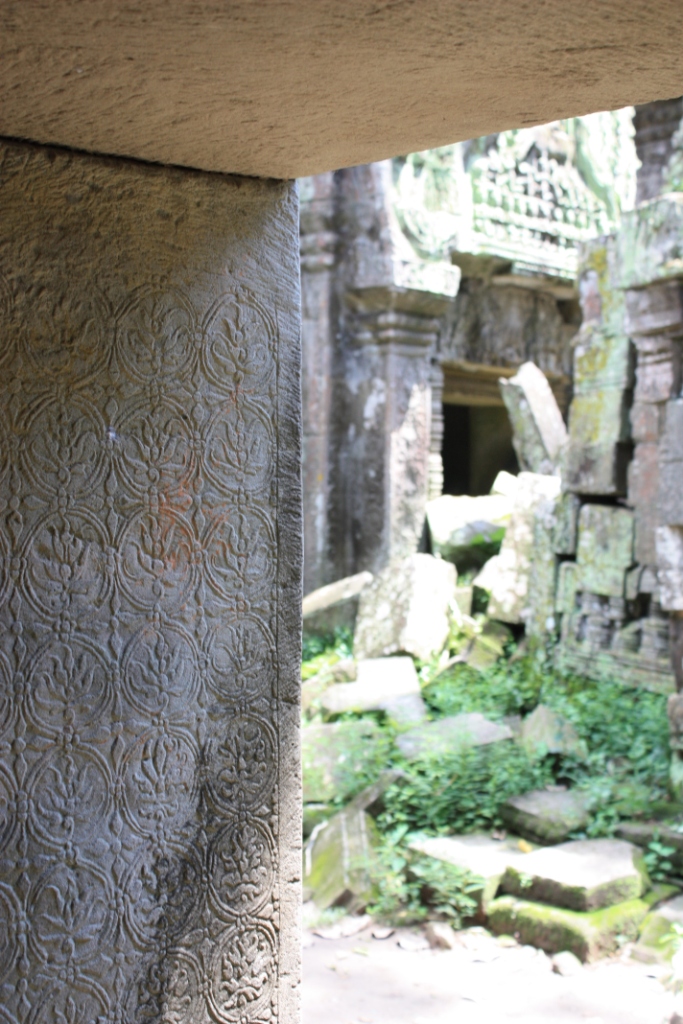
Courtyard as seen through a window with a couple pillars remaining

Courtyard as seen through a window with a couple pillars remaining

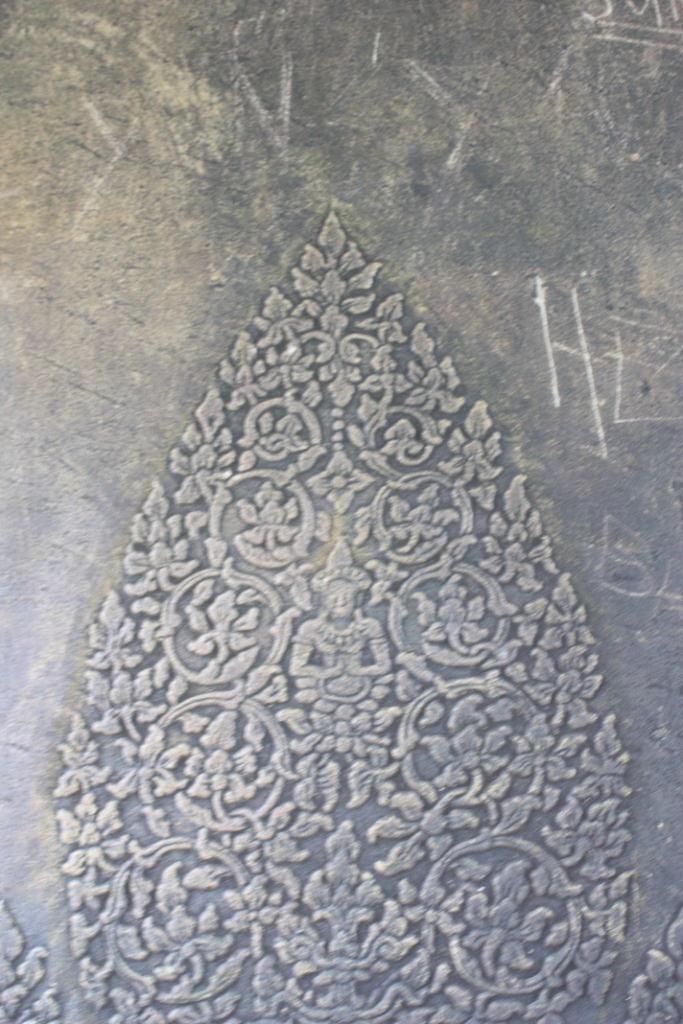
Ornate wall carvings abound

Ornate wall carvings abound

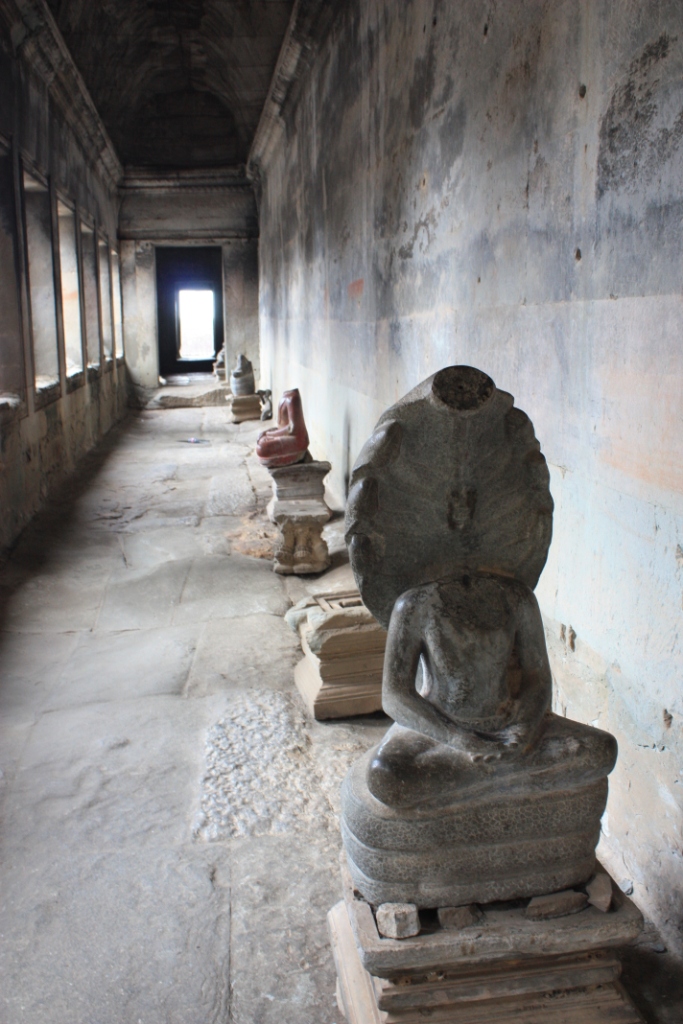
Between theft from the French, vandals, and the Khmer Rouge, most Angkor Wat Buddhas lack heads

Between theft from the French, vandals, and the Khmer Rouge, most Angkor Wat Buddhas lack heads


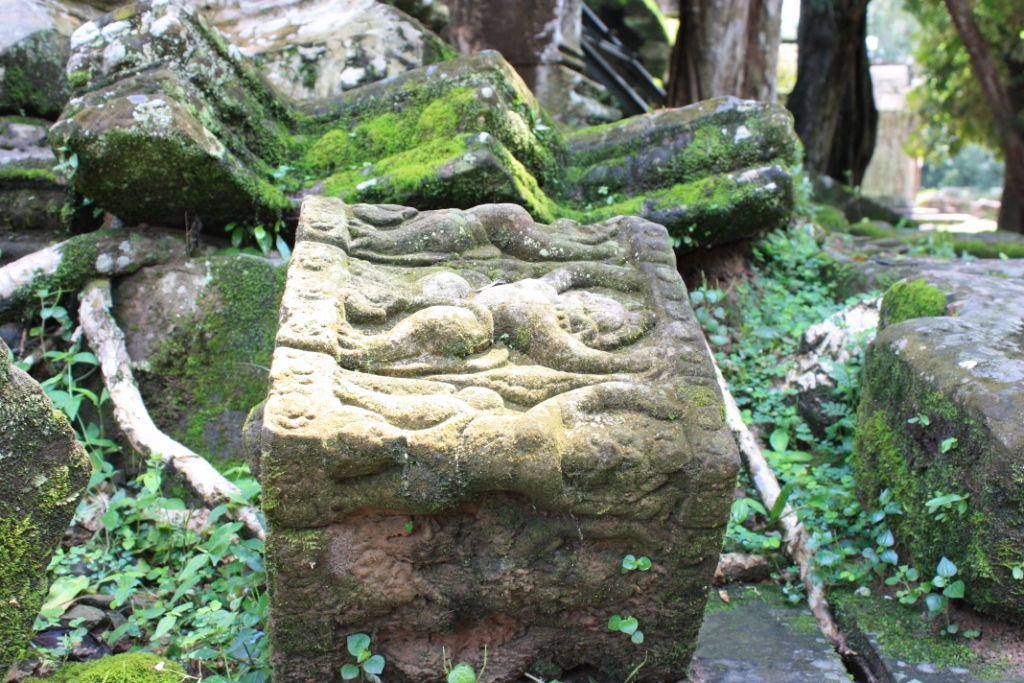
Another wall carving

Another wall carving roughed out

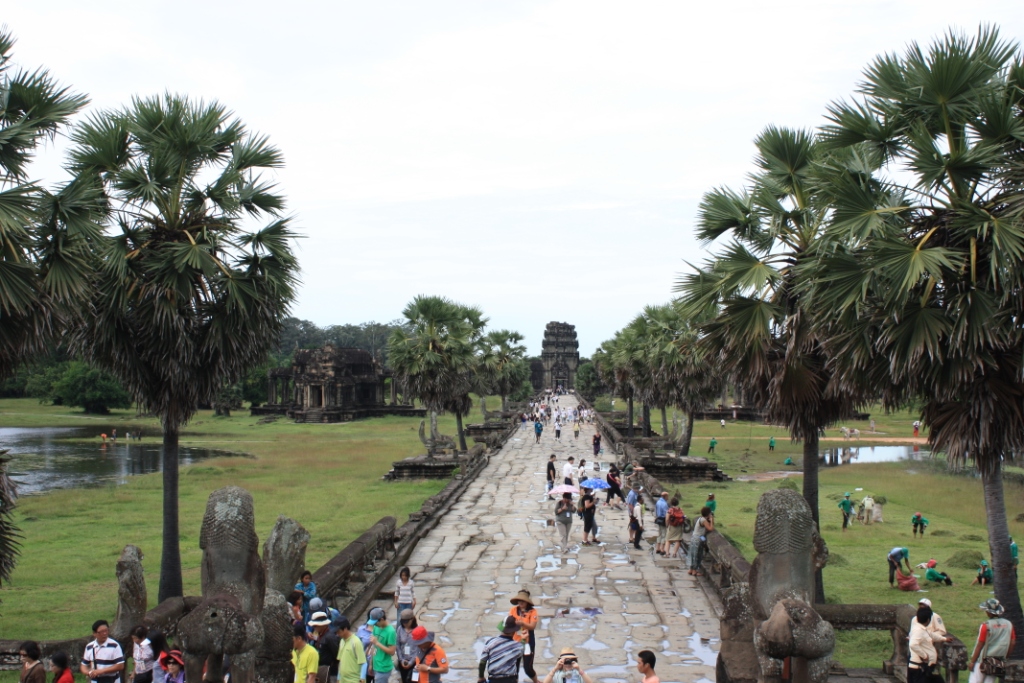
The main walk. There is a bridge across this moat which is contiguous with this grand walk.

The main walk. There is a bridge across this moat which is contiguous with this grand walk.

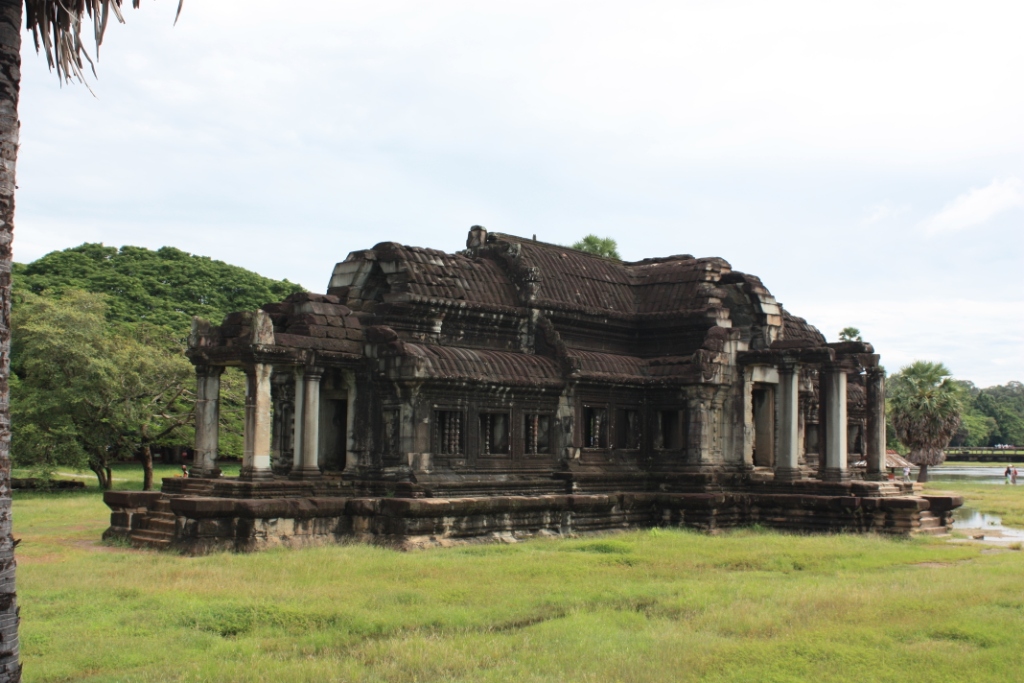
These are symmetrically located to either side of the main walk.

These are symmetrically located to either side of the main walk.

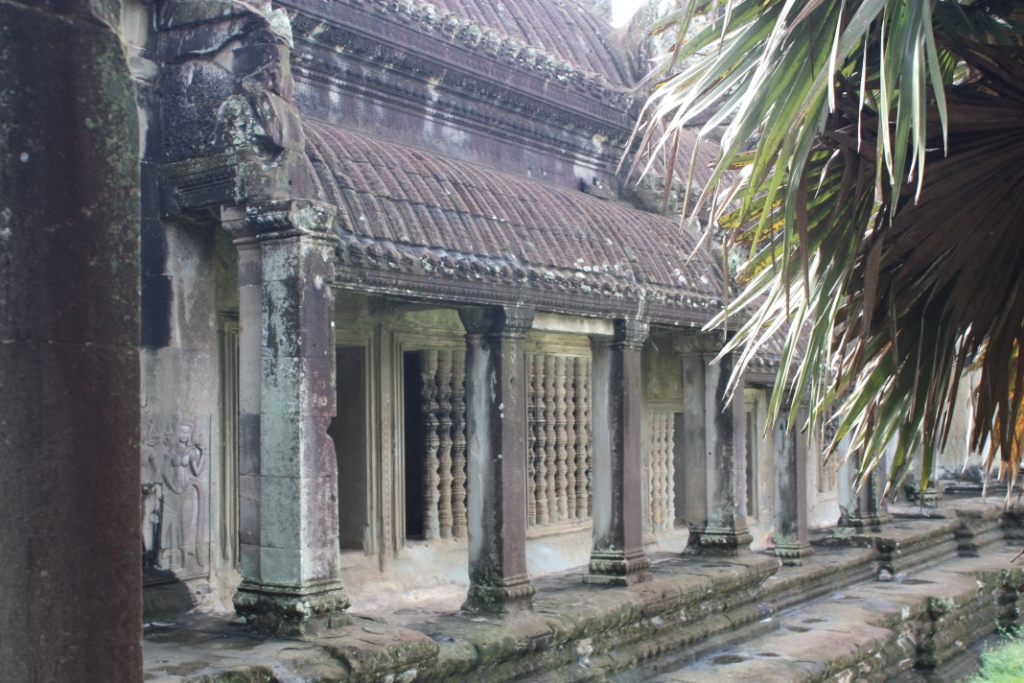
Temple facade

Temple facade


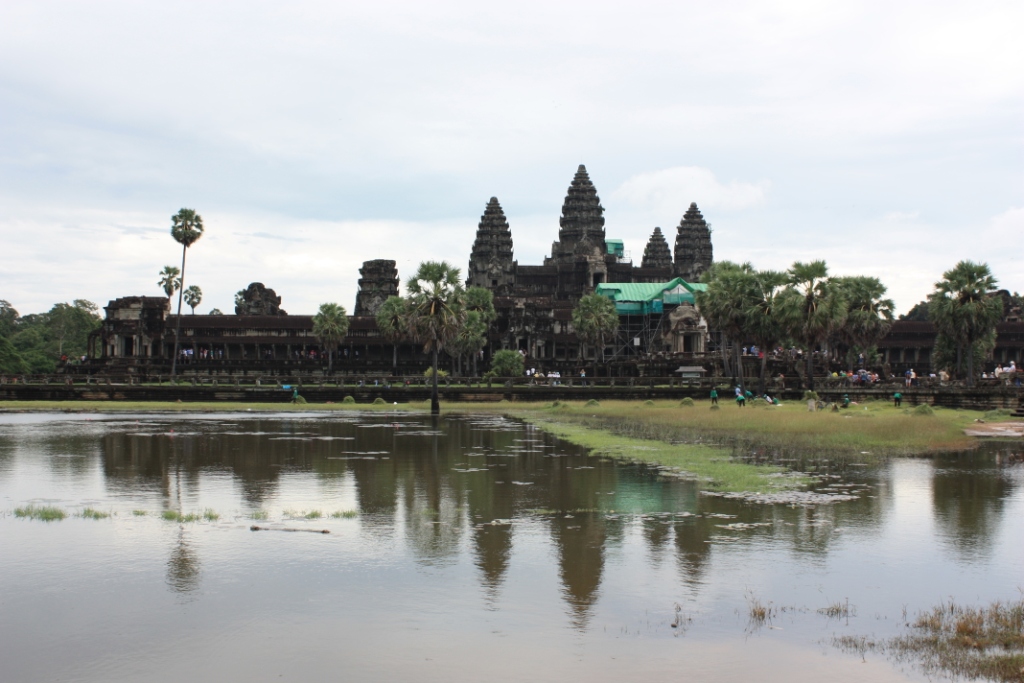
Wet season was just ending when we visited. Standing water was ubiquitous.

Wet season was just ending when we visited. Standing water was ubiquitous.

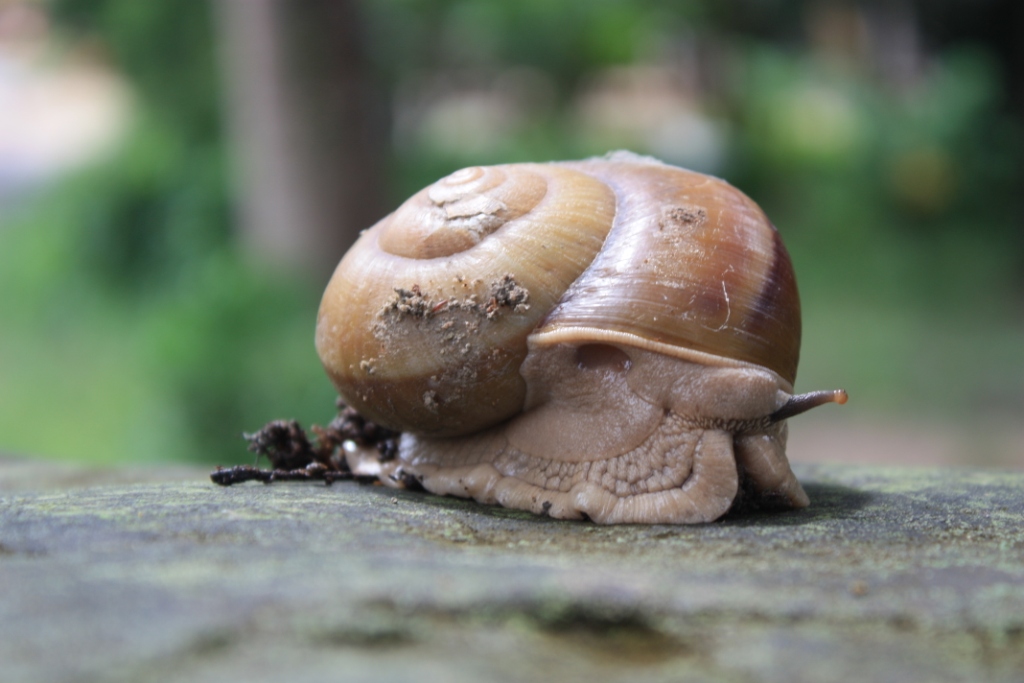
Escargot like these may have been why the French colonized this country.

Escargot like these may have been why the French colonized this country.


Where in the World Photo Game#1

Where was I?

Where was I?

I took this photo in 2007 because the place had an awesome name and I liked the sunflower motif. My question to you is in which city do you think it was taken?

I’ll put the answer in the comments tomorrow, and in the #2 post.

Angkor Photos, Part 2

More photos from my October 2012 visit to Angkor in Cambodia.

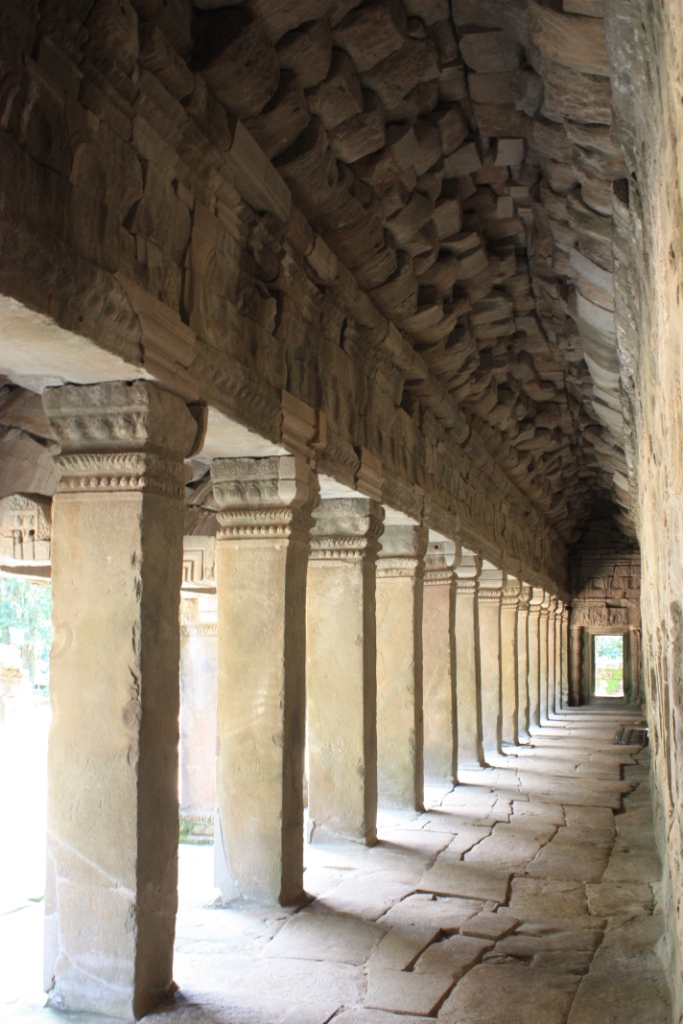
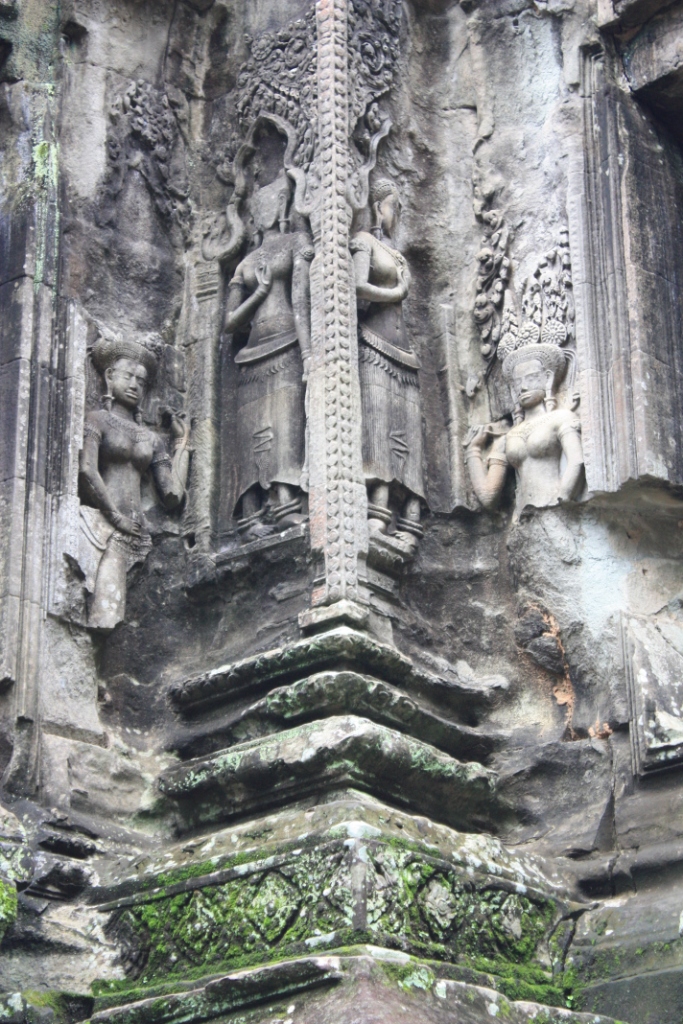
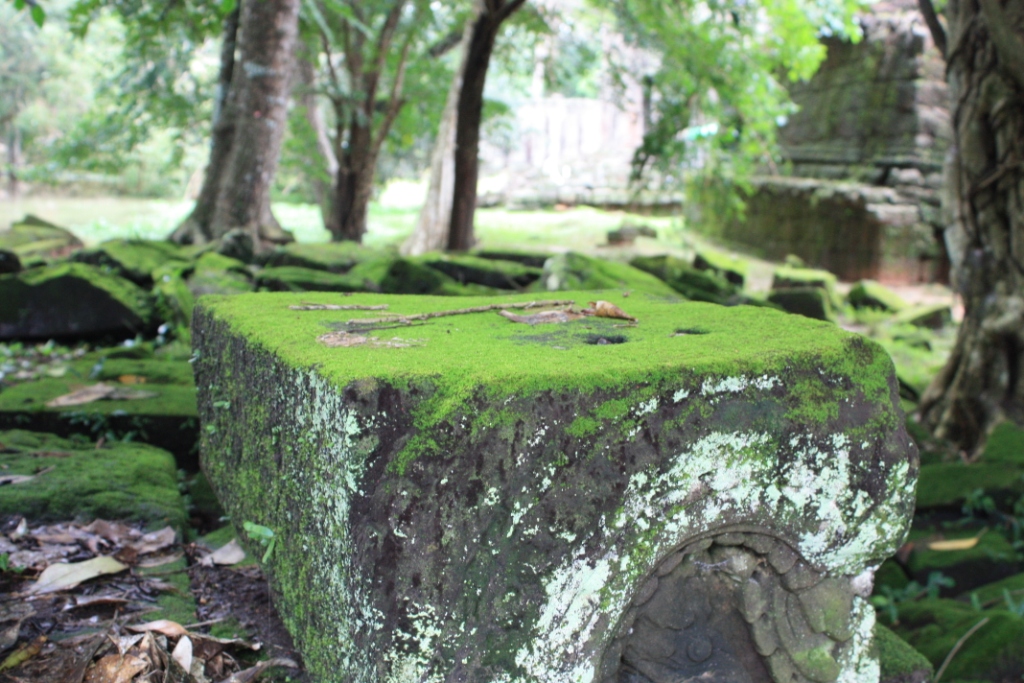
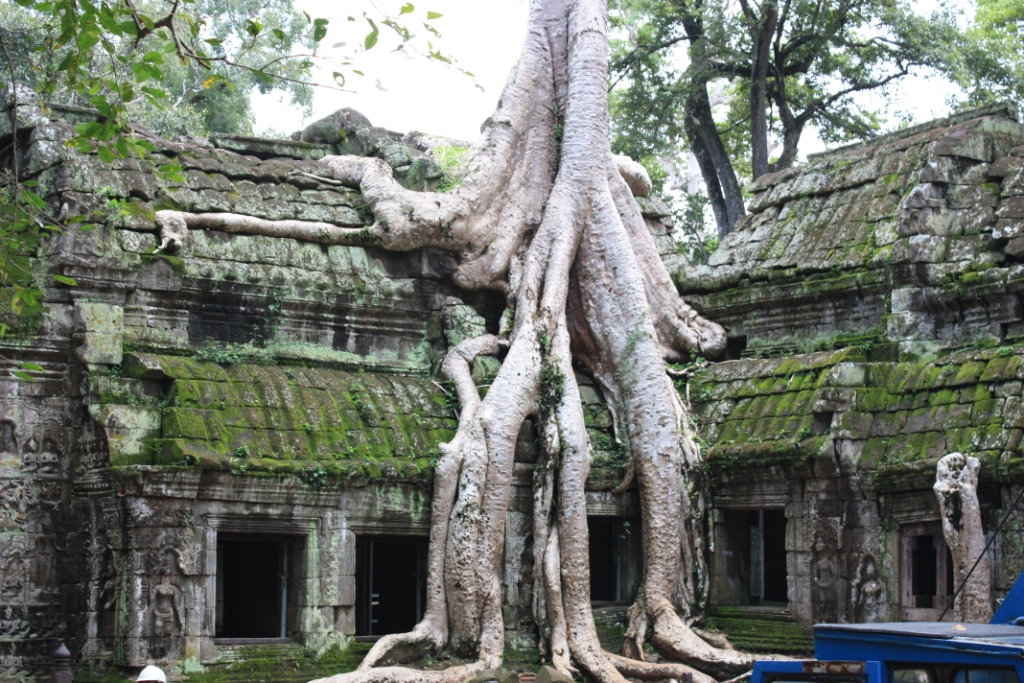
Ta Prohm

Ta Prohm

Ta Prohm

Ta Prohm

Ta Prohm

Ta Prohm

Ta Prohm

Ta Prohm

Ta Prohm

Ta Prohm

Thommanom

Thommanom

Ta Som

Ta Som

Ta Som? or perhaps Preah Khan

Ta Som? or perhaps Preah Khan

Neak Pean

Neak Pean

Ta Som (I think)

Ta Som (I think)

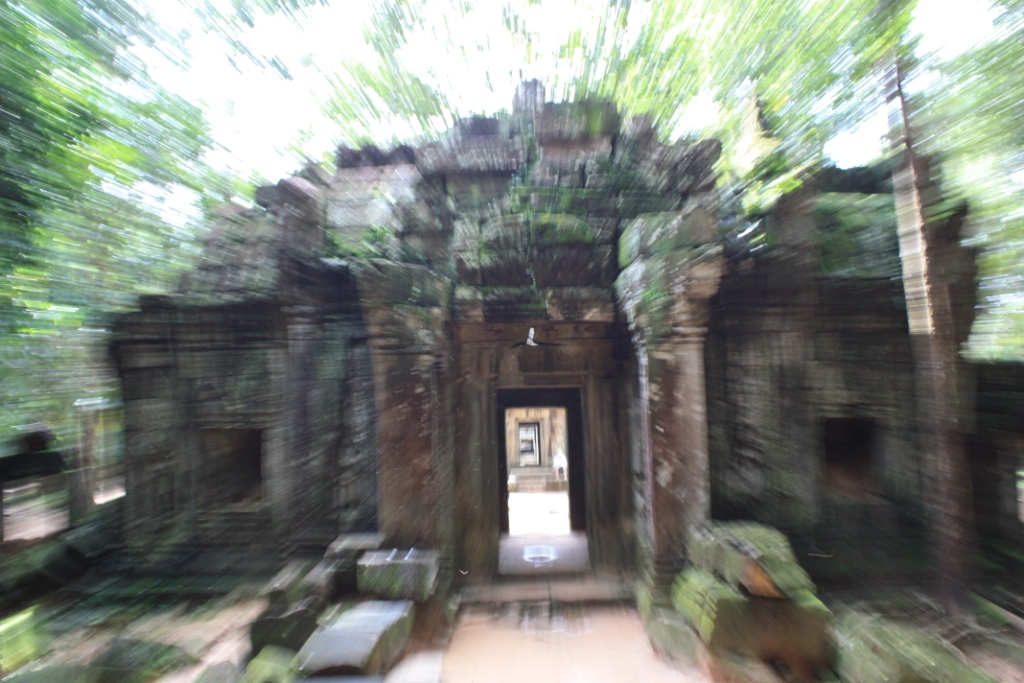
Ta Som (I'm not sure how this happened, it was a purely accidental effect.)

Ta Som (I’m not sure how this happened, it was a purely accidental effect.)

Ta Som

Ta Som

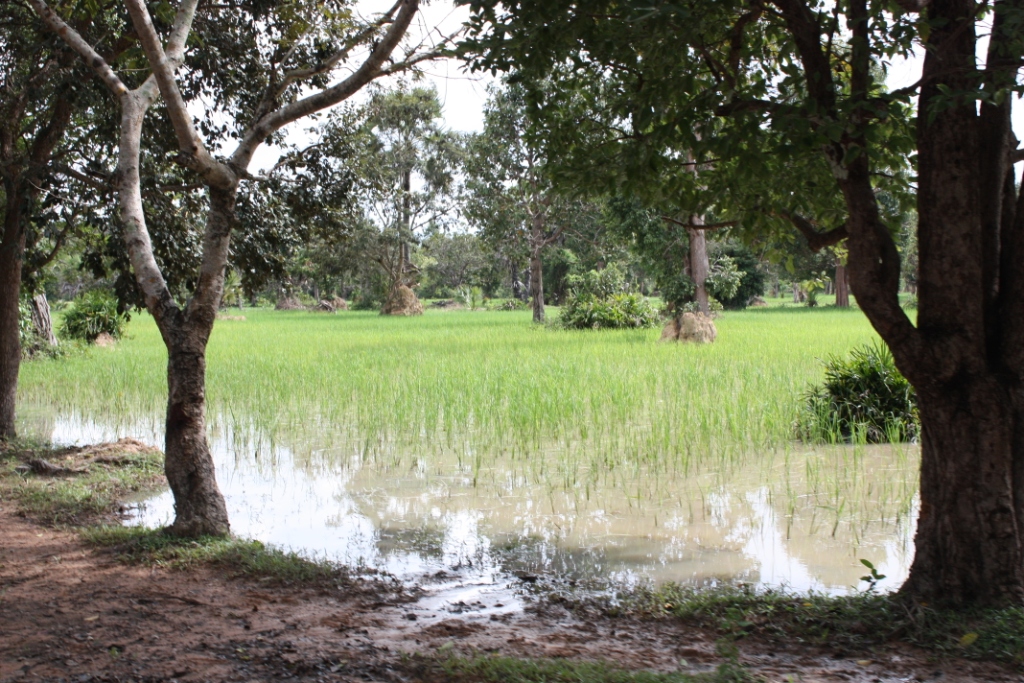
Rice paddies near the East Baray

Rice paddies near the East Baray

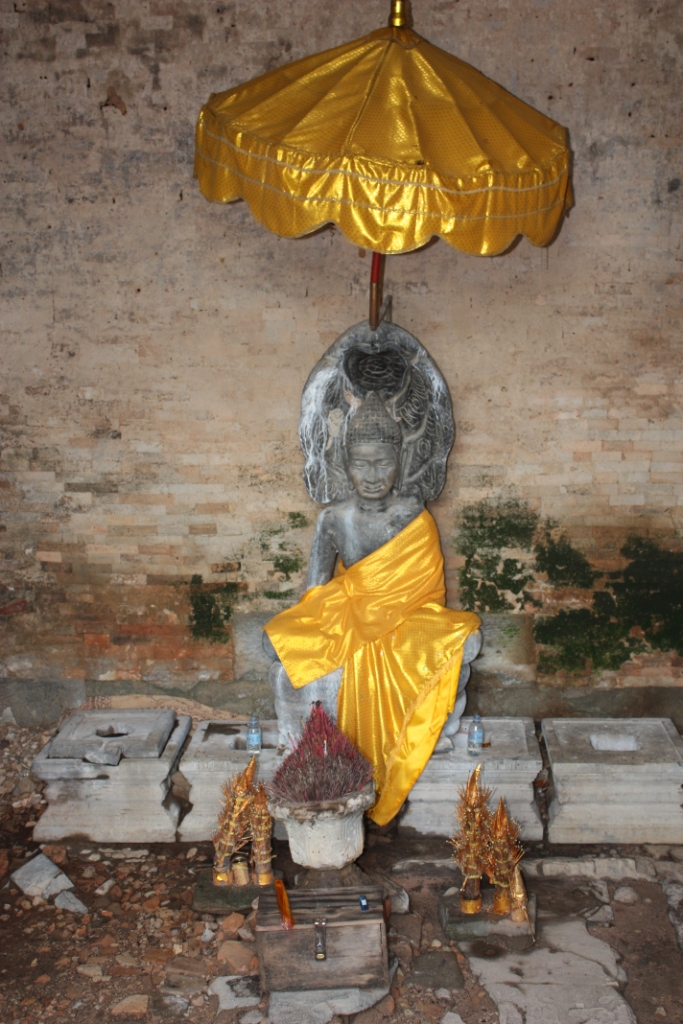
Buddha near Srah Srang

Buddha near Srah Srang

Pre Rup

Pre Rup

NASA Finds Poetry by Paula Nancy Millstone Jennings.

The poetry of Paula Nancy Millstone Jennings of Greenbridge, Essex, England was thought to have been completely lost when the Earth was demolished to make way for an interstellar expressway. However, a scrap was found adrift in space. Scientists believe the sheer awfulness of the poem may have made it impervious to incineration, which is to say that the rays of the Vogon demolition beams refused to land upon the piece.  


Your Love

Your love, it warms me
like a midsummer’s flatulence.
I reel like a sorority girl in her
first instance of crapulence

I’m cocooned in an embrace
that reeks of tepid tapioca.
Tapioca, all lumps and fangs
fangs so very, very… very pointy.

[INTERPRETIVE INTERLUDE:  Herein the reader is encouraged to recreate their own impression of the first two stanzas through a capella interpretive dance…

Well, that should be quite enough, shouldn’t it? You got a bit carried away, I should say.]

Your squarish face squishes in my Winnebago memories
I’m a steel town girl on a Wednesday night that is so dim, dimmish, darkid.
Fluffernutter is like butter but jaundiced by mallowy goodness
Spreading it on pickled herring makes a treat that smells like feet

–          a quart of milk

–          lima beans

–          three frozen pizzas

–          hemorrhoid crème (not the mint kind this time)

And brings out the wicked amour of one who is without more, sans  more.
But I need more; I must have… something, something [you get the drift.]

In summary, you are the wind above my wings.

[Dear estate of Douglas Adams, Please do not sue me. I am so very, very… very poor. That goes for the estates of Bette Midler and Hall and Oates as well…  (Oh, you say those people are alive? Really?)]

Book Review: Takagi Oriemon, Budo Hero of Shiroishi

9781447769033Takagi Oriemon: Budō Hero of Shiroishi by Mamiya Hyoemon

My rating: 4 of 5 stars

This is an English translation of a book that was written long ago. The translation is by the Jinenkan Honbu Dojo — specifically Manaka Unsui (the head [Kancho] of the Jinenkan) and his students Robert Gray, Maurizio Mandarino, and Eric Shahan. The original is entitled Budo Shiroishi no Ei and was written in Japanese.

The book is the story of the seven-year warrior pilgrimage (musha shugyo) of a warrior named Takagi Oriemon who lived from 1625 to 1711. Takagi founded a martial arts school that, as was typical, branched out over the centuries. As I understand it, there are two or three descendant schools still in existence today.

Takagi was legendary for his strength. The book offers many accounts of descriptions of both his physical strength (from moving boulders to help farmers to chopping down a house to create a fire break) and his strength of mind (e.g. staying where others were afraid to because of hauntings.) However, mostly it portrays Takagi as a supremely humble and virtuous man. He misses no opportunity to assist those in need of help, and always humbly declines reward. He does not use his great power for wanton destruction, but does punish the wicked when no other choice remains.

Unlike Musashi’s Book of Five Rings or Yagyu’s The Life-Giving Sword, which are mostly about strategy, this book is mostly examples of virtuous living with a few strategic concepts thrown in.

I can offer a test for whether a reader might enjoy this book or not.

You’ll love this book if you:
– are fascinated by biographies of great martial artists.
– enjoy learning about life in Japan during the Tokugawa period.
– enjoy morality tales and the example set by great men and women.
– like to be inspired by people who really had their stuff together.
– don’t mind the occasional ghost story.

You won’t like this book if you:
– are an editor or English teacher and things like errant apostrophes make your head explode.
– are turned off by the flouting of conventional writing style (multi-speaker paragraphs of dialogue abound in this book.)
– find that ghost stories or supernatural elements completely ruin an otherwise down-to-earth read.
– find typos grate on your nerves.
– are really grossed out by gory manga-style line drawings (they are not all like that, but some are.)

I had to deduct at least a star for the many grammatical and formatting deficiencies of the book, but I still think everyone would gain from reading it and seeing the life example set by Takagi Oriemon: Budo Hero of Shiroishi.

View all my reviews