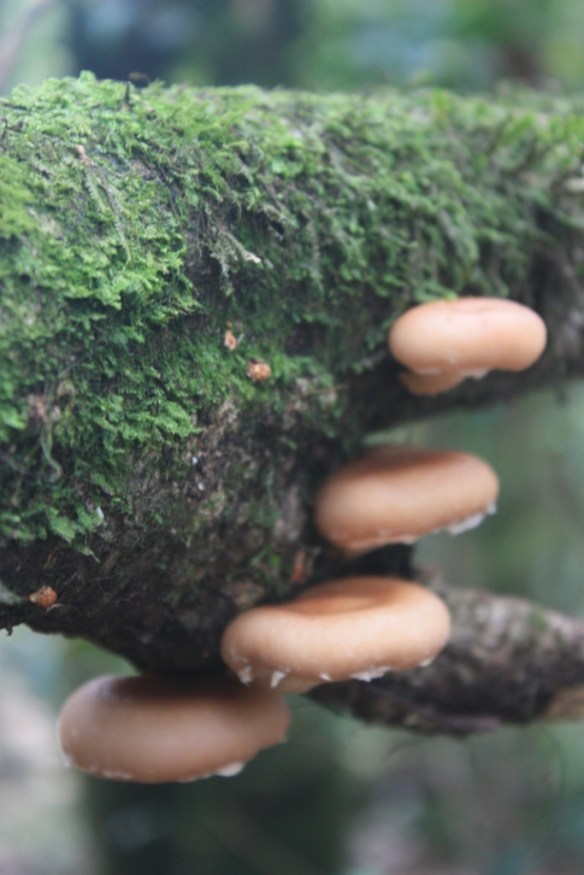
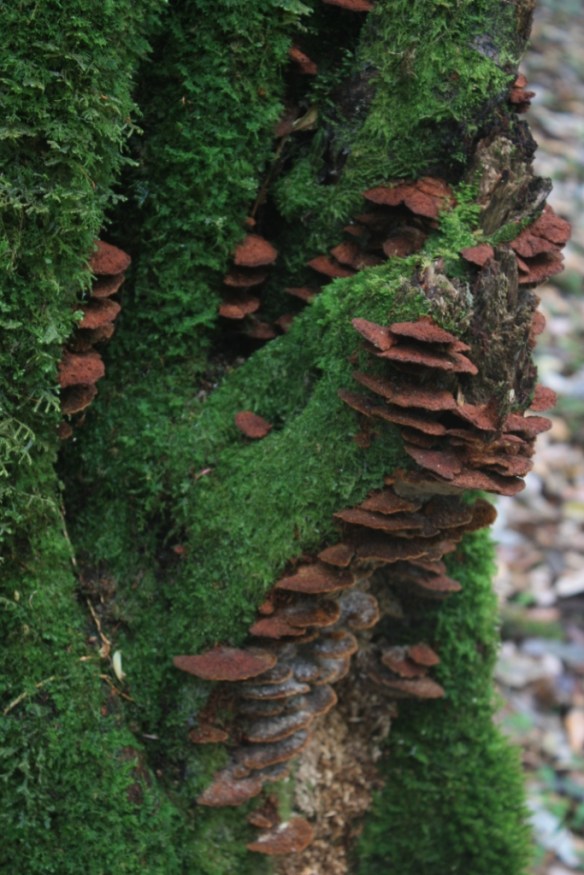
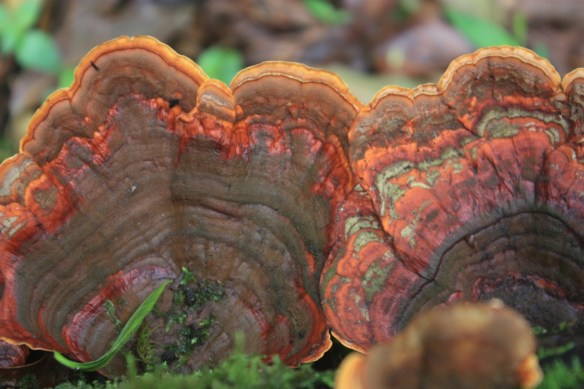
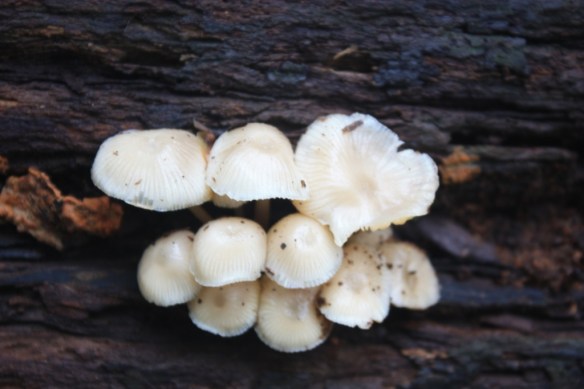
DAILY PHOTO: Sacred Forest ‘Shrooms Posted on August 21, 2017 by B Gourley Reply Taken in April of 2017 in the Mawphlang Sacred Forest Share on Facebook, Twitter, Email, etc. Print (Opens in new window) Print Share on WhatsApp (Opens in new window) WhatsApp MoreShare on TumblrTweet Share on Reddit (Opens in new window) Reddit Email a link to a friend (Opens in new window) Email Like Loading...
DAILY PHOTO: Pakistani Border Guards Posted on August 20, 2017 by B Gourley Reply Taken in April of 2016 at the Wagah Border Crossing Share on Facebook, Twitter, Email, etc. Print (Opens in new window) Print Share on WhatsApp (Opens in new window) WhatsApp MoreShare on TumblrTweet Share on Reddit (Opens in new window) Reddit Email a link to a friend (Opens in new window) Email Like Loading...
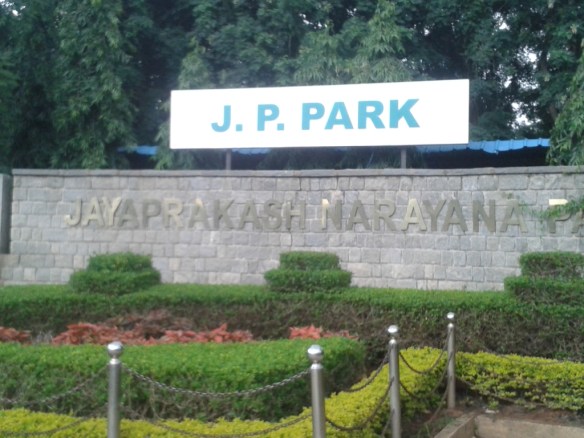
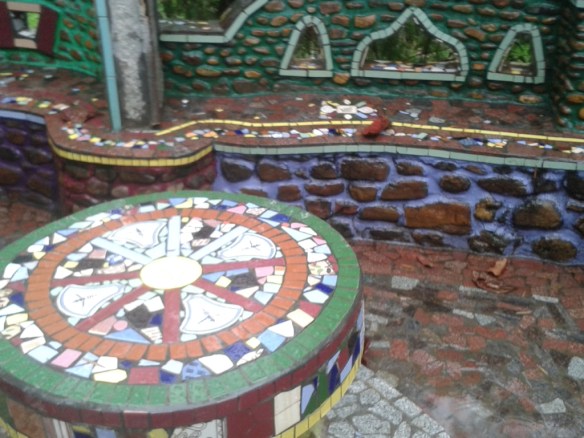
DAILY PHOTO: Jayaprakash Narayan Park, Bengaluru Posted on August 19, 2017 by B Gourley Reply Taken on August 19, 2017 in Bangalore Share on Facebook, Twitter, Email, etc. Print (Opens in new window) Print Share on WhatsApp (Opens in new window) WhatsApp MoreShare on TumblrTweet Share on Reddit (Opens in new window) Reddit Email a link to a friend (Opens in new window) Email Like Loading...
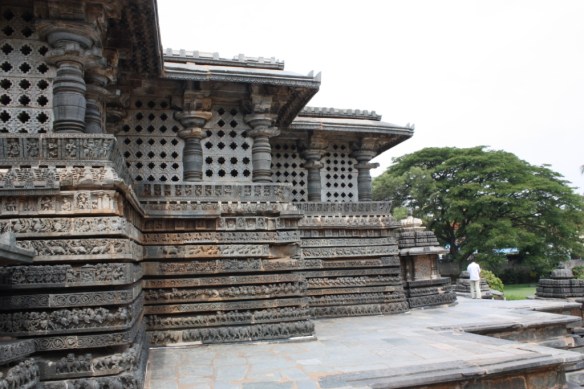
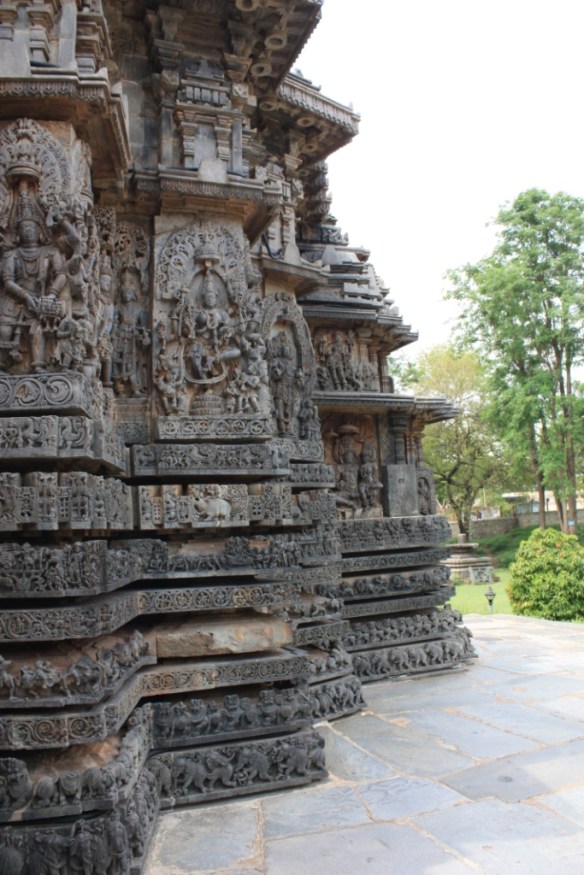
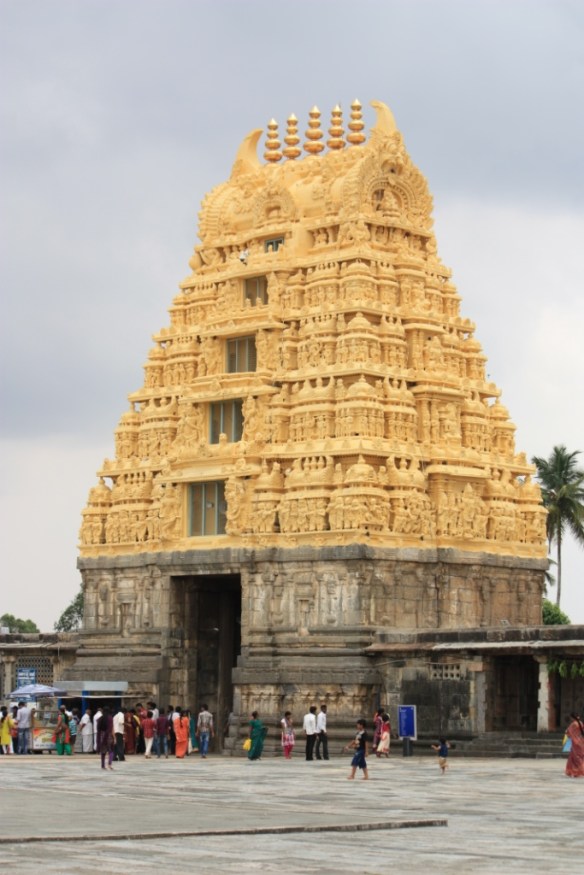
DAILY PHOTO: Chennakeshava Temple, Belur Posted on August 18, 2017 by B Gourley Reply Taken in April of 2015 at Chennakeshava Temple of Belur Share on Facebook, Twitter, Email, etc. Print (Opens in new window) Print Share on WhatsApp (Opens in new window) WhatsApp MoreShare on TumblrTweet Share on Reddit (Opens in new window) Reddit Email a link to a friend (Opens in new window) Email Like Loading...
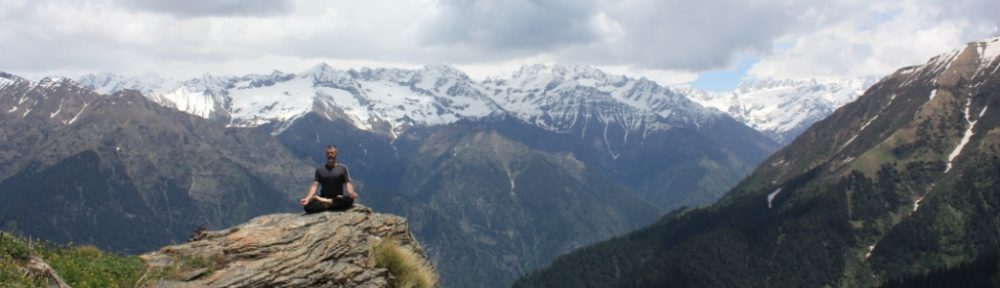
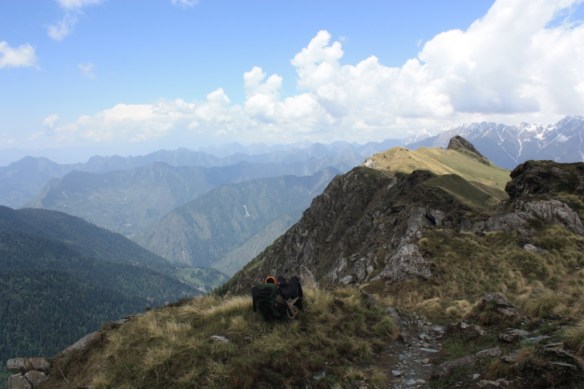
DAILY PHOTO: Mountains, Himachal Pradesh Posted on August 17, 2017 by B Gourley 1 Taken in the summer of 2015 in Kullu District of Himachal Pradesh Share on Facebook, Twitter, Email, etc. Print (Opens in new window) Print Share on WhatsApp (Opens in new window) WhatsApp MoreShare on TumblrTweet Share on Reddit (Opens in new window) Reddit Email a link to a friend (Opens in new window) Email Like Loading...
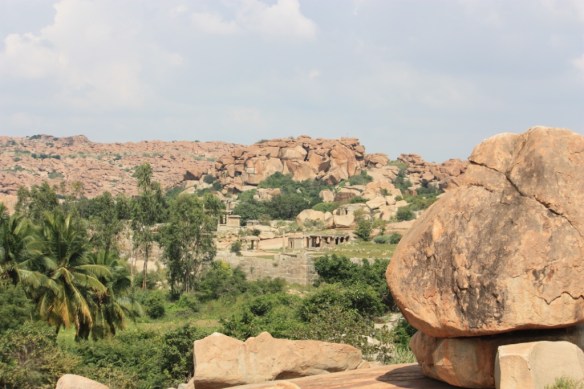
DAILY PHOTO: Hampi Landscape Posted on August 16, 2017 by B Gourley Reply Taken in November of 2013 in Hampi Share on Facebook, Twitter, Email, etc. Print (Opens in new window) Print Share on WhatsApp (Opens in new window) WhatsApp MoreShare on TumblrTweet Share on Reddit (Opens in new window) Reddit Email a link to a friend (Opens in new window) Email Like Loading...
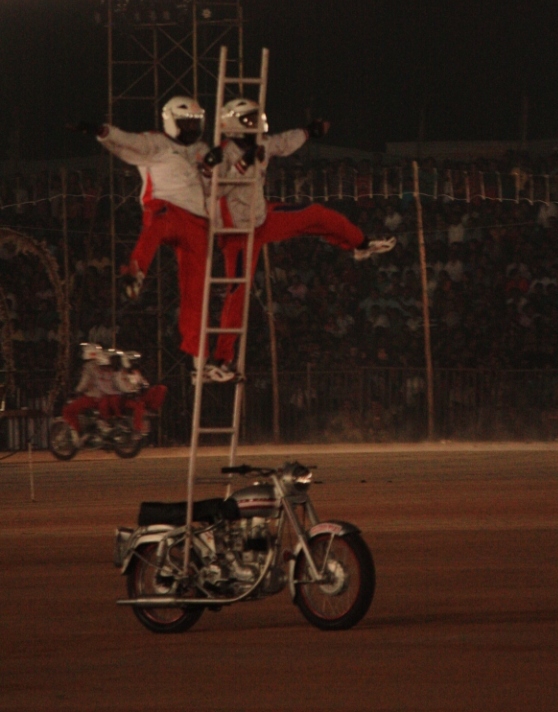
DAILY PHOTO: Indian Military Police Stunt Riding Team Posted on August 15, 2017 by B Gourley Reply Taken in October of 2014 in Mysore Share on Facebook, Twitter, Email, etc. Print (Opens in new window) Print Share on WhatsApp (Opens in new window) WhatsApp MoreShare on TumblrTweet Share on Reddit (Opens in new window) Reddit Email a link to a friend (Opens in new window) Email Like Loading...
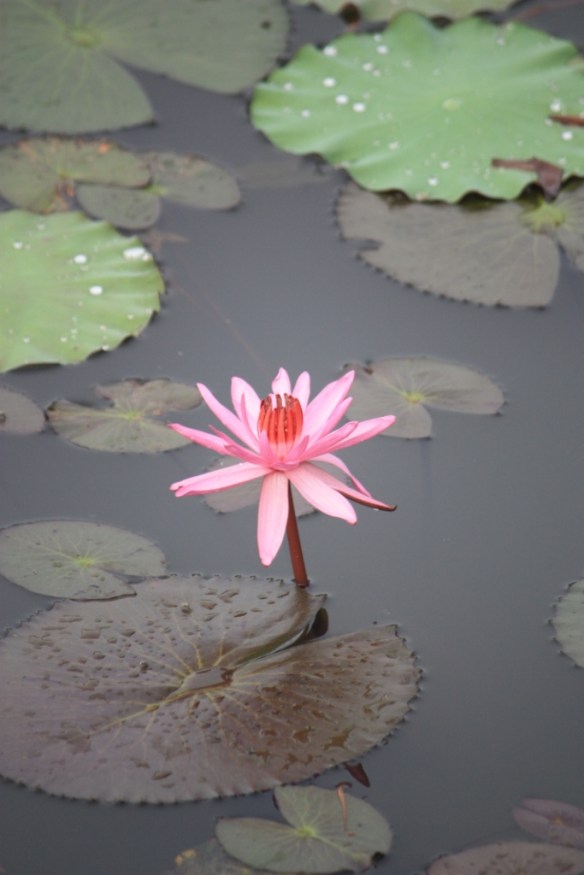
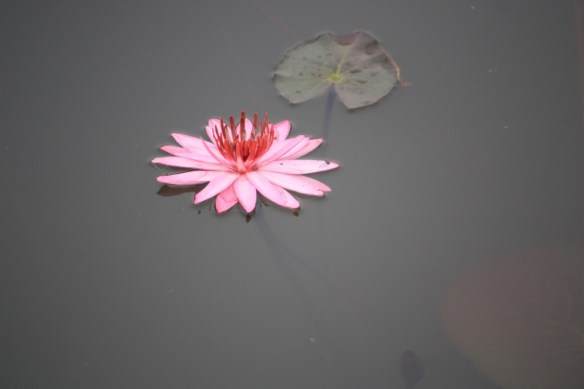
DAILY PHOTO: Pink Lotus Posted on August 14, 2017 by B Gourley Reply Taken in May of 2017 in Assam Share on Facebook, Twitter, Email, etc. Print (Opens in new window) Print Share on WhatsApp (Opens in new window) WhatsApp MoreShare on TumblrTweet Share on Reddit (Opens in new window) Reddit Email a link to a friend (Opens in new window) Email Like Loading...
DAILY PHOTO: Heroes’ Square in Monochrome Posted on August 13, 2017 by B Gourley Reply Taken in December of 2016 in Budapest Share on Facebook, Twitter, Email, etc. Print (Opens in new window) Print Share on WhatsApp (Opens in new window) WhatsApp MoreShare on TumblrTweet Share on Reddit (Opens in new window) Reddit Email a link to a friend (Opens in new window) Email Like Loading...
DAILY PHOTO: Khonoma Homestead Posted on August 12, 2017 by B Gourley Reply Taken in May of 2017 in Khonoma Share on Facebook, Twitter, Email, etc. Print (Opens in new window) Print Share on WhatsApp (Opens in new window) WhatsApp MoreShare on TumblrTweet Share on Reddit (Opens in new window) Reddit Email a link to a friend (Opens in new window) Email Like Loading...





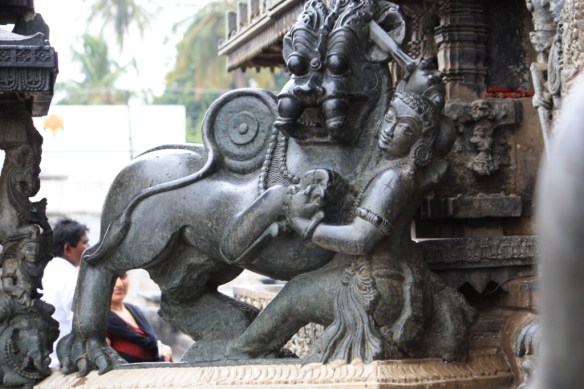








 Tiger Riding for Beginners