
Taken in December of 2013 in Phuket, Thailand
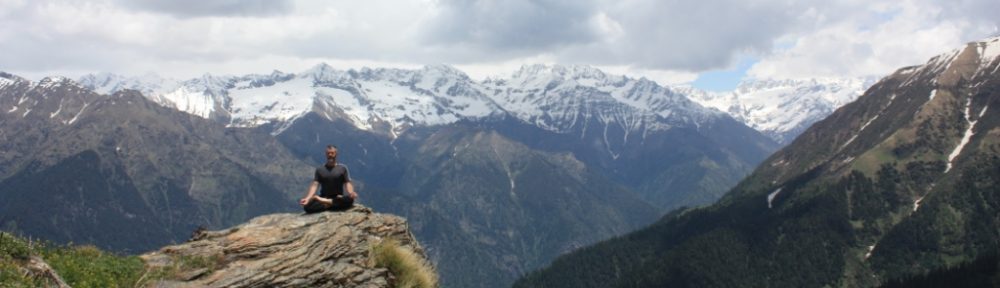
Taken in December of 2013 in Phuket, Thailand

Taken on July 6, 2014 in Munnar.

Taken on July 6, 2014 in Munnar.
 98.6 Degrees: The Art of Keeping Your Ass Alive by Cody Lundin
My rating: 4 of 5 stars
If you’ve seen the Discovery Channel show Dual Survival, you’re familiar with Cody Lundin. He’s the one who looks like a hippie and is always barefoot. 98.6 is a book designed to prepare readers for a wilderness survival situation. To be clear, this book isn’t about going out for a six-week trek. It’s about going out for a day hike and finding your foot stuck in a bear trap or having your jeep washed away in flashflood. It’s about how to stay alive for as much as a few days while search and rescue teams are looking for you (and how to make sure they do look for you.)
As the title suggests, Lundin focuses on the issue of maintaining the body’s core temperature as the key to short-term survival, and special attention is given to the subjects of hypo- and hyperthermia. Besides dressing appropriately, maintaining core temperature involves requirements such as hydration that may not seem relevant at first blush. The heart of the message is that one has to plan for the worst even on apparently mundane treks or drives into the backwoods. Lundin hammers home the importance of letting others know where one is going and by when one will return. However, the bulk of the space is devoted to suggestions about what to pack in your survival kit.
Lundin takes a light-hearted tone while talking about the dire nature of survival in the wild. Many of the graphics are quirky, caricaturesque line drawings (there are also photos–mostly towards the rear of the book in the discussion of gear and kits.) His writing style is conversational—which is to say that he writes like he talks. While this may induce rage in English teachers, I find it’s only problematic if it leads to misunderstandings. (i.e. In conversation there are fewer opportunities for misunderstanding because there is non-verbal communication and the potential for feedback.) Having said that, I can’t recall any cases in which meaning was unclear, so either Lundin is conscientious about this issue, or his editor did a good job of maintaining his style without losing clarity. The conversational tone involves a lot of analogies and metaphors that are sometimes humorous but sometimes over-the-top.
Lundin’s advice runs toward the pragmatic and the frugal. Survival gadgetry and gear is a huge industry, and Lundin’s guide helps a budget-weary amateur outdoorsman know where it’s worth spending a little extra and where it’s likely to be a waste of money. (In some cases, spending more money will leave one worse off in more areas than the pocket-book.)
Despite his folksy tone, it’s clear that Lundin is no stranger to science. One thing that one will get in his guide that’s uncommon in others is scientific explanations–in lay terms–of why some methods or equipment will or won’t work. This ranges from the physics of space blankets to the psychology of fear to the chemistry of nutrition.
Another strength of this guide is that it gives due attention to the crucial nature of the mind in survival. There are a few early chapters devoted to this. Many guides might give a paragraph to the subject before plowing into survival methods. The problem is that some people may die overwhelmed and unable to keep all that knowledge straight. Tips about keeping one’s head seem worth the space.
In addition to the use of humor and anecdotes, there is a clear attempt to make the information memorable. Lundin uses mnemonic devices to help people ingrain information, and frequently recaps important points. He also has a “Cliff Notes” version at the back of the book that condenses his message down into a few pages.
If you like to spend time outdoors, I’d recommend you pick up this book. Of course, reading a book is not going to keep you alive, you have to practice with the gear you assemble, but the book is an important first step.

Taken in November of 2013 in Hampi.

Taken November 2013 in Hampi.

Taken in March of 2014 in Coorg.

Taken April 27, 2014 in Cubbon Park.

Just as New Jersey’s state name has made it the butt of many a joke, Bangalore catches a lot of flack (both from residents and outsiders) for retaining the title of “Garden City” in the wake of the recent decade of unrestrained growth. (If anything tells one about present day Bangalore it’s that its size doubled in little more than a decade from almost five million to close to ten. Even under the best of governance that would result in a bit of chaos–re: and this is not the best of governance.)
That said, Bangalore has some awesome trees. (As I’ve mentioned, this results from the lack of proclivity to destroy everything that stands in one’s way or that presents the slightest bit of risk or inconvenience that is the modus operandi in the developed world.)
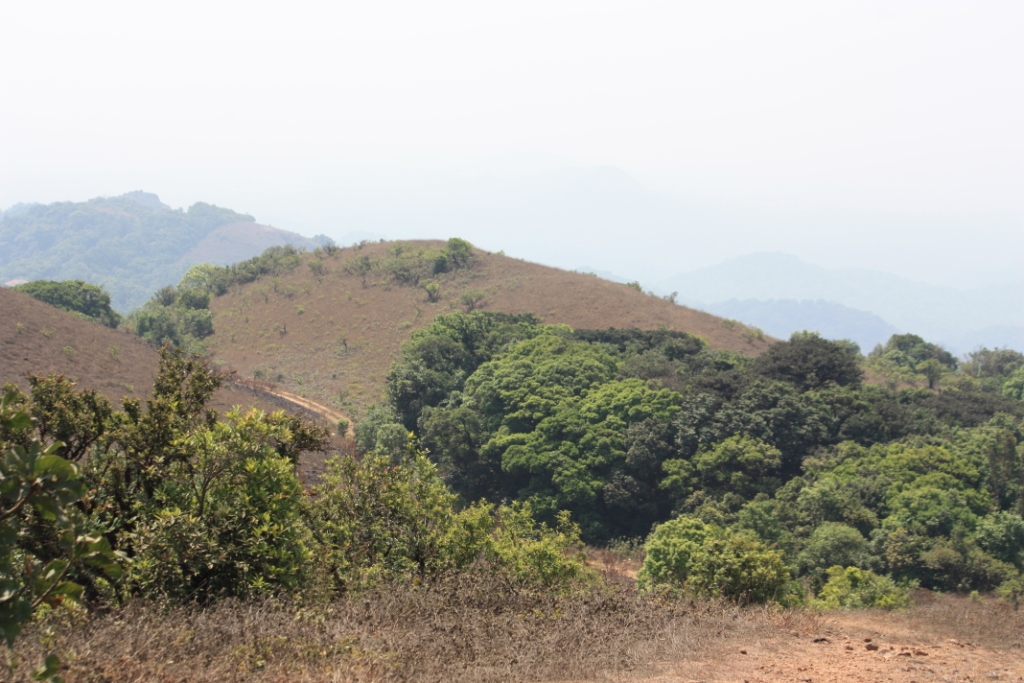
Taken on March 30, 2014 in Coorg
 These hills are in the Western Ghat range in Southern India. We trekked to one of the ridges near Madikeri while we were in Coorg.

Taken March 30, 2014 in Coorg.
I tried to look up what this plant was called, but had no luck–despite its distinctive shape. We saw it in the Coorgi rainforest. As you can see it looks like a blueberry attached to a five-petaled orange flower.

Taken March 23, 2014 at Nandi Hills
Many say that baby macaques are cute. Those people may not have seen a true infant, hairless and wrinkled, looking–ironically–like an old man.
This one hasn’t even grown to fully look like H. Ross Perot. You see, all young macaques look like H. Ross Perot, and some adult macaques look like Gary Busey.


