
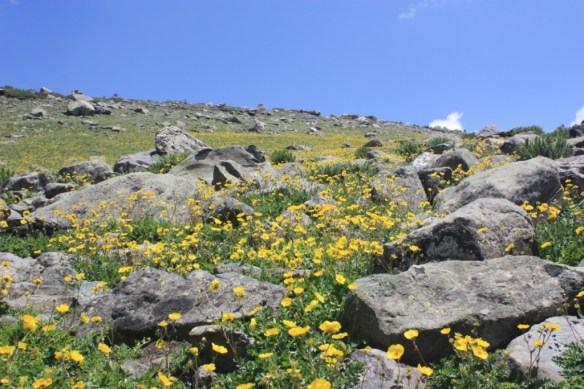
Taken in July of 2016 in Sonamarg



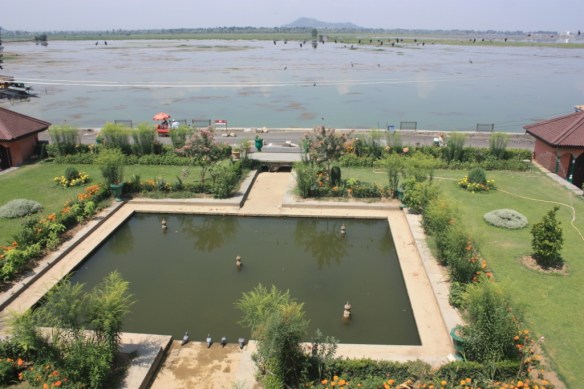

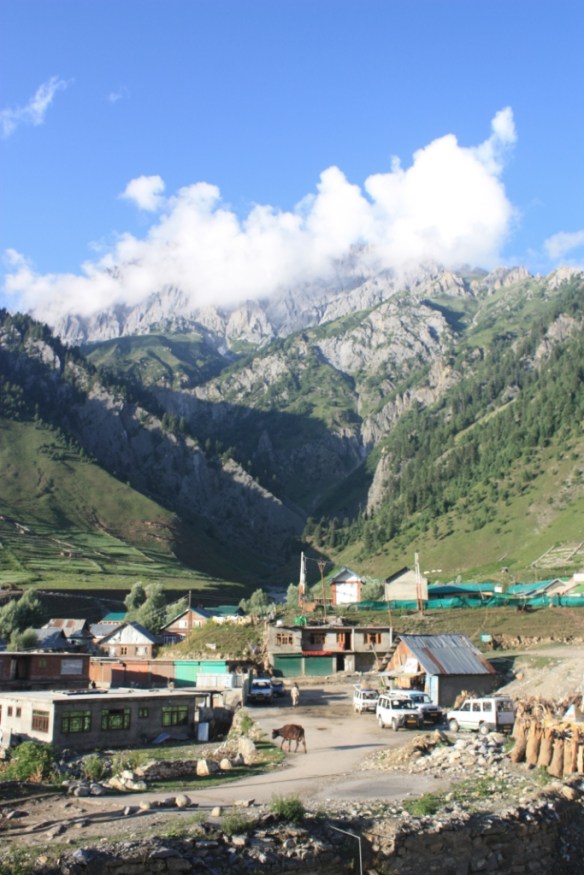
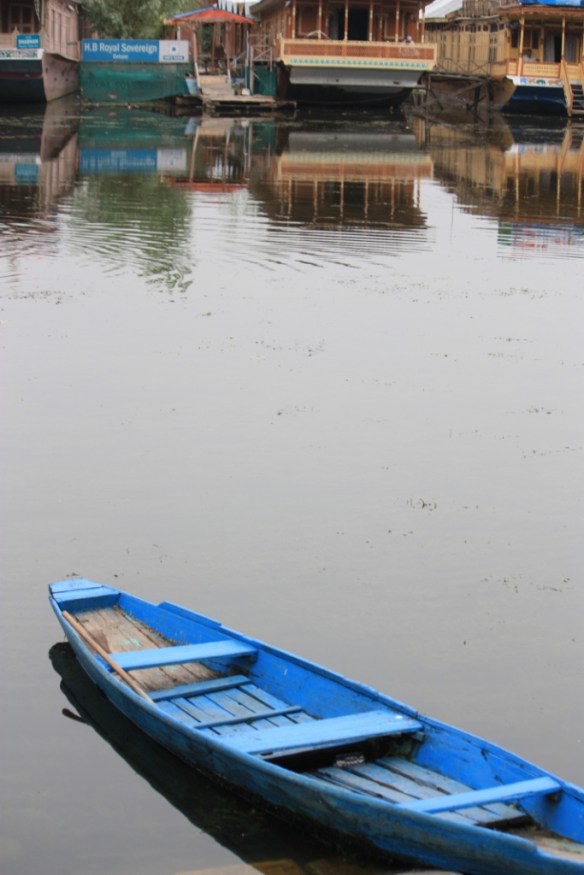
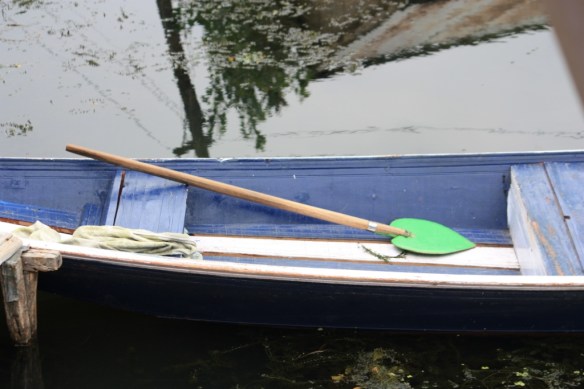
Taken in July of 2016 in Srinagar
Bangalore–during one of the city’s many iterations–was once called the “garden city.” While this title is as likely to be mocked as honestly cited these days, if I were issuing that title to an Indian city it would have to go to Srinagar. Many Indian cities have an impressive botanical garden, and some have some picturesque parks. But Srinagar takes the cake for a city its size. Besides the Botanical Garden there’s the Nishat Bagh (pictured), Shalimar Bagh, the Char Chinar, and Nehru Park. Furthermore, there are historical sites such as the Pari Mahal and Chashme Shahi Bagh that are also loaded with plants and flowers.

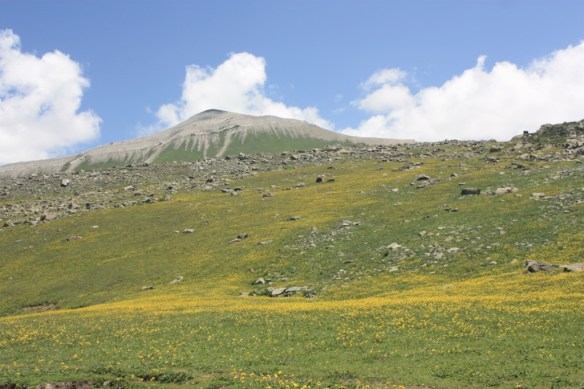
Taken in July of 2016 in Sonamarg
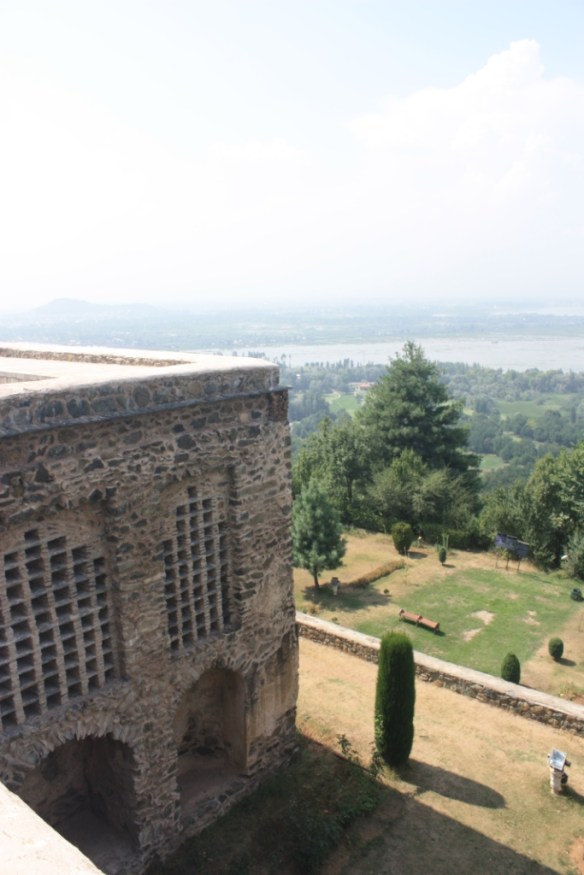
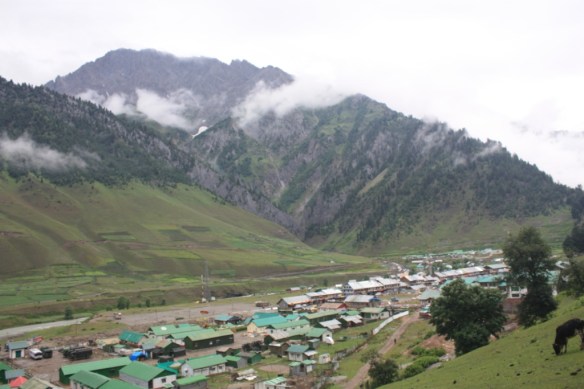
Taken in July of 2016 in Srinagar
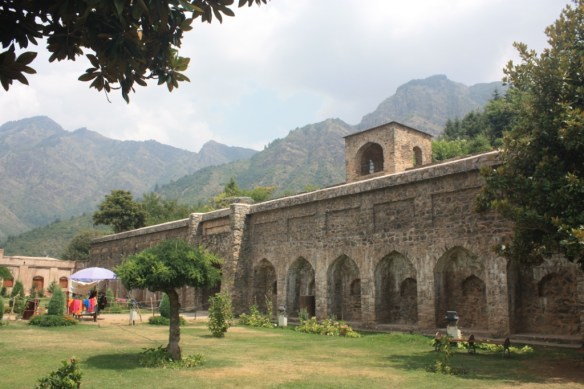
I’m just back from three weeks of travel in Kashmir and Ladakh. I’m planning on doing a post about our experience traveling in Kashmir, which was interesting–to say the least–owing to the renewed unrest there of recent weeks. (It didn’t feel dangerous, but it was quite restrictive.)
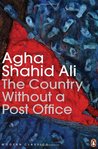 The Country Without a Post Office by Agha Shahid Ali
My rating: 5 of 5 stars
This is a collection of 27 poems about life in conflict-riddled Kashmir. Kashmir is a territory in the Himalayas that’s governed by India, but claimed by both India and Pakistan—and, it should be noted, has a significant population of residents that want to be part of neither country. In other words, there are some who’d like to see an independent Kashmir. However, at the moment Kashmir is one portion of one of India’s 29 states, Jammu and Kashmir—a state which is, itself, tripartite (Hindu Jammu, Muslim Kashmir, and Buddhist Ladakh.)
It’s a telling quote from Tacitus with which the author begins the collection. Solitudinum faciunt et pacem appellant. I won’t claim that I didn’t have to look this up, but it means: “They make a desert, and call it peace.” The first poem echoes variations on that quote.
There are a range of poetry styles within this collection, including: rhyming verse, free verse, poetic prose, and ghazal. A ghazal is a Middle Eastern style of lyric poem which has a pattern of rhyme and is metered to be set to music; there are several in this collection. Some of the poems are sparse and some are wordy, and variety is the order of the day.
The 27 poems of this collection are divided among five parts. The book is brief (under 100 pages), and it contains only a prologue and notes (some of which are interesting) with respect to ancillary matter.
This collection paints a portrait of war and life in a war-torn locale. It’s as much the latter as the former. The title poem, “The Country With No Post Office,” suggests the sapping nature of life where the institutions of governance and civil society have broken down.
I’d recommend this collection for those who enjoy poetry, but also for those interested in the conflict in Kashmir.








 Tiger Riding for Beginners