Top 5 Travel Destinations of 2016

We visited half a dozen countries (not including India) and about a dozen locales within India in 2016.

Here’s my top 5.


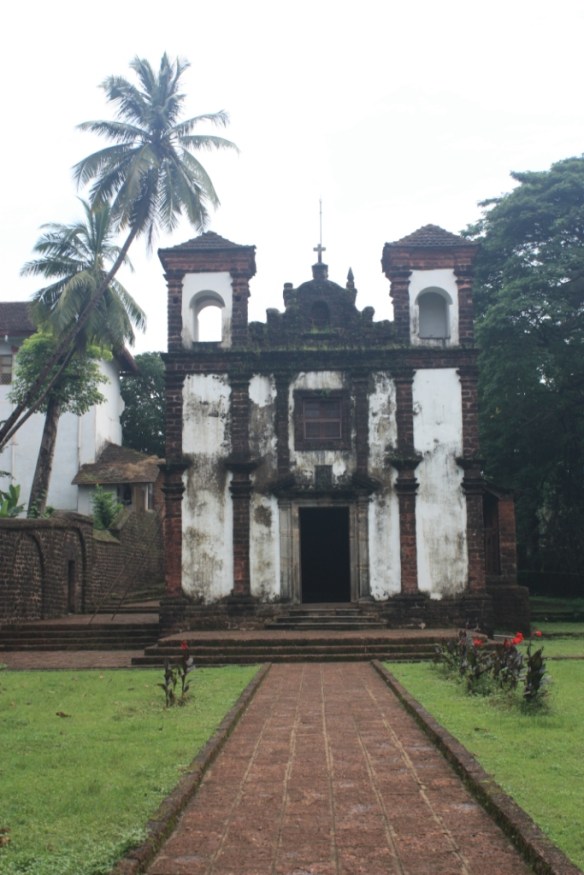
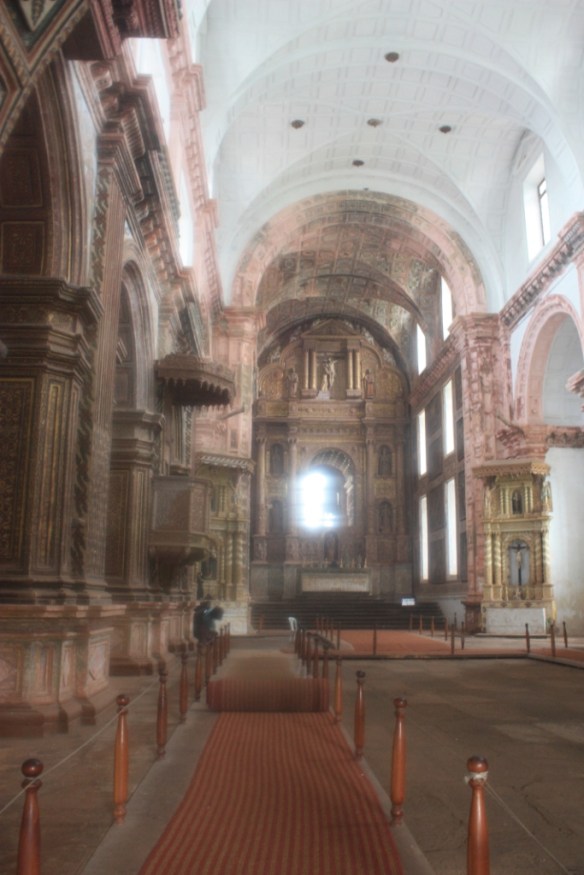
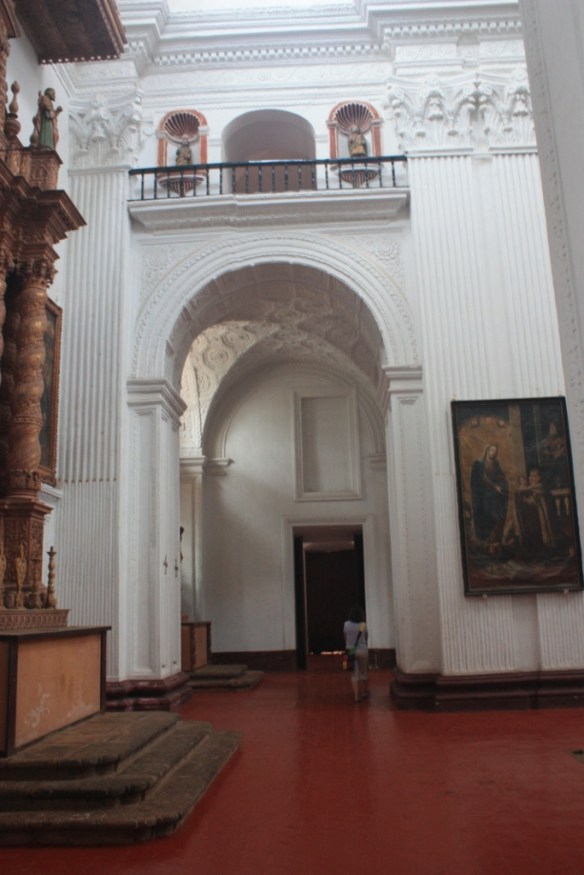
5.) Old Goa: Goa is usually a beachy destination, but when one goes before the rainy season is over, one spends a lot of time touring old churches. And Old Goa (Velha Goa) has some impressive and historic churches.
img_3196 img_3238 img_3265


4.) Amritsar: First of all, there’s the food. Punjabi cuisine is legendary–as is Sikh hospitality. However, there’s also some beautiful sights and a unique feel to the place.
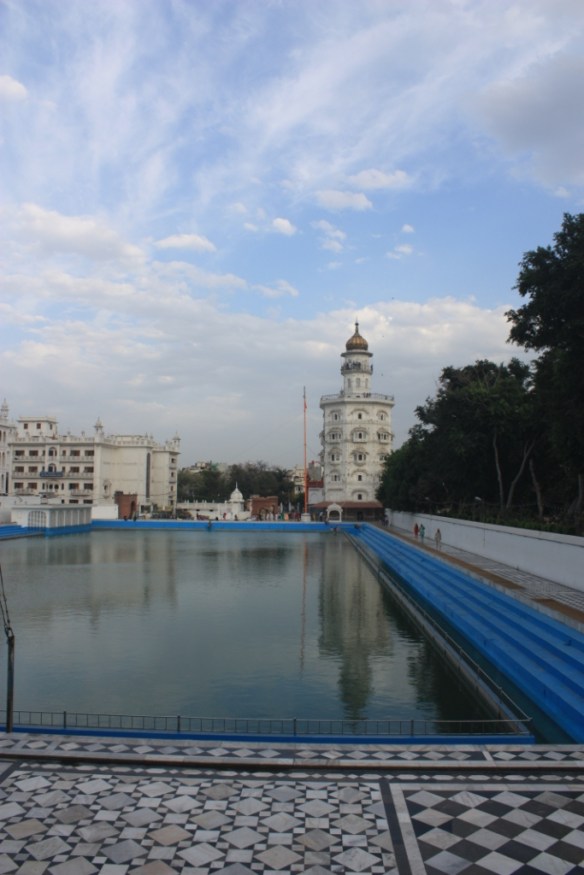
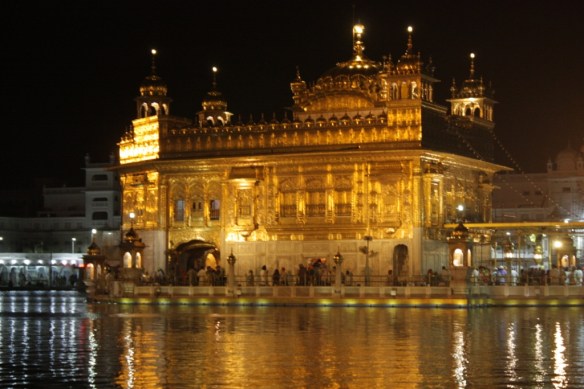
img_3030 img_3059


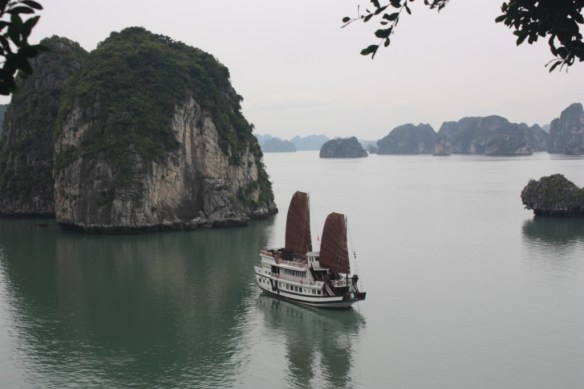
3.) Bai Tu Long: Most of our trip to Vietnam took place in 2015, but we rang in the New Year on a junk boat on Ha Long Bay’s next door neighbor.
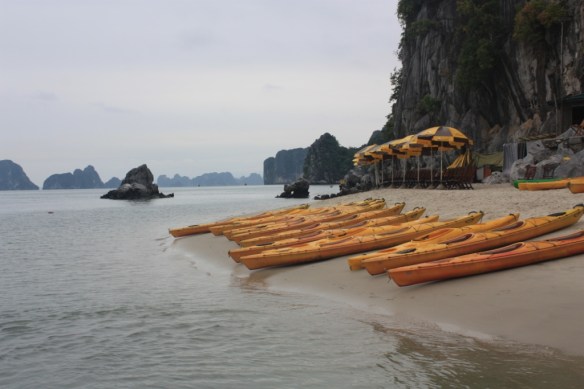
img_2423 img_2467


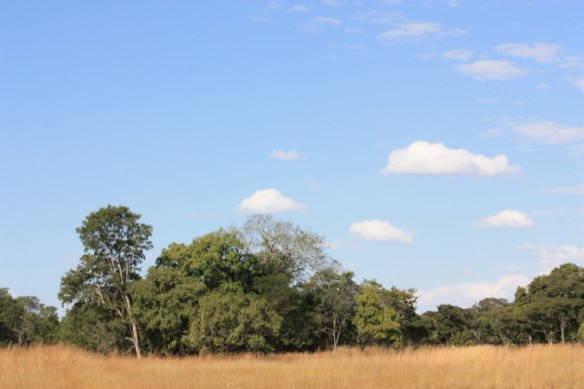
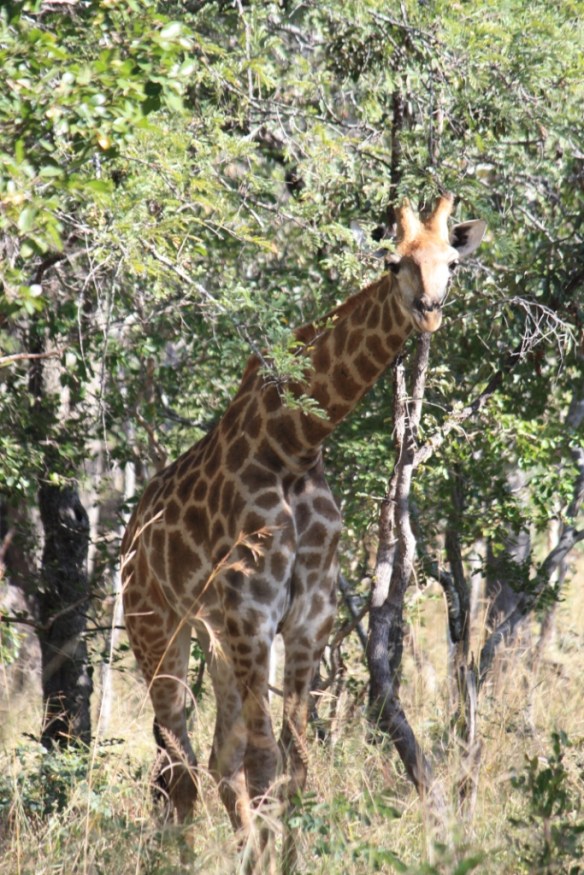
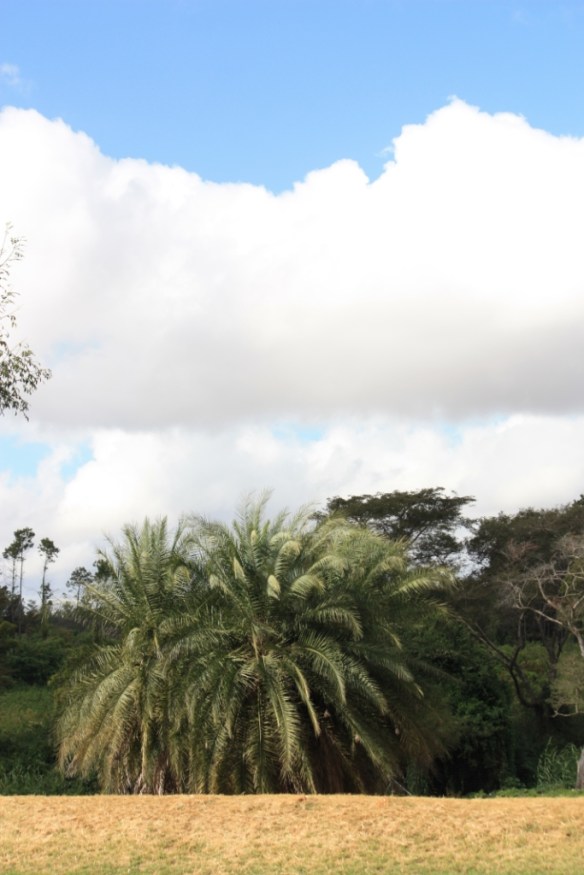
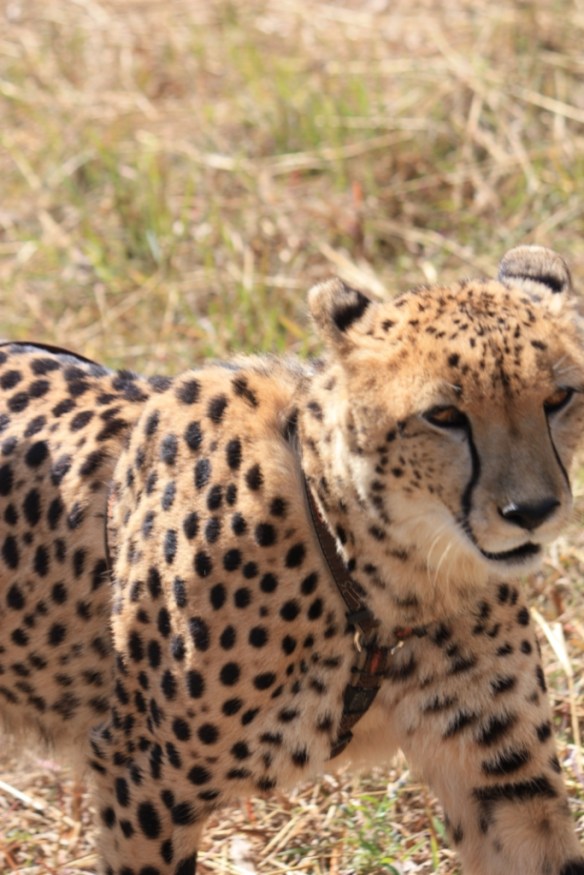
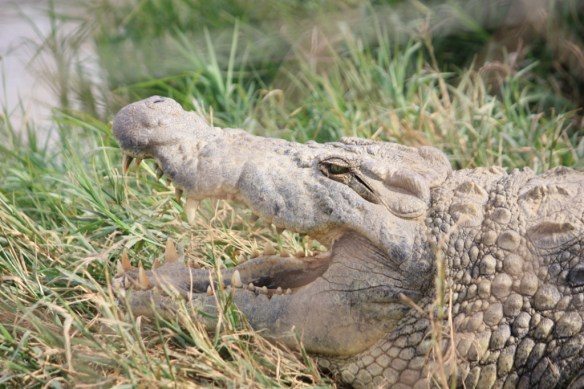
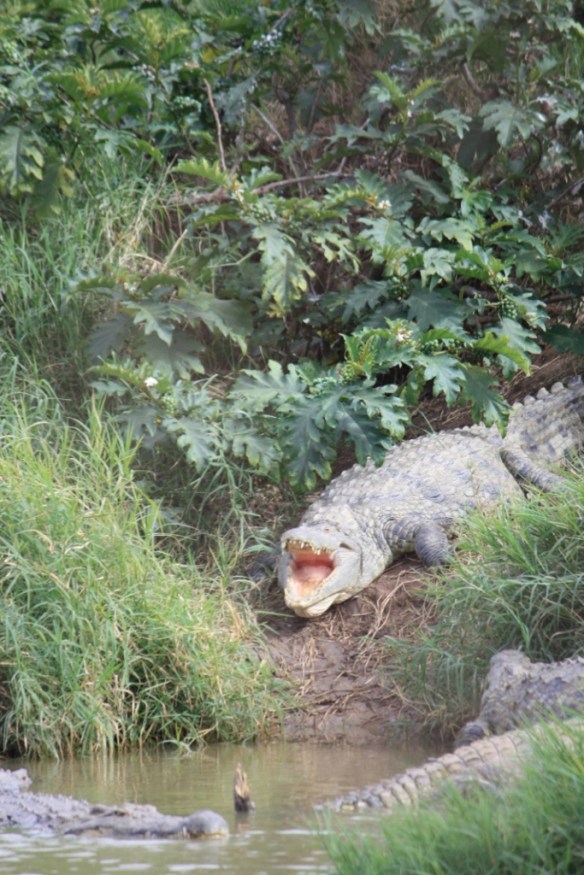
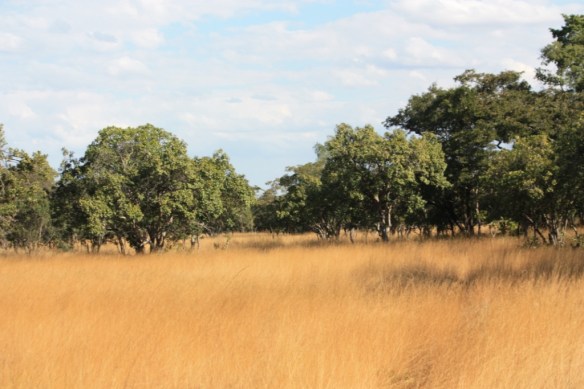
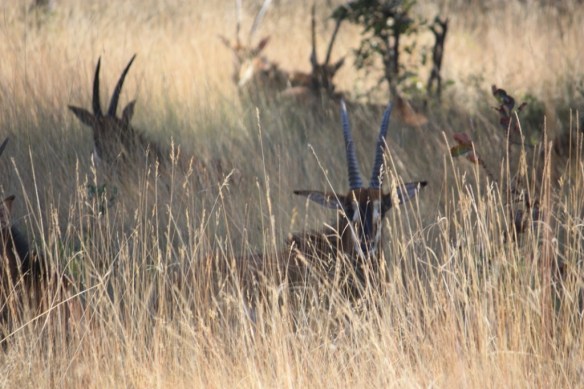
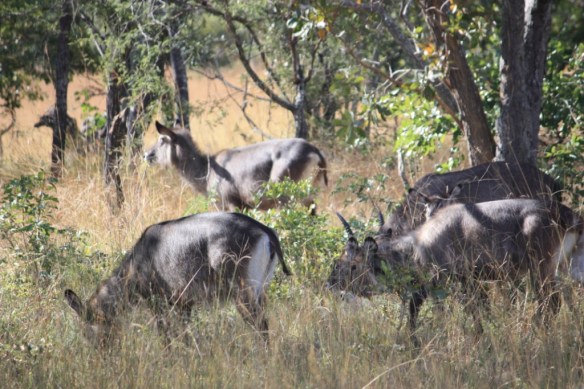
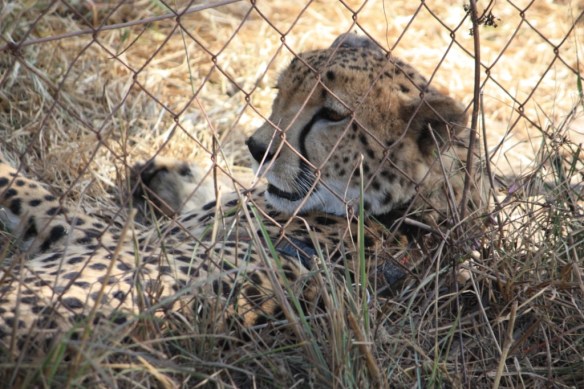
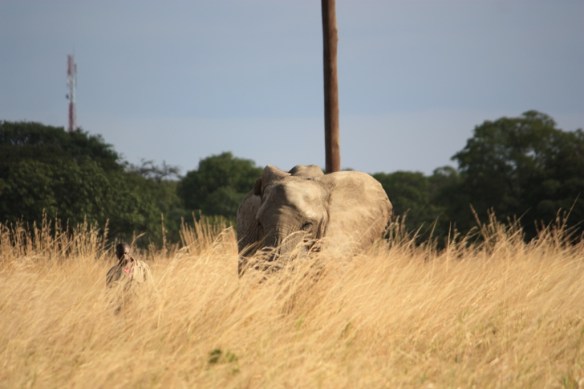
2.) Chaminuka Game Reserve, Zambia: Our first trip to Africa was far too short, but we did get a taste of the continent.
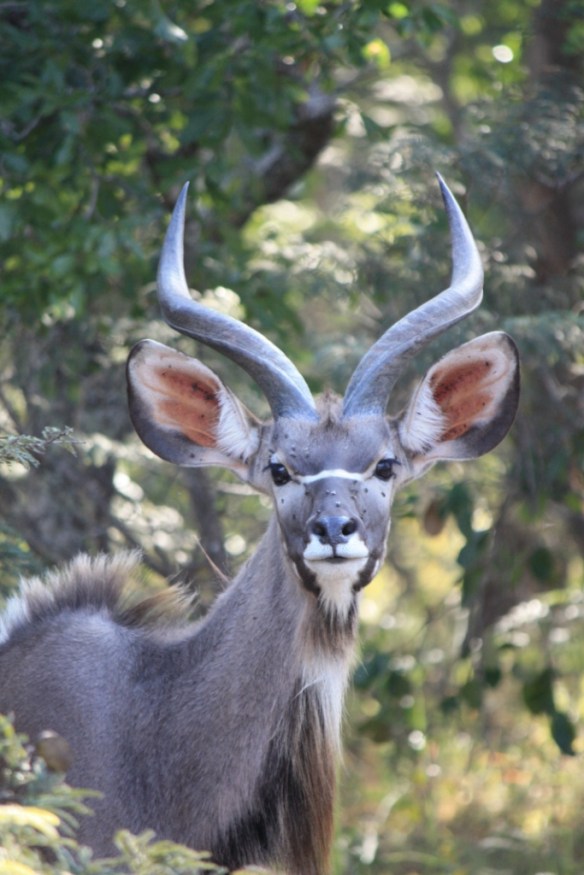
img_0201 img_0147 img_0184


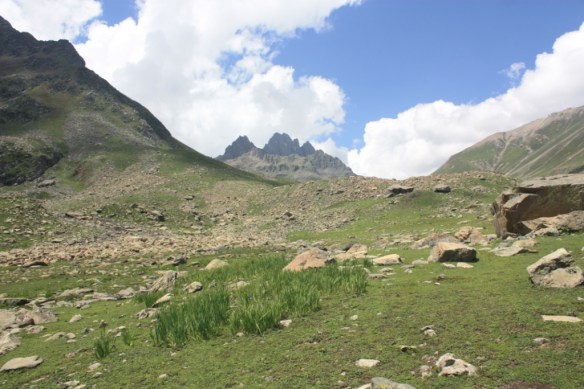
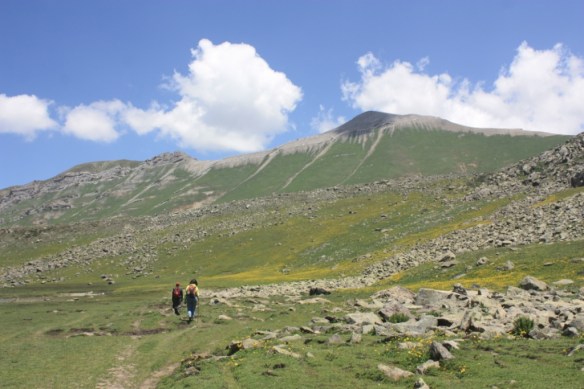
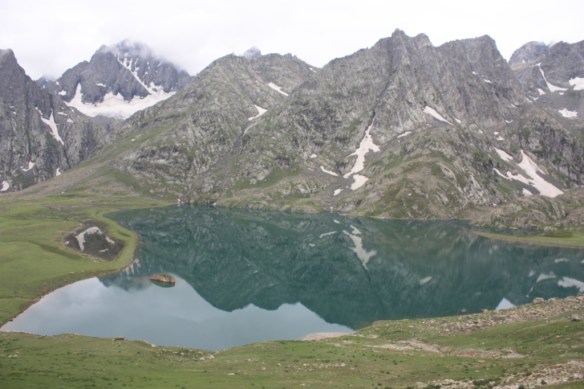
1.) Naranag to Sonamarg Trek: This may seem like an odd choice–particularly for the number one slot–given that Kashmir was under curfew when we visited. I think that may have made the trek all the more enjoyable. Not only is rural Kashmir gorgeous, but it was mostly normal–excepting the daily military checkpoints to remind us that Pakistan and /or China could invade at any moment. We certainly had our share of travails before and after the trek (e.g. only being able to drive through the middle of the night and all shops being closed on occasion) but the trek itself was outstanding. Besides, troubled travels make for good stories.
img_1316 img_1423 img_1591

DAILY PHOTO: Layers, or a Toothy Croc

Taken in May of 2016 in Zambia

Taken in May of 2016 in Zambia


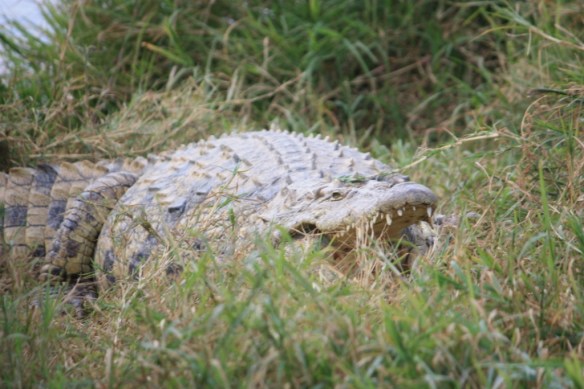
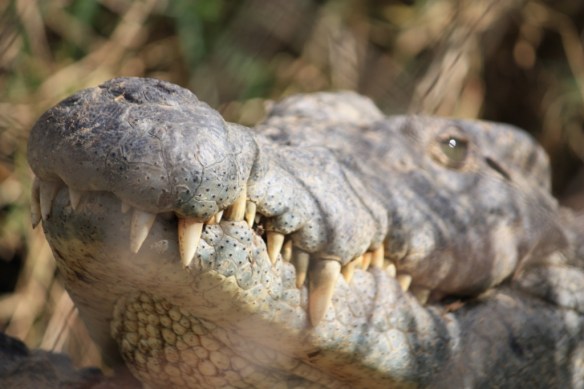
I took the photo above at Kalimba Reptile Park near Lusaka. In case, landscapes are too boring for you, here’s an alternate pic of a toothy crocodile.
 

img_3321

DAILY PHOTO: Cheetah on a Leash

Taken in May of 2016 in Zambia

Taken in May of 2016 in Zambia

DAILY PHOTO: Lusaka Mosques

Taken in May of 2016 in Lusaka

Taken in May of 2016 in Lusaka

IMG_3128

DAILY PHOTO: Shut Your Big Mouth, Mr. Croc

IMG_3305 IMG_3324

Taken in May of 2016 at Kalimba Reptile Park in Zambia

Taken in May of 2016 at Kalimba Reptile Park in Zambia

Crocodiles like to sit around with their mouths hanging wide open and I think it’s high time someone let them know that it’s a bad habit. A person with his or her mouth hanging open automatically gets a 20 point deduction off their estimated IQ score. So if you see a crocodile with its mouth hanging open, I think that it’s your duty to let them know they look stupid.

I dare you.
DAILY PHOTO: Turtles Far and Near

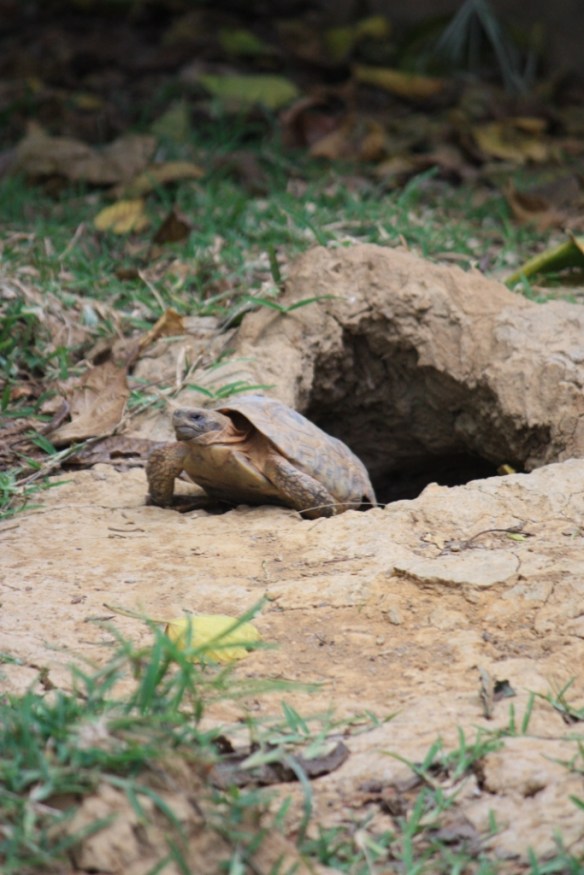
Taken in May of 2016 at Kalimba Reptile Park near Lusaka
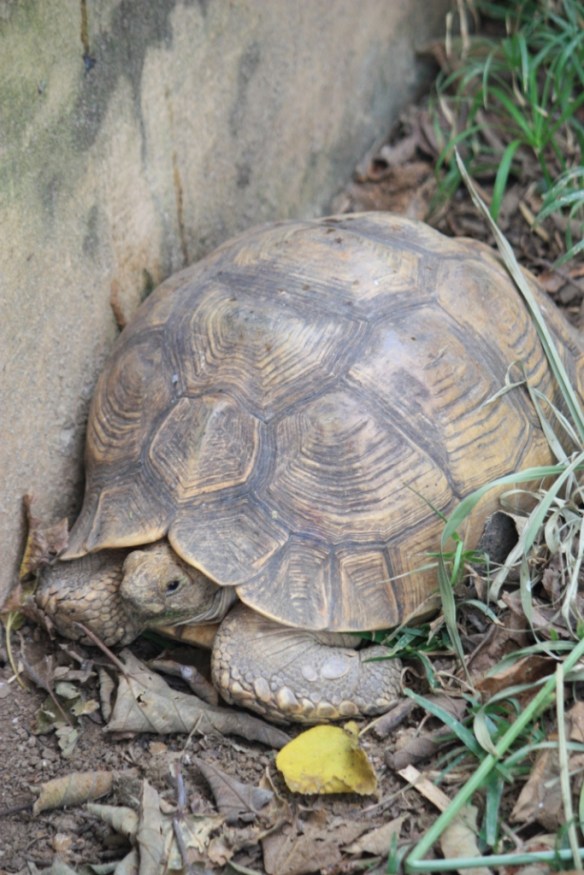
Taken in May of 2016 at Kalimba Reptile Park near Lusaka

IMG_3277

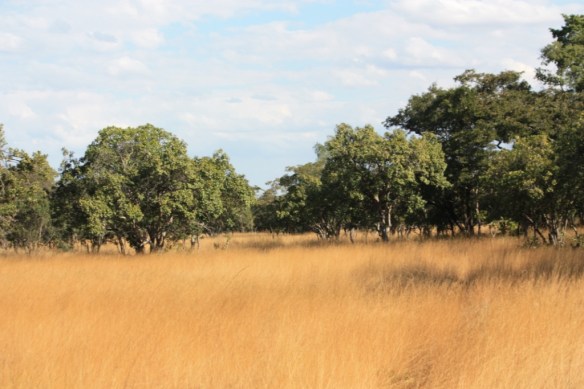
DAILY PHOTO: African Savanna

IMG_0191

Taken in May of 2016 near Lusaka, Zambia

Taken in May of 2016 near Lusaka, Zambia.

Taken in May of 2016 near Lusaka, Zambia.

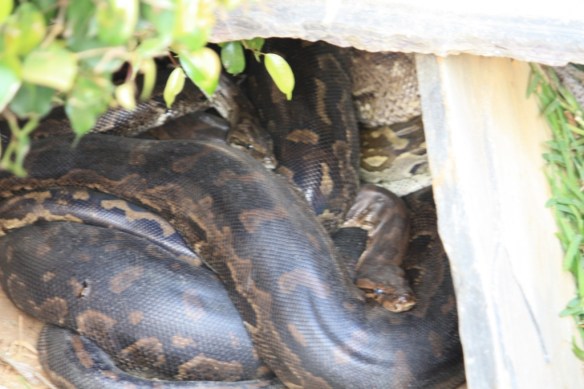
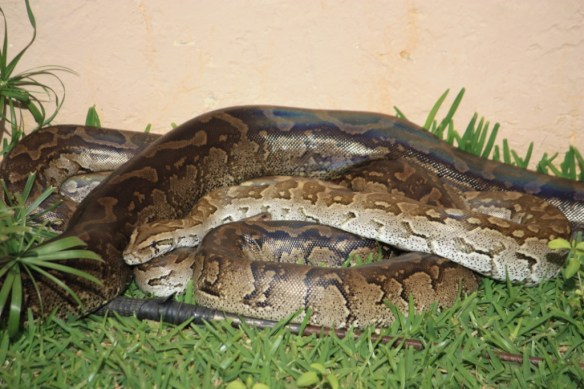
DAILY PHOTO: Constrictors

Taken in May of 2016 at Kalimba Reptile Park

Taken in May of 2016 at Kalimba Reptile Park

IMG_3245

DAILY PHOTO: Giraffe Amid the Trees

Taken in May of 2016 at Chaminuka Game Reserve

Taken in May of 2016 at Chaminuka Game Reserve

IMG_0184

BOOK REVIEW: Into Africa by Martin Dugard

Into Africa: The Epic Adventures of Stanley and LivingstoneInto Africa: The Epic Adventures of Stanley and Livingstone by Martin Dugard
My rating: 5 of 5 stars

Amazon page

“Doctor Livingstone, I presume?” These iconic words are culturally embedded in the psyche of Americans (and, I assume, the British as well), but I had only a vague understanding of their meaning before reading Dugard’s account of the two expeditions that would bring the phrase into household immortality—the first of which was Dr. David Livingstone’s search to once-and-for-all find the source of the Nile and the other was Henry Stanley’s search to discover whether Livingstone was still alive.

If one isn’t a diehard history buff, it can be hard to maintain one’s interest in events of almost 150 years ago. Let me assure you, this isn’t the case for stories of African explanation—including “Into Africa.” If the author is at all skilled, these books read like novels with an almost improbably high level and pace of tension. That’s because almost everything in Africa in those days was working against the explorer, and most things were actively trying to kill him. A summary of threats include: a panoply of diseases (e.g. malaria, dysentery, etc.), an ark of animals and insects (e.g. poisonous snakes, lions, elephants, rhinos, etc.), and of course tribes and other humans (e.g. one could find oneself caught in the cross-fire between Arab slave traders and tribes who resented being enslaved, even if one had no stake in the fight.) And if none of those killers got one (and at least some of them always did), your men might desert you in the middle of the night while absconding with all your goods—and those goods were how one paid for both one’s food and for safe passage through tribal lands. In Dugard’s work, one sees each of these threats played and replayed, as well as a host of others from political conflicts, incompetence, and disgruntledness. It should be noted that there was almost no precedence for sending someone to look for a lost explorer—it was considered so unlikely to succeed in that era, not to mention likely getting a lot more killed.

The book largely alternates chapters featuring Stanley with those featuring Livingstone. This is particularly the case once the book reaches the point at which Stanley is actively on the trail. These were very different men, but the name of each man became synonymous with courage. Stanley was an American journalist who made it to the top based solely on willingness to go places and do things other reporters wouldn’t. In fact, he had trouble making a go of his career starting out, and it wasn’t until a traumatic adventure that he developed the assertiveness to make something of himself. Livingstone was already a legend when he took on this expedition, and was arguably too far past prime to be taking on such an adventure. The men were also quite different as expedition leaders. Stanley ran his caravan with an iron fist, while Livingstone was known for being lax and easily distracted—while they were at opposite end of the spectrum in this regard, it seems likely that both would have succeeded better with more moderation.

At the book’s beginning there’s a conflict at the Royal Geographical Society between Richard Burton (the explorer, not the actor) and John Speke over the source of the Nile. Livingston, a living legend, was asked to investigate and settle the issue—an objective he didn’t complete. It should be noted that finding the river’s source isn’t as easy as it sounds. Speke was correct in that the Nile reached at least to Lake Victoria (at the equator), but it wasn’t clear whether Victoria was connected to other lakes in the southern hemisphere, and—if so—how far down it went. There was a chain of lakes to the south that might have drained into the Nile, but, as it happens, flow into the Congo River.

I found this to be fascinating reading. The book consists of 40 chapters divided among five parts, and so most of the chapters are quick reads and the interspersal of the Stanley and Livingstone story lines keeps the pacing going nicely. Dugard did a good job structuring the narrative.

I’d recommend this book for anyone interested in learning about Stanley, Livingstone or who just want to know what it was like to be an explorer on the Dark Continent. [Fun-fact: While “dark continent” sounds blatantly racist, it turns out that the phrase was originally used in reference to the fact that so much of the map was blank—i.e. it was largely unmapped.]

View all my reviews