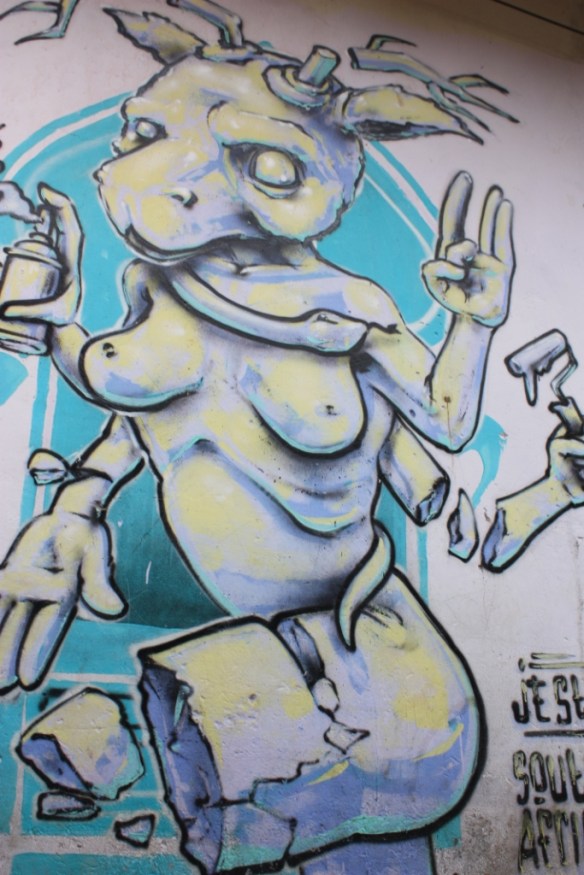
Taken in October of 2015 in Varanasi

Taken in October of 2015 in Varanasi

Taken in October of 2015 in Varanasi
Manikarnika is the main ghat for cremation on the Ganges in the city of Varanasi. It’s noted by its vast stacks of firewood and steady flame. In Hindu mythology, it’s said to be where Mata Sati’s ear ring fell when Shiva was carrying her to the Himalayas and it’s an important Hindu site for reasons beyond the burial rights conducted there.
[When the caste system was legal] one of India’s wealthiest untouchables ran operations at the ghat. Untouchables being the only caste considered suitable to do this work, but it being a lucrative operation.
Travelers beware, sadly, this area attracts con-artists as well as mourners.

Taken October 24, 2015 in Varanasi
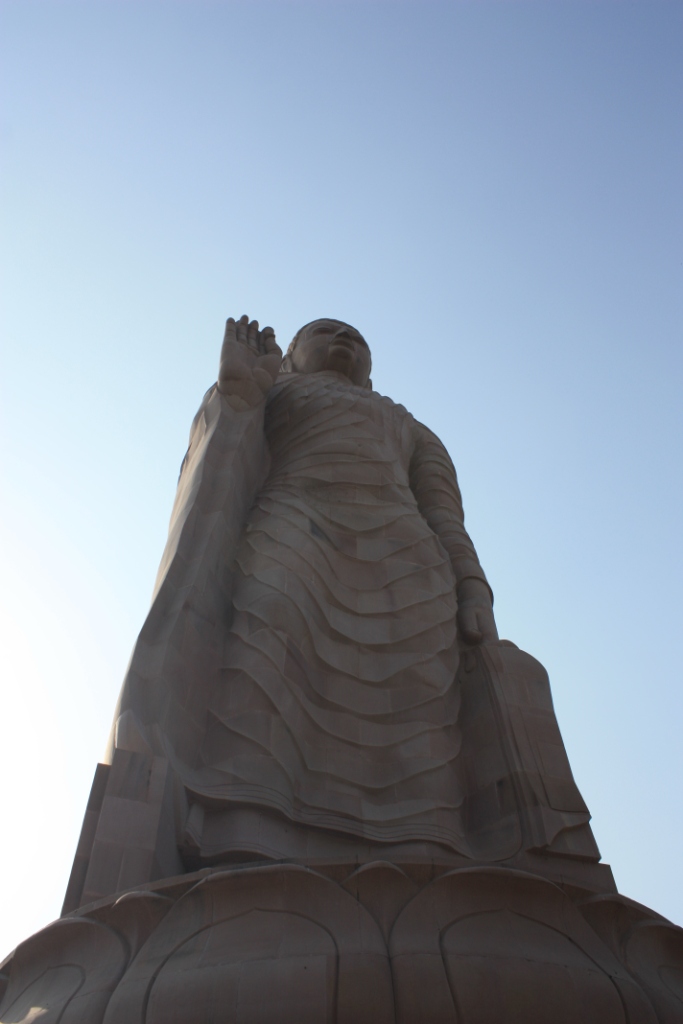
Taken on October 25, 2015 at Wat Thai in Sarnath
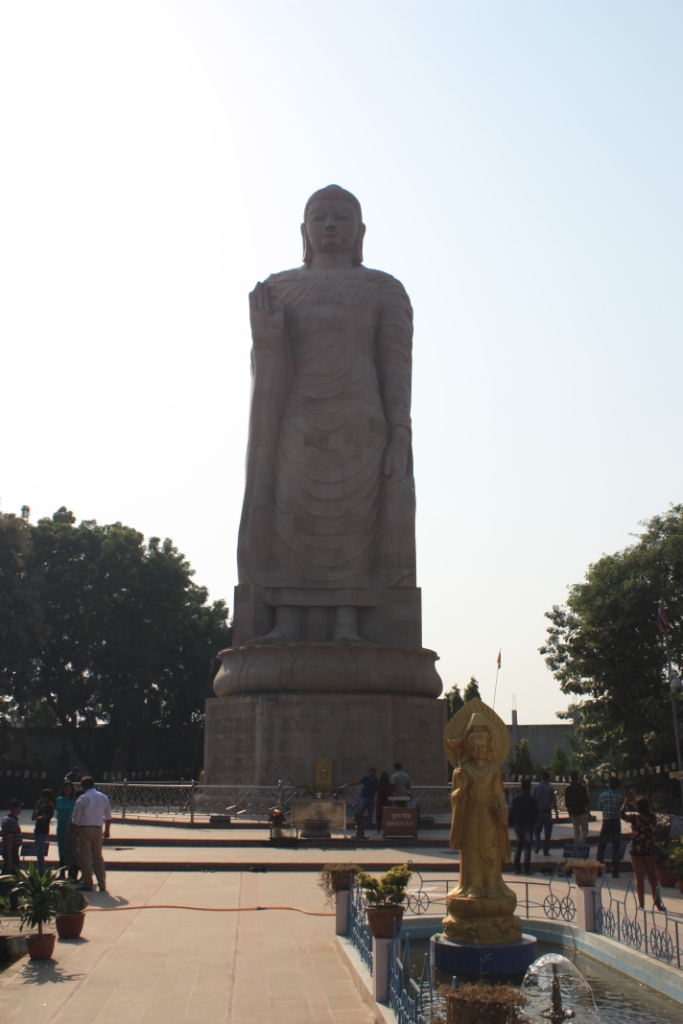
Being one of the four most major pilgrimage sites of Buddhism, Sarnath has a number of temples built by members of countries with large Buddhist populations. Among these countries is Thailand. (FYI: There is also a Chinese Temple, a Japanese Temple, and a Tibetan Temple.) While the guidebook advice is that these modern temples are skippable, an exception might be made for Wat Thai, which is both nearby to the [unskippable] Archaeology Museum and has a giant Buddha statue.
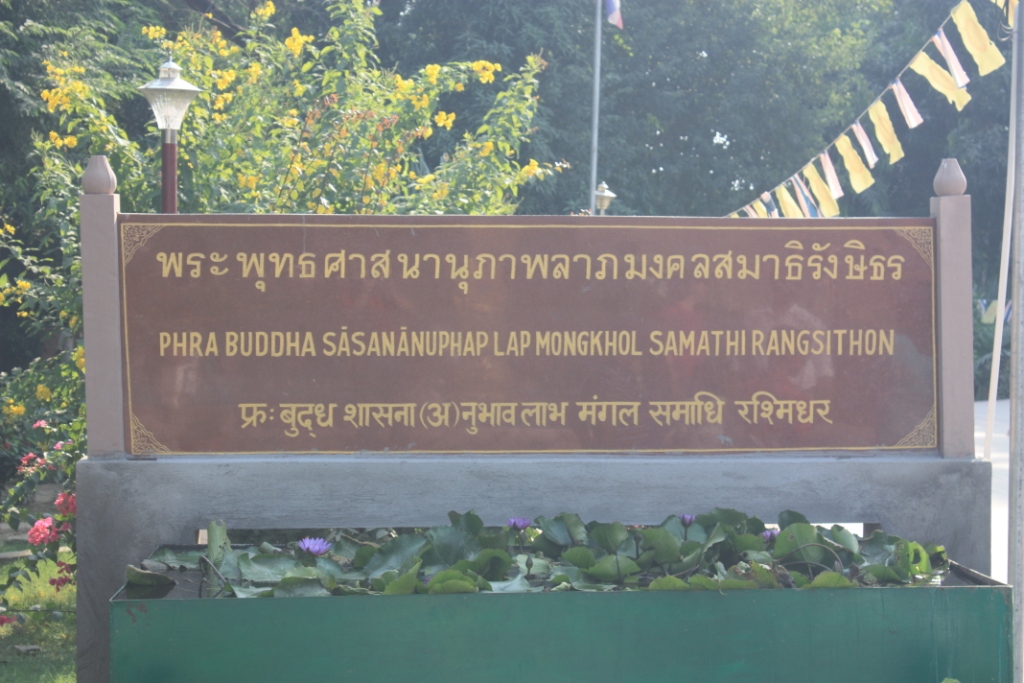
Here is the sign for the giant Buddha.
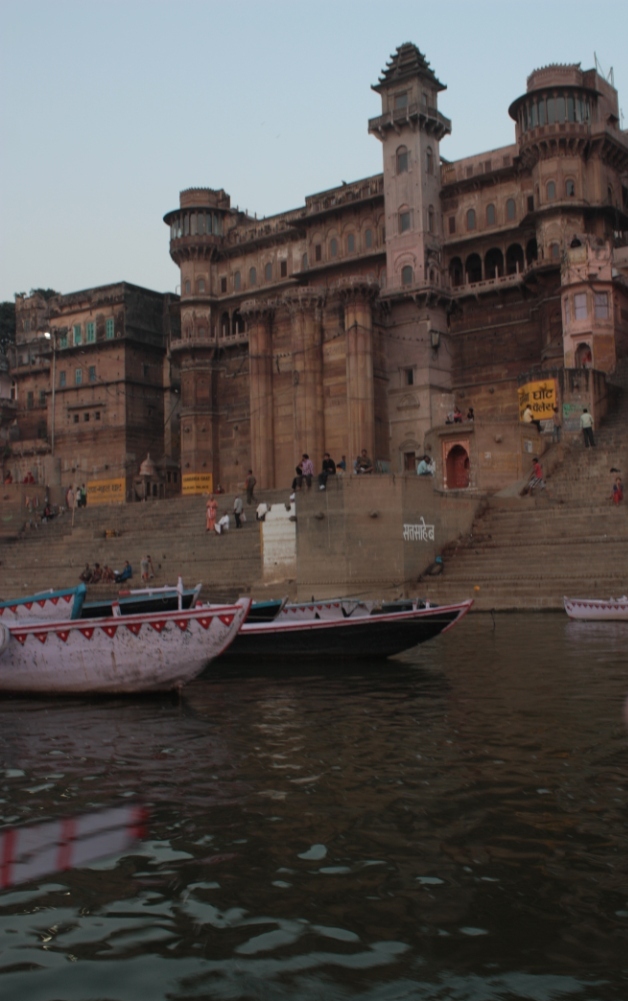
Taken on October 24, 2015 at Varanasi
Back in the day, it was common for Hindu royalty from all over India to maintain a palace in Varanasi so that they could make their Ganges pilgrimage in style. Some of these palaces have deteriorated in abandonment, others have been sold or donated, and a few are still owned by a trusts connected with the original owners.
One of the most grandiose is the one that once belonged to the Raj Darbhanga–a royal family from the Bihar area. The Darbhanga Palace was purchased by Clarks Hotel Group with the intention of putting in a luxury hotel.
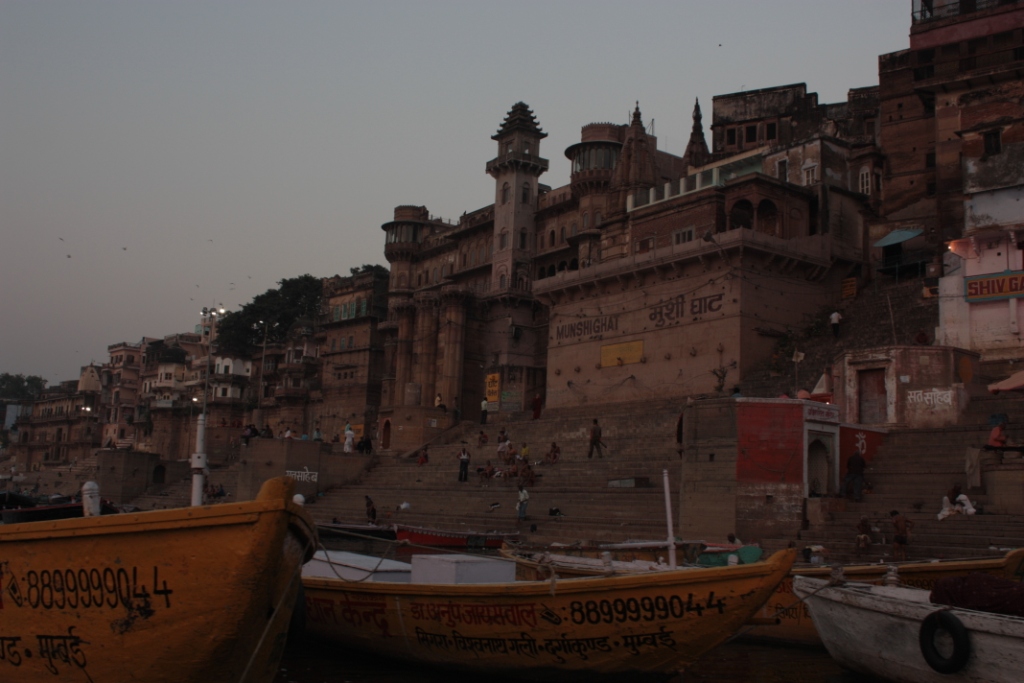
Taken October 24, 2015 in Varanasi
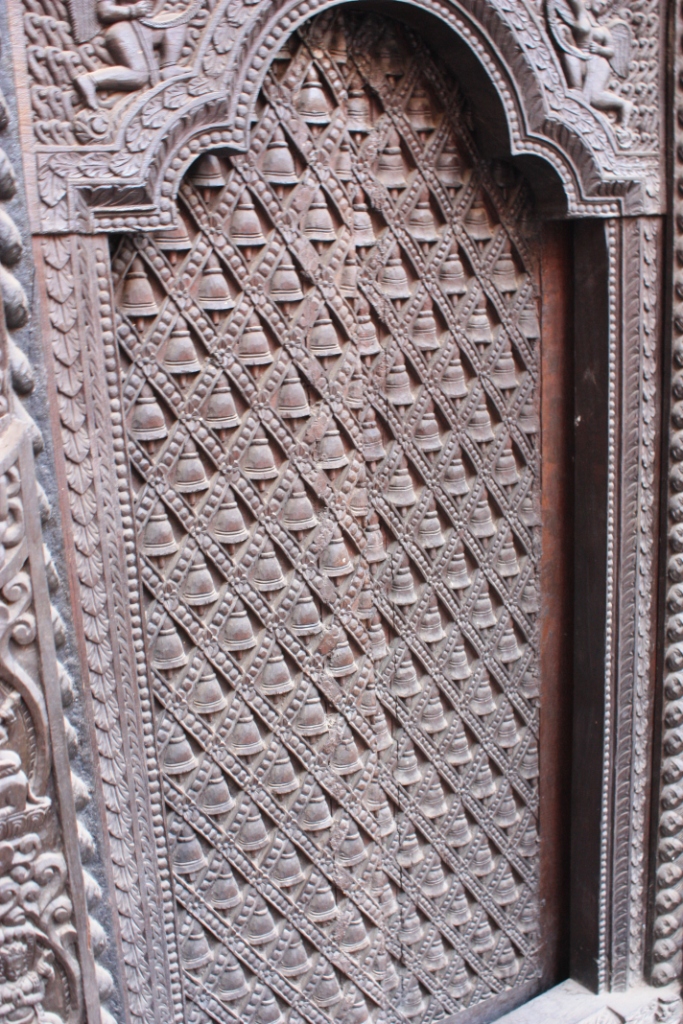
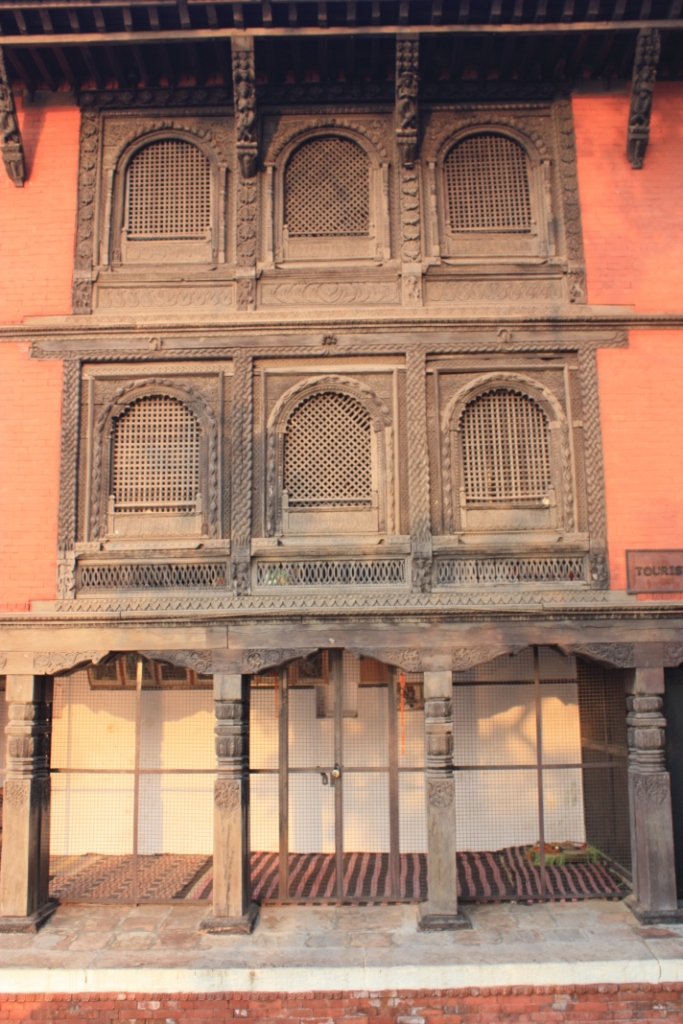
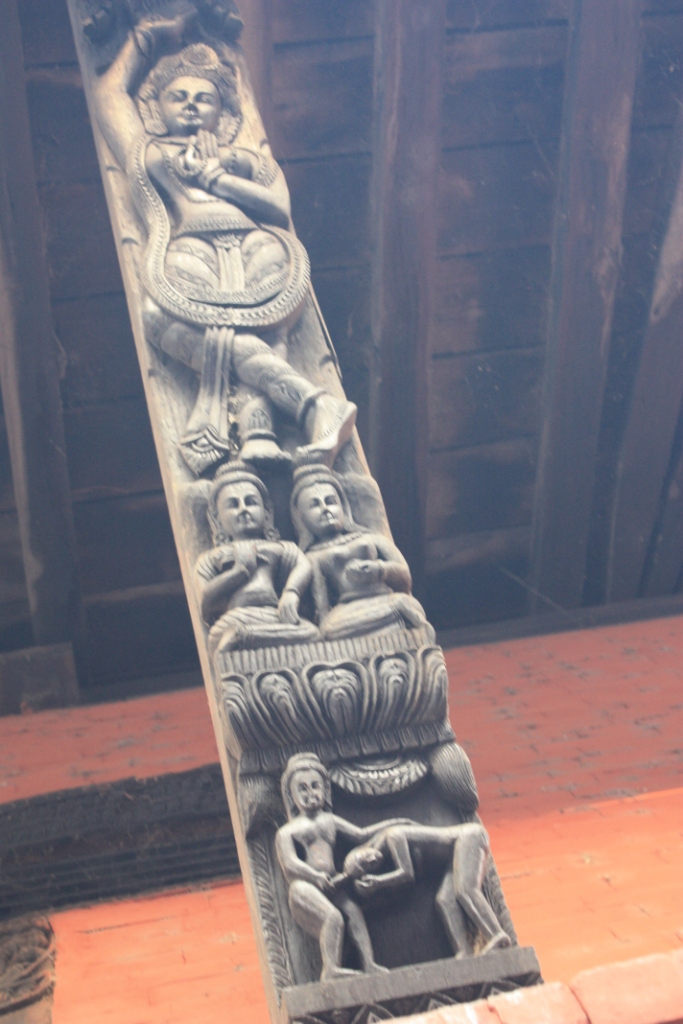
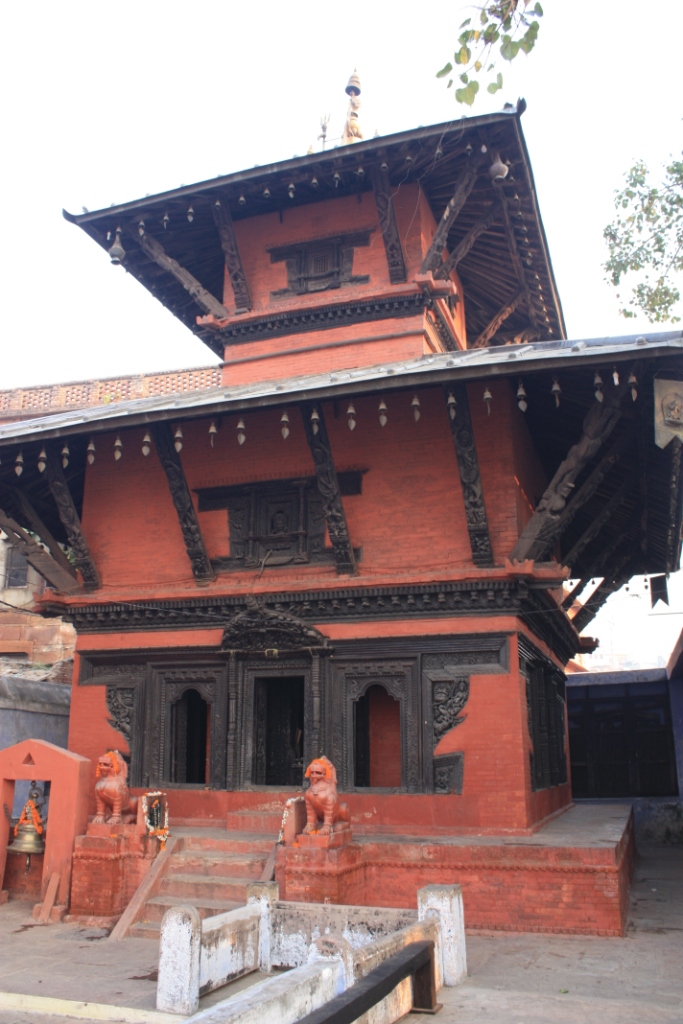
The Nepali Temple (Nepali Mandir) is located near the Lalita Ghat, between the main ghat (Dashaswamedh Ghat) and the big burning ghat (Manikarnika Ghat.) It’s construction is red brick with black wood, and the wood carvings are ornate. This 19th century temple is dedicated to Shiva, and–like the sandstone temples at Khajuraho–feature eroticism as one of its subjects.
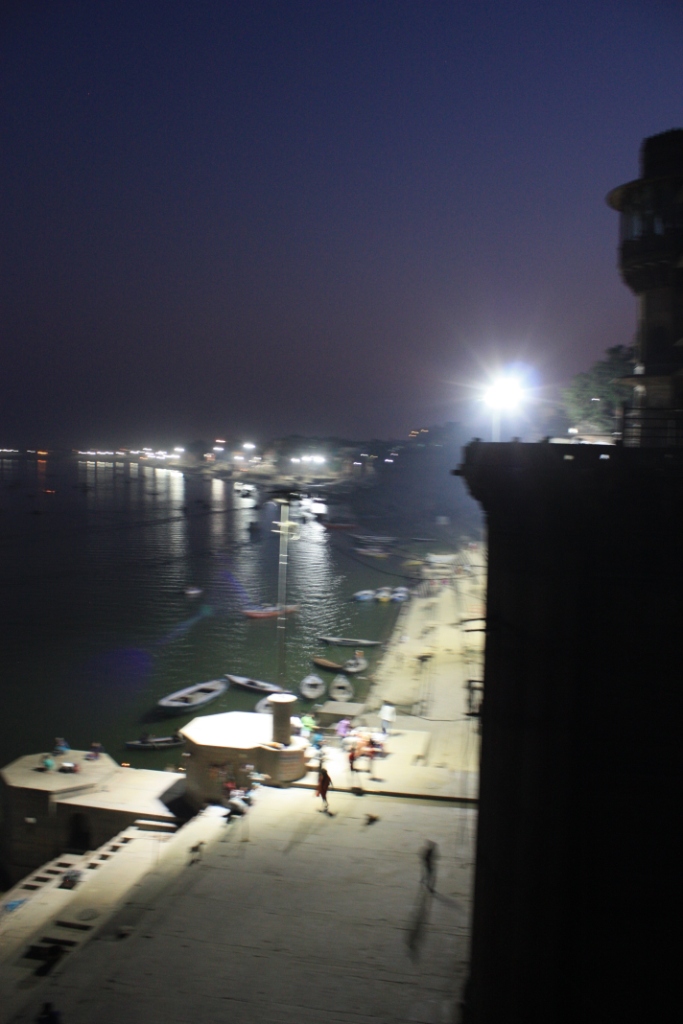
Taken on October 24, 2015 at Varanasi


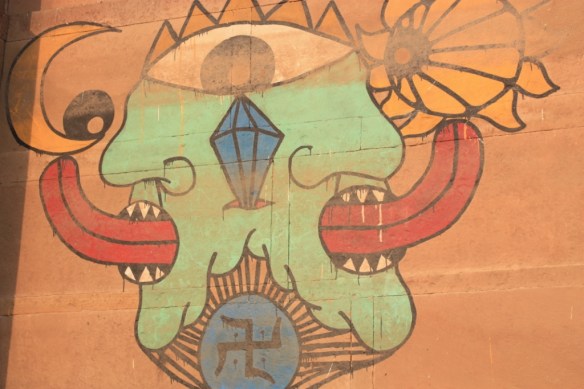





 Tiger Riding for Beginners