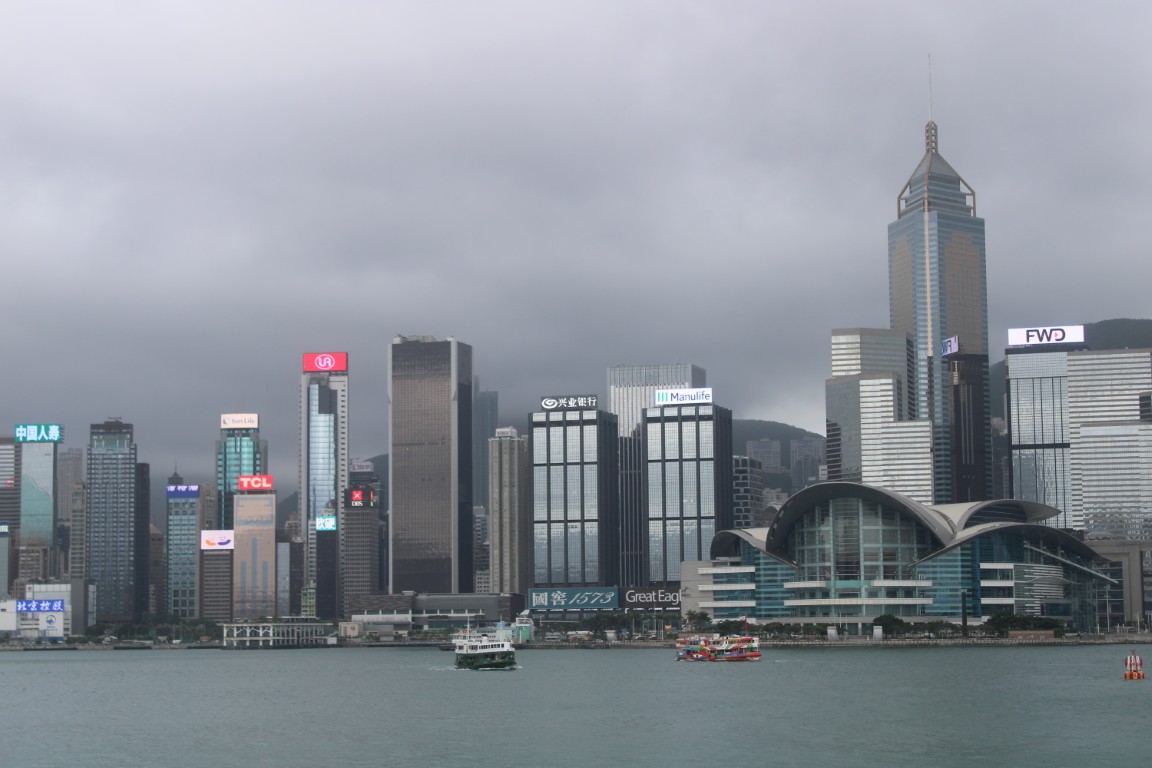
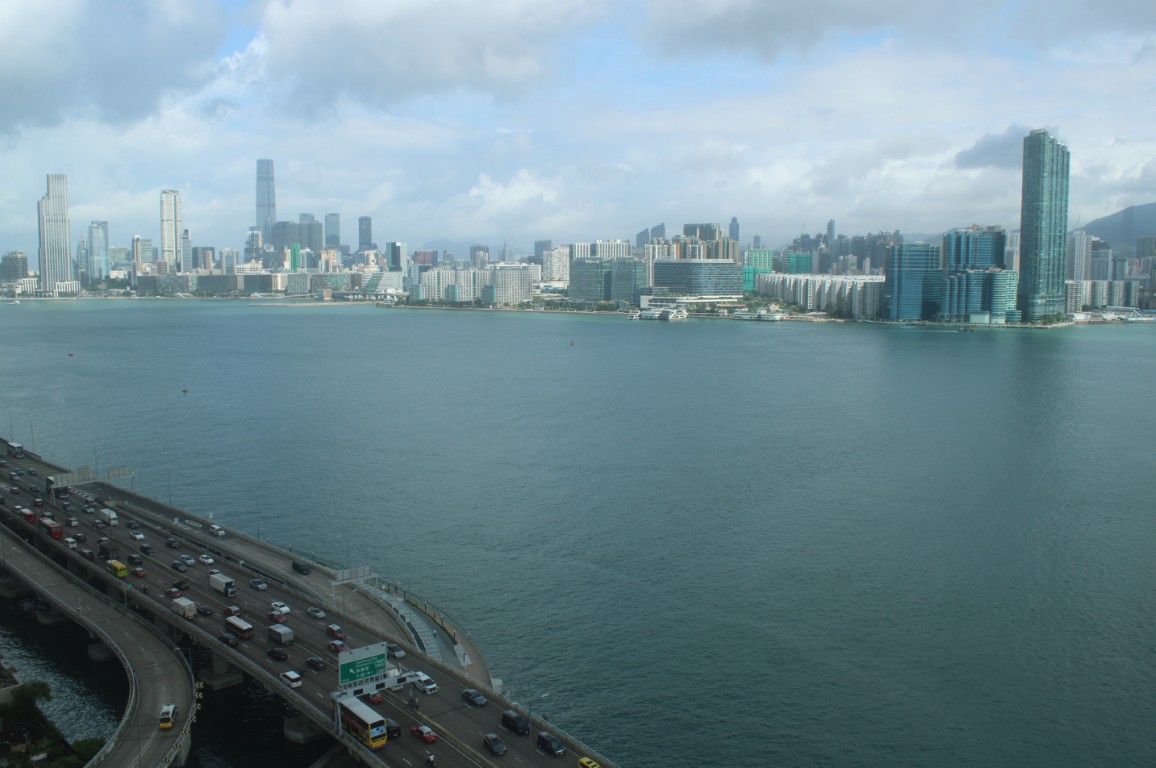
DAILY PHOTO: Hong Kong Skylines Posted on July 25, 2025 by B Gourley Reply Share on Facebook, Twitter, Email, etc. Print (Opens in new window) Print Share on WhatsApp (Opens in new window) WhatsApp MoreShare on TumblrTweet Share on Reddit (Opens in new window) Reddit Email a link to a friend (Opens in new window) Email Like Loading...
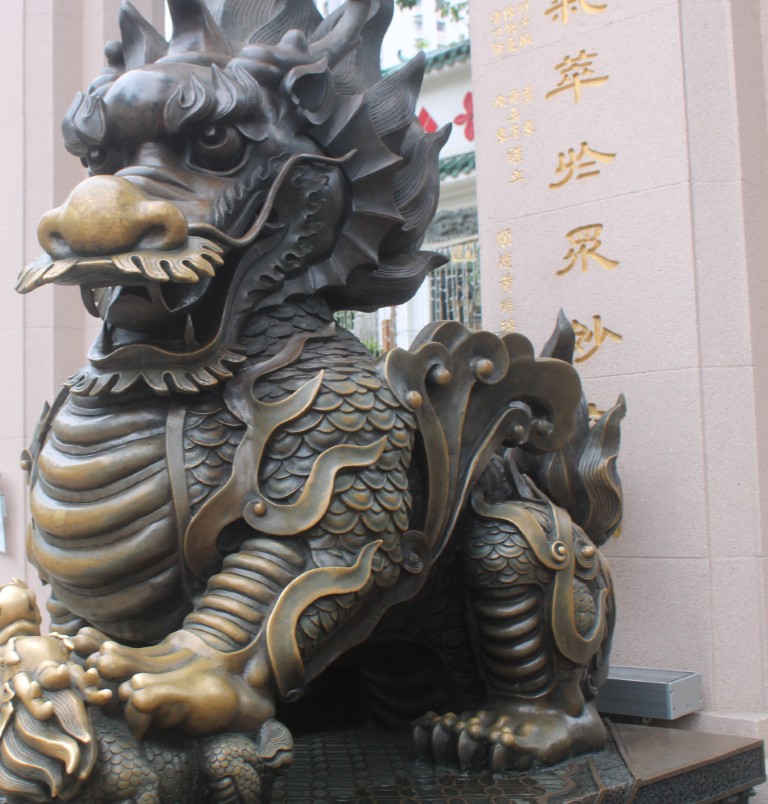
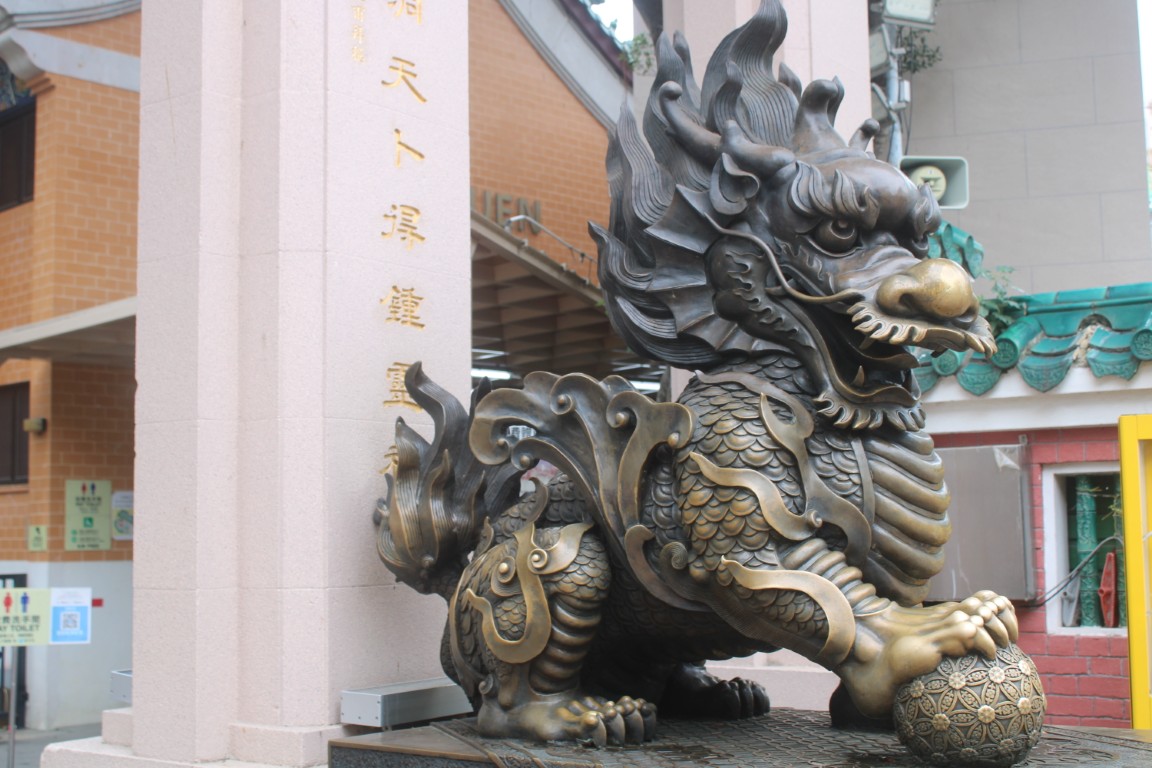
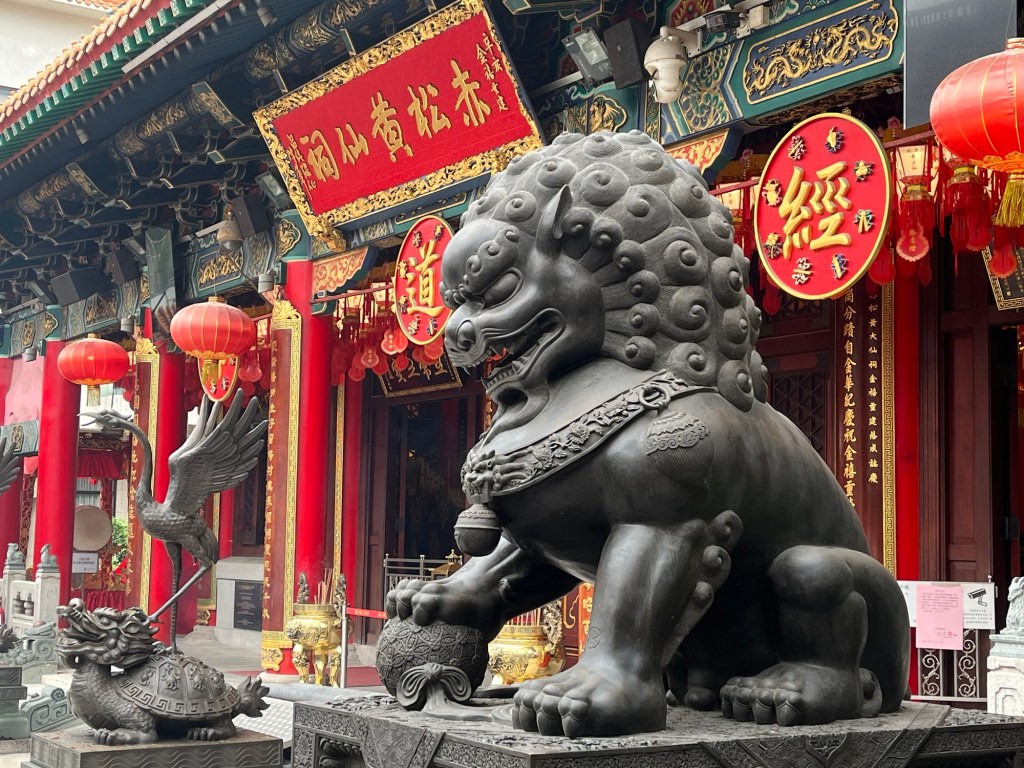
DAILY PHOTO: Bronze Guardian Lion Posted on July 20, 2025 by B Gourley Reply Share on Facebook, Twitter, Email, etc. Print (Opens in new window) Print Share on WhatsApp (Opens in new window) WhatsApp MoreShare on TumblrTweet Share on Reddit (Opens in new window) Reddit Email a link to a friend (Opens in new window) Email Like Loading...
DAILY PHOTO: Kowloon from Across Victoria Harbour Posted on July 14, 2025 by B Gourley Reply Share on Facebook, Twitter, Email, etc. Print (Opens in new window) Print Share on WhatsApp (Opens in new window) WhatsApp MoreShare on TumblrTweet Share on Reddit (Opens in new window) Reddit Email a link to a friend (Opens in new window) Email Like Loading...
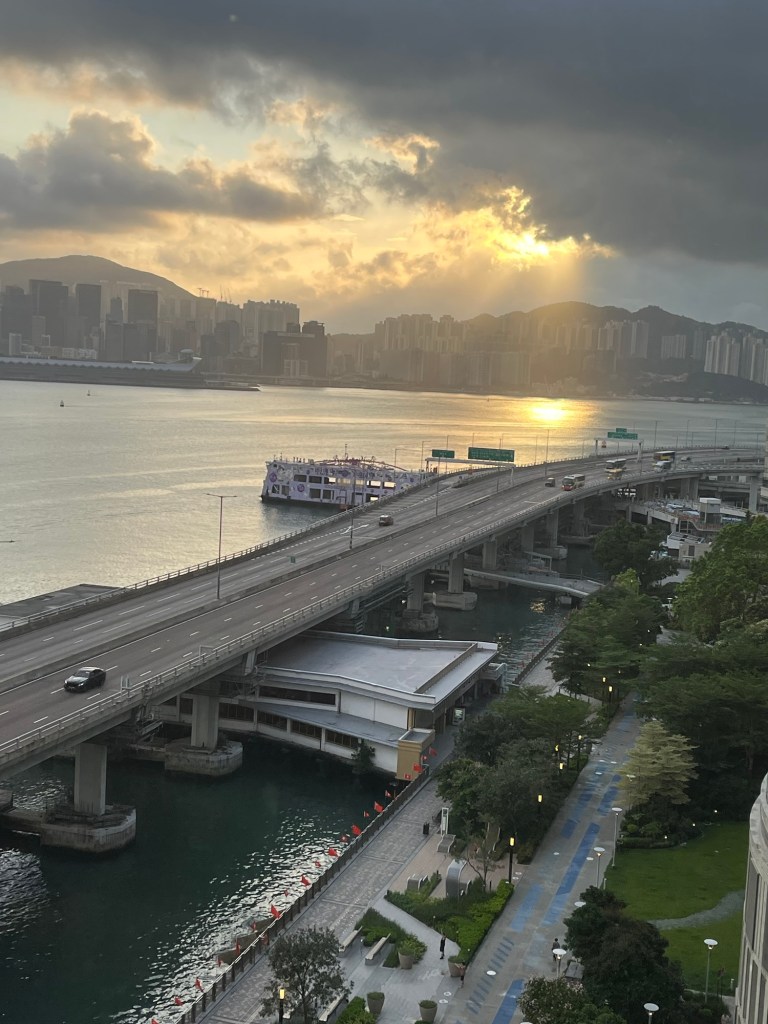
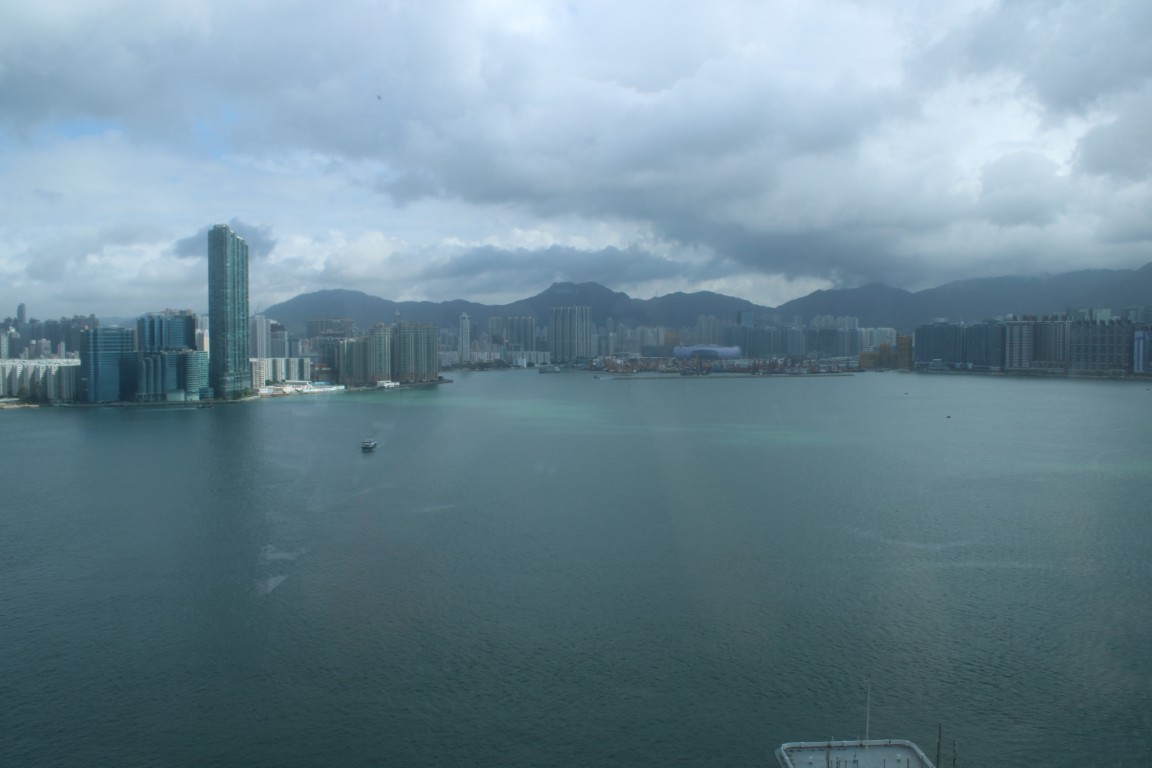
DAILY PHOTO: Sunrise on Victoria Harbor Posted on July 5, 2025 by B Gourley Reply Share on Facebook, Twitter, Email, etc. Print (Opens in new window) Print Share on WhatsApp (Opens in new window) WhatsApp MoreShare on TumblrTweet Share on Reddit (Opens in new window) Reddit Email a link to a friend (Opens in new window) Email Like Loading...
PROMPT: Memorable Vacation Posted on July 5, 2025 by B Gourley Reply Daily writing promptDescribe your most memorable vacation.View all responses The one I remember most at the moment is the most recent one, South Korea and Hong Kong. Beyond that, everything is in a slow fade. Share on Facebook, Twitter, Email, etc. Print (Opens in new window) Print Share on WhatsApp (Opens in new window) WhatsApp MoreShare on TumblrTweet Share on Reddit (Opens in new window) Reddit Email a link to a friend (Opens in new window) Email Like Loading...
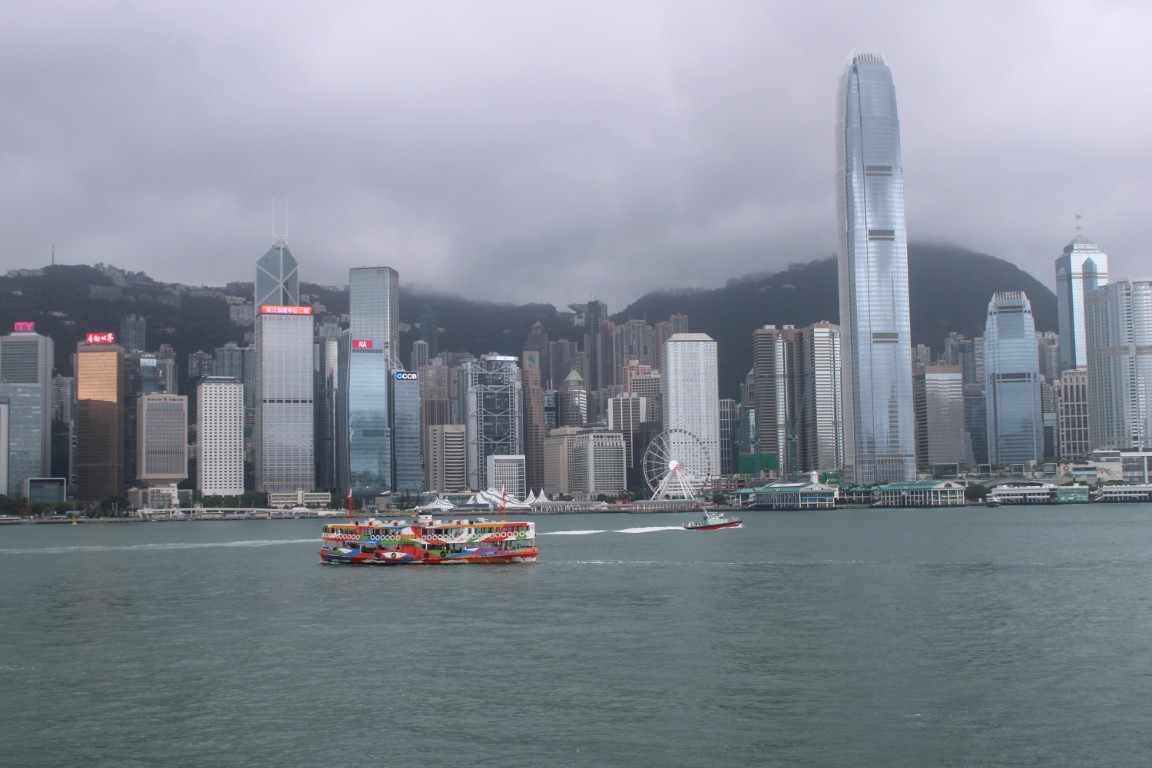
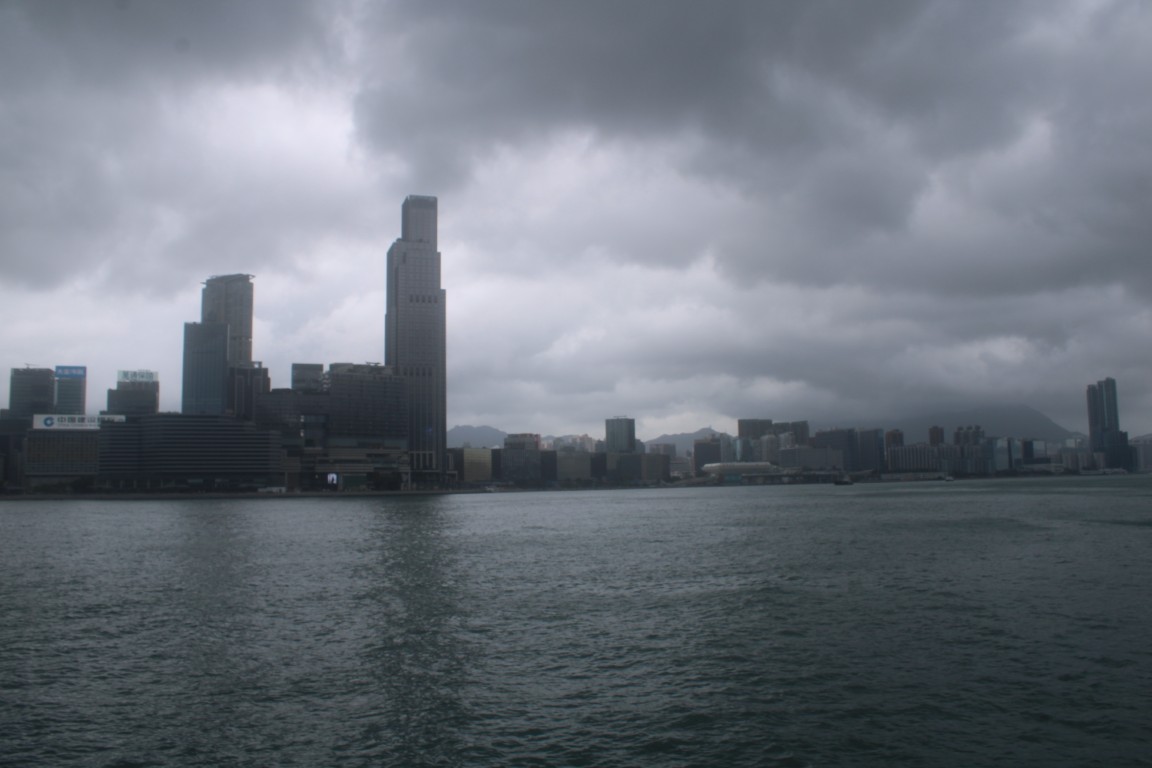
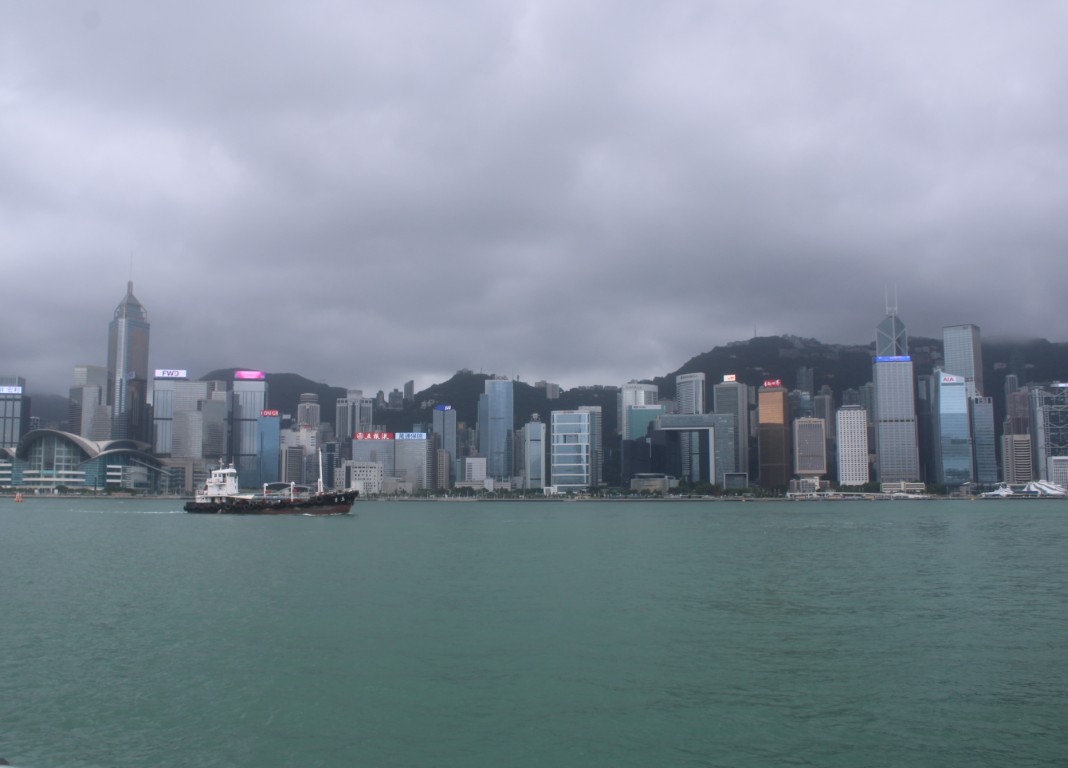
DAILY PHOTO: Rainy-Day Views from the Star Ferry, Hong Kong Posted on July 1, 2025 by B Gourley Reply Share on Facebook, Twitter, Email, etc. Print (Opens in new window) Print Share on WhatsApp (Opens in new window) WhatsApp MoreShare on TumblrTweet Share on Reddit (Opens in new window) Reddit Email a link to a friend (Opens in new window) Email Like Loading...
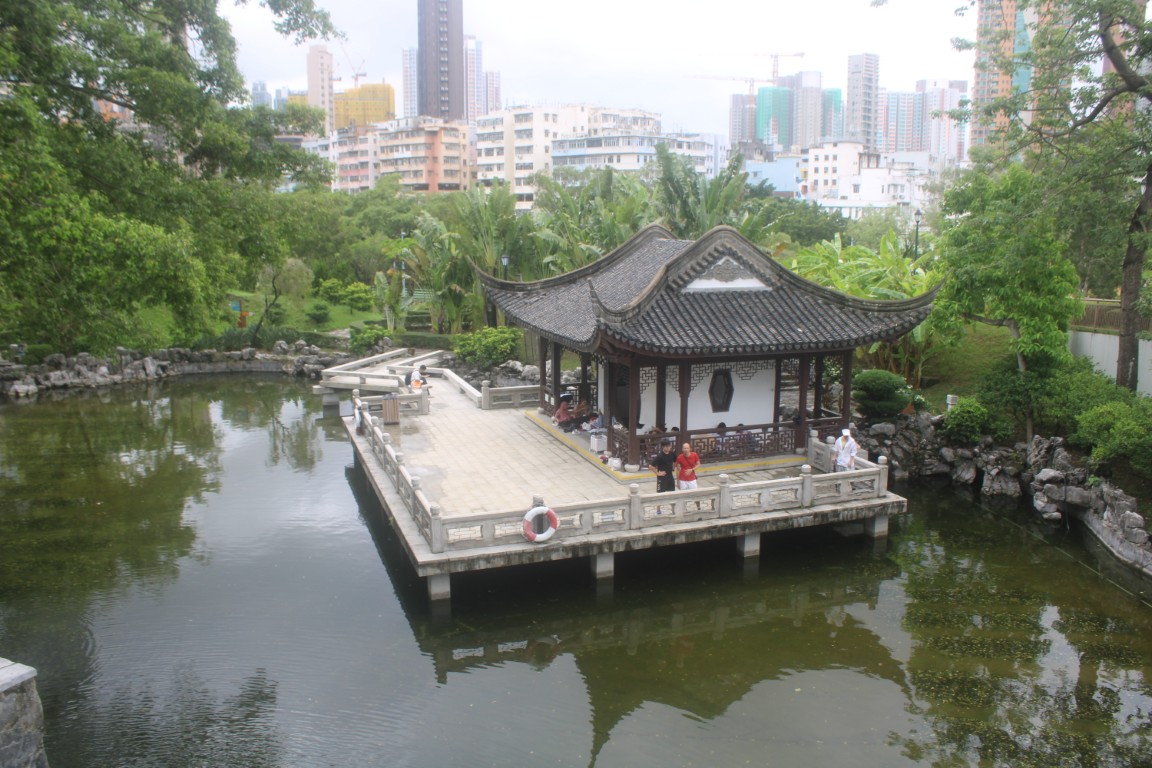
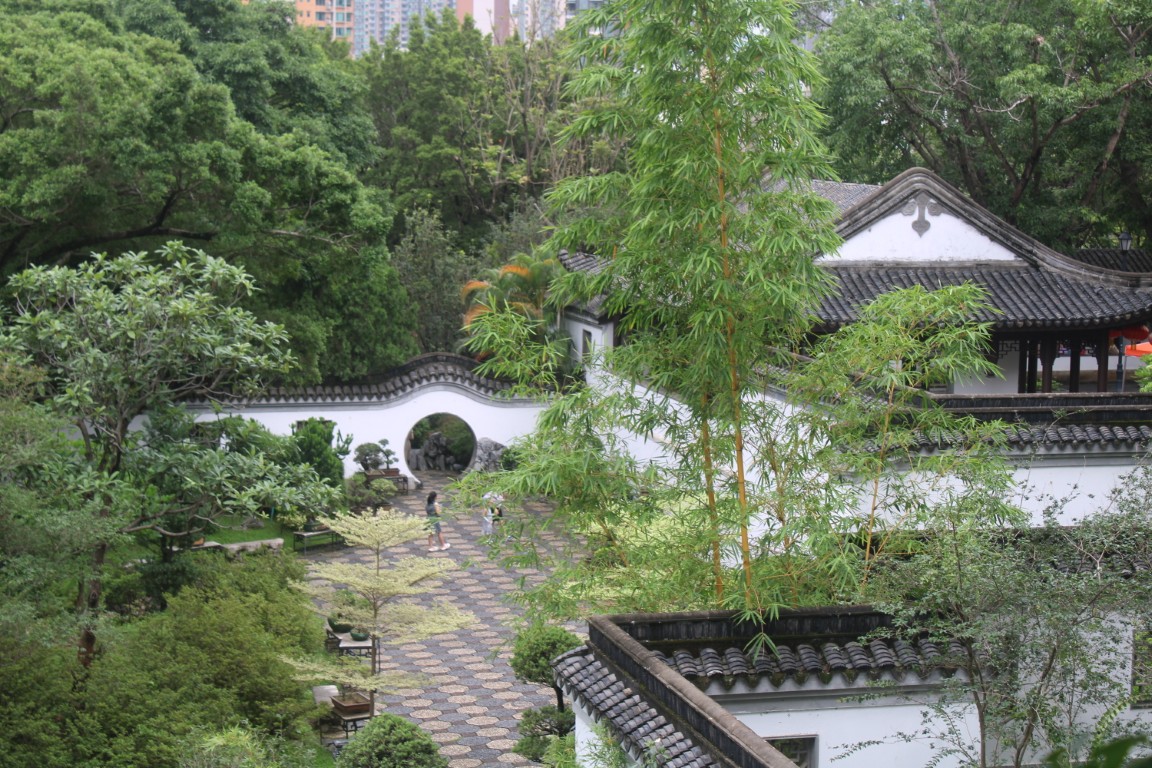
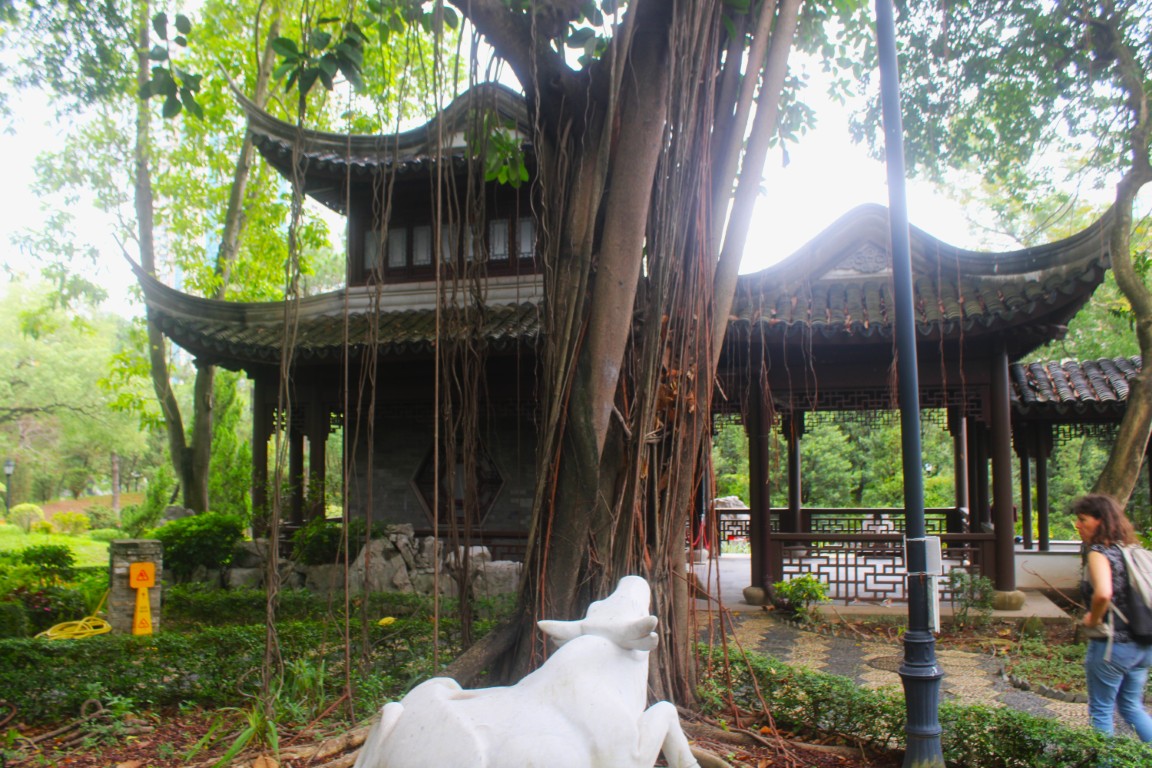
DAILY PHOTO: Scenes from Kowloon Walled City Park Posted on June 30, 2025 by B Gourley Reply Share on Facebook, Twitter, Email, etc. Print (Opens in new window) Print Share on WhatsApp (Opens in new window) WhatsApp MoreShare on TumblrTweet Share on Reddit (Opens in new window) Reddit Email a link to a friend (Opens in new window) Email Like Loading...
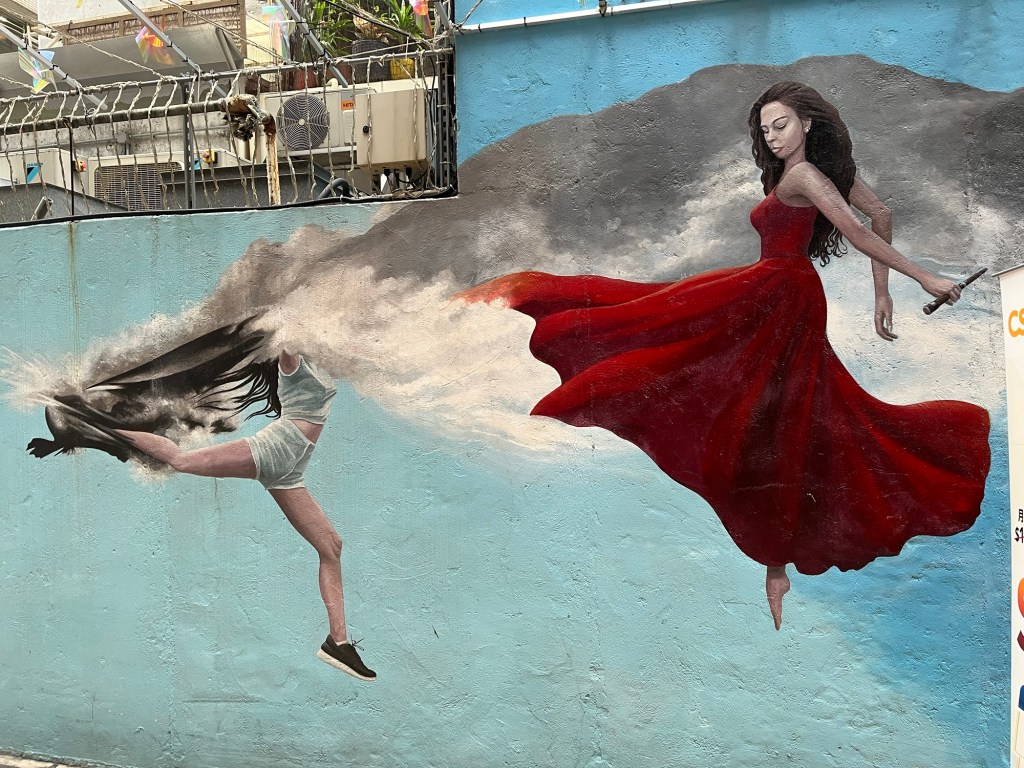
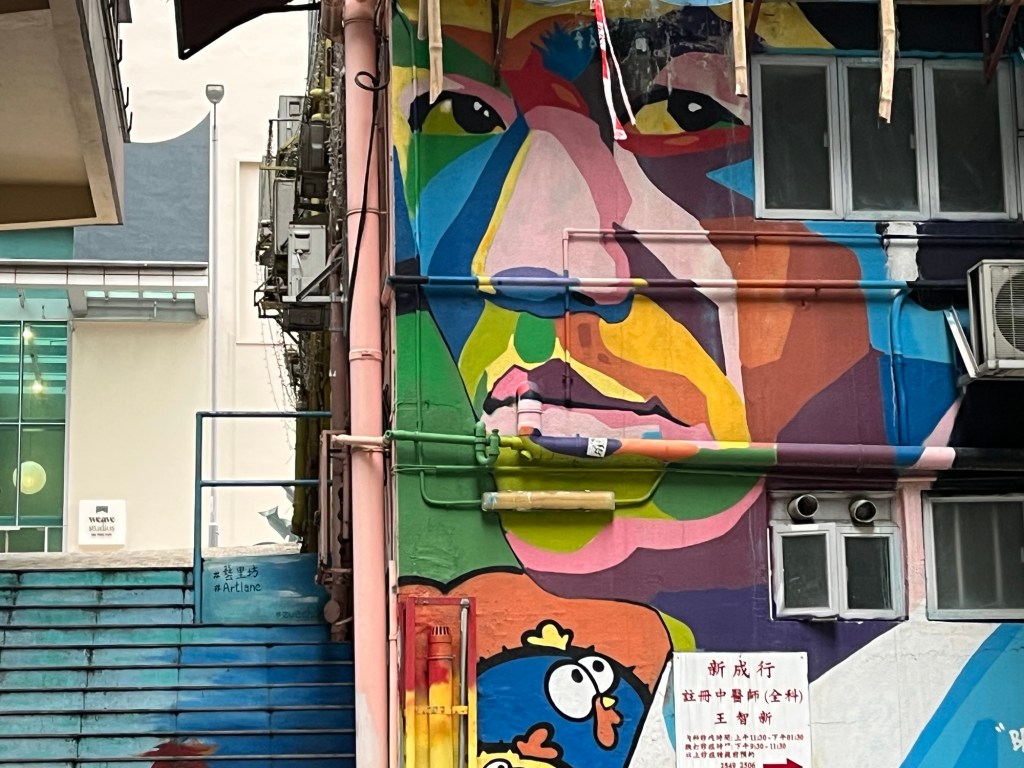
DAILY PHOTO: ArtLane, Hong Kong Posted on June 17, 2025 by B Gourley Reply Share on Facebook, Twitter, Email, etc. Print (Opens in new window) Print Share on WhatsApp (Opens in new window) WhatsApp MoreShare on TumblrTweet Share on Reddit (Opens in new window) Reddit Email a link to a friend (Opens in new window) Email Like Loading...
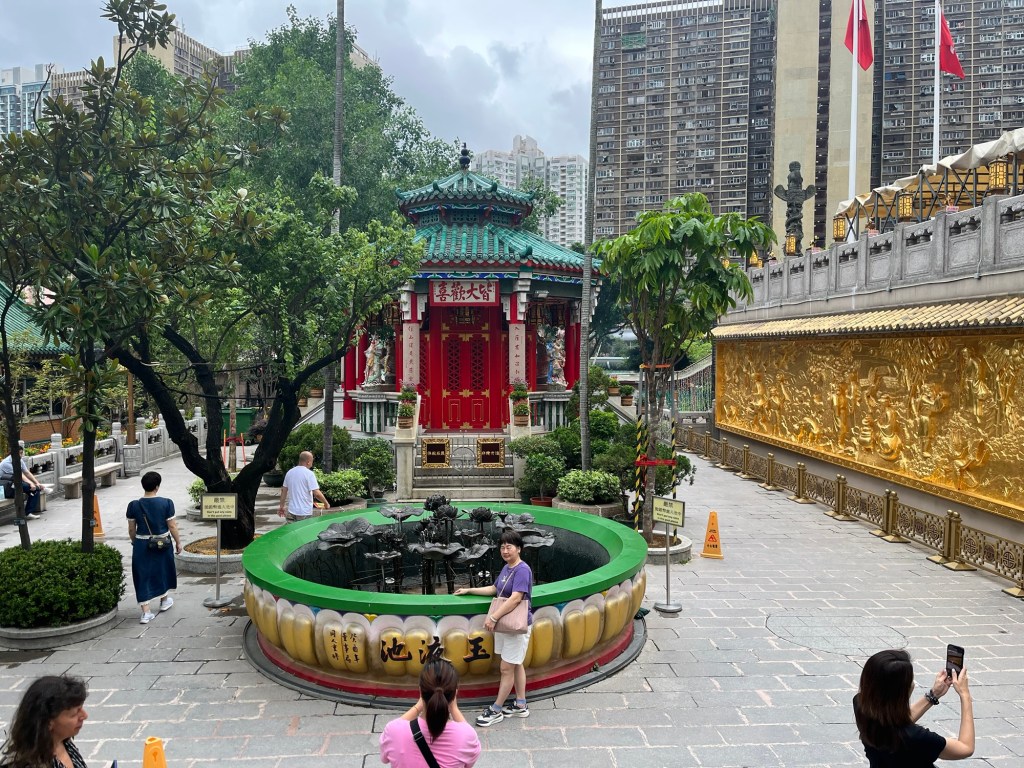
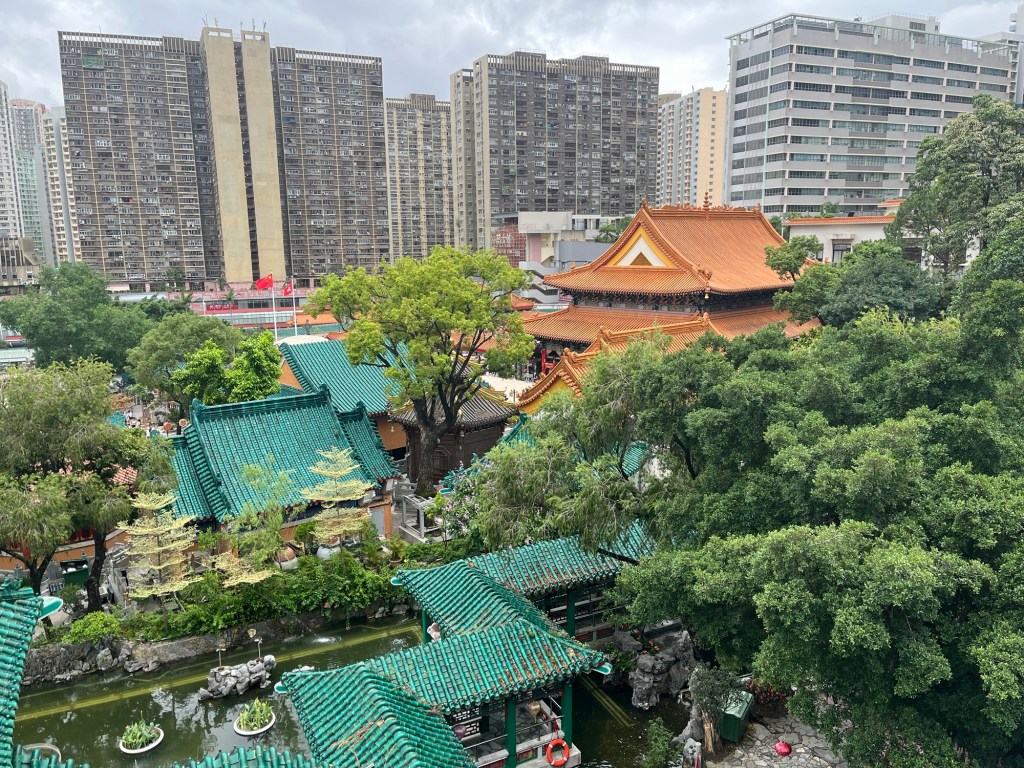
DAILY PHOTO: Wong Tai Sin Temple Posted on June 16, 2025 by B Gourley Reply Share on Facebook, Twitter, Email, etc. Print (Opens in new window) Print Share on WhatsApp (Opens in new window) WhatsApp MoreShare on TumblrTweet Share on Reddit (Opens in new window) Reddit Email a link to a friend (Opens in new window) Email Like Loading...
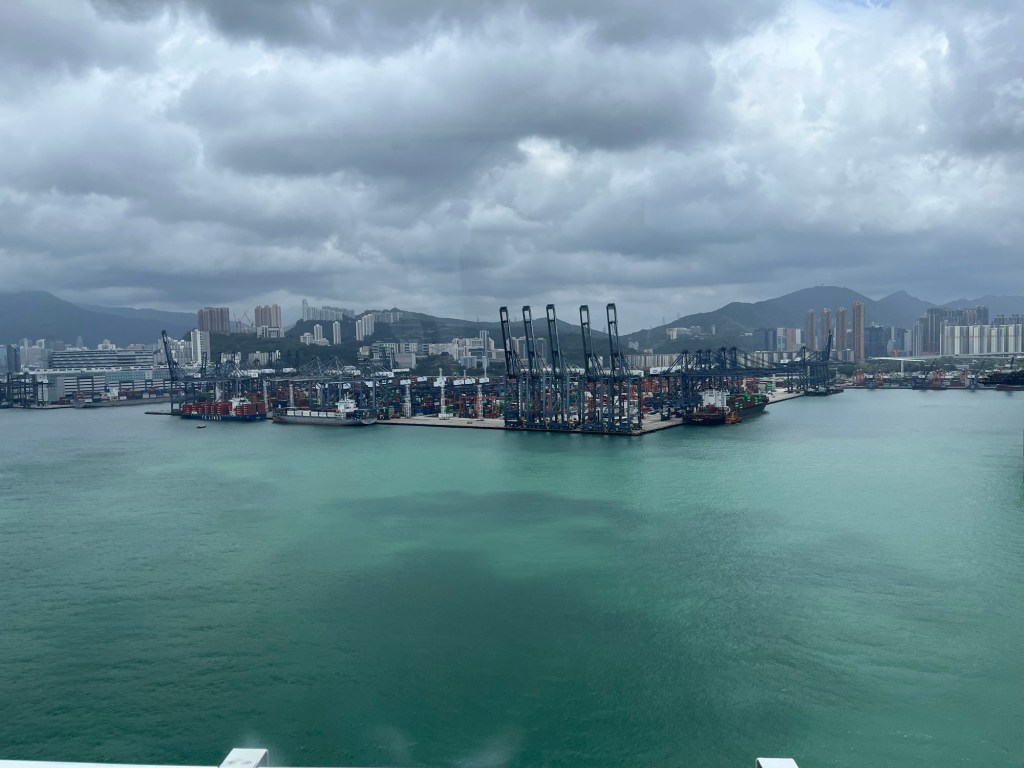
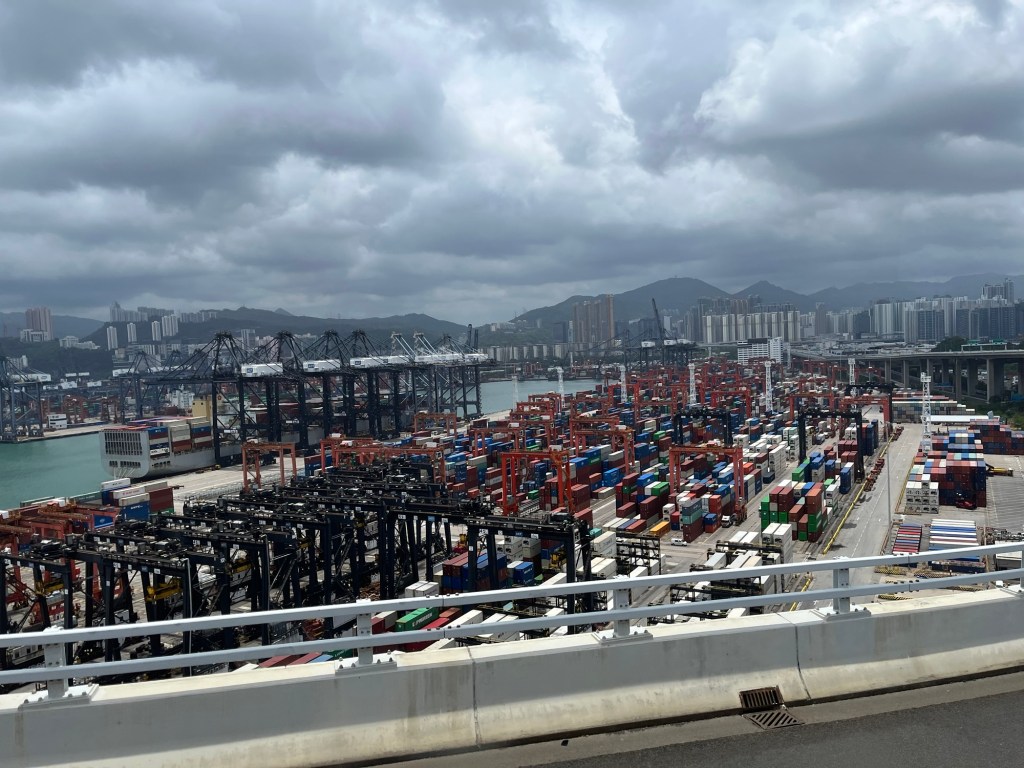
Daily Photo: Port of Hong Kong Posted on June 15, 2025 by B Gourley Reply Share on Facebook, Twitter, Email, etc. Print (Opens in new window) Print Share on WhatsApp (Opens in new window) WhatsApp MoreShare on TumblrTweet Share on Reddit (Opens in new window) Reddit Email a link to a friend (Opens in new window) Email Like Loading...













 Tiger Riding for Beginners