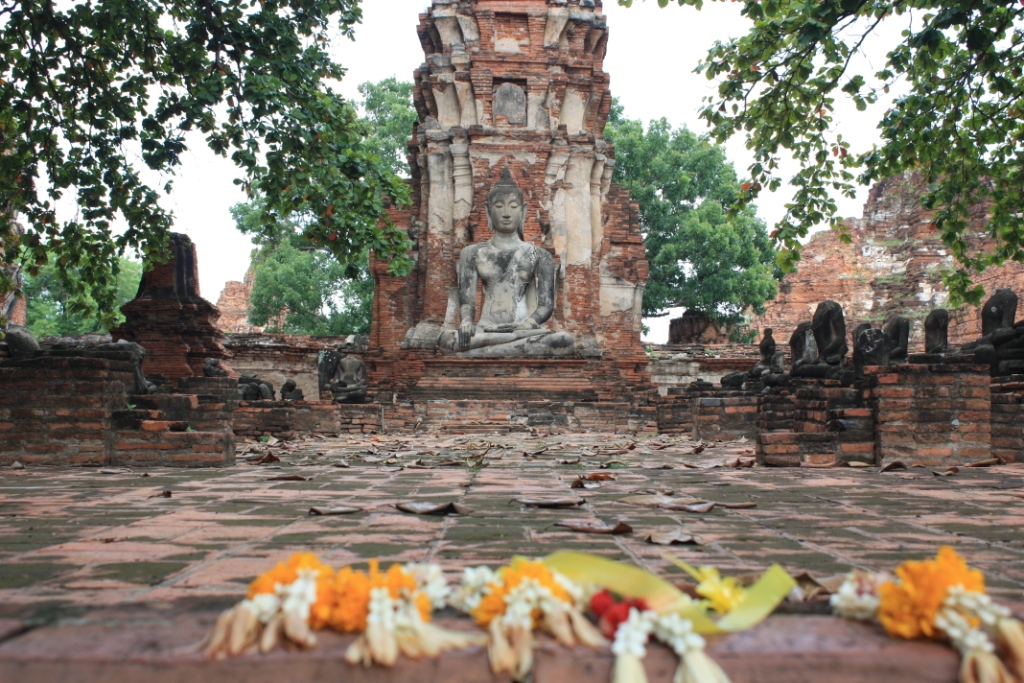
DAILY PHOTO: Garlands for Buddha

Taken in August of 2014 at Wat Mahathat in Ayutthaya
Taken in August of 2014 at Wat Mahathat in Ayutthaya

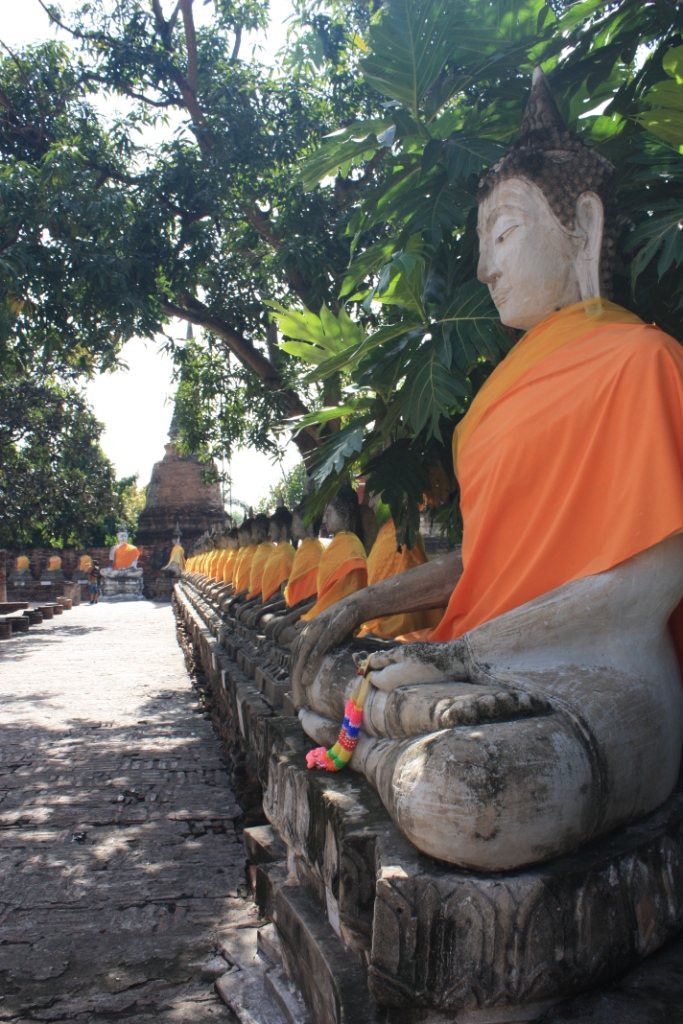
DAILY PHOTO: Buddhas in Saffron

Taken in August of 2014 in Ayutthaya, Thailand.

Taken in August of 2014 in Ayutthaya, Thailand.

These Buddhas line the perimeter of an important structure at the Wat Yai Chai Mongkol in Ayutthaya.
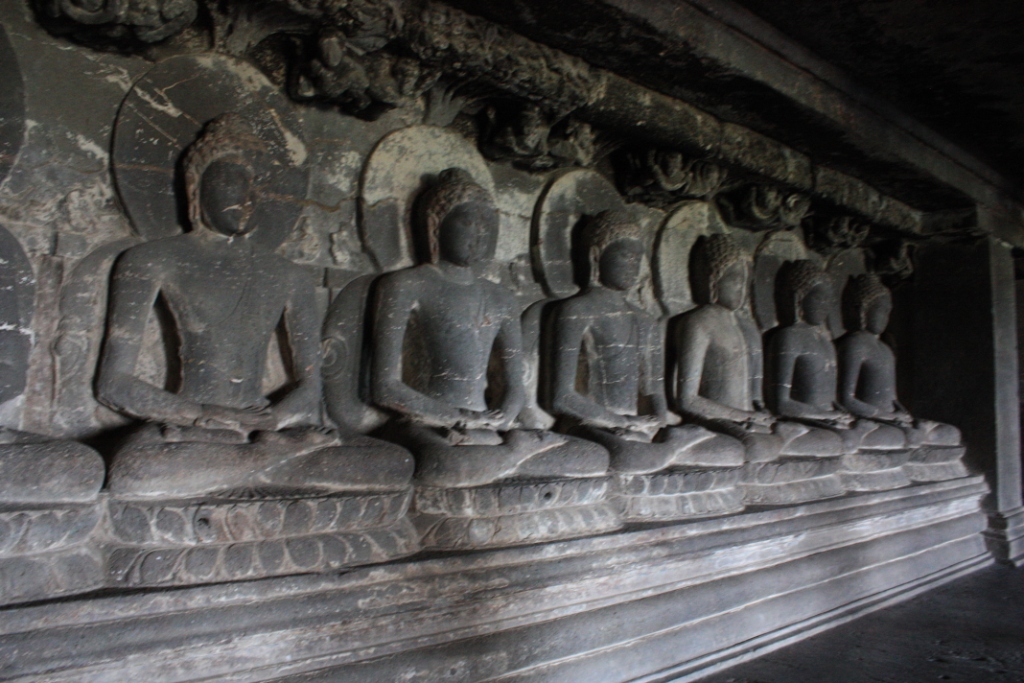
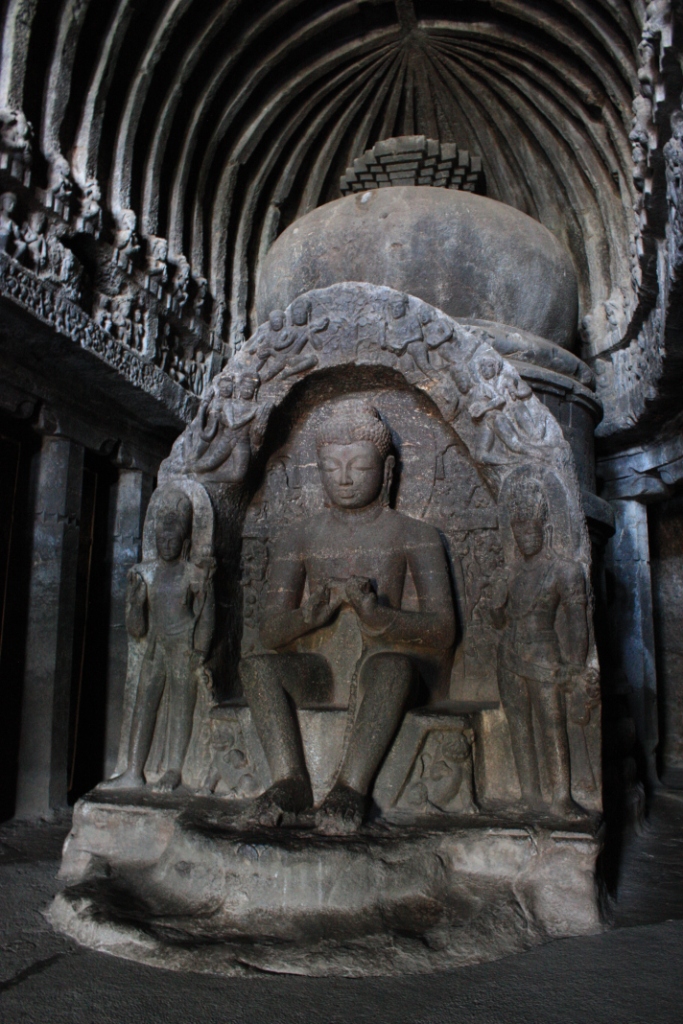
DAILY PHOTO: Seated Buddhas at Ellora

IMG_0881

Taken in the Ellora Caves on November 20, 2014. Ellora has Buddhist, Hindu, and Jain caves–in that order.
DAILY PHOTO: Garlands for Buddha

Taken in August of 2014 at Wat Mahathat in Ayutthaya

Taken in August of 2014 at Wat Mahathat in Ayutthaya

Taken near the famous head that is enveloped by a Strangler Fig on the grounds of Wat Mahathat temple. You may know this temple as one of the sites at with Jean Claude Van Damme’s Kickboxer movie was filmed, presented as a fictional location called Stone City.
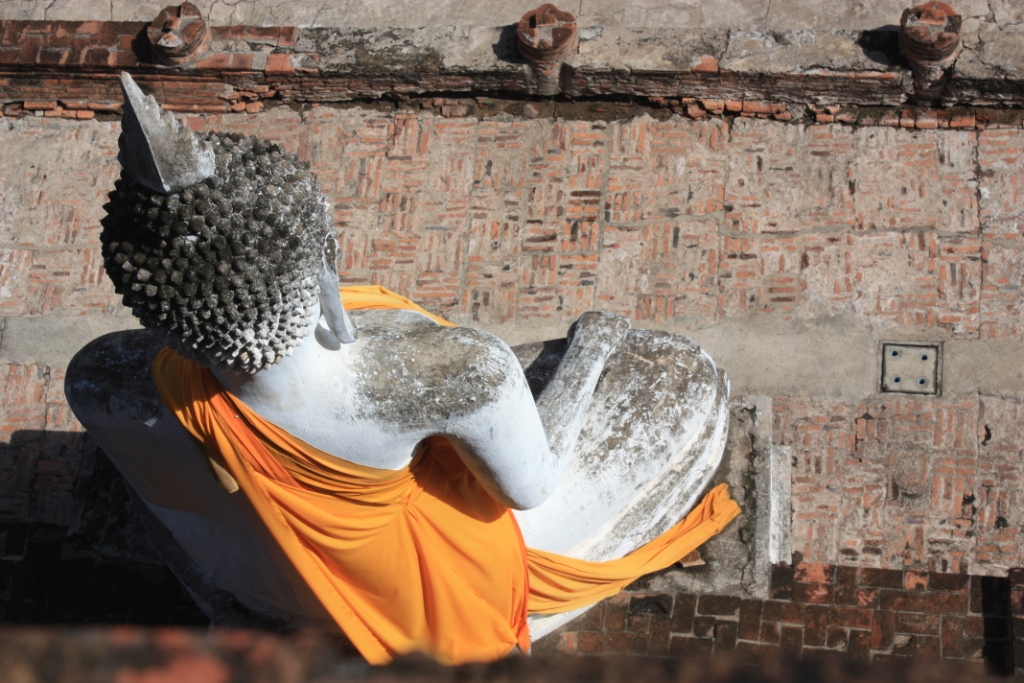
DAILY PHOTO: Looking Over Buddha’s Shoulder

Taken in September of 2014 in Ayutthaya at Wat Yai Chaya Mongol

Taken in September of 2014 in Ayutthaya at Wat Yai Chaya Mongkol
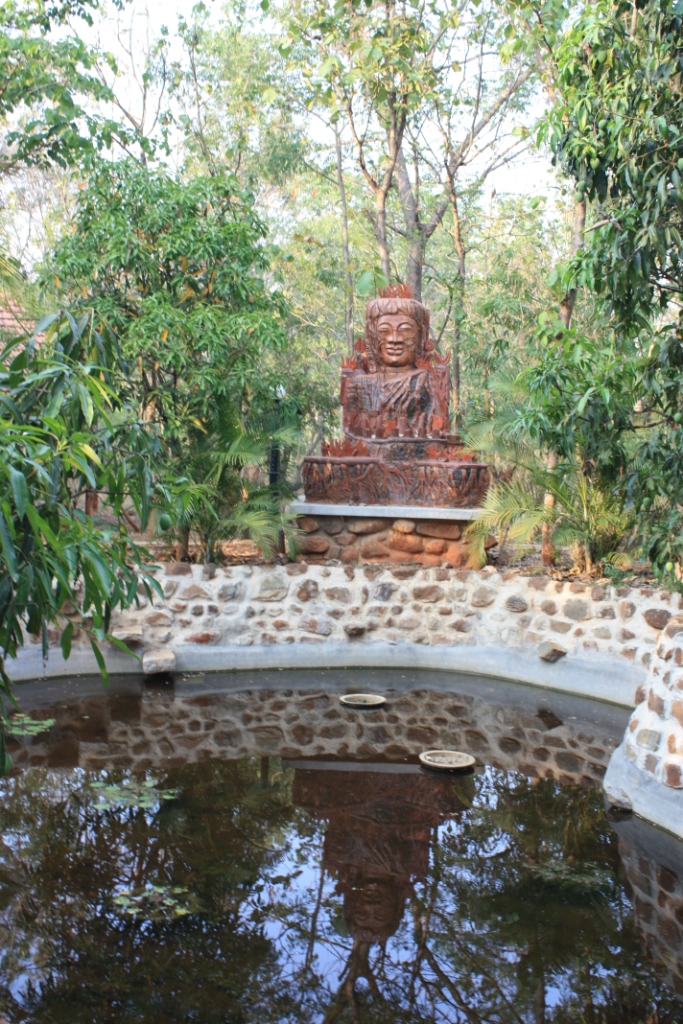
DAILY PHOTO: Lotus Pond Buddha at Fireflies

Taken May 3, 2014 at Fireflies Ashram in Dinneplaya, India.

Taken May 3, 2014 at Fireflies Ashram in Dinneplaya, India.

I spent the weekend at an Ashram south of Bangalore learning Toksen, which is a bodywork method indigenous to Chiang Mai, Thailand.
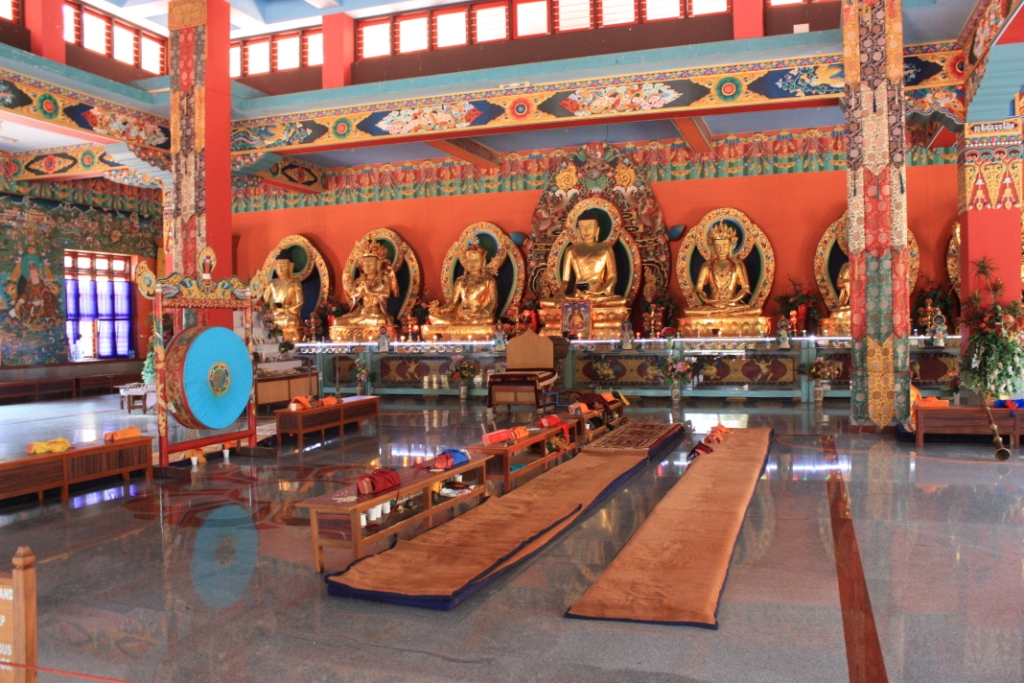
DAILY PHOTO: 5 Golden Buddhas

Taken in March of 2014 at Namdroling Monastery.

Taken in March of 2014 at Namdroling Monastery.

DAILY PHOTO: Golden Buddha of Rang Hill

Taken in January of 2013

Taken in January of 2013

This Buddha is located at Wat Khao Rang on Rang Hill, overlooking Phuket Town. His right hand mudra conveys that the spice is just right–but you may want to verify that with a Buddhist.

DAILY PHOTO: Buddha with Golden Parasol

Taken in October of 2012 at Angkor, Cambodia.

Taken in October of 2012 at Angkor, Cambodia.

I was just doing some research on 13th century Angkor, and so I figured I’d dig back to 2012 for a photo from my visit there.


Drunk, Narcissist, or Buddha: What Kind of Writer Are You?

IMG_0173I read a story in The Guardian the other day entitled “What drives writers to drink?”  It was actually an edited excerpt from a book by Olivia Laing entitled The Trip to Echo Spring: Why Writers Drink.

I found this piece fascinating despite the fact that the title question seemed readily answered with another question, “In what other occupation must one regularly, repeatedly, and thoroughly get punched in the soul in order to succeed?” Writing is a personal act, and no piece of writing that is read escapes the assault of criticism, invited and uninvited, which ranges from sagacious to ridiculous.

One somehow has to find the courage to wade through what feels a lot like attacks on one’s intellectual self in order to discover what is useful and what is not. If one summarily rejects all criticism and advice, one will neither grow nor is one likely to be published. If one accepts all criticism as having merit, one may find a psychiatric ward in one’s future–and one is likely to remain unpublished. So the trick is to be able to answer the question, “What within this writing is genuinely bad?”

The problem is that it feels like the question is, “What about me is flawed?” It’s like holding a mirror up to the core of one’s being and noticing that you have some rot.

How do writers do this? There are probably innumerable approaches, but three common ones come to mind. The first is the one thoroughly addressed in Laing’s book; that is, some writers self-medicate. The article references a quote by Tennessee Williams, “…you felt as if a new kind of blood had been transfused into your arteries, a blood that swept away all anxiety and all tension for a while, and for a while is the stuff that dreams are made of.”

A second unhealthy approach is to reject any assertion that contradicts one’s perfection. In other words, be a narcissist. These are the writers who meet each and every piece of criticism with statements like, “you just don’t understand what I was trying to do there, my misspelling was actually a clever commentary on the zeitgeist of 20th century Armenia.”

The narcissists have the advantage not becoming clinically depressed by the constant rejection and criticism that is a life of writing. The downside is that they have to live in a world in which everyone else on the planet is ignorant and incapable of recognizing brilliance when it’s shining in their faces, and that is depressing in its own way. Only a few in this group manage to get published, and they do so through a combination of being truly great and, at least early on, being willing to tarnish their awesomeness by accepting some editorial suggestions.

The third approach is the one that we should all aspire to, but it’s a bitch getting there. In the title I used “Buddha” as a code word for the enlightened approach. What is the enlightened approach to dealing with rejection and criticism? First, one must realize that equating one’s writing and one’s self is illusory, and that criticism of one’s work isn’t criticism of self. Before any writer gets to the point of submitting works to agents, editors, or publishers someone along the line has told one that one’s writing is good. This fatal compliment causes one’s self-worth to become entangled in one’s writing.

Second, one must develop a confidence that isn’t rooted in external validation. In less pretentious words, one mustn’t feel it necessary to be loved by everyone with whom one comes into contact. This is hell if one’s entire life is writing. The value of published writing is inseparable from how it’s received. My only suggestion on this point is to find something else in one’s life that allows one to build self-confidence. For me, this has been martial arts. Sure there are usually rank tests, which are about validation from one’s teacher. However, what it really comes down is whether one experiences success in training and sparring. If one sees some success, the rank starts to be irrelevant to one’s confidence. I think outdoorsmanship is another such skill– for those less scared of bears than being beaten ugly with a stick. There are few activities in which other’s evaluation of one is ultimately irrelevant, but those are the activities with which one should seek to balance one’s writing.

If anyone needs me I’ll be guzzling Bourbon and contemplating how the publishing industry is run by poop-weasels.
