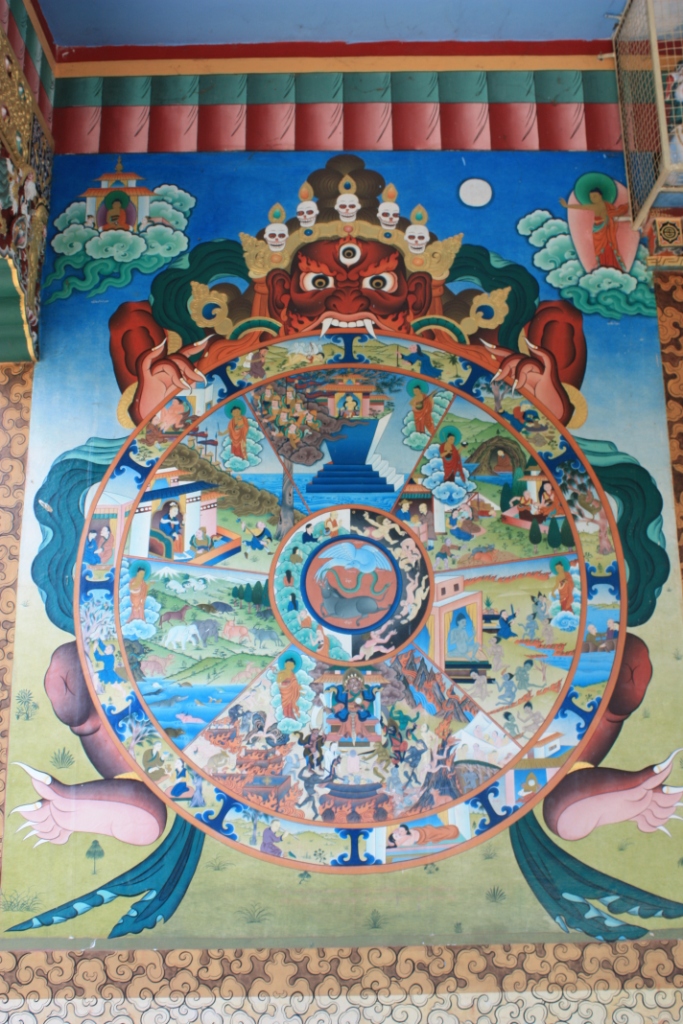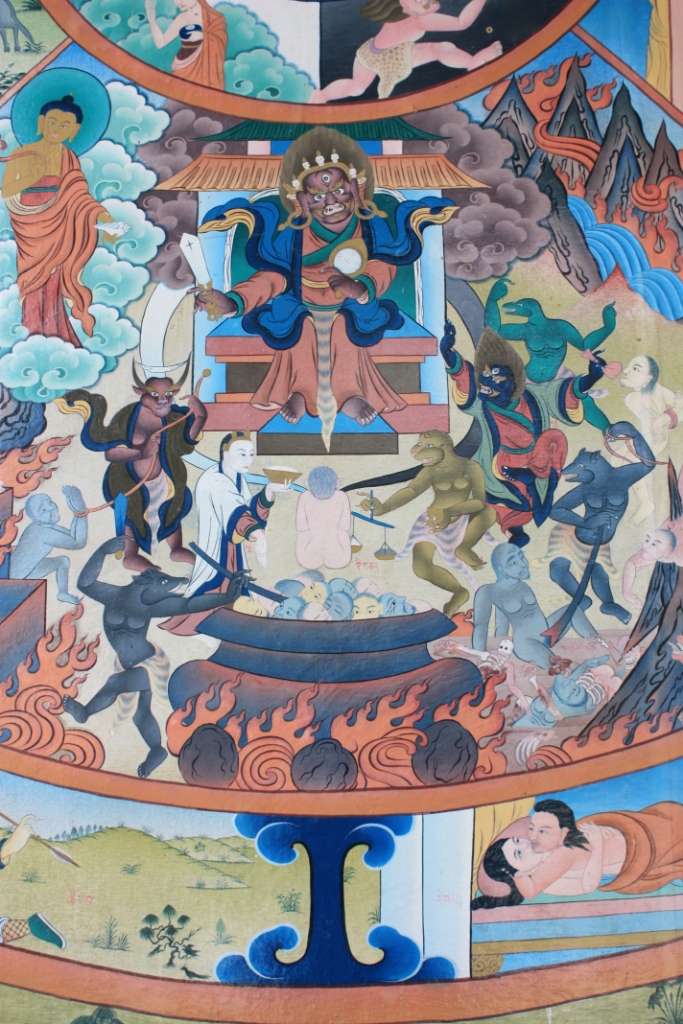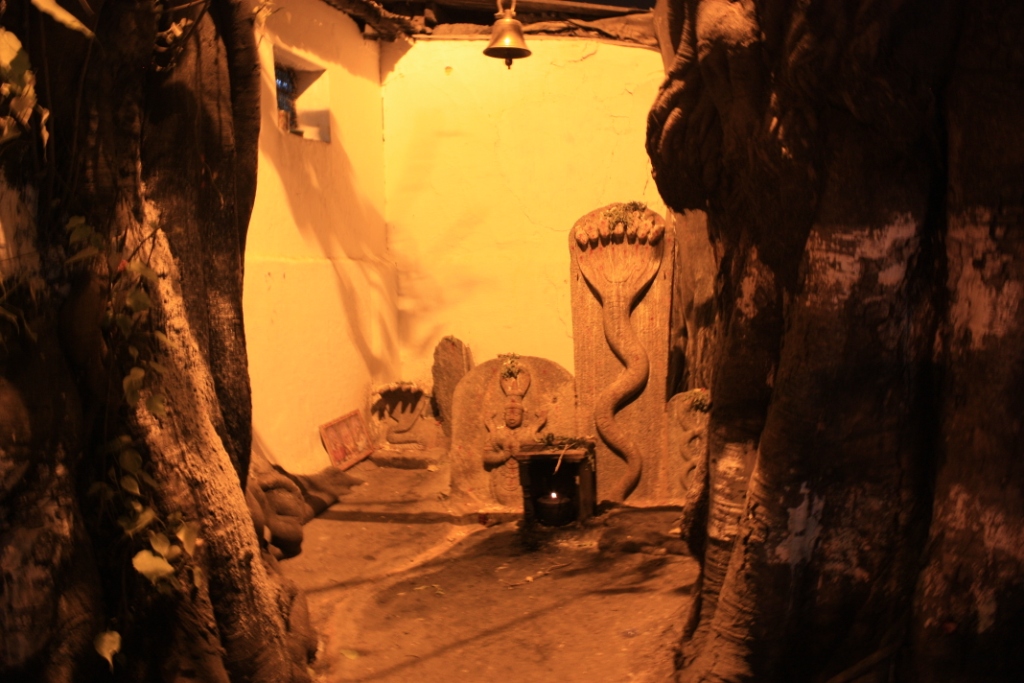
Taken March of 2014 in Bangalore.
This is located behind V.B. Bakery on Food Street in Visveswarapuram, Bangalore.

Taken March of 2014 in Bangalore.
This is located behind V.B. Bakery on Food Street in Visveswarapuram, Bangalore.

Taken March 30, 2014 in Coorg.
I tried to look up what this plant was called, but had no luck–despite its distinctive shape. We saw it in the Coorgi rainforest. As you can see it looks like a blueberry attached to a five-petaled orange flower.

Taken one March 29, 2014 at Namdroling Monastery in Bylakuppe.

Taken on March 30, 2014 near Madikeri.
This tree near Madikeri in Coorg is believed to have sprouted in 1190. That means it was living when:
-Jerusalem was recaptured during the 3rd Crusade.
-Genghis Khan came to power.
-the Magna Carta was issued.
-the Aztecs built Tenochtitlan.
-the first Black Plague struck.
I could go on and on, but you get my drift.
[Please note: Correlation does not equal causation. I’m not implying that the afore-pictured tree had anything to do with any of the aforementioned events.]
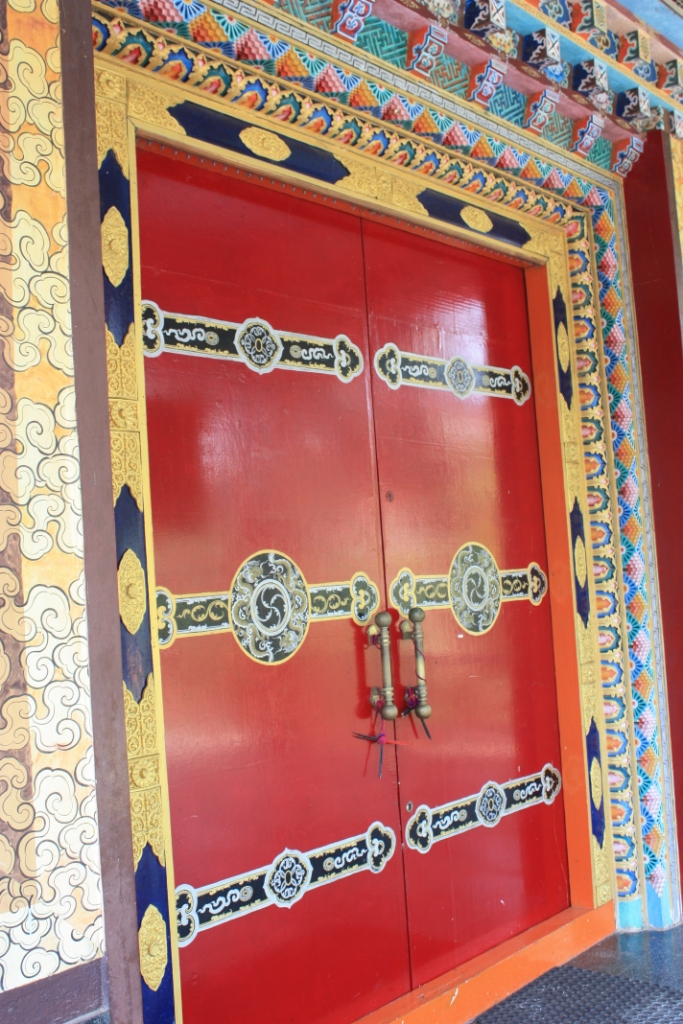
Taken March 29, 2014 at Namdroling Monastery in Bylakuppe.
Doors stir the curiosity. One wonders what’s on the other side–particularly when the door is as pimped out as this one. This isn’t even the main door. It’s a side door, hidden by vegetation and easily missed.
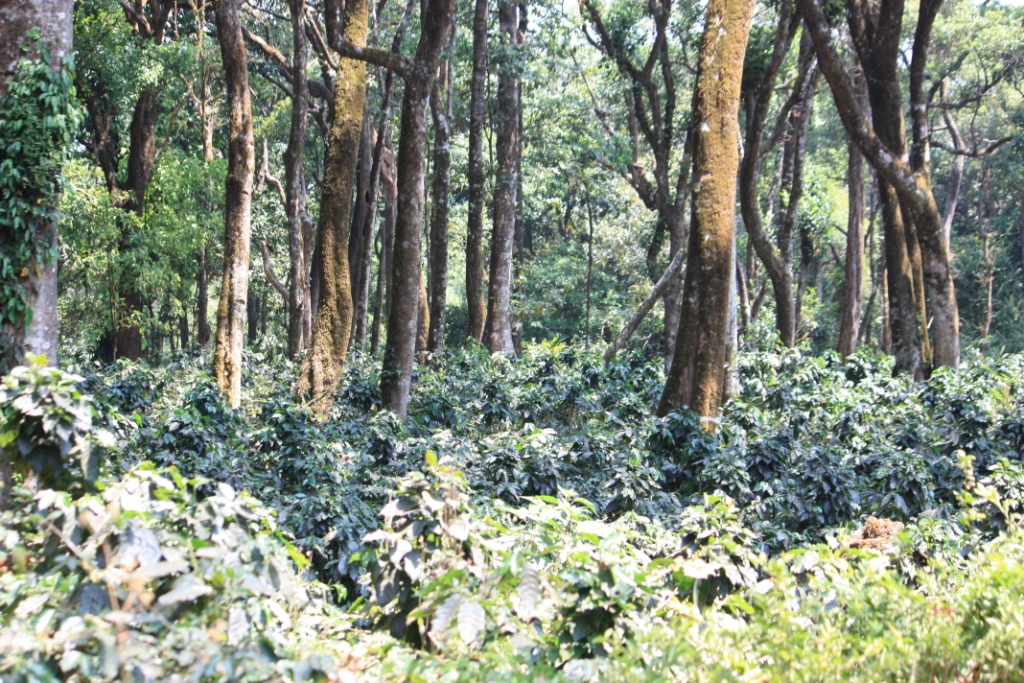
Taken on March 29, 2014 near Madikeri
This was taken at the Golden Mist coffee and tea plantation near Madikeri in Coorg. There are two kinds of coffee, arabica and robusta. Arabica is the tastier variety, and the arabica tree requires more shade. Robusta is hardier, but is rarely consumed without being blended with arabica–unless one wants chest-hairs to grow on one’s chest hair. So wherein most agricultural pursuits eschew competing plants, coffee plantations need shade.

Taken on March 30, 2014 in Madikeri, India
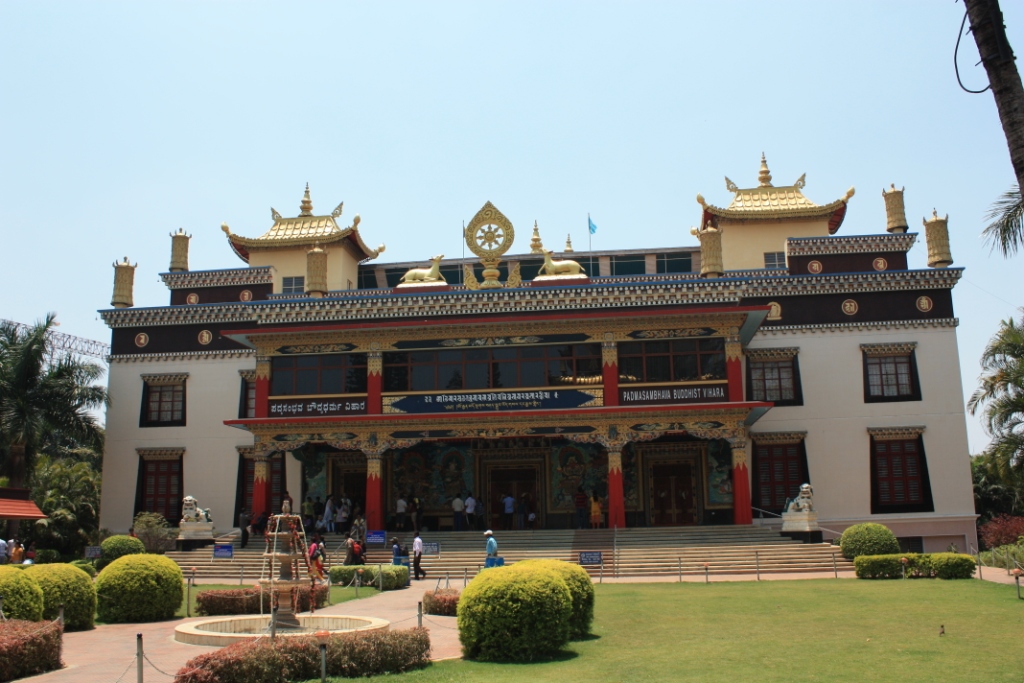
Taken March 29, 2014 at Namdroling Monastery in Bylakuppe.
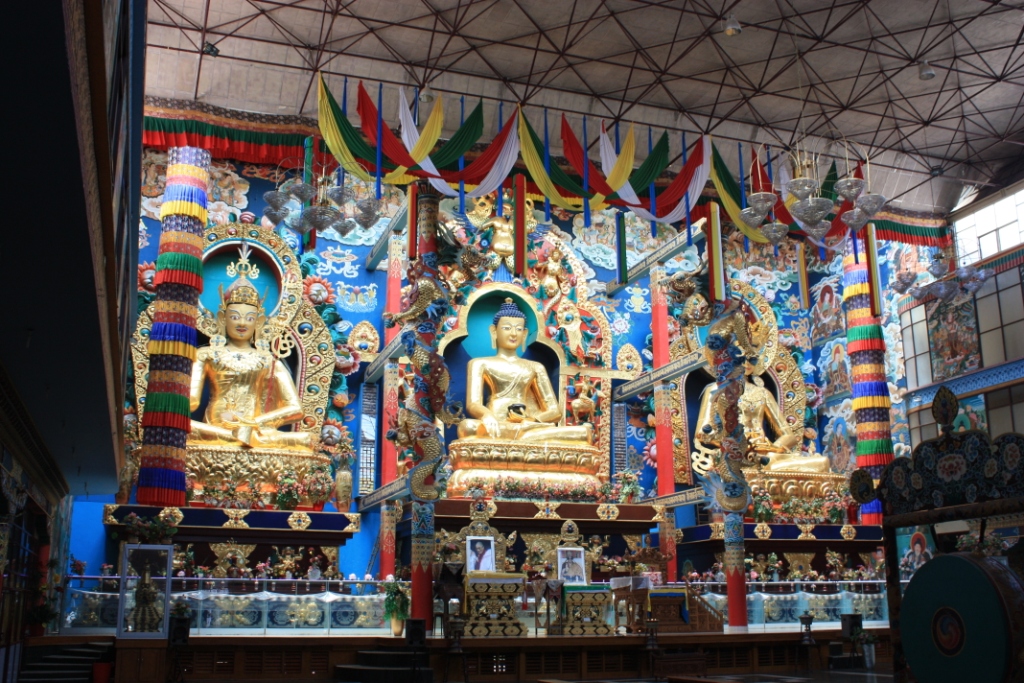
Namdroling Monastery is the largest teaching center of the Nyingmapa sect of Tibetan Buddhism in the world. It is located in Bylakuppe in southern Karnataka. Bylakuppe is a series of settlements that constitute one of the largest collections of Tibetans in Southern India (about 20,000 Tibetans live here.) This monastery was established by the Penor Rinpoche in 1963, after the Tibetan diaspora of 1959. The original monastery was a small bamboo temple, from that it has grown to a large campus of buildings.
This, the “Golden Temple”, is a must stop visit for travelers in southern Karnataka. For those with interest in Tibetan Buddhism, one may want to arrange a longer stay. Be aware that there are certain permitting requirements for visits longer than day visits.

Taken March 23rd at Nandi Hills.