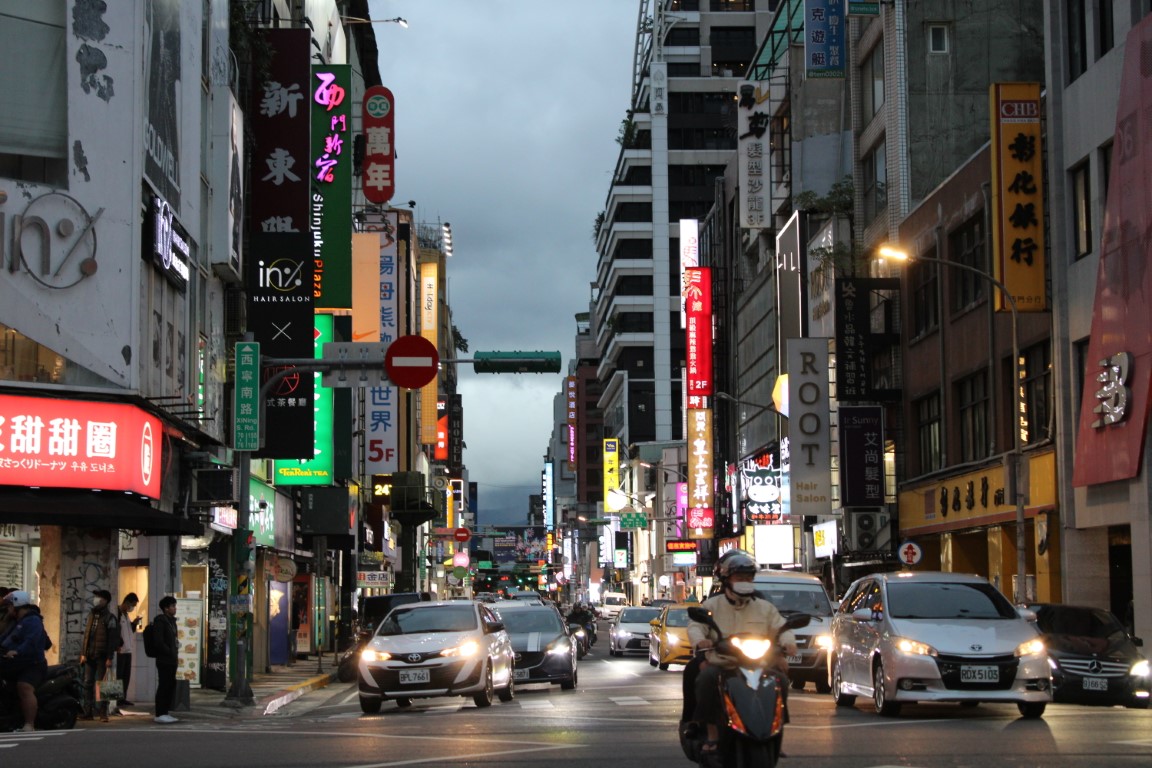
The night has a thousand eyes,
 And the day but one;
 Yet the light of the bright world dies
 With the dying sun.

The mind has a thousand eyes,
 And the heart but one:
 Yet the light of a whole life dies
 When love is done.

The night has a thousand eyes,
And the day but one;
Yet the light of the bright world dies
With the dying sun.
The mind has a thousand eyes,
And the heart but one:
Yet the light of a whole life dies
When love is done.
When I was one-and-twenty
 I heard a wise man say,
 "Give crowns and pounds and guineas
 but not your heart away;
 Give pearls away and rubies
 but keep your fancy free."
 But I was one-and-twenty,
 No use to talk to me.

When I was one-and-twenty
 I heard him say again,
 "The heart out of the bosom
 Was never given in vain;
 'Tis paid with sighs a plenty
 And sold for endless rue."
 And I am two-and-twenty,
 And oh, 'tis true, 'tis true.
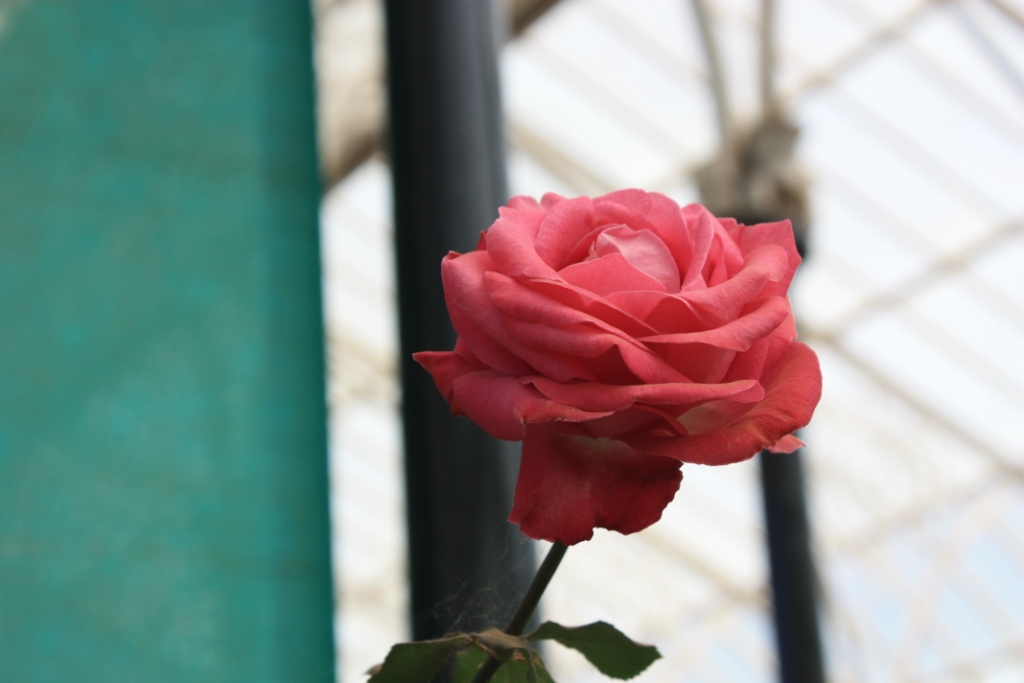
O my Luve is like a red, red rose
 That's newly sprung in June;
 O my Luve is like the melody
 That's sweetly played in tune.

So fair art thou, my bonnie lass,
 So deep in luve am I;
 And I will luve thee still, my dear,
 Till a' the seas gang dry.

Till a' the seas gang dry, my dear,
 And the rocks melt wi' the sun;
 I will luve thee still, my dear,
 While the sand o' life shall run.

And fare thee weel, my only Luve!
 And fare thee weel awhile!
 And I will come again, my Luve,
 Though it were ten thousand mile.
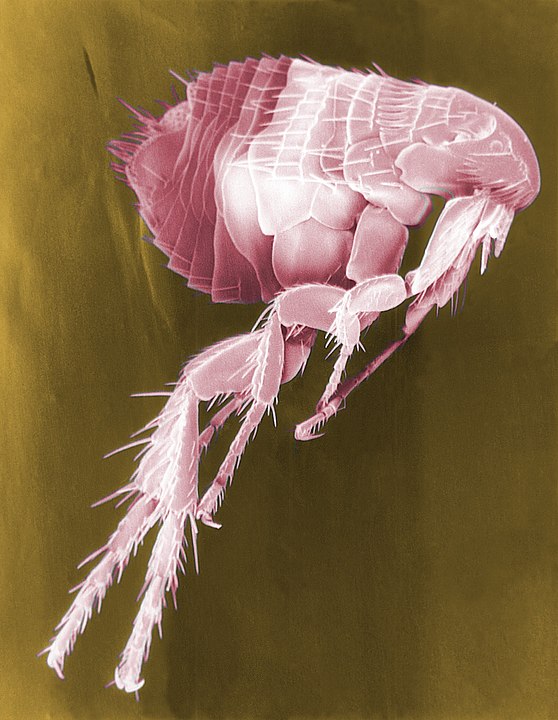
Mark but this flea, and mark in this,
 How little that which thou deniest me is;
 It sucked me first, and now sucks thee,
 And in this flea our two bloods mingled be;
 Thou know'st that this cannot be said
 A sin, nor shame, nor loss of maidenhead,
  Yet this enjoys before it woo,
  And pampered swells with one blood made of two,
  And this, alas, is more than we would do.

Oh stay, three lives in one flea spare,
 Where we almost, nay more than married are.
 This flea is you and I, and this
 Our marriage bed, and marriage temple is;
 Though parents grudge, and you, w'are met,
 And cloistered in these living walls of jet.
  Though use make you apt to kill me,
  Let not to that, self-murder added be,
  And sacrilege, three sins in killing three.

Cruel and sudden, hast thou since
 Purpled thy nail, in blood of innocence?
 Wherein could this flea guilty be,
 Except in that drop which it sucked from thee?
 Yet thou triumph'st and say that thou
 Find'st not thy self, nor me the weaker now;
  "Tis true; then learn how false, fears be:
  Just so much honor, when thou yield'st to me,
  Will waste, as this flea's death took life from thee.

How do I love thee? Let me count the ways.
 I love thee to the depth and breadth and height
 My soul can reach, when feeling out of sight
 For the ends of being and ideal grace.
 I love thee to the level of every day's
 Most quiet need, by sun and candle-light.
 I love thee freely, as men strive for right;
 I love thee purely, as they turn from praise.
 I love thee with the passion put to use
 In my old griefs, and with my childhood's faith.
 I love thee with a love I seemed to lose
 With my lost saints. I love thee with the breath,
 Smiles, tears, of all my life, and, if God choose,
 I shall but love thee better after death.

Gather ye rose-buds while ye may,
   Old Time is still a-flying;
 And this same flower that smiles today
   Tomorrow will be dying.

The glorious lamp of heaven, the sun,
   The higher he's a-getting,
 The sooner will his race be run,
   And nearer he's to setting.

That age is best which is the first,
   When youth and blood are warmer;
 But being spent, the worse, and worst
   Times still succeed the former.

Then be not coy, but use your time,
   And while ye may, go marry;
 For having lost but once your prime,
   You may forever tarry.

She walks in beauty, like the night
   Of cloudless climes and starry skies,
 And all that's best of dark and bright
   Meets in her aspect and her eyes,
 Thus mellow'd to that tender light
   Which heaven to gaudy day denies.

One shade the more, one ray the less
   Had half impair'd the nameless grace
 Which waves in every raven tress
   Or softly lightens o'er her face,
 Where thoughts serenely sweet express
   How pure, how dear their dwelling-place.

And on that cheek and o'er that brow
   So soft, so calm, yet eloquent,
 The smiles that win, the tints that glow
   But tell of days in goodness spent,--
 A mind at peace with all below,
   A heart whose love is innocent.

Shall I compare thee to a summer's day?
   Thou art more lovely and more temperate:
 Rough winds do shake the darling buds of May,
   And summer's lease hath all too short a date:
 Sometimes too hot the eye of heaven shines,
   And often is his gold complexion dimm'd:
 And every fair from fair sometime declines,
   By chance, or nature's changing course untrimm'd;
 But thy eternal summer shall not fade,
   Nor lose possession of that fair thou ow'st,
 Nor shall death brag thou wander'st in his shade,
   When in eternal lines to time thou grow'st;

   So long as men can breathe, or eyes can see,
   So long lives this, and this gives life to thee.
I cannot be one.
 I cannot be lost.
  I cannot buy my entry
      at a payable cost.

I cannot be three.
 I cannot be boss.
  I cannot isolate: diamonds
      from the dross.

I think I can be two,
 just the me & you.
  our two could be one,
      like two planks form a cross.




 Tiger Riding for Beginners