The Last Unvanished [Haiku]

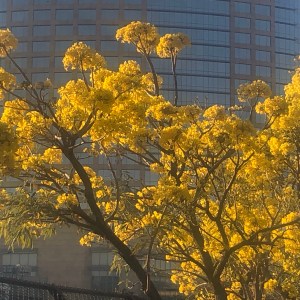
a cluster of trees
stands out against the gray:
the last unvanished

Golden Spotlight [Tanka]

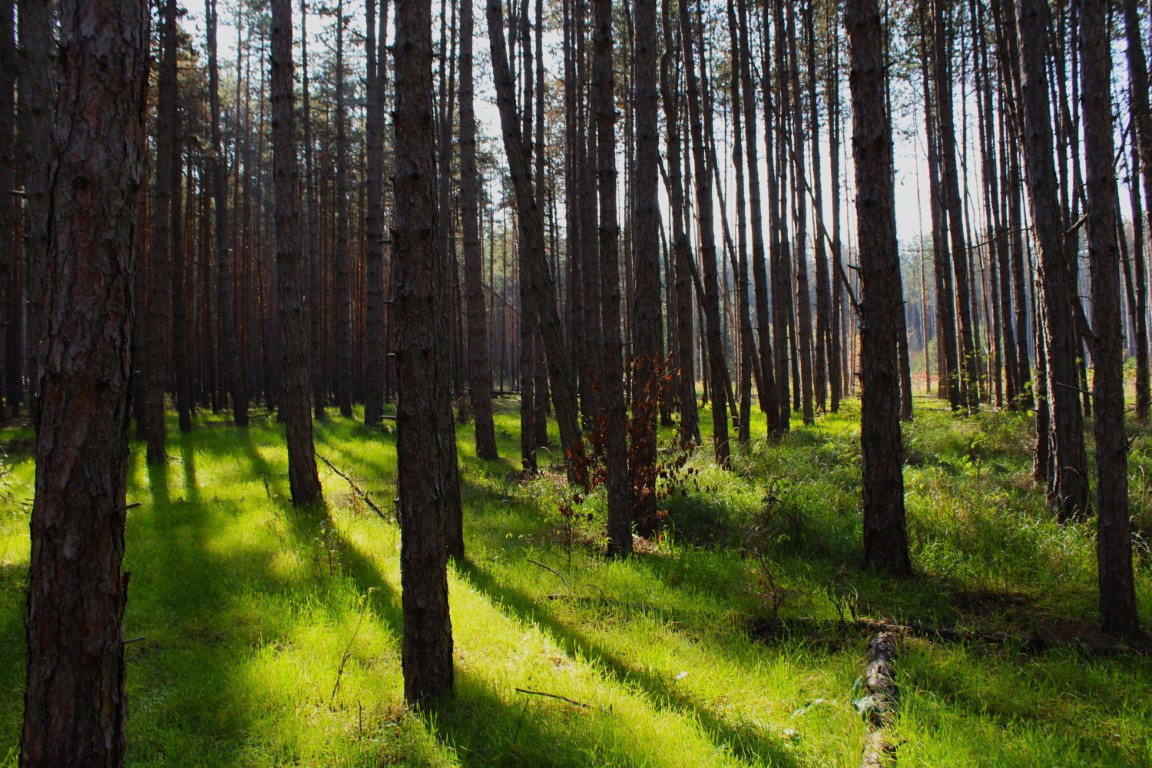
early morning 
rays hit the canopy
and fan out
into gold bands of light:
spotlights with no targets

Mistletoe Limerick

A young man of Vienna was caught off guard
smooched by a stranger beside the churchyard.
There's mistletoe
that naturally grows
in the trees above that Viennese churchyard.

Skeleton Trees [Haiku]

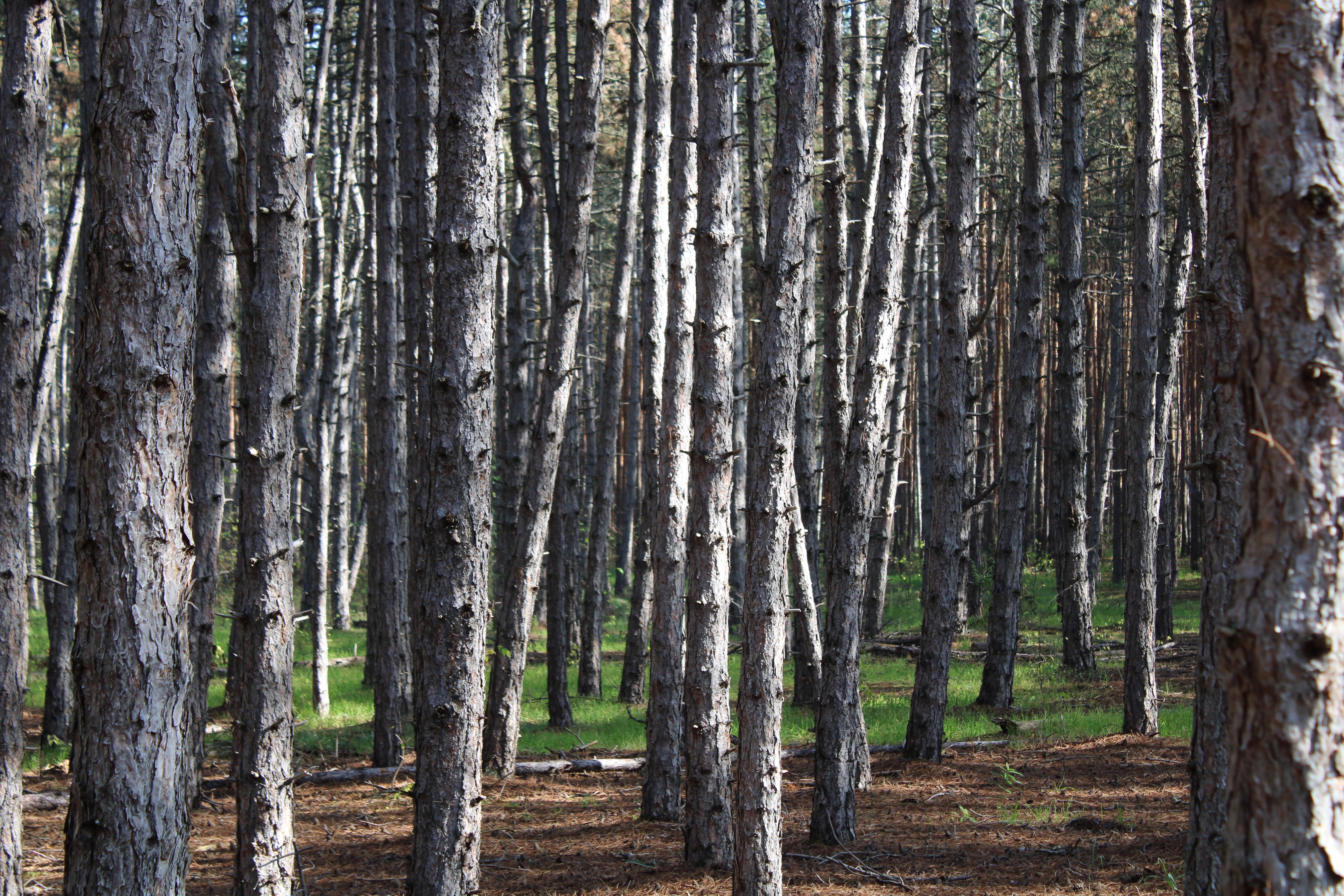
twisted skeletons 
of once thriving trees stand
in the temple yard

Frangipani Scribbles [Haiku]

bare frangipani
scribbles shadow art
on blank temple walls

Whee!… Briefly [Haiku]

a leaf falls,
and I feel the "Whee!" --
briefly

Shadow of Night [Haiku]

a park at night.
the shadows are darker
because of the light

Graveyard Autumn [Haiku]

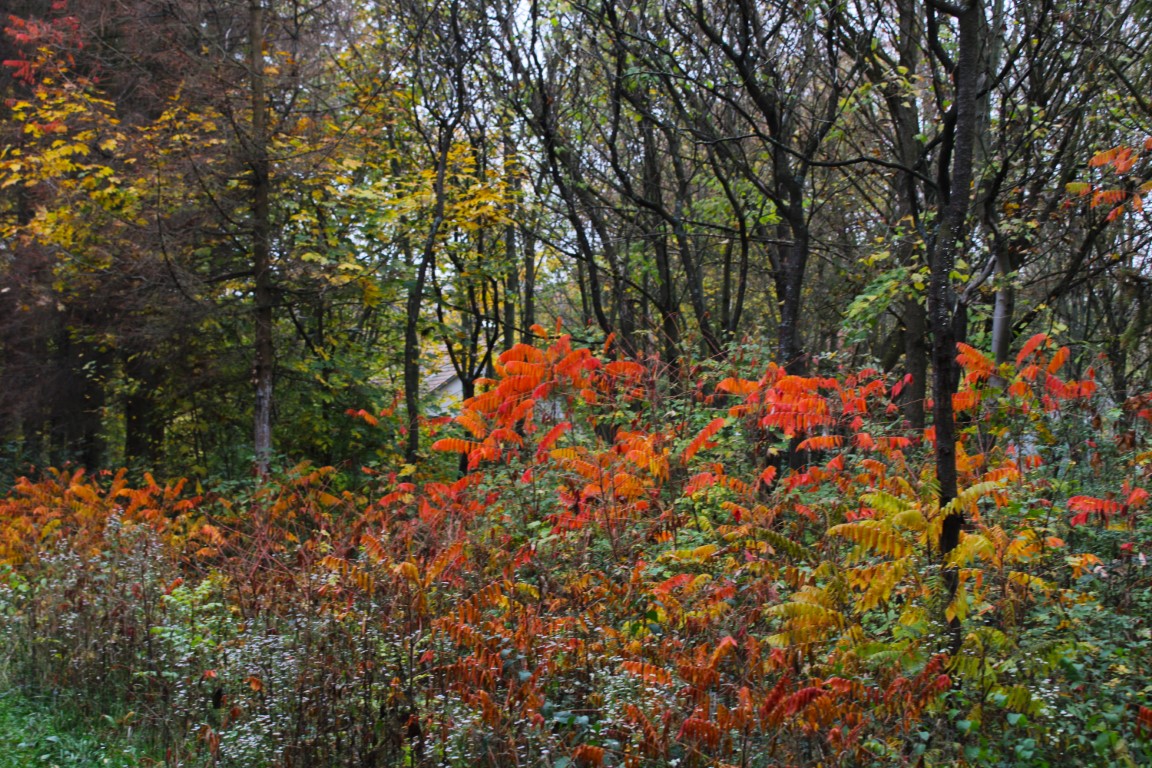
graves in autumn.
under red-leafed trees --
soon to be bare

BOOK REVIEW: How to Read the Wilderness by the Nature Study Guild

How to Read the Wilderness: An Illustrated Guide to the Natural Wonders of North AmericaHow to Read the Wilderness: An Illustrated Guide to the Natural Wonders of North America by Nature Study Guild
My rating: 4 of 5 stars

Amazon.in Page

Release Date: November 22, 2022

This illustrated guide is designed to help readers learn some of the most prolific trees, plants, animals, birds, coastal life forms, and night sky constellations of North America. For plant [and in some cases animal] identification, the book uses a handy flowchart method that asks questions, sending the reader to an appropriate marker depending upon the answer. For wildlife identification, it uses descriptions of not only the animal, but skeletal remains, scat, and tracks. It also gives alternate names and asterisms for constellations.

The pros of this book include: 1.) it focuses on the most common elements and doesn’t get bogged down trying to be all-inclusive; 2.) it uses a flow charts, diagrams, and drawings successfully to do much of the heavy lifting.

The downsides of the book are: 1.) it seems be much more Western US-centric, and often treats everything East of the Rockies as a single zone (not to mention minimal discussion of Canada or Mexico – so maybe it should be thought of more as a US guide;) 2.) in trying to be text-minimal, it occasionally states things in a way that lacks clarity.

If you want to get a basic understanding of the elements of nature for the United States, this book is worth investigating. It’s young reader friendly, but not exclusively so.


View all my reviews

Flame Dance [Haiku]

saffron-tinged leaves
languidly wobble to mimic
the dance of flame