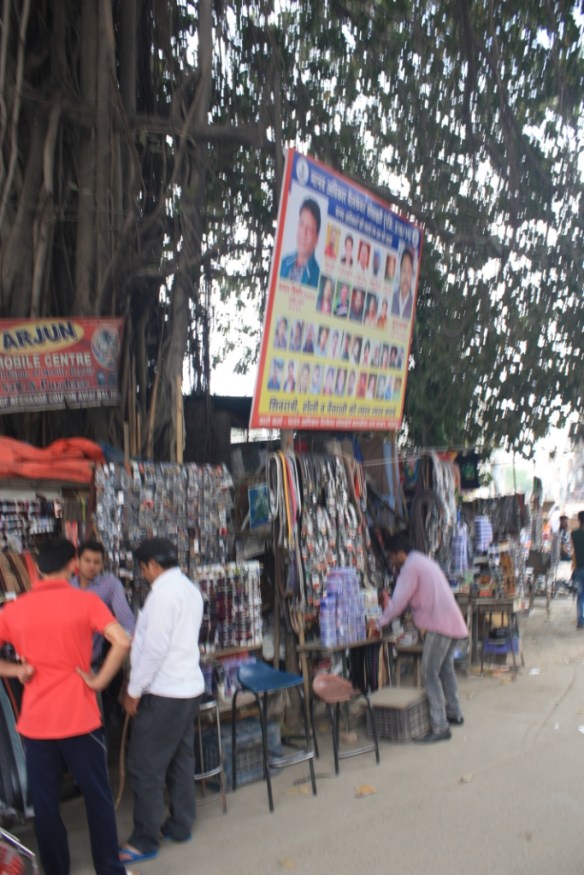
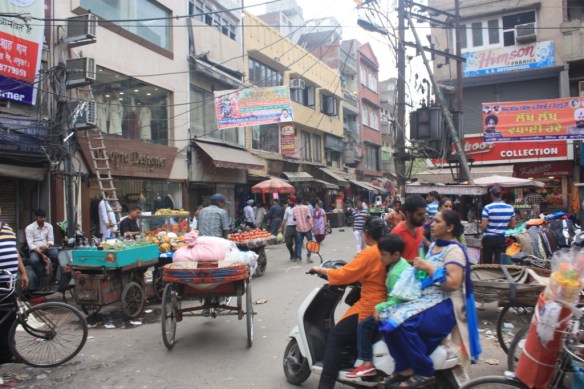
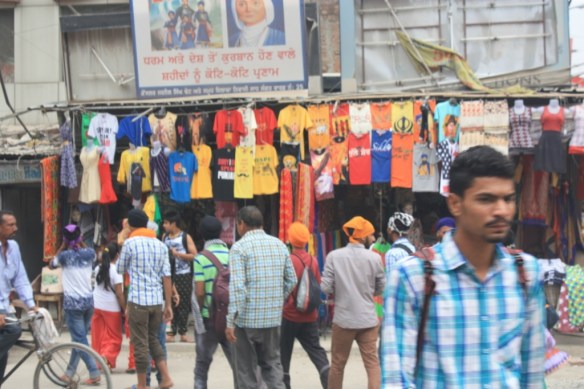
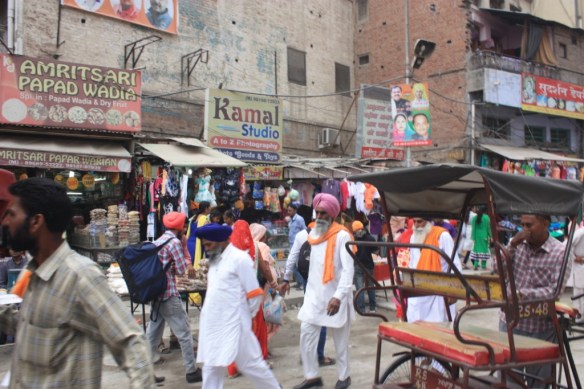
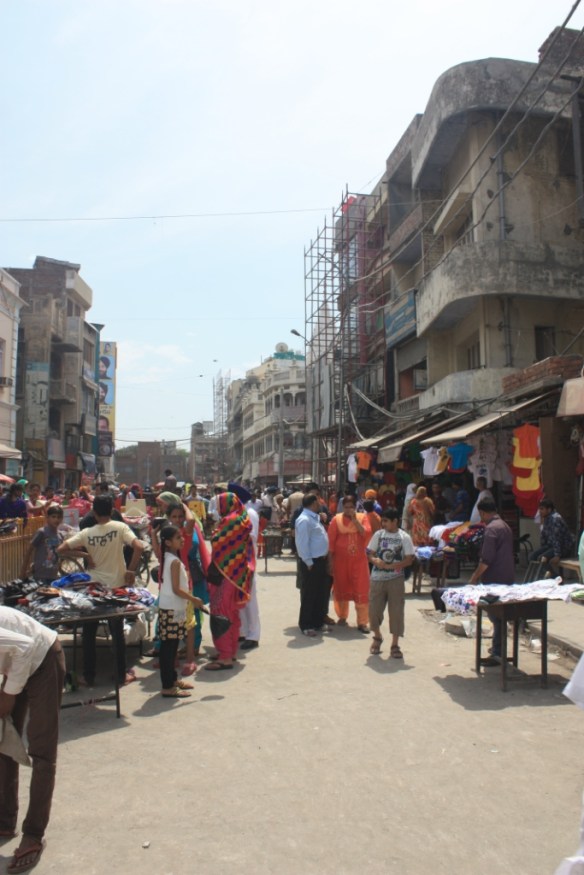
Taken on April 10, 2016 in Amritsar
 City: A Guidebook for the Urban Age by P.D. Smith
My rating: 5 of 5 stars
Desmond Morris wrote about the rise of super-tribes—groupings of people in which it was no longer possible for every member to know every other. Morris controversially proposed that super-tribes facilitated the growth of many behaviors that are considered weird, perverse, or aberrant. The fact that the seedy underbelly of society resides right under the greatest concentration of noses is one of the reasons we find cities fascinating. But it’s not the only reason. (Smith touches on but doesn’t dwell on the seamy side of the city, including sidebars on gangs and red-light districts.) The tremendous challenges of governance, distribution, transportation, and security that arise when people are packed together are huge.
Smith gives a fascinating overview of the past, present, and possible future of the city. We learn about a time when the most advanced cities in the world weren’t New York, London, or Tokyo, but instead were Sumer, Tenochtitlan, or Angkor. (A nice feature of this book is how much ground it covers geographically. Smith brings in examples from ancient Alexandria to modern-day Mumbai in addition to those from cities–such as New York, Tokyo, and Paris–that might first pop to mind when one thinks of a city.) The reader is shown a city as an organism that has to get food and workers to its heart while expelling a massive accumulation of wastes. Cities require homeostasis as much as does the human body.
The book has eight chapters that discuss topics such as the rise of the city and how it was tied to human endeavors more generally (e.g. on the agricultural front), the development of neighborhoods, the challenge of transportation in an ever-growing community, how cities manage to be exemplary of both wealth and poverty at the same time, how the masses are entertained given the free time that arose from specialization and regulation of the labor market, and what the future of cities might bring. It’s topically, rather than chronologically arranged (though the discussion of the rise of the city is early in the book), and the organization works though it’s not necessarily what would spring to mind if one were outlining such a book.
I found this book fascinating. It’s full of interesting information and uses graphics and sidebars to good effect. If it can be called a micro-history (the subject of the urban world being so encompassing), it’s among the most interesting micro-histories that I’ve read. Whether it’s churches, Chinatowns, or coffee houses, this book lends insight into the nooks and crannies of the modern metropolis. The sections on subway systems and skyscrapers are among the most fascinating sub-chapters. (It just occurred to me that the last sentence could be taken in some sort of freaky, sexual way. That wasn’t my intention. I just find the engineering challenges of such infrastructure to be intriguing.) From gladiatorial combat to the birth of libraries, there’s something in this book to pique a reader’s interest.
I’d highly recommend this book for readers of non-fiction, and in particularly those who enjoy micro-histories.
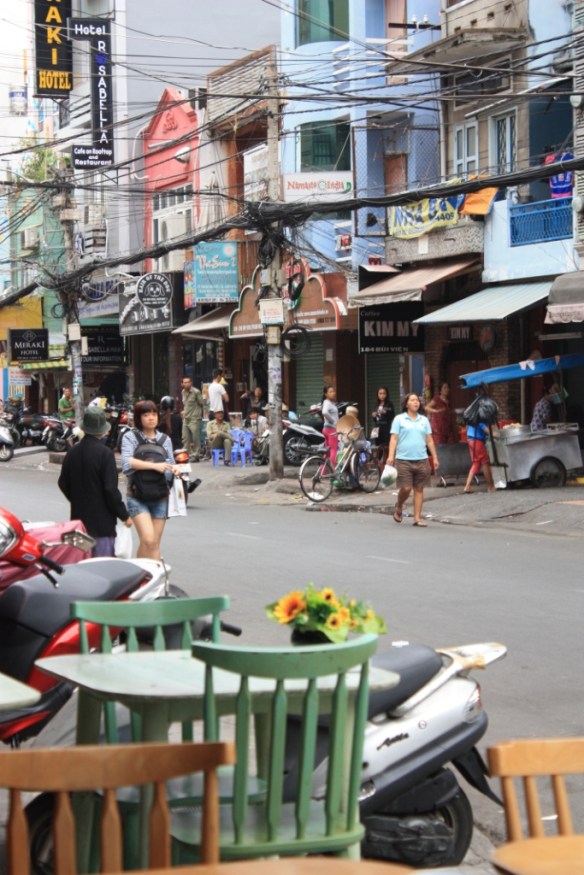
Taken in December of 2015 in Ho Chi Minh City (a.k.a. Saigon.)
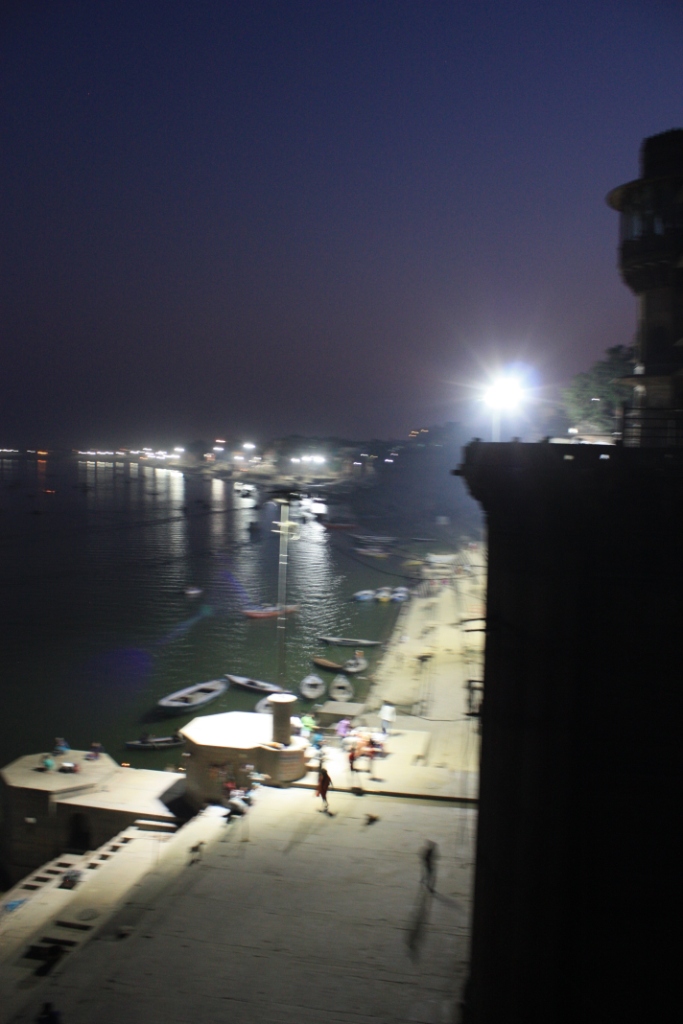
Taken on October 24, 2015 at Varanasi
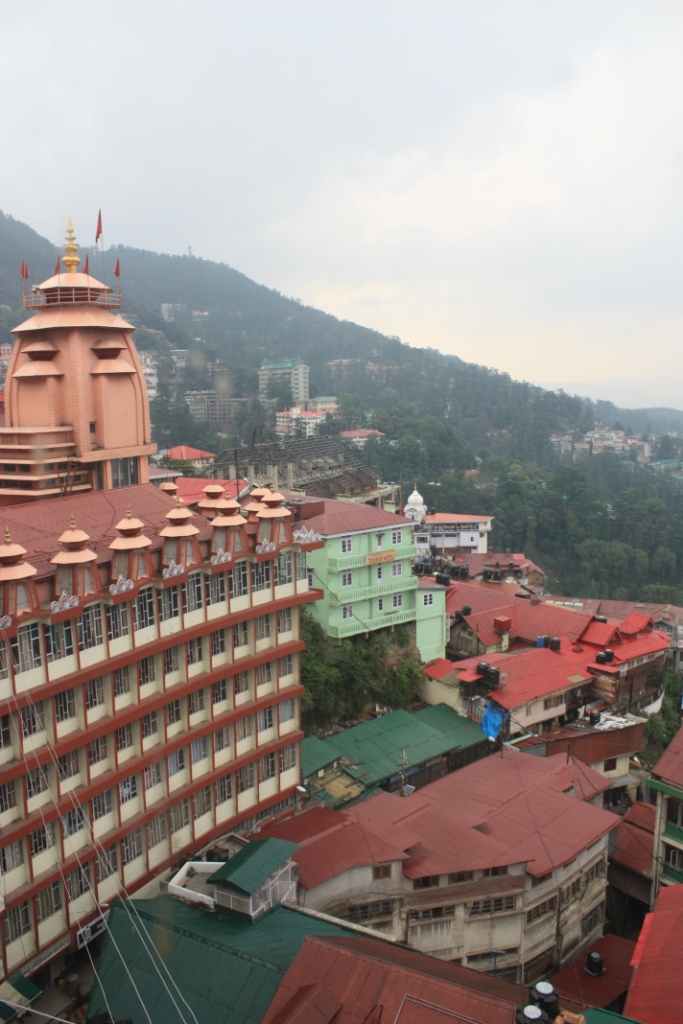
Taken on June 24, 2015 in Shimla
Ram Mandir is the Hindu temple to the left of the frame.
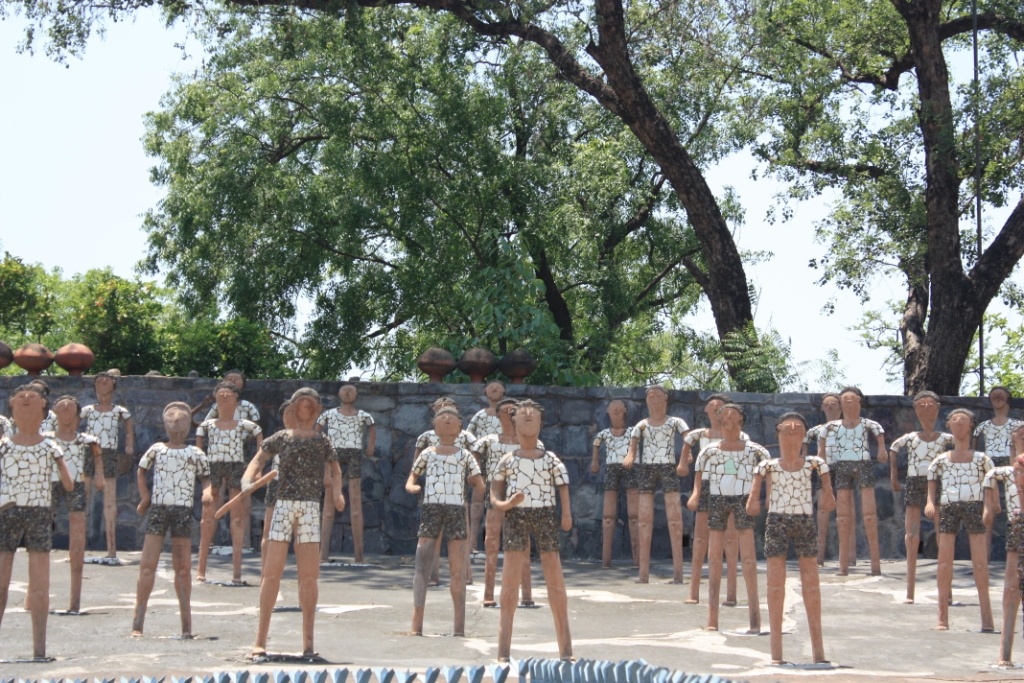
Taken on June 26, 2015 at Nek Chand Rock Garden in Chandigarh
What’s interesting about this batch of statues at Nek Chand is that nobody wears shorts in India (let alone short shorts.) If you see someone in shorts, you can be certain they’re either a tourist or part of a very specific demographic (i.e. 20 to 25 year olds of middle / upper-middle class backgrounds whose all-time favorite television show is either “Big Bang Theory” or “How I Met Your Mother.”)
Incidentally, the Nek Chand Rock Garden is the highlight of a trip to Chandigarh, and shouldn’t be missed. It’s a labyrinthine park made out of recycled materials. A lot of these materials–particularly for the early phases of the project–came from the villages that had been torn down to make room for the new city. On the order of fifty villages were razed so that India’s premier planned city could come to fruition.
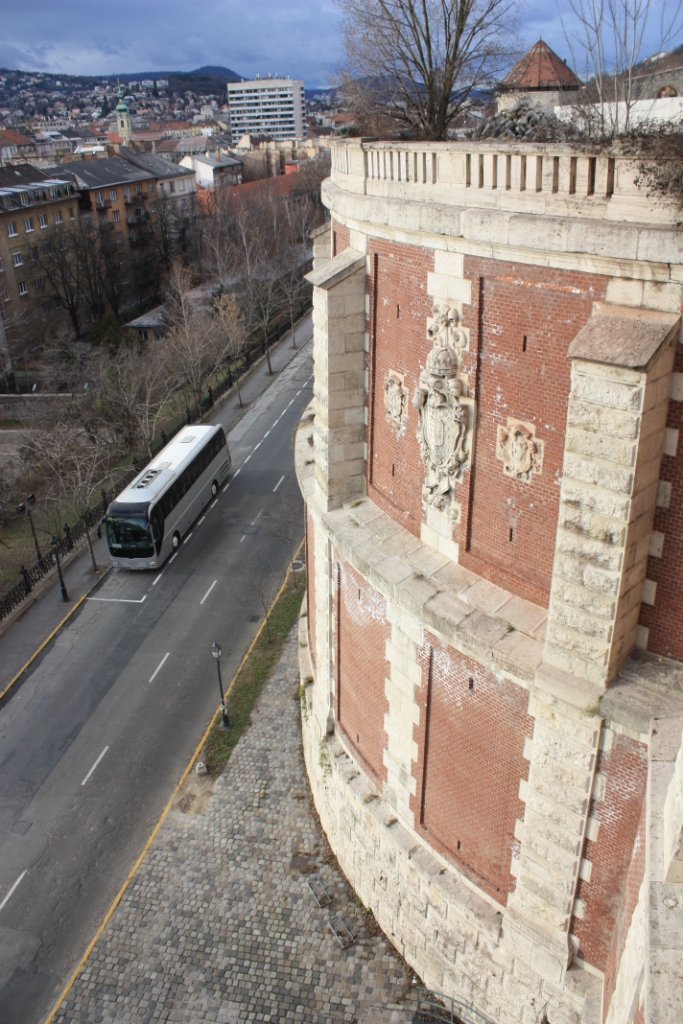
Taken in Budapest in December of 2014
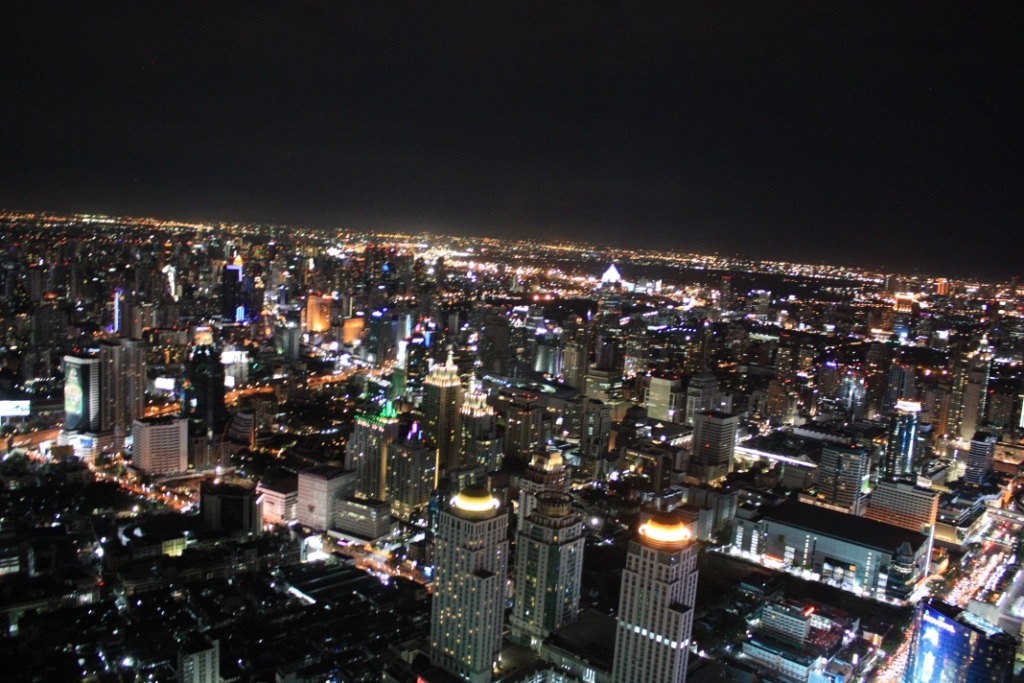
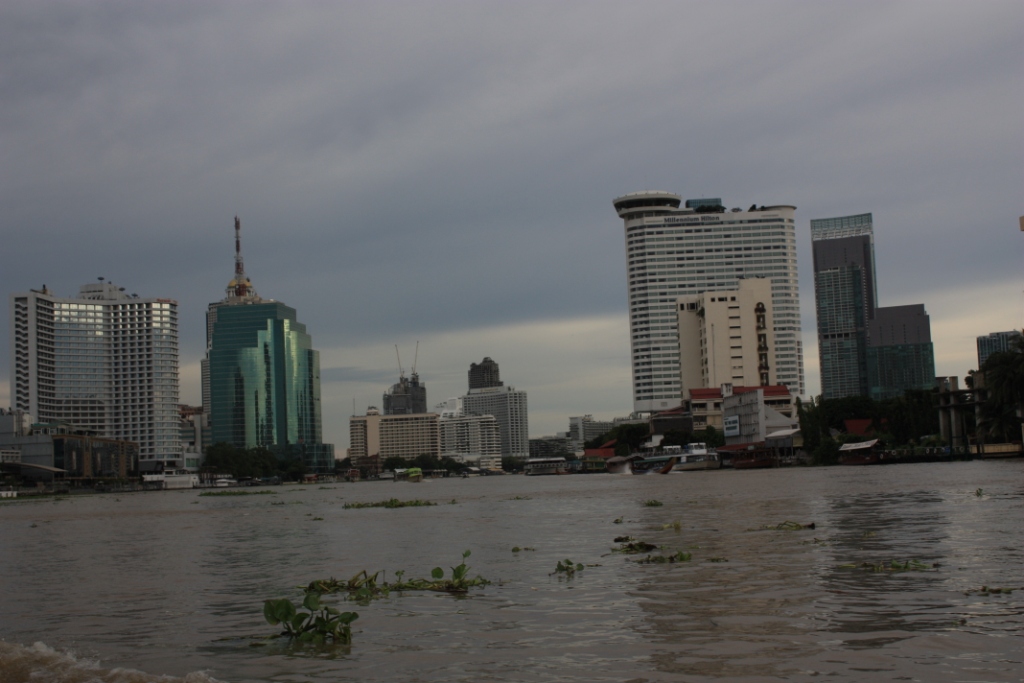
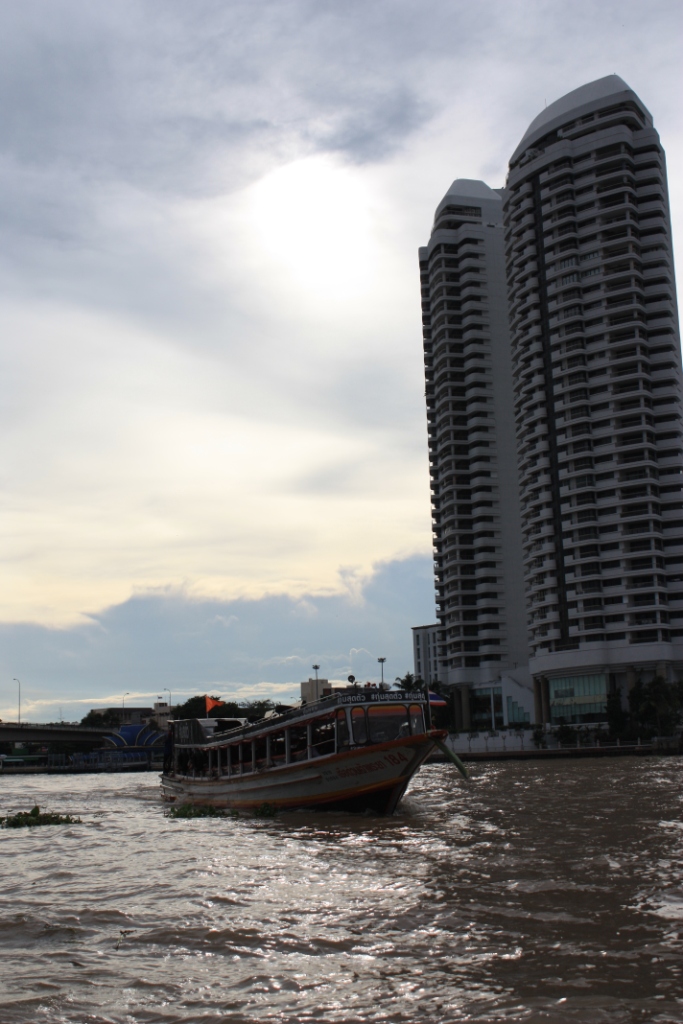
Taken in September of 2014 in Bangkok