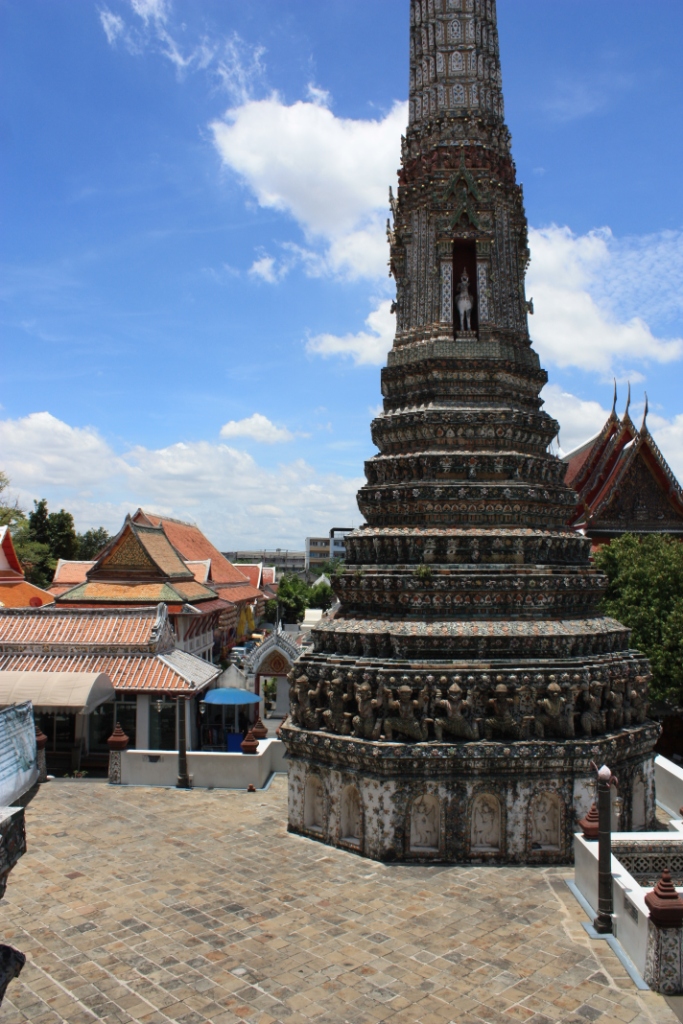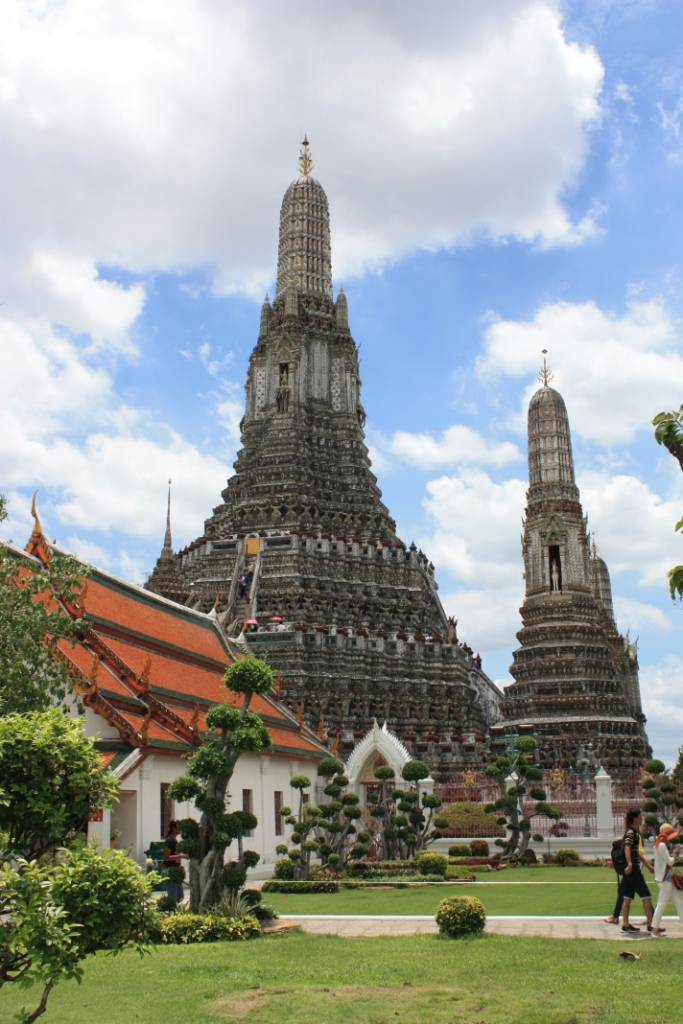
DAILY PHOTO: Wat Pho Chedis

Taken in September of 2014 in Bangkok

Taken in September of 2014 in Bangkok
DAILY PHOTO: Looking Over Buddha’s Shoulder

Taken in September of 2014 in Ayutthaya at Wat Yai Chaya Mongol

Taken in September of 2014 in Ayutthaya at Wat Yai Chaya Mongkol

DAILY PHOTO: Wat Arun

Taken in September of 2014 at Wat Arun in Bangkok.

Taken in September of 2014 at Wat Arun in Bangkok.

DAILY PHOTO: None Shall Pass

Taken in September of 2014 at Wat Arun in Bangkok.

Taken in September of 2014 at Wat Arun in Bangkok.

DAILY PHOTO: Blue Lotus

Taken in September of 2014 at Wat Pho in Bangkok.

Taken in September of 2014 at Wat Pho in Bangkok.

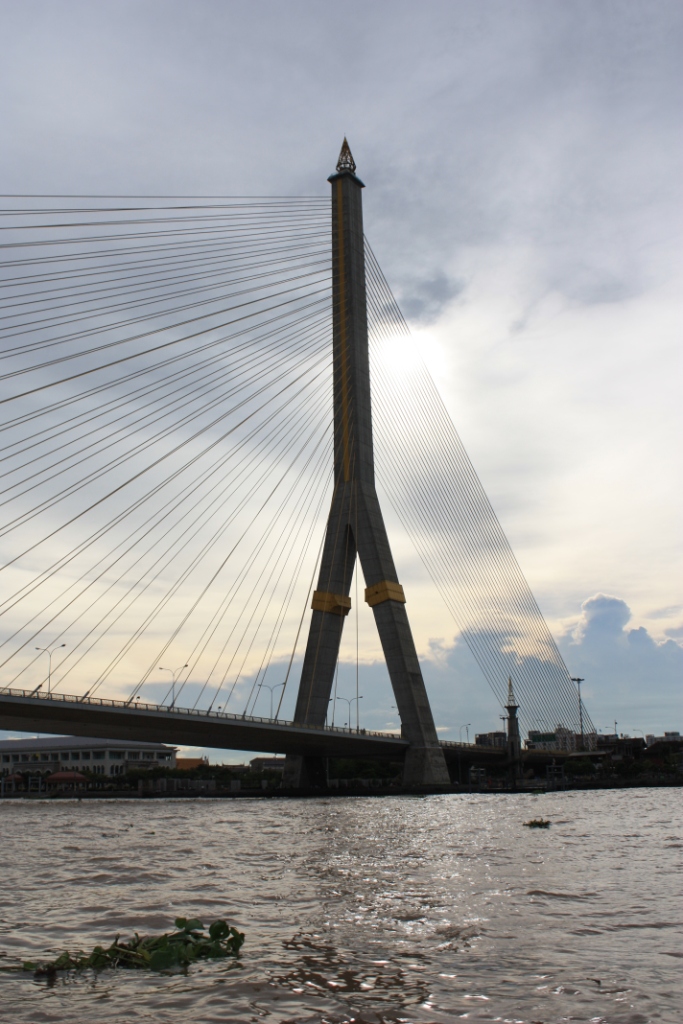
DAILY PHOTO: Rama VIII Bridge

Taken in September of 2014 in Bangkok
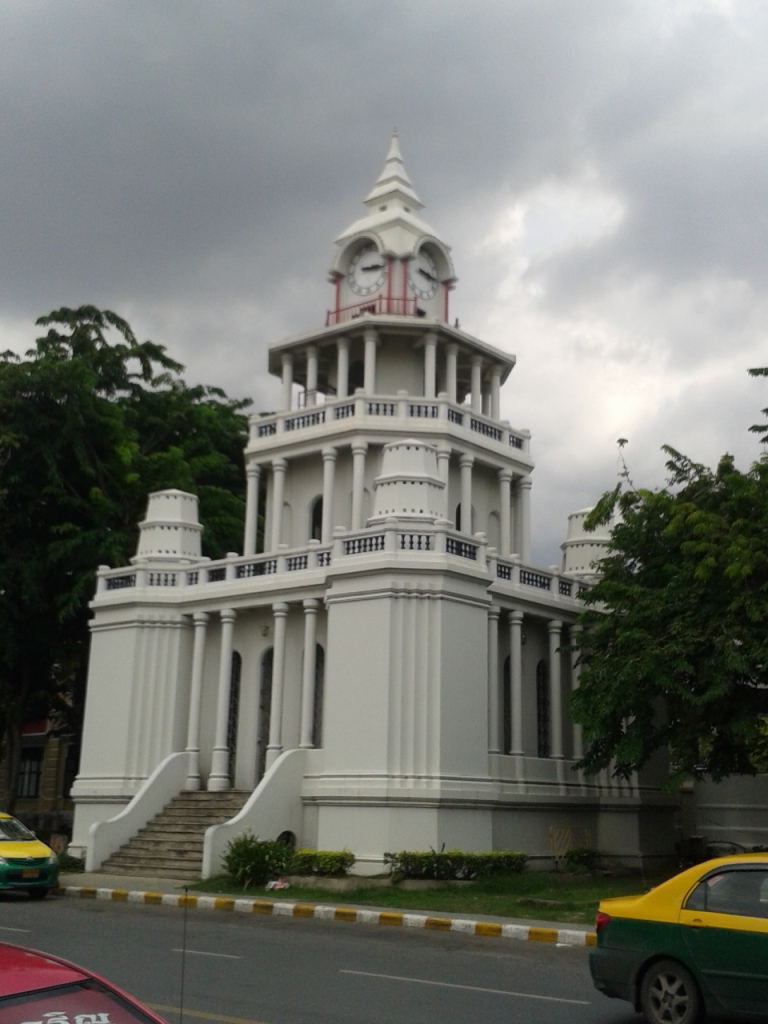
Taken in September of 2014 in Bangkok
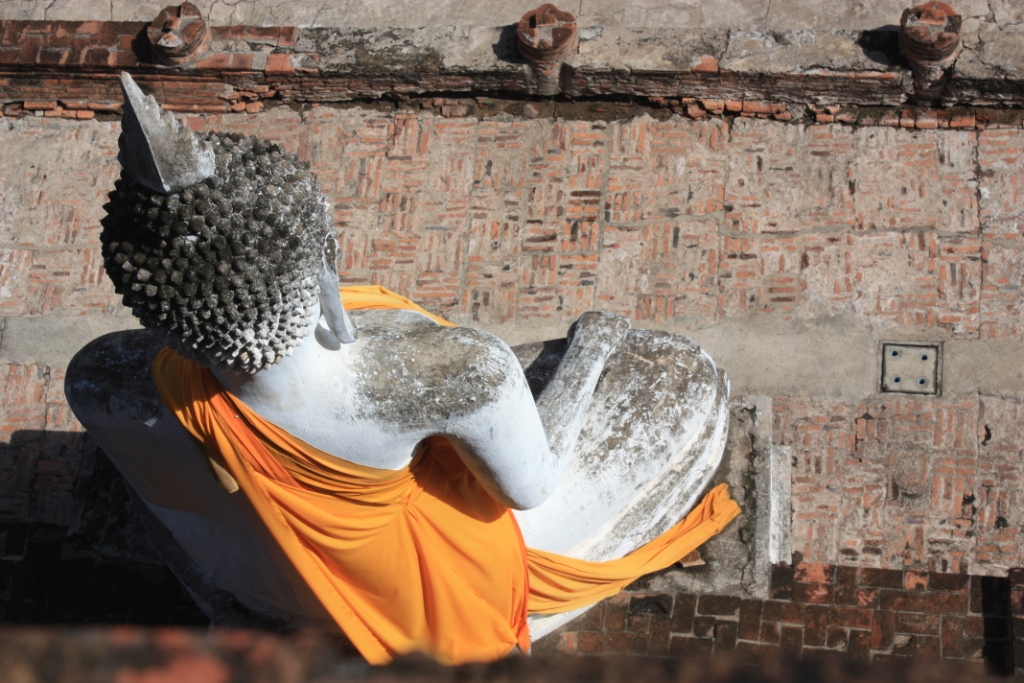
This is a bridge over the Chao Phraya River in Bangkok.
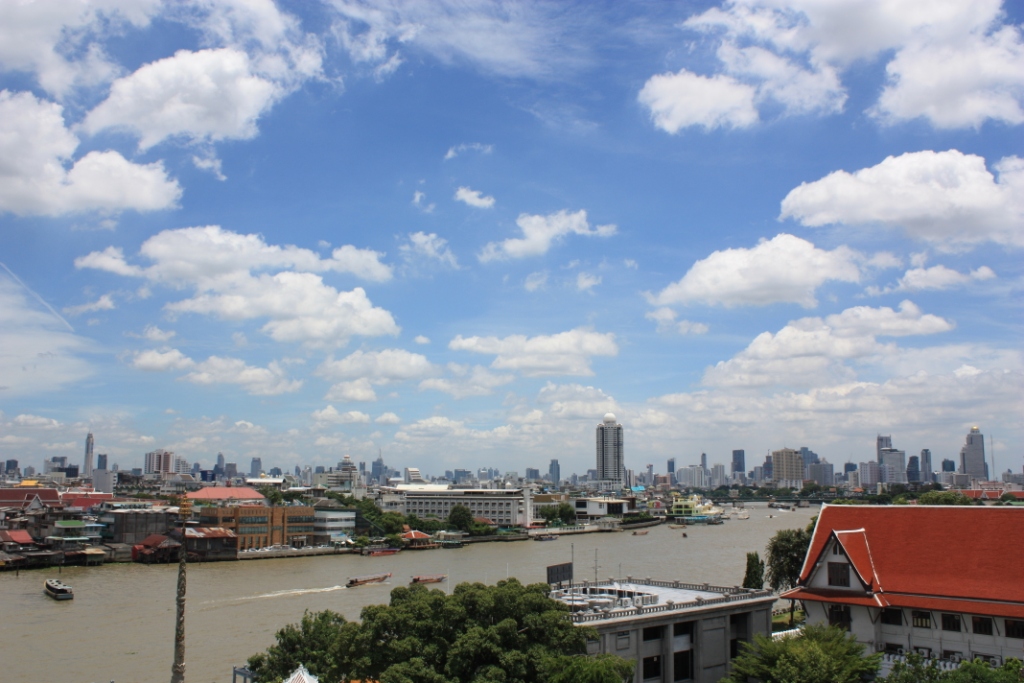
DAILY PHOTO: Chao Phraya from Wat Arun

Taken in September of 2014

Taken in September of 2014

DAILY PHOTO: Saranrom Park Monitor

Taken in September of 2014 in Bangkok

Taken in September of 2014 in Bangkok

IMG_2125

Among the unexpected sights of Bangkok is this Monitor Lizard of about 4 foot long from the tips of its forked-tongue to the tip of its tail.  It was right in the center of Saranrom Park which is across the street from the Grand Palace and Wat Pho in Bangkok’s old town.

TRAVEL TIP: Know Your Country’s Go-to Collision Avoidance Device

Bangalore

Bangalore traffic

It took me several months to master the art of crossing streets in India. Pedestrian crossing signals are as rare as gold crappers, and as useful as wings on a goat. There are many streets that one can’t cross in one fell swoop between the hours of 8am and 11pm. So, if you don’t want to spend the day trapped on your block like a jittery puppy, you need to plunge into traffic and take it one lane at a time.

Fearlessness. That’s the key–pure and simple. One will have crosstown buses whizzing past on either side. In the military, during Basic Training, we got inoculations via cattle vaccination-guns. It was an assembly line of shots. Take one step forward get a shot, one more step and get another shot. The clinic staff had a lot of recruits to inoculate that were standing between them and their morning coffee. The warning was, “Take one step and stand perfectly still.” Because as soon as you stopped, they would  “shu-shunk” that shot into your deltoid. If you wavered, the gun wouldn’t make a nice solitary puncture, but rather would gouge out a slit. Or so we were told. At any rate, the advice to a Bangalore pedestrian is the same, “Step onto the dashed line and remain perfectly still, because if you cringe, you’ll get a truck mirror up side the cranium and you’ll die.”

I traveled to Thailand this past month. I’ve been to Thailand on a couple previous occasions, but not with the implicit rules of Indian traffic ingrained in me. My first official act in Bangkok was to almost cause a multi-car pile up accident. Why? Because Thai people do this strange thing when a  pedestrian wanders into the street or an intersection in front of them, they apply the brakes. Now every Indian knows that the proper device to employ when someone crosses into traffic in front of one is the horn. As a matter of fact, the horn is the go-to Indian driving tool for almost every eventuality. It wouldn’t occur to most Indians to apply the brakes and certainly not to make a lane change for an encroaching pedestrian or other driver. If the pedestrian doesn’t get out of one’s way, you simply lean into the horn, putting all your body weight into it.

Now, it may sound like I’m giving Indian drivers a hard time. However, it occurred to me that either system works as long as everybody is on the same page. Those who’ve experienced roundabouts will tell you that they are at least as safe–and probably more so–than crossroad intersections. Even though roundabouts seem terrifying for novice drivers, they have a prevailing logic that is sound. By the same token,  it may be that the Indian approach is at least as safe. (It certainly makes a pedestrian more cautious.) The Thai approach, which is widespread though most of the world, is at once more polite but less trusting than the Indian approach.


BONUS TRAVEL TRAFFIC ADVICE: Anywhere in the developing world, always look both ways when crossing one-way streets. The prevailing view is that lane directives are optional for scooters and small motorcycles.


DAILY PHOTO: Wat Pho Guardian

Taken in September 2014 in Bangkok

Taken in September 2014 in Bangkok