Taken October 22, 2015 at Khajuraho
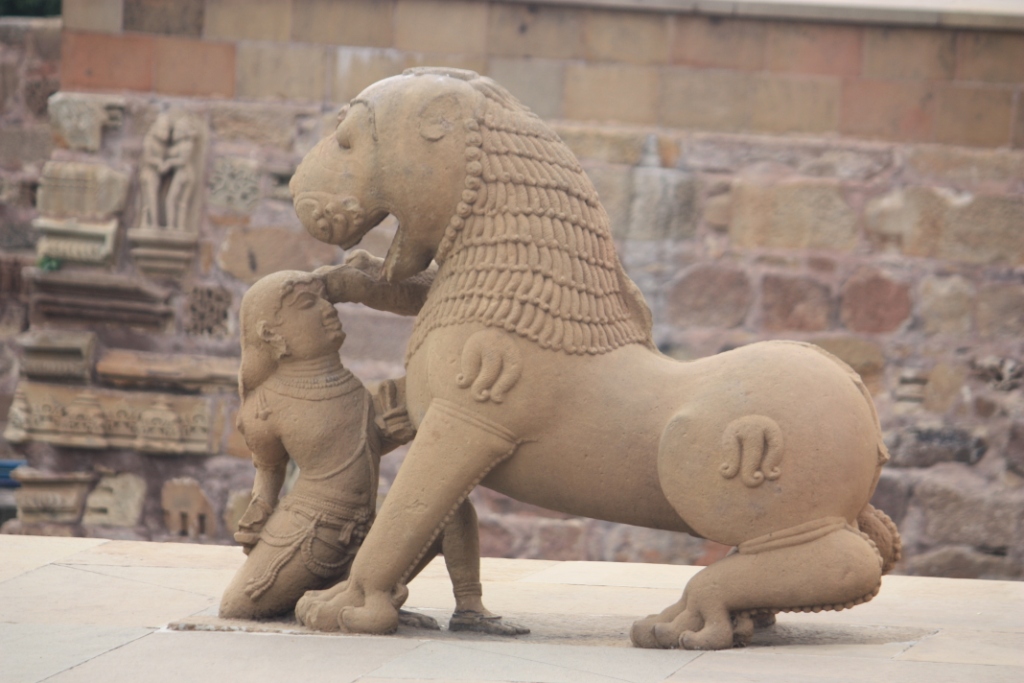
This mythical beast adorns the plinth at Jagadambi Temple in the Western Group of Temples at Khajuraho. I hope its breath was not foul.

Taken October 22, 2015 at Khajuraho
This mythical beast adorns the plinth at Jagadambi Temple in the Western Group of Temples at Khajuraho. I hope its breath was not foul.
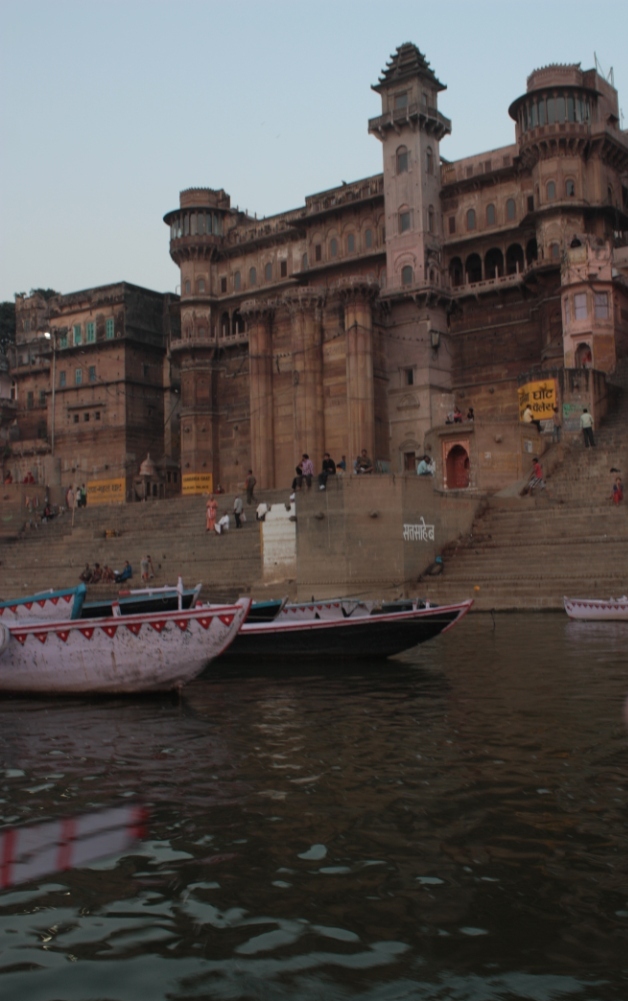
Taken on October 24, 2015 at Varanasi
Back in the day, it was common for Hindu royalty from all over India to maintain a palace in Varanasi so that they could make their Ganges pilgrimage in style. Some of these palaces have deteriorated in abandonment, others have been sold or donated, and a few are still owned by a trusts connected with the original owners.
One of the most grandiose is the one that once belonged to the Raj Darbhanga–a royal family from the Bihar area. The Darbhanga Palace was purchased by Clarks Hotel Group with the intention of putting in a luxury hotel.
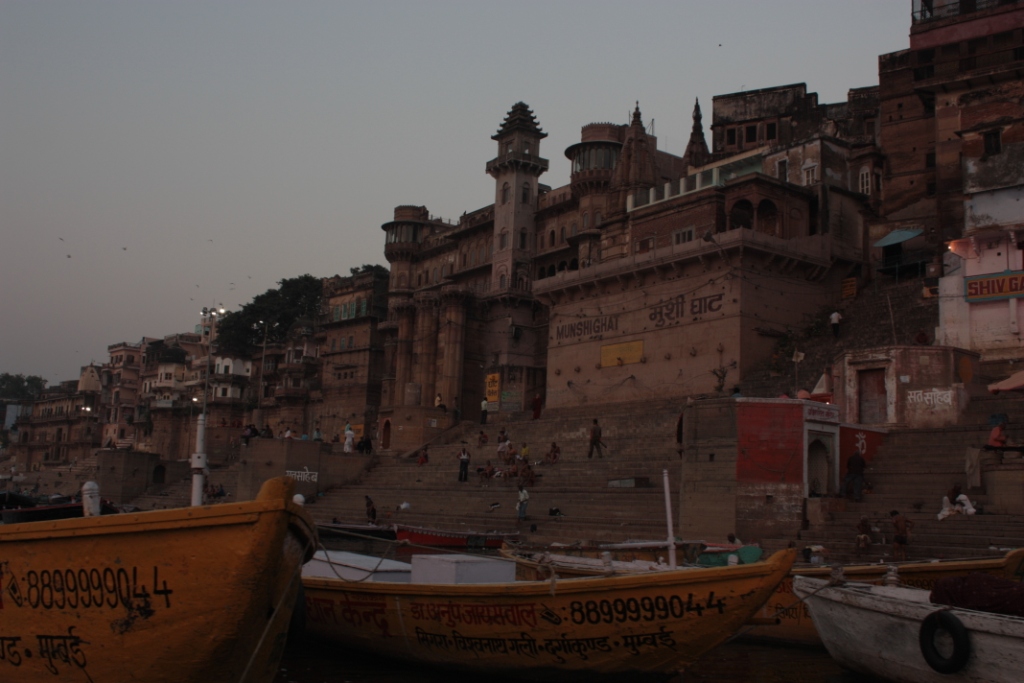
Taken October 24, 2015 in Varanasi
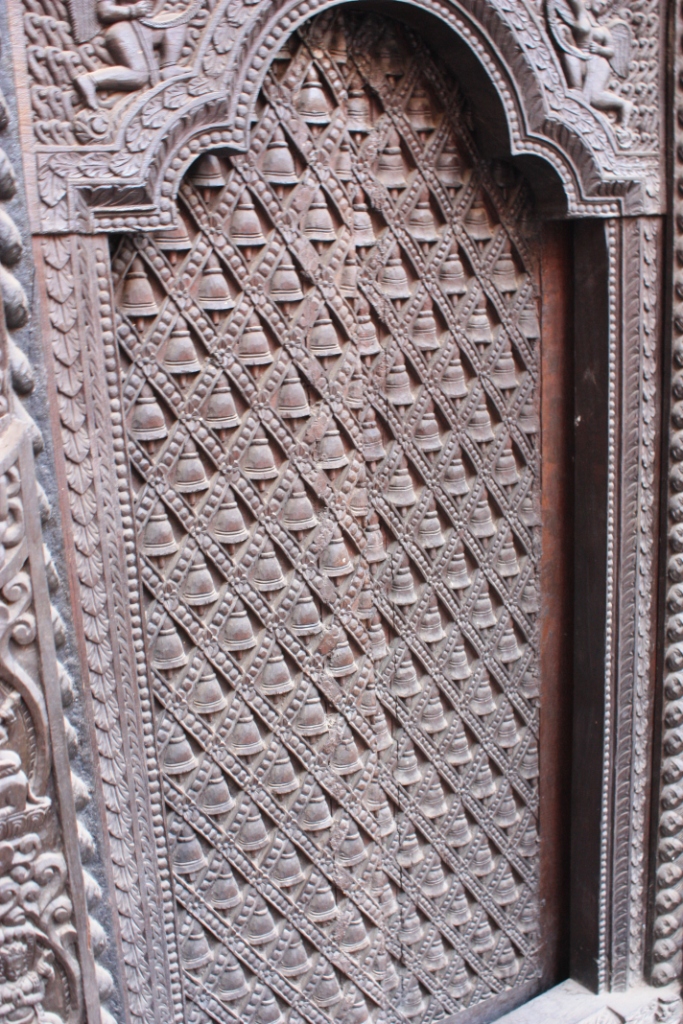
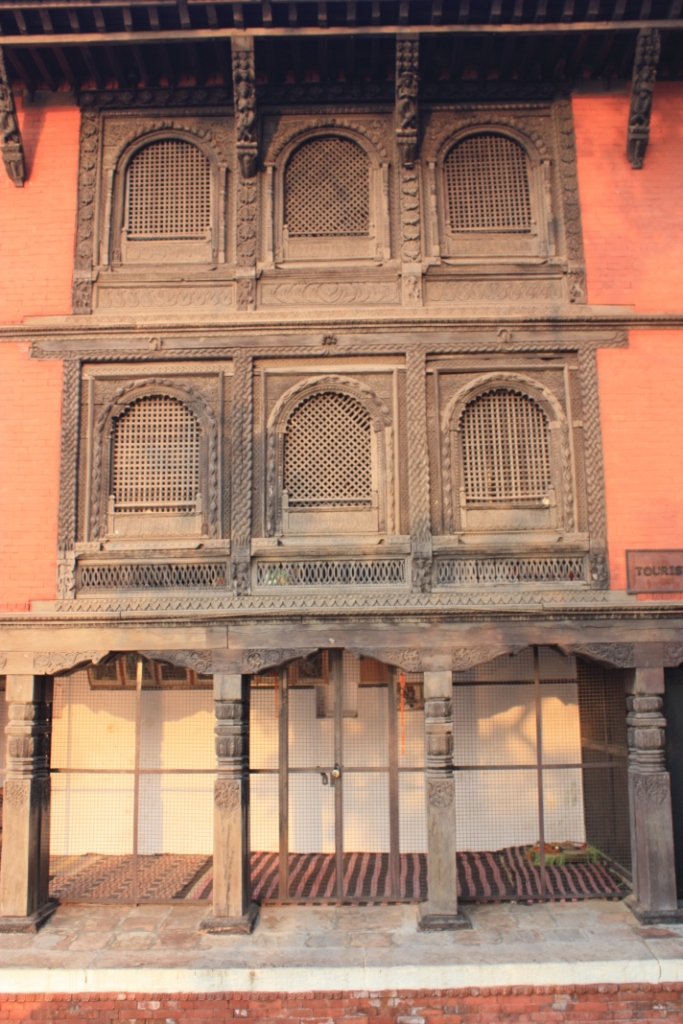
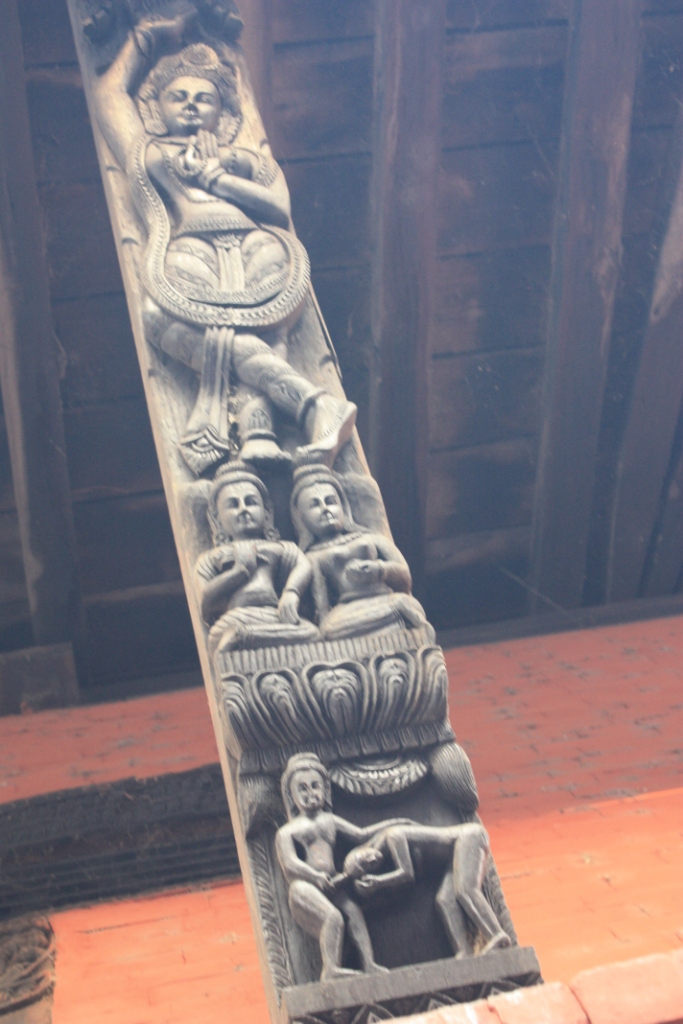
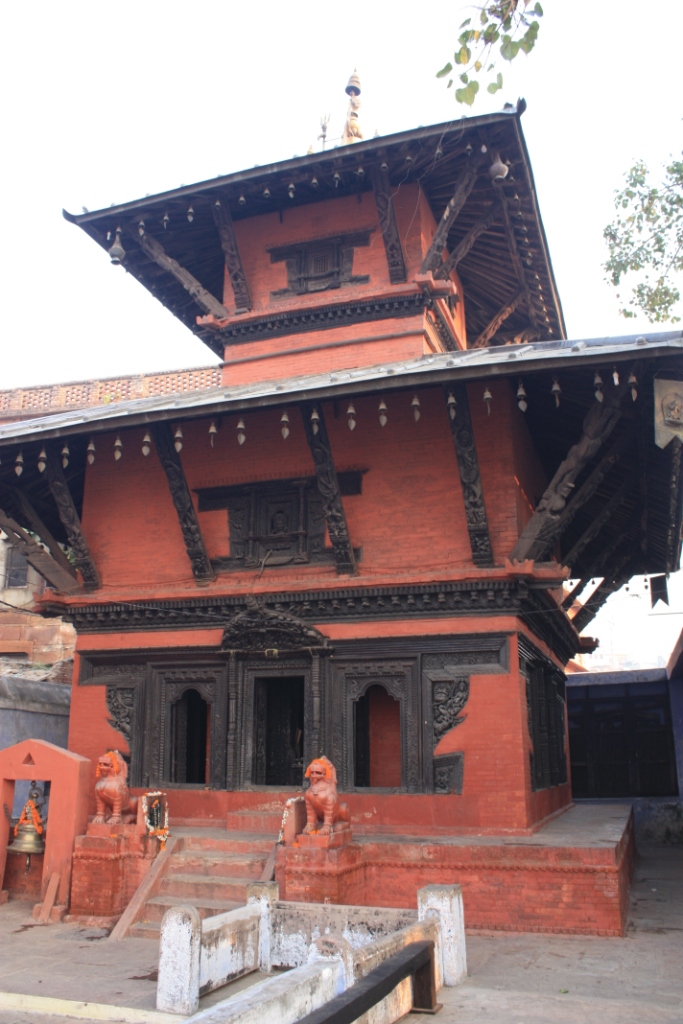
The Nepali Temple (Nepali Mandir) is located near the Lalita Ghat, between the main ghat (Dashaswamedh Ghat) and the big burning ghat (Manikarnika Ghat.) It’s construction is red brick with black wood, and the wood carvings are ornate. This 19th century temple is dedicated to Shiva, and–like the sandstone temples at Khajuraho–feature eroticism as one of its subjects.
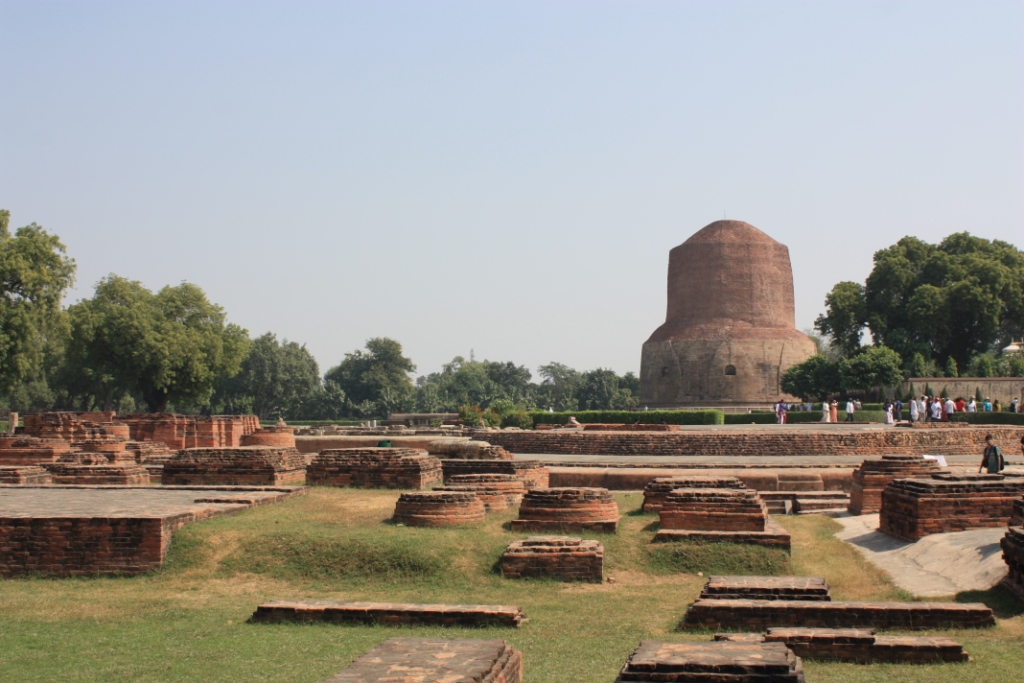
Taken October 25, 2015 at Sarnath
Sarnath is the location of the Buddha’s first sermon, and is one of the four major pilgrimage sites for Buddhist.

Taken on October 22, 2015 at Khajuraho
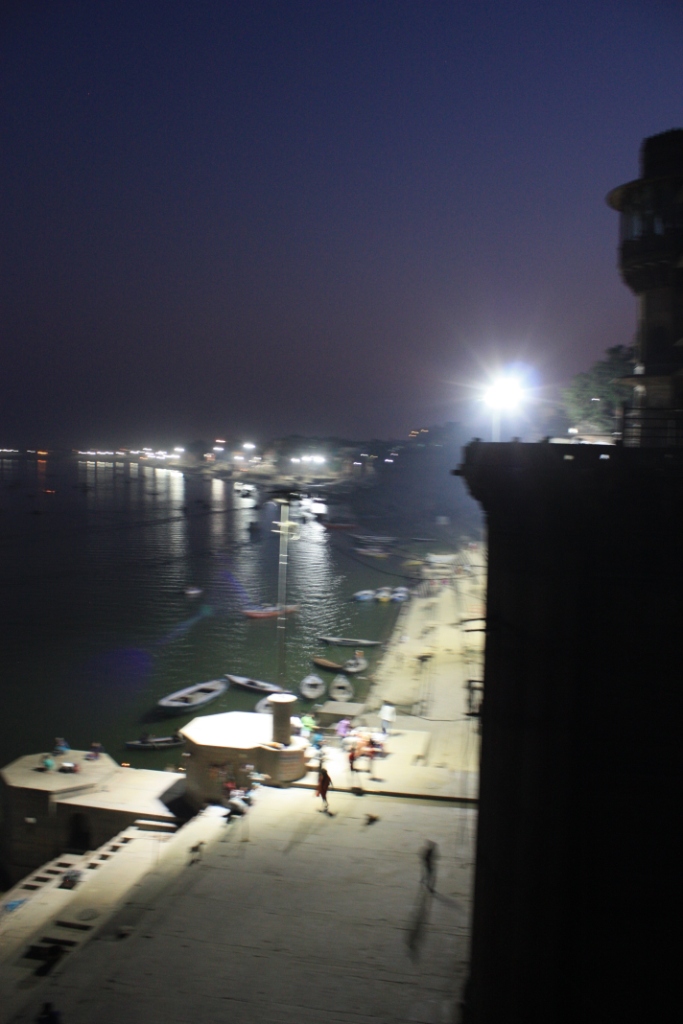
Taken on October 24, 2015 at Varanasi
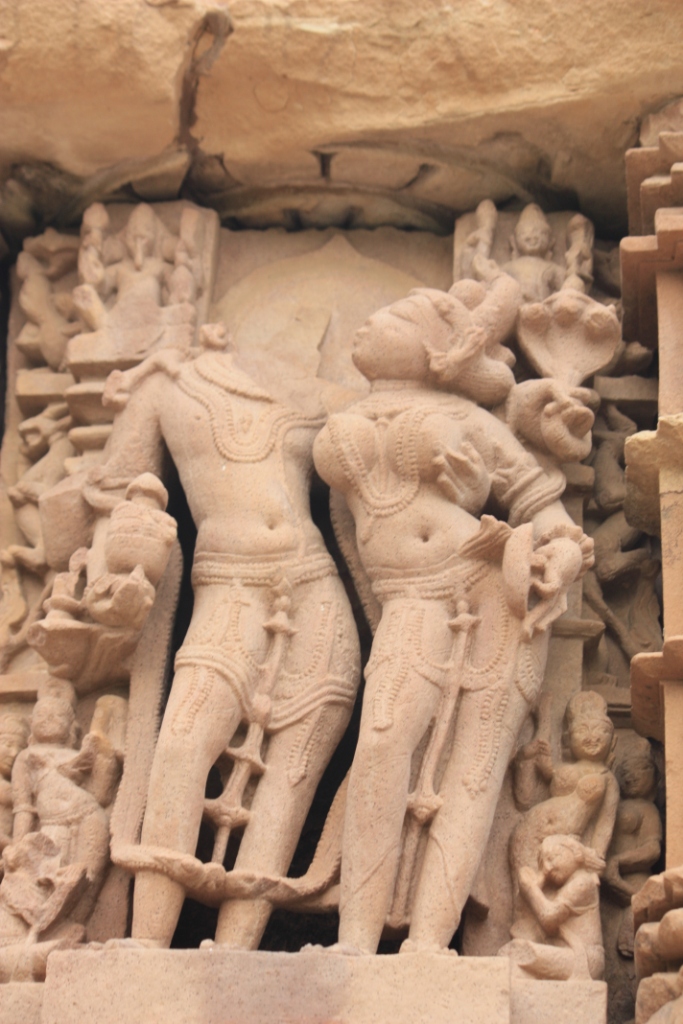
Title: “A kiss so good his head exploded” Taken at Khajuraho on October 22, 2015
If it’s not apparent from the title, this post features sculptures of a graphic nature. If you tend toward the puritanical, turn back now or be introduced to the wild side of ancient Indian sexual positions.
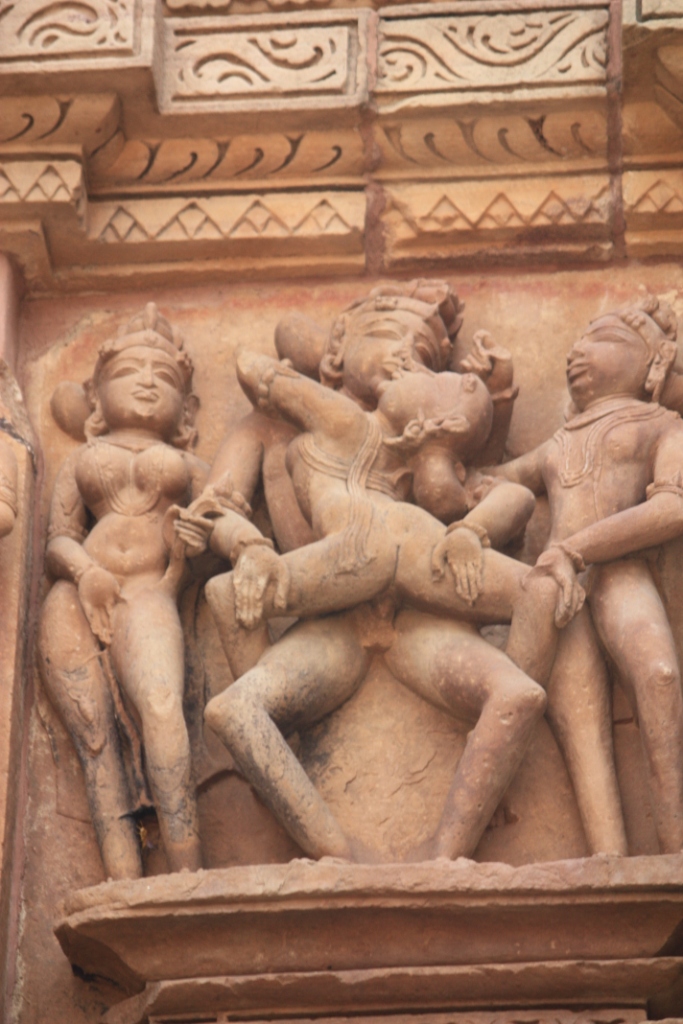
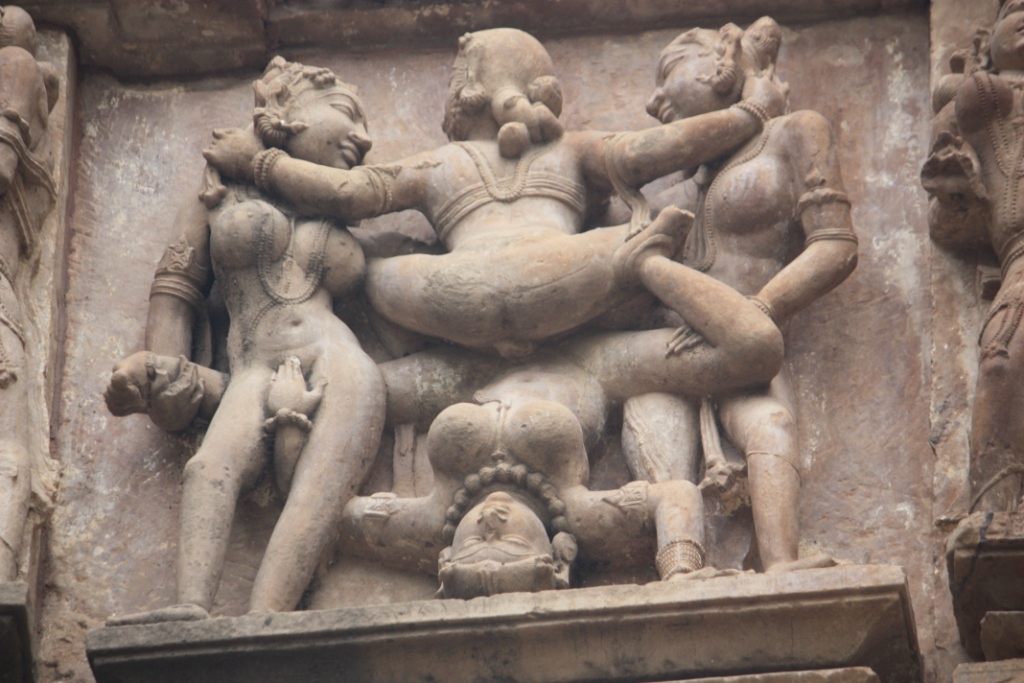
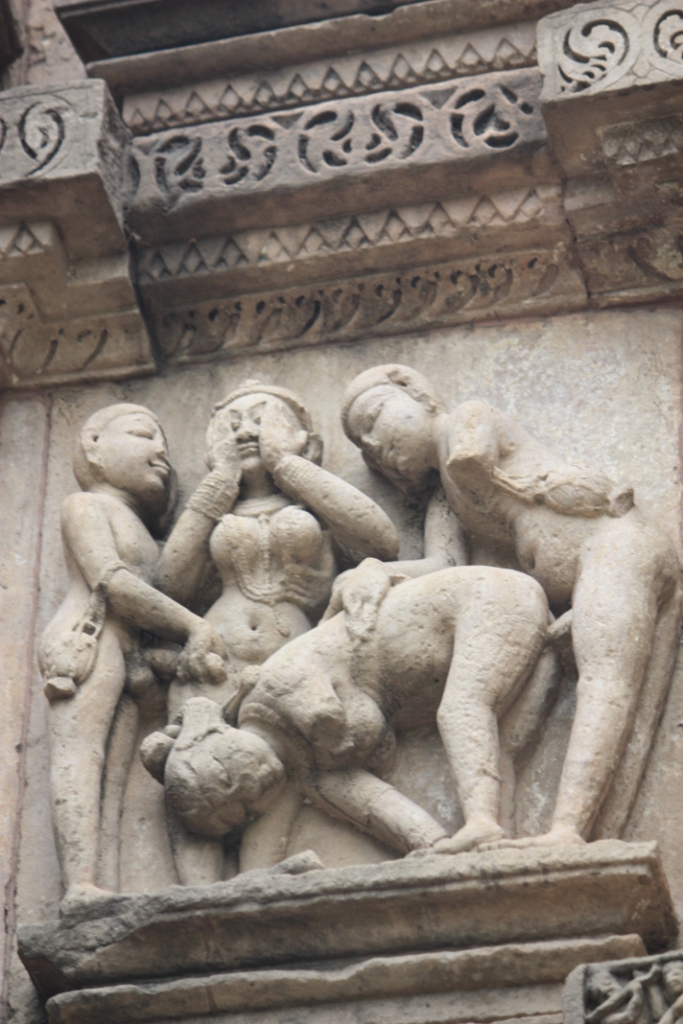
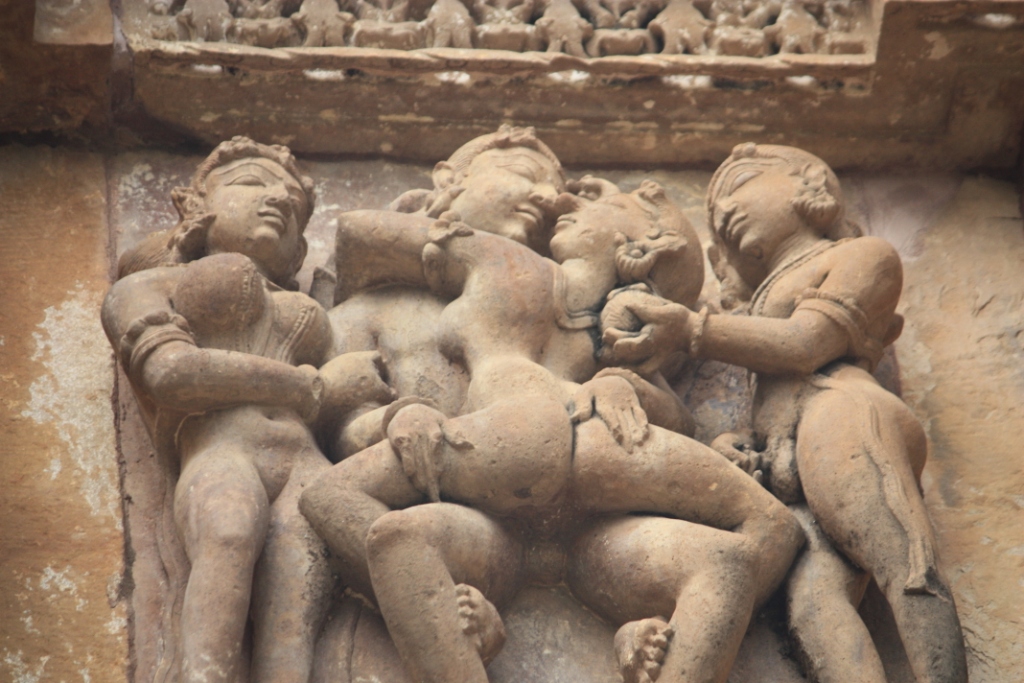
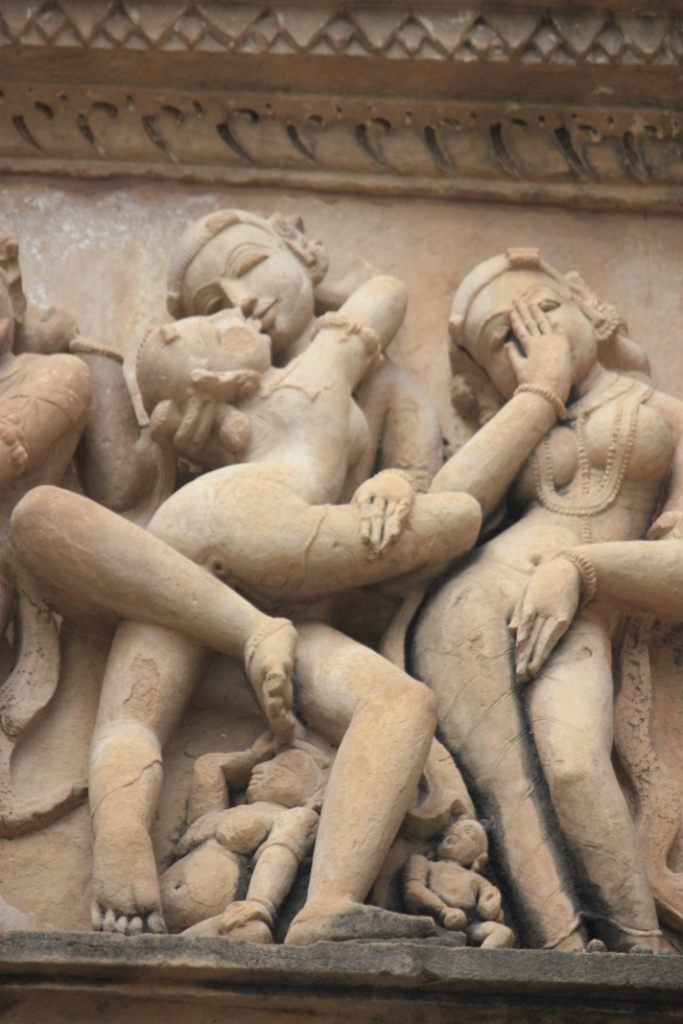
I love the theme of covering one’s eyes–just not all that carefully.
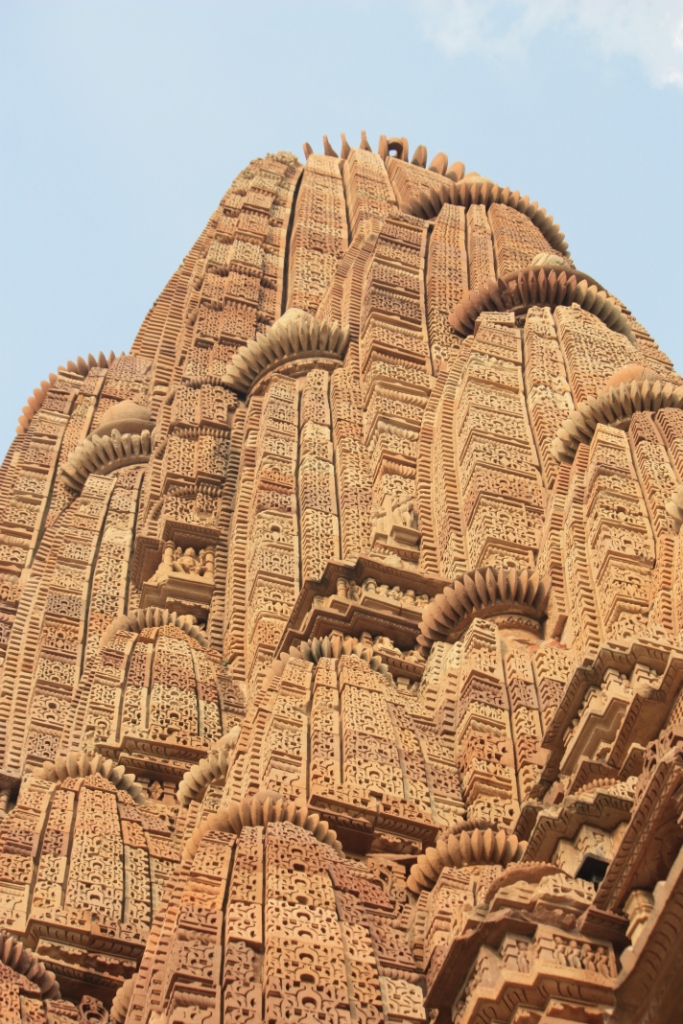
Taken at the Khajuraho Western Group on October 22, 2015
I just got back from a trip to Khajuraho, Varanasi, and Sarnath, and I’ll be resuming posts–starting with pictures from this visit. Here is one of one of the details on the roof of one of the Western Group of temples. (The Western Group are the most well-preserved and extensive of the surviving temples.)