
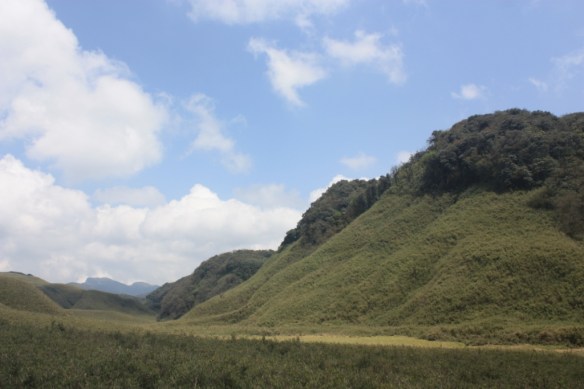
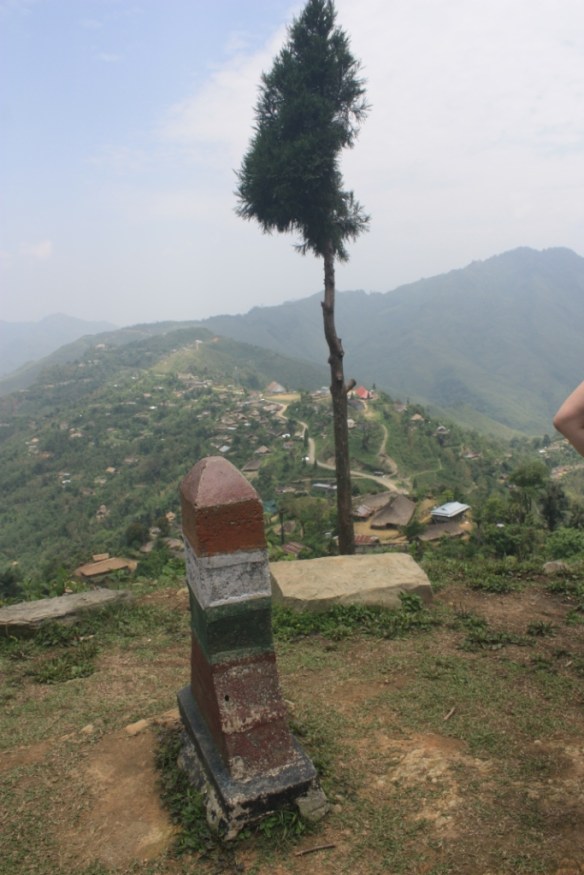
Taken in May of 2017 in Dzükou Valley


Taken in April of 2017 in Nagaland
Nagaland feels like a country unto itself. Not like Myanmar (which it’s not.) But, also not like India (which it is, technically and legally.) Neighboring Assam and Manipur feel like India with a Tribal twist, but not Nagaland. It feels Tribal to its core.
Among the factors that contributes to this is that almost 90 % (88.1%) of it’s population is Christian. For some reason, the missionaries found this piece of the planet fertile ground. Buddhism has no presence in Nagaland at all, which is one of the things that makes it seem quite different from the SE Asian countries, which it bears a resemblance to in a number of ways (e.g. racially, architecturally, etc.)
But religion is just part of it. If you were to go by attire or what music is playing in the cafe (K-pop, US pop, and local music inspired by the aforementioned) one would be more likely to guess one was in Southeast Asia. And if you were to go by cuisine, you’d have no idea where you were. It’s not remotely like Indian cuisine except that the favored snacks are those of Ladakh and Sikkim [i.e. Tibet-esque; momos and noodle soup.] Still, it’s not like SE Asian cuisine excepting that steamed rice is a part of every meal and the pungent smell of fermented yam leaves (anishi) is a smell similar an odor I’ve encountered in Thailand. (But I see no reference yam leaves in Thai cuisine, so I suspect in Thailand its something else that’s fermented to create said smell.)

Baptist church of Khonoma

Catholic church of Khonoma


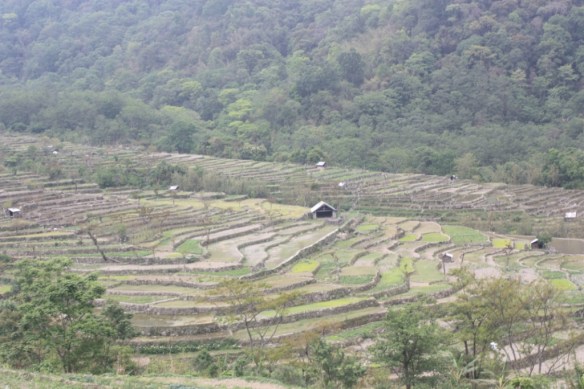
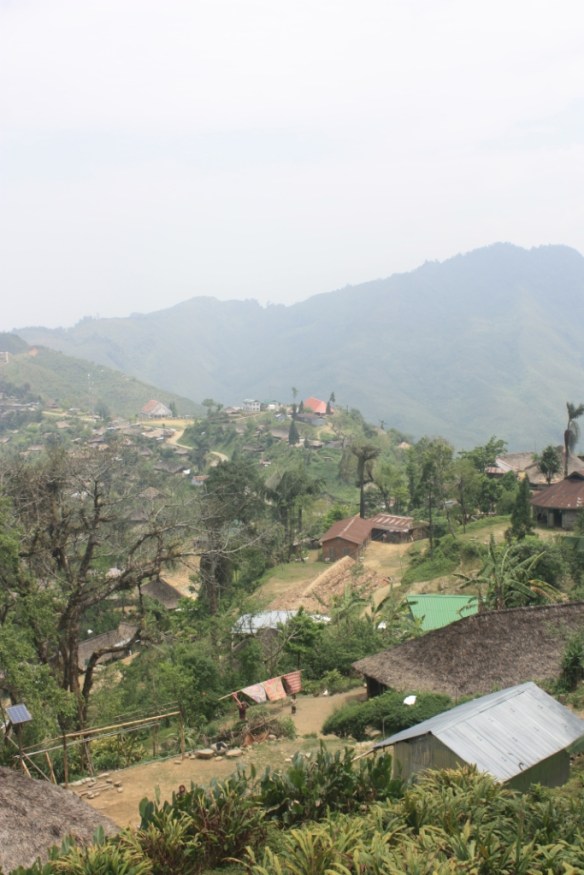
Taken in May of 2017 in Khonoma, Nagaland


This is actually Dzuleke Village, the next village down from Khonoma.
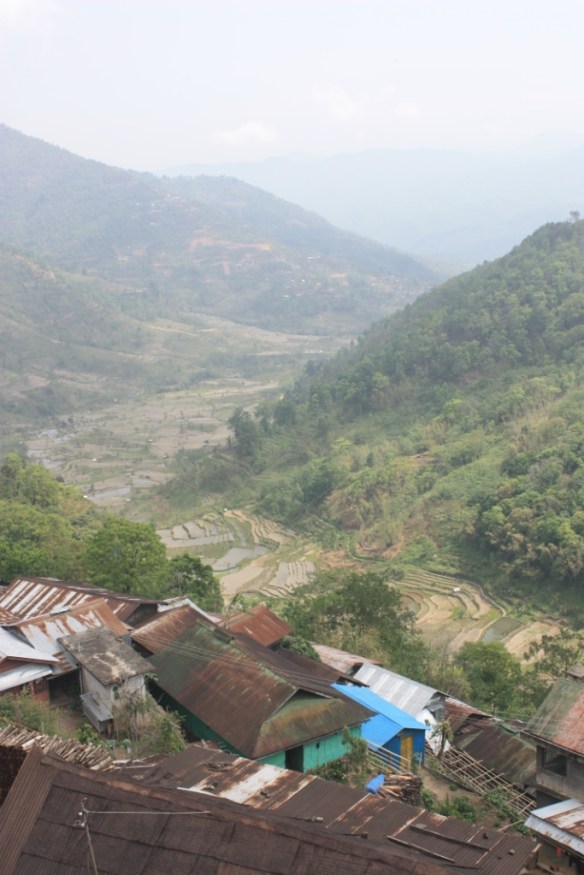

Taken on April 27, 2017 near Longwa in Nagaland
I’m not sure / can’t remember whether this was on the Indian or Myanmar side of the border.

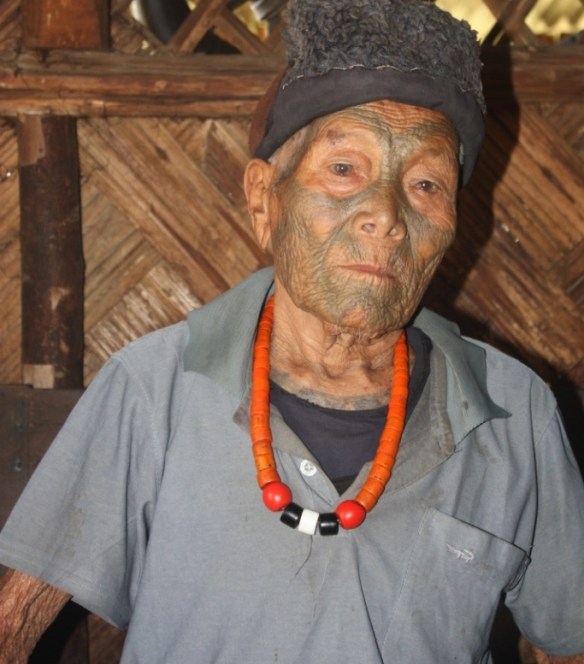
The Chief; Taken on April 27, 2017 at the Hungpoi Village in Nagaland, India
Nagaland is a fascinating place. Back in the days before colonialism and proselytizing missionaries, the tribes practiced headhunting. The Chief’s wife would tattoo the face of any warrior who returned from battle with the head of a fallen enemy. Hence, you see the blue tint to these men’s faces. Hungpoi, which is a short drive from Mon, has one of the highest concentrations of those who lived during this time, but they are a disappearing breed.
I was fascinated to discover how many features of their tribal experience echoed what one reads about in Chinua Achebe’s “Things Fall Apart.” That book is considered to be one of the quintessential novels of the African experience, but it seems that these Asian tribes shared many features. Their hyper-masculine societies morphed as Christian missionaries came in, backed by the might of colonial powers, and converted the population. Internecine killing–accidental or purposeful–was punished by a seven-year period of exile. Shaming was used as punishment much more than is possible in our–to use Desmond Morris’s term– super-tribes.

Some of these elder warriors wear necklaces showing the number of heads that they collected in warfare. This is in contrast with other elements of ornamentation which, according to one of these men, were more about attracting a mate.





 Tiger Riding for Beginners